Integration & Automation

Author: Vinod Shukla

Speed up instance bootstrapping by using dynamically created images
Learn how to build an AMI from an Amazon EC2 instance at CloudFormation launch time, and then use the AMI for fast bootstrapping of the Auto Scaling group instances.

Securing your bastion hosts with Amazon EC2 Instance Connect
In this second post of a two-part series, learn how to enhance the security of your bastion hosts by using Amazon EC2 Instance Connect. With EC2 Instance Connect, you no longer have to associate a key pair to the instance, and you don’t need to permanently add user keys to authorized keys.

Toward a bastion-less world
Looking for a way to improve your security posture by eliminating open ports on your private Amazon EC2 instances? Learn how you can use the AWS Systems Manager Session Manager to securely connect to your instances without requiring open ports or a key pair.

Data analysis with SnapLogic
This post is a hands-on companion to the Data Lake with SnapLogic on AWS Quick Start. See how to use a SnapLogic pipeline to transform your input data, load it into an Amazon Redshift data warehouse, query the data in Amazon Redshift, and visualize it with Amazon QuickSight, so that you can analyze the data.
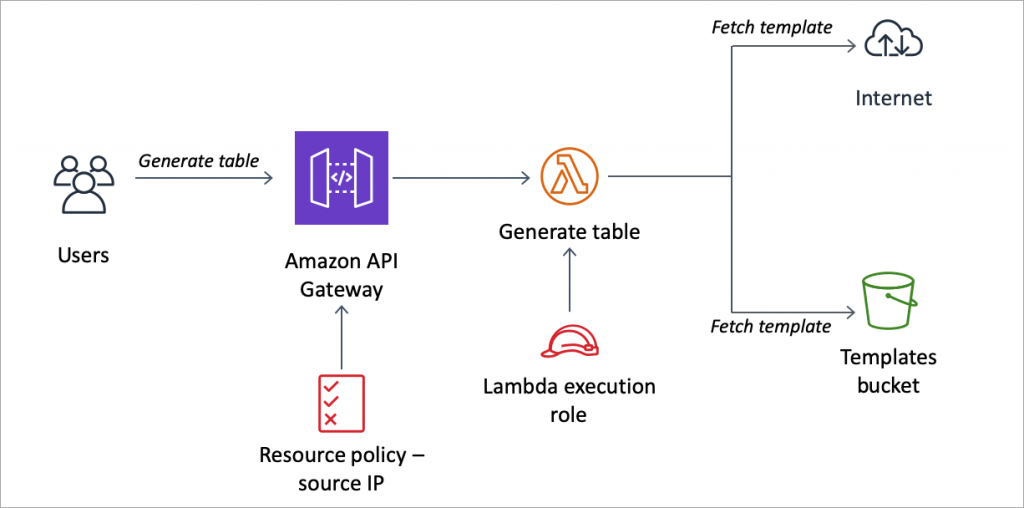
Automated documentation of AWS CloudFormation template parameters
Automate the documentation of AWS CloudFormation templates by using a serverless solution that eliminates the need to run local scripts.

Deploy CloudFormation stacks at the click of a button
Deploy your Quick Starts and other AWS CloudFormation templates securely at the click of a button by using the AWS IoT Button.

Scheduling automatic deletion of AWS CloudFormation stacks
Instead of manually cleaning up your temporary AWS CloudFormation stacks, use this mechanism to automatically delete your demonstration stacks after a specified amount of time has elapsed.