- AWS
- Customer Success Stories
- AWS Pioneers Project
- Hala Systems
AWS Pioneers Project
European innovation, told by those who built it
Hala Systems and protecting civilians in conflict zones with AI
The Ukraine conflict has taken its toll not just on the adults but on the children living there. It is estimated by Save the Children that at least 20,000 have been transferred from Ukraine since the war began in February 2022.
Alongside NGO Save Ukraine, start-up Hala Systems is on a mission to get them back.
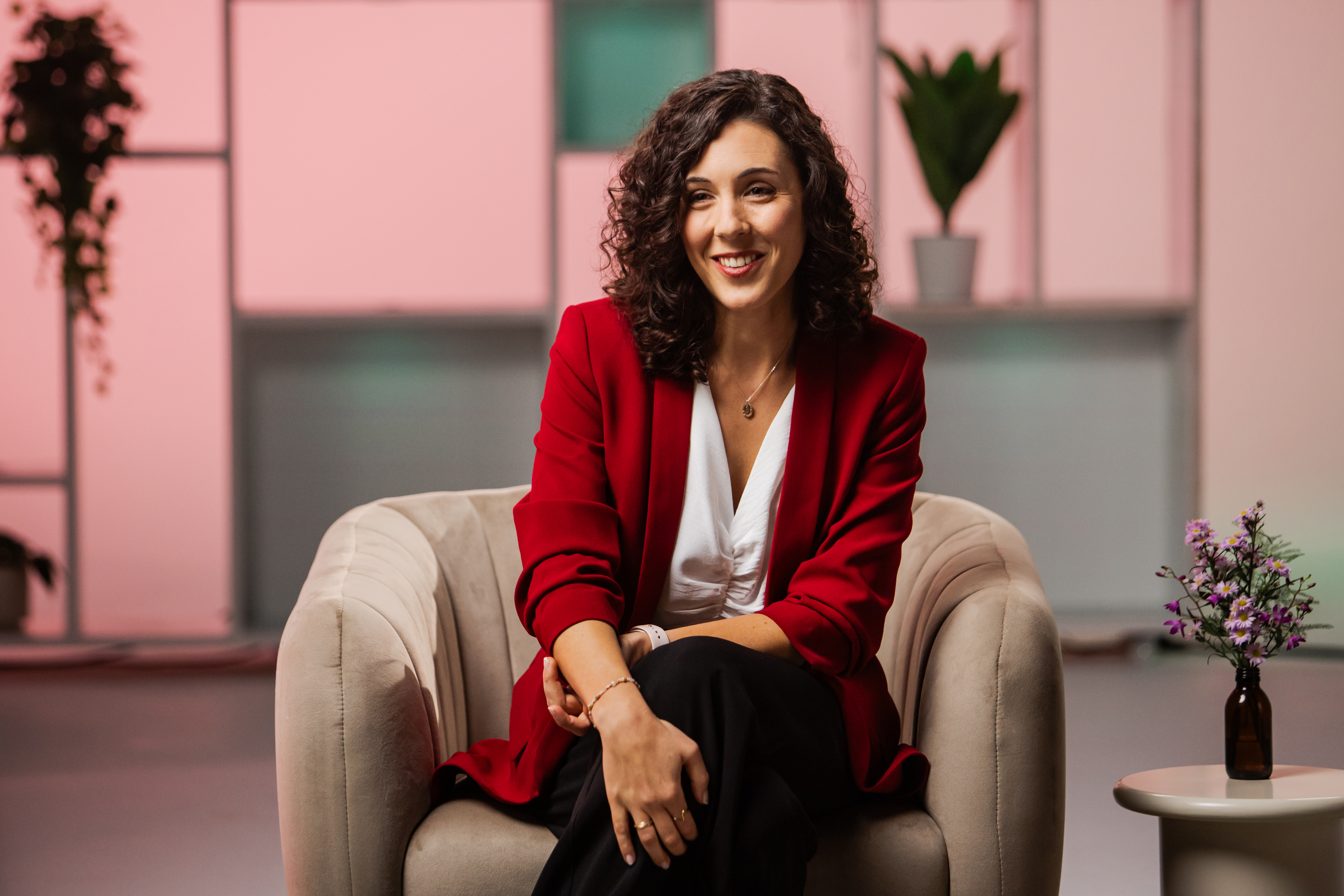
Meet Begoña Sesé de Lucio
Head of Product, Hala Systems
“We have a tool that analysed social media to understand whenever there were mentions of the children being moved. We saw that there are military training camps. Ukrainian kids were taken from Ukraine and put in these camps,” explains Begoña Sesé de Lucio, Head of Product at the firm.
Based on the information supplied, Save Ukraine has managed to rescue 207 children so far, and this number continues to grow.
Hala Systems was started more than 10 years ago with a crucial mission.
Creating an early-warning system
“The idea was that we would build technology for conflict zones or places where there are humanitarian crises or disaster-affected areas. Wherever there are civilians who face threats beyond their control,” says Sesé de Lucio .
“We transform data into decisions that try to save lives and protect human dignity.”
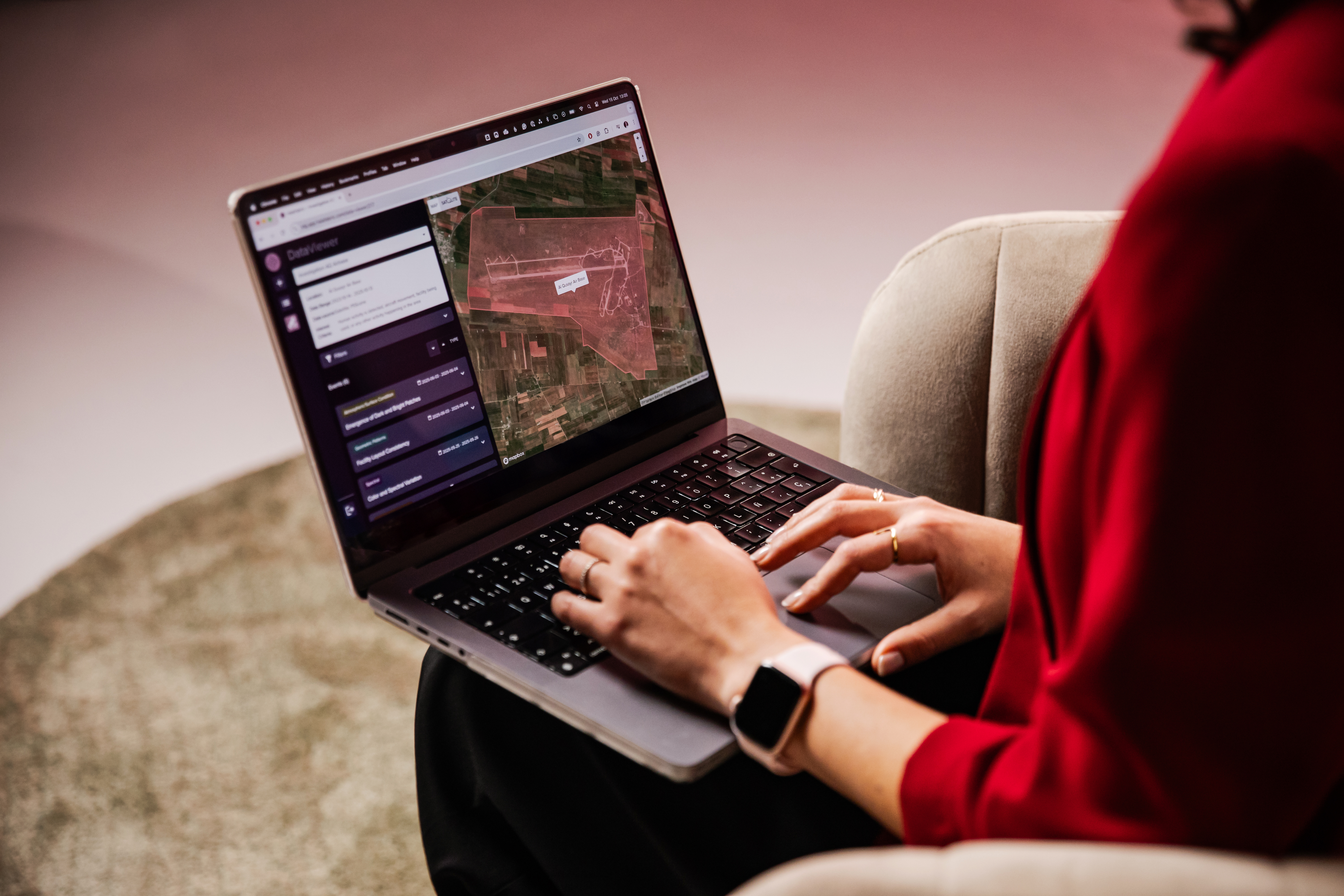
The firm compiles data from a range of sources, including satellite communications and social media, and converts them into clear insights using AI agents.
For one of the co-founders – Ayman Al Malki – this work had a very personal meaning.
“He was an engineer and he escaped from Syria and wanted to do something to support civilians in his country,” explains Sesé de Lucio.
One of the first tools devised by the start-up was Sentry, an early-warning system to inform civilians in Syria of imminent airstrikes.
Previously, manual alarms and human sentries had limited reach. Hala Systems built upon these existing systems to make them more effective and scalable to help protect more people.
Sentry used a combination of remote sensors that were put on buildings such as hospitals along with multiple information sources, including an app where volunteers could report aircraft sightings to provide accurate and automated warnings that were sent via social media.
It is estimated that the system reached more than two million people, giving them, on average, an eight-minute warning before an airstrike.
“That reduced casualties by 20 to 30%,” says Sesé de Lucio.
The tool has been exhibited in the Smithsonian National Air and Space Museum in Washington.
Scalable and flexible technology for evolving crisis
Hala Systems has relied on Amazon Web Services (AWS) for a number of reasons.
“The main reason we have used AWS is to be quick, effective, and efficient in developing our products, including AI,” says Sesé de Lucio.
“You have to develop products or tech solutions, and no conflict is the same. So we have to develop different technologies for different regions. The good thing about AWS is that it allows us to be adaptable,” she adds.
Who you choose to collaborate with requires careful consideration for a tech company that is throwing itself into the middle of wars and conflicts.
“Who you work with, how you protect data, and what is your purpose in all of this are key,” agrees Sesé de Lucio.
“We work mostly with NATO countries. And with AWS, we trust their expertise in working with organisations that demand the highest levels of trust. It’s important to trust the technology and make the system secure.”
The firm has become increasingly reliant on AI in recent years, for understanding data, monitoring data sources, and also to verify information is correct.
“The agent is capable of reading through and surfacing only the information that have references to what is interesting to the user,” she explains.
Previously, this was a manual process, time-consuming and meant that things could be missed.
Rooting out misinformation
The firm has plans to integrate even more AI agents in future.
“Our vision is to have different agents running different data sources and then speaking to each other or triggering one to another,” she says, adding that there will always need to be “a human in the loop”.
When the system was being developed, it used information from the Paris Olympics that was available on social media to try to predict if it could spot misinformation about terrorist attacks, and developed a confidence score of how likely a post was to be true.
“We found that there are different ways in which you can validate information and give a confidence score,” says Sesé de Lucio.
Such methods of rooting out misinformation are likely to become invaluable in future conflicts.
“We want to keep jumping forward in cross-referencing information. We are living in a better information era but also one that is full of misinformation. We want to be able to verify and cross-reference different sources to be more certain about what the truth is.”
She believes that there is huge value to using AI for social impact organisations.
Expanding to disaster response
“There’s often not a lot of budget, and NGOs don’t have infinite resources. So anything that can help them save time or effort is something worth pursuing,” she says.
Her advice to other social impact firms is to build on the cloud.
“AWS allows you to scale, to experiment, and even to deploy without getting too bogged down into the whole infrastructure. It reduces the burden on your mind and helps you focus on what’s important for your business,” she says.
Hala Systems isn’t just a technology for times of conflict; it can also be used to monitor infrastructure, build understanding of our changing coastlines, or to help evaluate the damage in an area after a natural disaster.
“There are many things related to public safety and many use cases once you have the different data sources,” says Sesé de Lucio.
The future looks exciting for Hala Systems.
“We are developing a technology that is more scalable and that could be applied to other use cases. One of the key things for us is adding depth so that we can protect more people in different places.”
Behind the scenes