AWS Pioneers Project
European innovation, told by those who built it
XOCEAN surveys the ocean bed with the help of AI
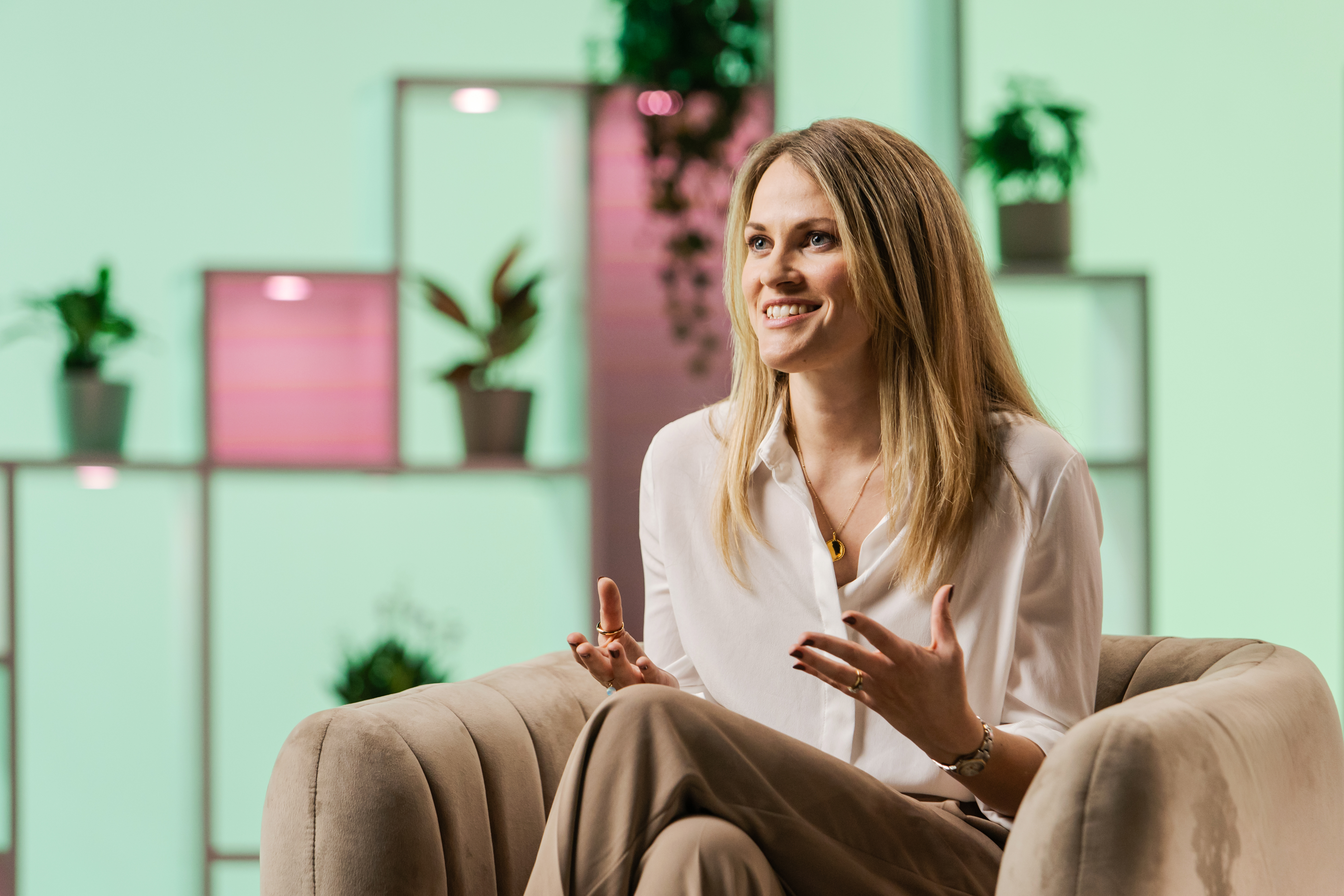
Charlotte Beechey is exploring one of the least understood parts of our planet, without ever leaving her desk.
As head of business development for XOCEAN, the ocean data company that collects and analyses seabed information, she is part of a new generation of maritime professionals. Their discoveries take place on the ocean floor, but the work itself is carried out remotely, powered by robotics, artificial intelligence, and Amazon Web Services (AWS) cloud infrastructure.

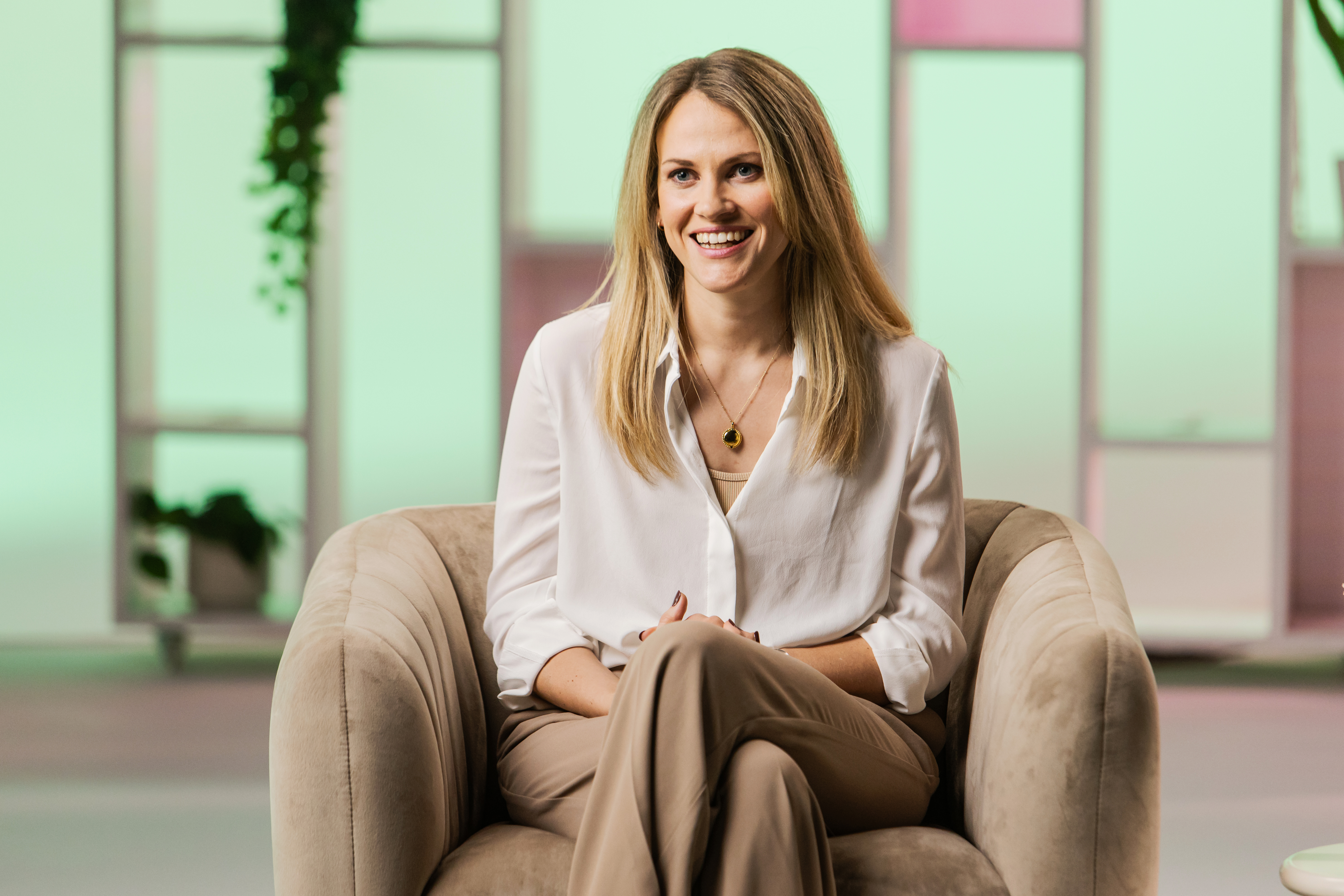
Meet Charlotte Beechey
Head of business development for XOCEAN
Much of what makes this possible is XOCEAN’s cloud based operating model, which enables vessels, data, and teams to stay connected in real time across continents.
Capturing the blue economy
The global blue economy is projected to be worth $3 trillion by 2030, driven largely offshore wind, subsea telecommunications cables, and other marine infrastructure. For companies building in these demanding environments, detailed knowledge of the seabed is essential
"We need to understand what the seabed looks like, where the turbines are best placed, where the foundations go," explains Beechey. Throughout a wind farm's lifecycle—from construction through maintenance to decommissioning—understanding the seabed is essential.
XOCEAN supports this work through a fleet of 33 uncrewed surface vessels that collect high resolution geophysical and environmental data. Each vessel is approximately four and a half metres long, about the size of a medium car, with a low profile structure and distinctive yellow gantry.
While a technician launches each vessel, it is then operated remotely. Pilots monitor performance and safety systems around the clock from shore based control centres using satellite connectivity.
"We've effectively taken away the risk of having personnel at sea," says Beechey.
The environmental impact is also materially lower than conventional survey vessels. Due to their small size and lightweight design, XOCEAN’s vessels generate up to 1,000 times less carbon emissions. Their reduced noise levels also minimise disturbance to marine ecosystems.
The remote model has additional benefits. By reducing long periods at sea, XOCEAN supports greater workforce flexibility and inclusion. The company operates at 30 times the International Maritime Organization average for women in maritime roles.
Scaling with the cloud
When XOCEAN was founded in 2017, data volumes were modest but growing quickly.
"Previously we would have been at sea for about 10 days, then come to port, take the drive off the USB and put that in a data centre. You're looking at data that is 10 days old," explains Beechey.
Operating on AWS transformed that model.
Today, XOCEAN streams survey data directly from its vessels to the cloud as it is collected. This enables near real time access, faster processing, and more responsive decision making for clients.
The scale of operations has expanded significantly.
To date, XOCEAN has gathered more than 5.8 million gigabytes of ocean data. Its fleet has logged 197,829 operational hours, travelled 1,167,191 kilometres, and completed 1,649 missions. With teams based in Australia, the United States, Canada, the United Kingdom, and Ireland, the company provides continuous global coverage.
Using AI to save geophysicists time
As data volumes increase, automation has become the next priority.
"The seabed is scattered with hundreds of thousands of boulders in a particular survey area. AI is going to help us view and measure them. At the moment that is done by a human and it takes an awful lot of time," says Beechey.
By using AI built and deployed on AWS infrastructure, XOCEAN is working to automate large parts of this interpretation process. The goal is to enable real time pass or fail assessments during surveys, accelerating delivery timelines.
This approach could reduce project schedules by ten days to two weeks per site, while allowing experienced geophysicists to focus on higher value analysis and interpretation.
Beyond commercial applications, XOCEAN’s dataset has broader significance. The company’s vessels continuously collect environmental information including salinity, temperature, and weather data, alongside continuous visual footage of marine life.
"We have 180,000 hours of data, and if we had a tool that helped us exploit that, I genuinely think we would have a really good dataset for researchers," Beechey says.
Over the next five years, XOCEAN expects its operations to support the development of more than 100 gigawatts of offshore wind capacity and avoid over 5 million hours of conventional vessel time at sea.
With only a small proportion of the world’s oceans surveyed to modern standards, the opportunity remains vast.
"It's amazing to me that we're surveying the seabed that's never been surveyed in this level of detail, that nobody has ever seen before," Beechey reflects.
Behind the scenes