Containers

Author: Nathan Taber
Nathan leads product management for Kubernetes and Container Registries at AWS. Nathan and his team are dedicated to help AWS customers, partners, and engineering teams build for Kubernetes in the cloud.
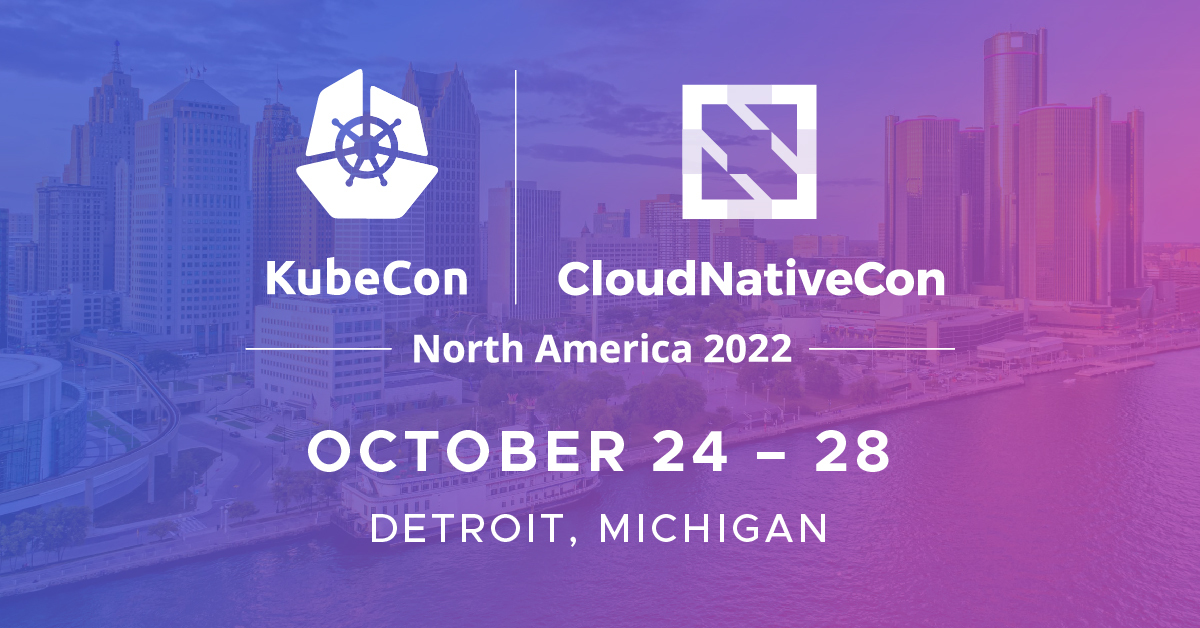
AWS at KubeCon + CloudNativeCon North America 2022
Click here for the full schedule of AWS events at KubeCon + CloudNativeCon North America 2022 Amazon Web Services (AWS) is headed to Detroit, Michigan for KubeCon + CloudNativeCon North America 2022. We are thrilled to connect with the Open Source community in person to share what we’ve been working on, and learn about how […]

Introducing the new Amazon EKS console
Since its launch at re:Invent 2017, Amazon Elastic Kubernetes Service (EKS) has rapidly evolved to meet the needs of production Kubernetes users. Customers such as Intel, Snap, Intuit, GoDaddy, and Autodesk trust Amazon EKS to run their most sensitive and mission critical applications because of its security, reliability, and scalability. One thing missing from Amazon […]

Introducing Amazon EKS add-ons: lifecycle management for Kubernetes operational software
From the start, our goal with Amazon Elastic Kubernetes Service (Amazon EKS) has been to build a fully managed service that makes it easy for you to run Kubernetes on AWS without needing to be an expert in managing Kubernetes clusters. When Amazon EKS first launched, that meant a fully managed Kubernetes control plane. In […]

Introducing Ubuntu support for Amazon EKS 1.18
Amazon Elastic Kubernetes Service (EKS) is a fully automated Kubernetes cluster service on Amazon Web Services (AWS). Ubuntu is a popular and proven operating system for both virtual machine and containerized cloud computing. Canonical (the creator and primary maintainer of Ubuntu) is an Amazon partner and works with the EKS team to provide an optimized […]

De-mystifying cluster networking for Amazon EKS worker nodes
Running Kubernetes on AWS requires an understanding of both AWS networking configuration and Kubernetes networking requirements. When you use the default Amazon Elastic Kubernetes Service (Amazon EKS) AWS CloudFormation templates to deploy your Amazon Virtual Private Cloud (Amazon VPC) and Amazon EC2 worker nodes, everything typically just works. But small issues in your configuration can result […]

Upcoming Changes to IP Assignment for EKS Managed Node Groups
When using Amazon EKS, all nodes need the ability to connect to the EKS-hosted Kubernetes cluster and to other AWS APIs such as Amazon Elastic Container Registry (ECR) or Amazon S3. Nodes can run in private or public subnets. For private subnets, this traffic typically routes through an AWS PrivateLink connection to reach endpoints within […]