Migration & Modernization
Agentic Cloud Modernization: Accelerating Modernization with AWS MCPs and Kiro
In today’s rapidly evolving technology landscape, organizations face mounting pressure to modernize their legacy systems while maintaining operational excellence and controlling costs. Traditional approaches to cloud modernization often require weeks of manual assessment, extensive documentation efforts, and significant development resources—creating bottlenecks that delay time-to-market and increase project costs. However, the emergence of AI-powered development assistants like Kiro from Amazon or Cline, integrated with official Anthropic Model Context Protocol (MCP) servers for AWS, represents a paradigm shift that transforms these historically manual, time-intensive processes into automated, consistent, and scalable methodologies. This agentic architecture approach delivers measurable business outcomes while significantly reducing project risk and implementation timelines from weeks to days.
Choosing Your AI Assistant
Organizations can leverage either Kiro or Cline as their AI-powered development partner:
Kiro is AWS’s native AI-powered development environment and IDE that provides intelligent assistance for cloud modernization projects. It offers a comprehensive development experience with integrated access to AWS services, documentation, and real-time AI assistance. Kiro excels at contextual code analysis, infrastructure code generation, visual project management, and collaborative development workflows. It’s ideal for teams that want a complete IDE experience with deep AWS service integration, MCP server management, and AI-powered development assistance built directly into their development environment.
Cline option: For organizations not using Kiro, they can use Cline, which fully supports integrations with AWS MCPs. Cline operates as a VS Code extension that provides an integrated development experience within the IDE. Cline is ideal for teams that require using VS Code.
Both assistants integrate with official AWS MCP servers to ensure that all recommendations and generated code follow current AWS best practices and leverage the most appropriate services for specific workload requirements.
The Challenge of Traditional Modernization Approaches
Enterprise modernization initiatives typically follow predictable patterns that consume substantial time and resources. Assessment phases often stretch across multiple weeks as architects manually catalog existing systems, document interdependencies, and evaluate technical debt. Planning phases require extensive collaboration between multiple teams to design target architectures, estimate costs, and develop modernization strategies. Implementation phases demand significant development effort to create infrastructure code, modify applications for cloud-native patterns, and establish operational procedures.
These traditional approaches, while thorough, create bottlenecks that delay time-to-market and increase project costs. Manual processes introduce inconsistencies in documentation quality and architectural decisions. The complexity of modern cloud platforms makes it challenging for teams to consistently apply best practices across all components of a modernization initiative. Organizations often struggle to maintain momentum as projects encounter the inevitable delays associated with manual assessment and implementation workflows.
Introducing the Agentic Architecture Approach
The concept of agentic architecture leverages artificial intelligence to automate and accelerate the entire modernization lifecycle. By integrating Kiro with official AWS MCP servers, organizations can establish an intelligent development environment that understands both their existing systems and AWS best practices. This integration creates an end-to-end automation framework that spans assessment, planning, and implementation phases of modernization projects.
Figure 1 illustrates how the traditional three phases of modernization—assessment, planning, and implementation—are transformed through Kiro and AWS MCP integration. This agentic workflow demonstrates the automated progression from legacy system analysis through target architecture design to production-ready code generation, significantly reducing manual effort and timeline requirements.
Kiro operates as an intelligent development partner, that can analyze existing codebases, understand architectural patterns, and generate production-ready solutions aligned with AWS Well-Architected Framework principles. The integration with official AWS MCP servers ensures that all recommendations and generated code follow current AWS best practices and leverage the most appropriate services for specific workload requirements.
These three core phases of this agentic approach are:
Analysis Phase – Automated examination of existing systems where Kiro analyzes codebases to generate comprehensive documentation of current architecture patterns, create visual diagrams showing system dependencies and data flows, identify technical debt and modernization opportunities, and assess cloud readiness across applications and services.
Planning Phase – Intelligent design of target AWS architectures where Kiro designs optimized solutions for specific requirements, generates detailed cost estimates using real-time AWS pricing, creates modernization roadmaps with phased implementation strategies, and recommends appropriate AWS services based on workload characteristics.
Implementation Phase – Automated generation of production-ready assets where Kiro delivers Infrastructure as Code using CloudFormation, CDK, or Terraform, creates application code modifications for cloud-native patterns, produces updated documentation reflecting the modernized architecture, and generates deployment automation scripts and CI/CD pipelines.
Each phase leverages specific AWS MCP servers and Kiro capabilities to transform traditionally manual, weeks-long processes into automated, consistent workflows that deliver production-ready results in days.
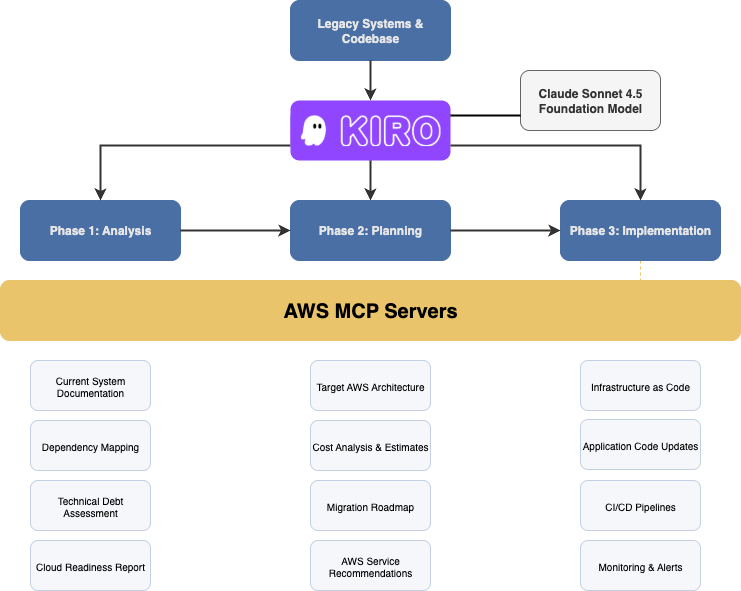
Figure 1 – Agentic Architecture Workflow: AI-Powered Cloud Modernization Process
Analysis of Current State
The first phase of agentic architecture modernization focuses on automated analysis of existing systems. Kiro examines codebases to identify architectural patterns, dependencies, and potential modernization opportunities. This analysis generates detailed documentation that would typically require weeks of manual effort from senior architects and developers. This automated analysis approach reduces assessment time from weeks to days while ensuring consistent evaluation criteria across all system components.
The AI assistant creates visual diagrams that illustrate system dependencies and data flows, providing stakeholders with clear understanding of current architecture complexity. Technical debt assessment identifies specific areas where modernization efforts will deliver the greatest impact. Cloud readiness evaluation examines each application component to determine optimal modernization strategies and identify potential challenges before they impact project timelines. The generated documentation provides a solid foundation for planning phases and serves as valuable reference material throughout the modernization process.
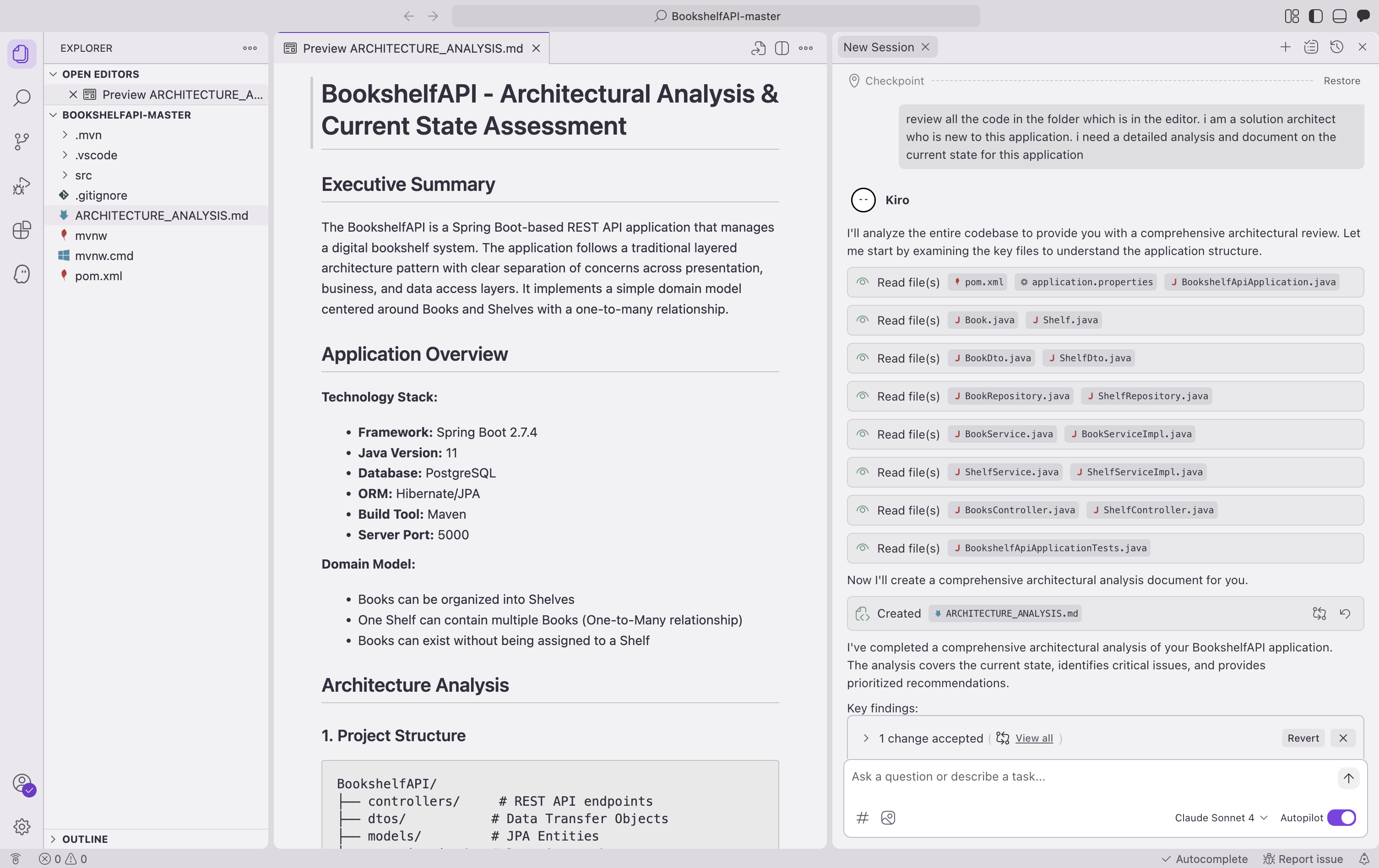
Figure 2 – Current state architecture analysis and documentation generated within Kiro
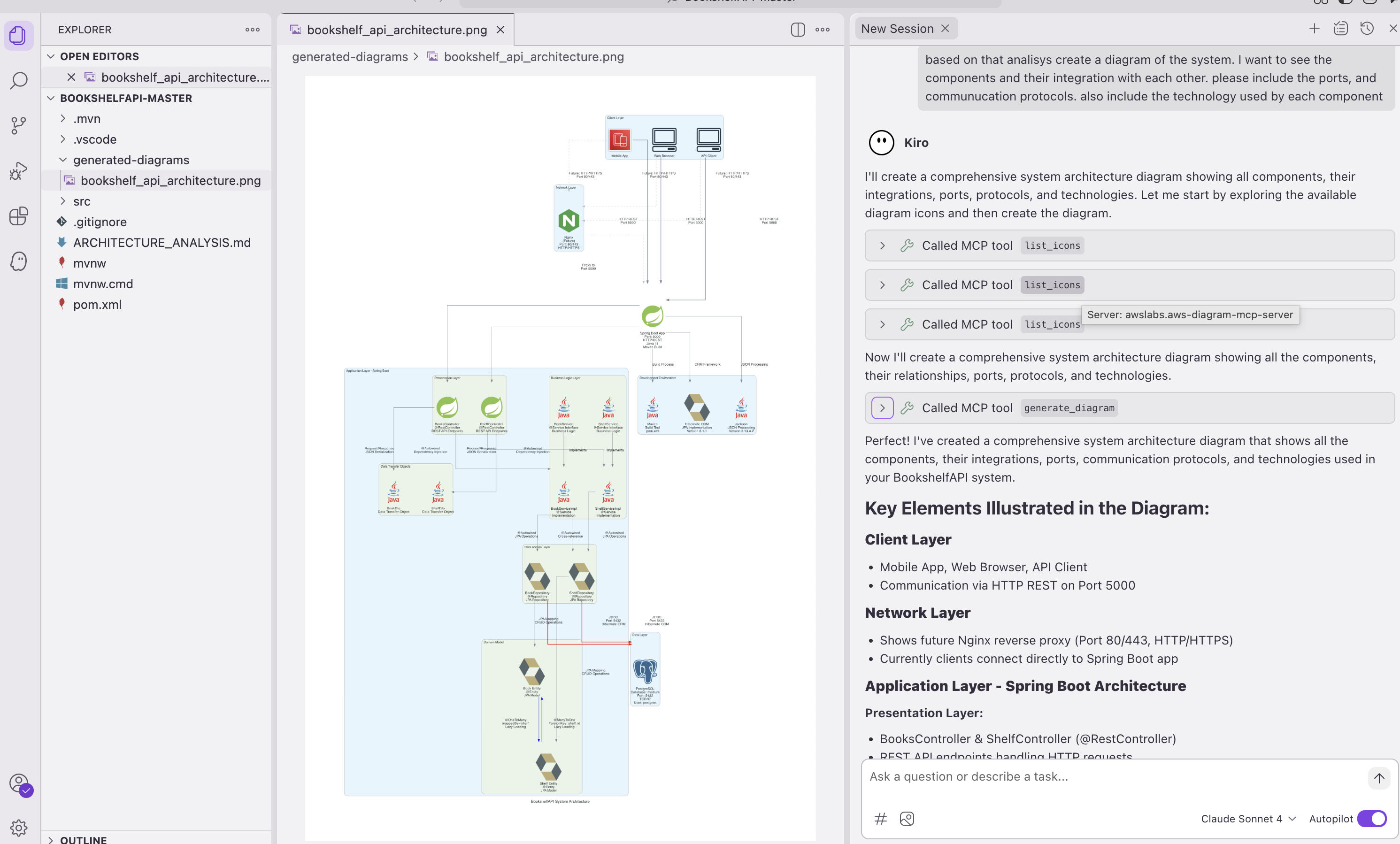
Figure 3 – Current state architecture diagram generated within Kiro
Planning
With current state analysis complete, Kiro transitions to designing target AWS architectures optimized for specific organizational requirements. The AI assistant leverages its understanding of AWS services and architectural patterns to recommend solutions that balance performance, cost, and operational complexity. Integration with AWS MCP servers ensures that all recommendations reflect current service capabilities and pricing models.
Cost estimation becomes an automated process that provides real-time analysis of different architectural options. Kiro can generate cost models comparing current infrastructure expenses with projected AWS costs, enabling informed decision-making about modernization priorities and budget allocation. Modernization roadmaps outline phased implementation strategies that minimize business disruption while delivering incremental value throughout the modernization process.
The planning phase also includes automated selection of appropriate AWS services based on workload characteristics. Through prompting, you can provide information about non-functional requirements, which then helps the agent design an architecture which aligns to both technical and business objectives.
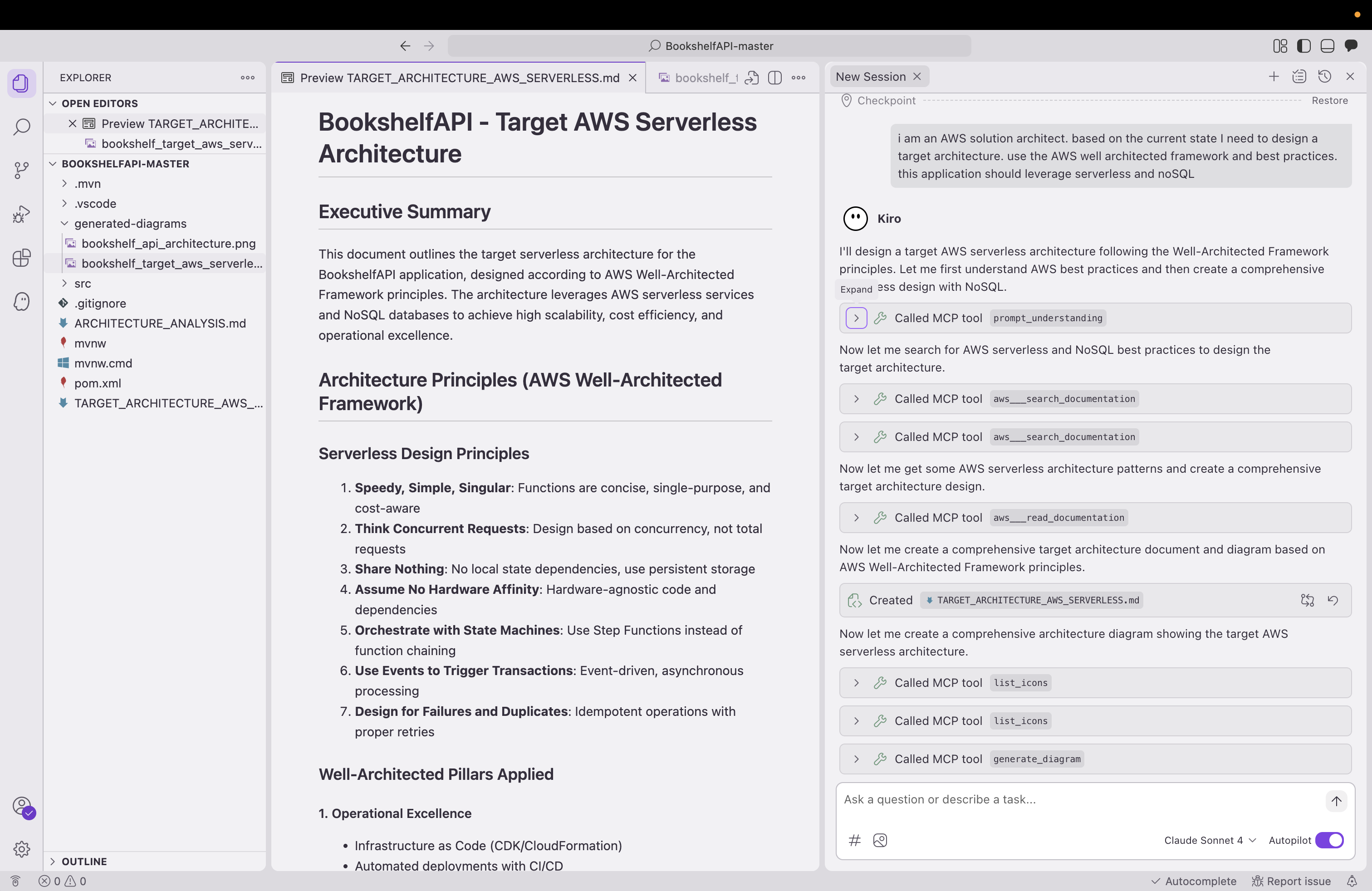
Figure 4 – Target state architecture documentation generated within Kiro
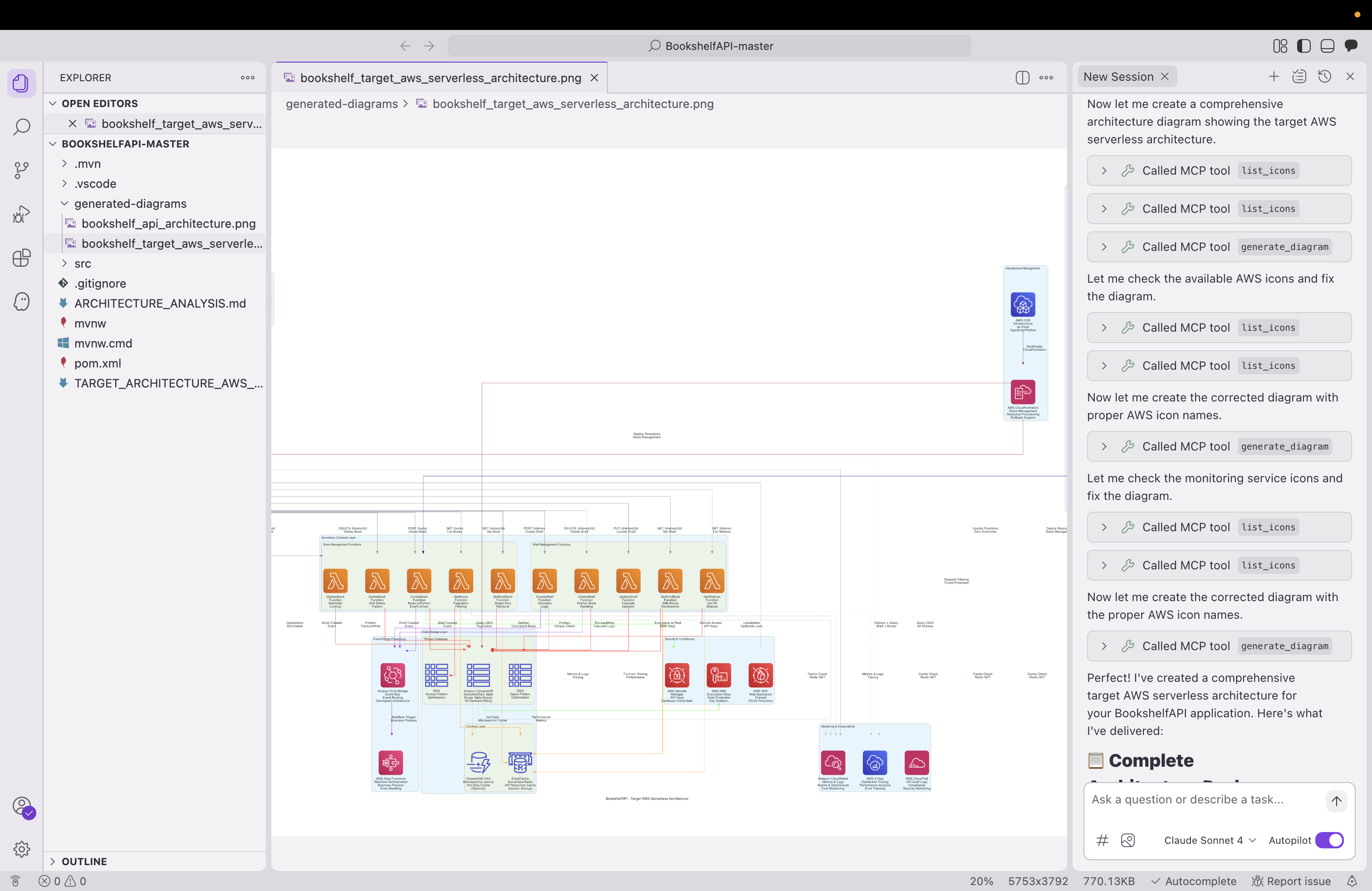
Figure 5 – Target state architecture diagram generated within Kiro
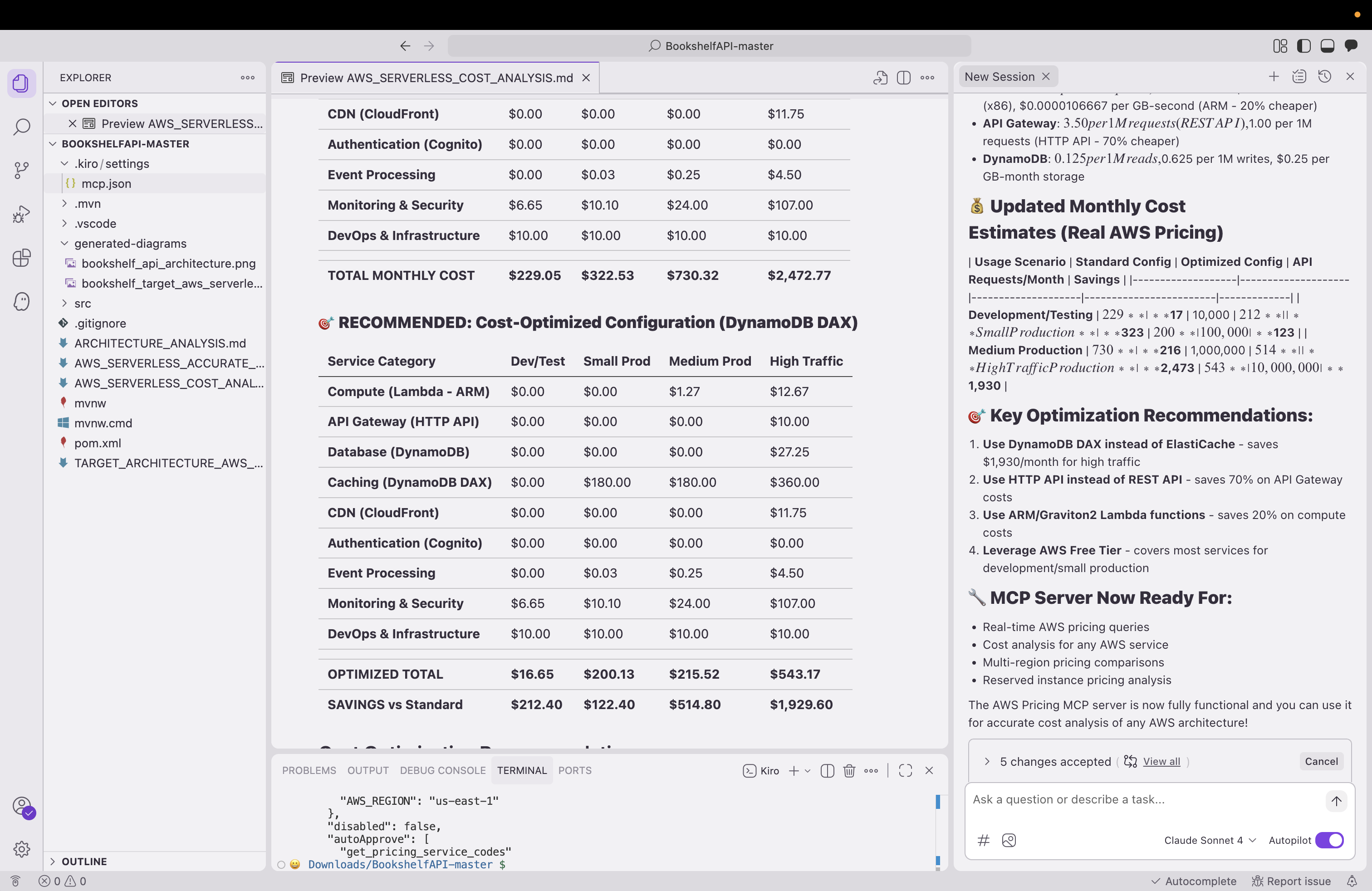
Figure 6 – Target state architecture cost model generated within Kiro
Implementation
The implementation phase demonstrates the true power of agentic architecture approaches. Kiro generates Infrastructure as Code using AWS CloudFormation, AWS Cloud Development Kit (CDK), or Terraform based on organizational preferences and existing tooling standards. These generated templates incorporate AWS best practices for security, monitoring, and operational excellence while reflecting the specific requirements identified during assessment and planning phases.
Application code modifications for cloud-native patterns are automatically generated to address common modernization requirements such as containerization, microservices decomposition, and serverless adoption. The AI assistant understands both legacy code patterns and modern cloud-native approaches, enabling it to generate transformation code that maintains business logic while adopting cloud-optimized architectures.
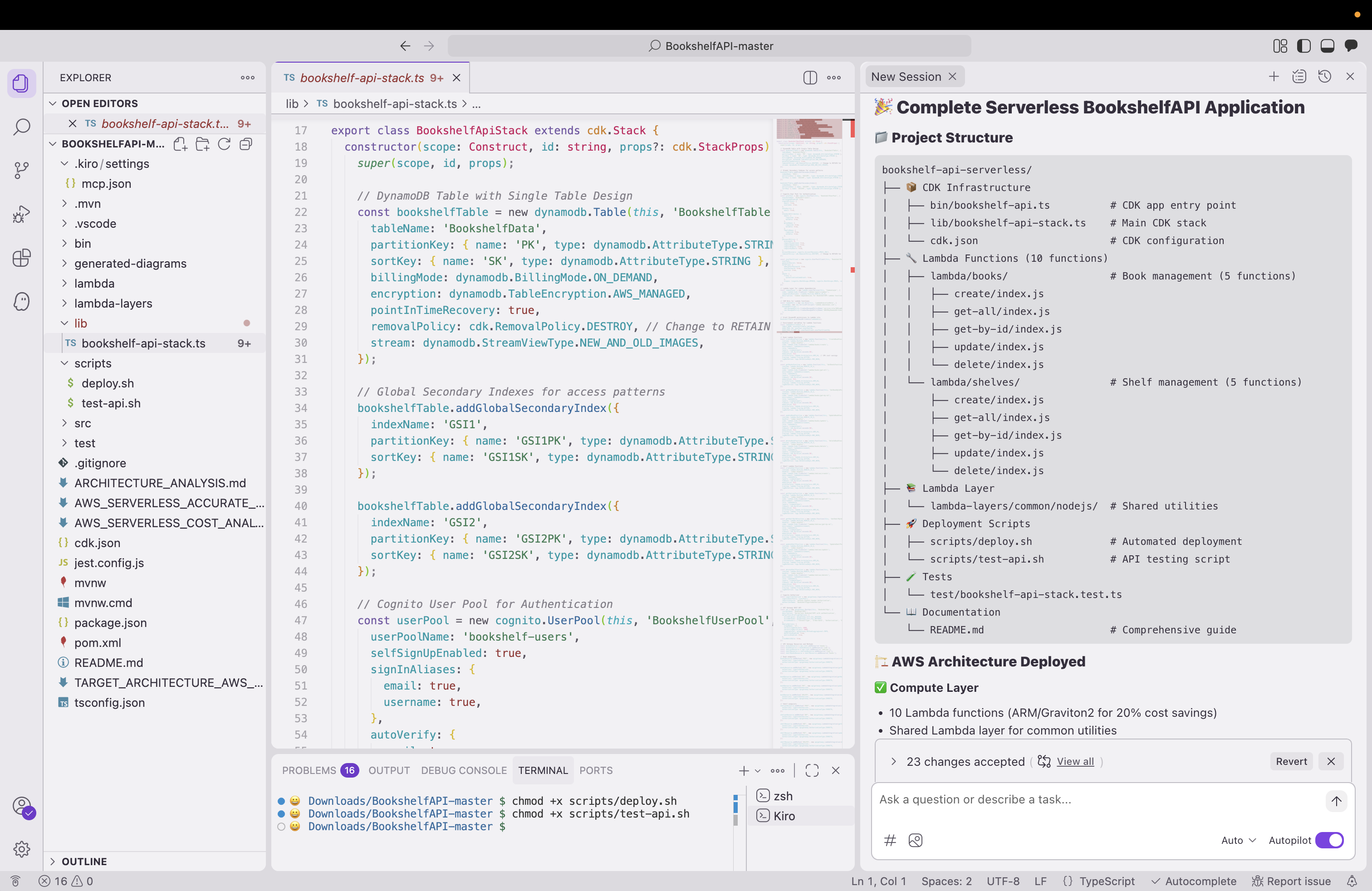
Figure 7 – Target state architecture code and CDK generated within Kiro
Leveraging Official AWS MCP Servers
The integration with official AWS MCP servers provides Kiro with comprehensive access to AWS capabilities and current best practices. The AWS MCP servers provide benefits above Foundation Models because they have access to the latest documentation and contain deep, contextual knowledge about AWS services. This integration enabling more accurate and helpful responses and ensures that all generated code and recommendations reflect current AWS service capabilities and limitations.
MCPs to Start With
These MCPs can help you in documenting current state architectures (including diagrams), and then designing target architectures along with diagrams, costs, code, and deployment.
Analysis phase
- core-mcp-server – provides a starting point for using AWS MCP servers through a dynamic proxy server strategy based on role-based environment variables.
- code-doc-gen-mcp-server – analyzes repository structure and generates detailed documentation for code projects
- aws-diagram-mcp-server – creates diagrams using the Python diagrams package DSL. This server allows you to generate AWS diagrams, sequence diagrams, flow diagrams, and class diagrams using Python code
Planning phase
- aws-documentation-mcp-server – provides tools to access AWS documentation, search for content, and get recommendations
- aws-knowledge-mcp-server – provides up-to-date documentation, code samples, and other official AWS content
- aws-pricing-mcp-server – accessing real-time AWS pricing information and providing cost analysis capabilities
Generation phase
- cdk-mcp-server – Cloud Development Kit (CDK) best practices, infrastructure as code patterns, and security compliance with CDK Nag
- terraform-mcp-server – Terraform on AWS best practices, infrastructure as code patterns, and security compliance with Checkov
Infrastructure as Code generation benefits from dedicated MCP servers for CDK, Terraform, and CloudFormation workflows. These specialized servers provide security scanning and compliance checking to ensure that generated infrastructure code meets enterprise security standards. The integration also enables real-time validation of infrastructure designs against AWS service limits and regional availability.
Container and serverless modernization scenarios leverage specialized MCP servers for EKS, ECS, and AWS Serverless Application Model workflows. These integrations provide extensive support for containerization strategies and serverless adoption patterns while ensuring that generated solutions follow AWS best practices for each deployment model.
Setting Up Your AI Assistant with AWS MCPs
Configuring Kiro with AWS MCPs
For more details on configuring MCPs within Kiro read, Introducing remote MCP servers.
Kiro integrates with AWS MCPs through its built-in MCP configuration system within the IDE. To set up Kiro with AWS MCP servers:
- Configure AWS Credentials: Ensure your AWS credentials are properly configured in your development environment through the IDE’s settings or environment variables.
- Add MCP Servers: In Kiro IDE, you can configure MCP servers through multiple methods:
- Workspace Configuration: Create or edit .kiro/settings/mcp.json in your workspace
- User Configuration: Use the global settings at ~/.kiro/settings/mcp.json
- IDE Interface: Use the MCP configuration panel in the Kiro IDE settings
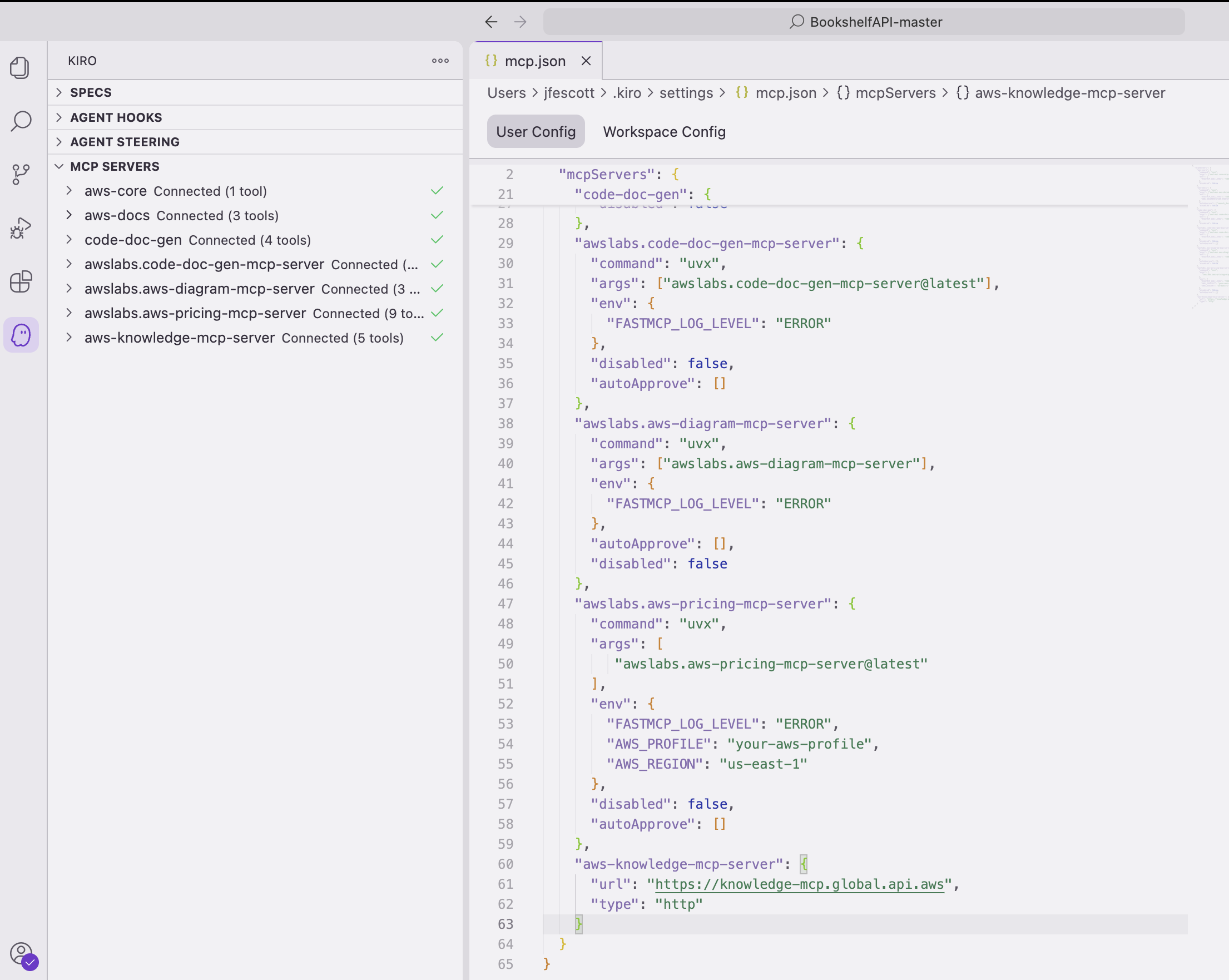
Figure 8 – MCP configuration panel and JSON with Kiro
Example workspace configuration:
{
  "mcpServers": {
    "aws-core": {
      "command": "uvx",
      "args": ["awslabs.core-mcp-server@latest"],
      "env": {
        "FASTMCP_LOG_LEVEL": "ERROR"
      },
      "disabled": false
    },
    "aws-docs": {
      "command": "uvx",
      "args": ["awslabs.aws-documentation-mcp-server@latest"],
      "env": {
        "FASTMCP_LOG_LEVEL": "ERROR",
        "AWS_DOCUMENTATION_PARTITION": "aws"
      },
      "autoApprove": ["search_documentation"],
      "disabled": false
    },
    "awslabs.aws-pricing-mcp-server": {
      "command": "uvx",
      "args": ["awslabs.aws-pricing-mcp-server@latest"],
      "env": {
        "FASTMCP_LOG_LEVEL": "ERROR",
        "AWS_PROFILE": "default",
        "AWS_REGION": "us-east-1"
      }
    }
  }
}
** Please note for aws-pricing-mcp-server, the AWS_PROFILE variable must be defined **
- Access MCP Tools: Within Kiro IDE, you can:
- View available MCP servers in the integrated MCP panel
- Use MCP tools directly through the AI chat interface
- Browse MCP server status and reconnect servers as needed
- Auto-approve specific tools to streamline workflows
- Verify Integration: Ask Kiro in the chat interface:
Kiro IDE provides several advantages for AWS-focused modernization:
- Integrated development environment with contextual AI assistance
- Visual MCP server management and monitoring
- Seamless integration between code editing and AWS service interactions
- Built-in support for Infrastructure as Code with real-time validation
- Comprehensive IDE workflow that combines development, documentation, and deployment
Configuring Cline with AWS MCPs
You can add MCP servers to Cline in VS Code via the file cline_mcp_settings.json. The cline_mcp_settings.json file is located at:
- macOS: ~/Library/Application Support/Code/User/globalStorage/saoudrizwan.claude-dev/settings/
- Windows: %APPDATA%/Code/User/globalStorage/saoudrizwan.claude-dev/settings/
The same workspace configuration json shown above will work with Cline.
Benefits of Agentic Architecture Modernization
The adoption of agentic architecture approaches delivers tangible improvements across multiple dimensions of modernization projects. Organizations implementing these methodologies experience enhanced efficiency, reduced risk, and improved outcomes throughout their cloud transformation initiatives. The following sections detail the specific benefits and measurable impacts that organizations can expect when leveraging AI-powered development assistants integrated with AWS MCP servers.
Measurable Business Value
Organizations implementing agentic architecture approaches report improvements in modernization project outcomes. Assessment timelines reduce from weeks to days, enabling faster decision-making and project initiation. The quality and consistency of generated documentation exceeds manual approaches while requiring minimal human oversight.
Cost optimization becomes an integral part of the design process rather than a post-implementation consideration. Real-time cost modeling during architecture design enables teams to make informed trade-offs between performance and cost before implementation begins. Automated right-sizing recommendations help organizations avoid both overbuilding a solution which can lead to over-provisioning infrastructure.
Risk mitigation improves through consistent application of AWS best practices and automated security compliance checking. The detailed documentation generated throughout the process supports audit requirements and provides valuable reference material for ongoing maintenance and optimization efforts.
Quality Assurance and Standardization
Agentic architecture approaches deliver enhanced quality assurance through automated validation against the AWS Well-Architected Framework. Every generated architecture undergoes systematic evaluation across all six pillars of the framework, ensuring that modernized solutions meet enterprise standards for operational excellence, security, reliability, performance efficiency, and cost optimization.
Code quality analysis includes automated testing generation that provides comprehensive coverage for both infrastructure and application components. This automated testing approach ensures that modernized solutions maintain reliability while supporting continuous delivery practices essential for cloud-native operations.
Standardization across modernization projects becomes automatic as all solutions leverage the same AI assistant and AWS MCP server integrations. This consistency reduces operational complexity and enables teams to develop expertise with standardized patterns rather than managing diverse architectural approaches across different projects.
Implementation Strategy and Timeline
Successful adoption of agentic architecture approaches requires thoughtful implementation planning that balances automation benefits with organizational change management needs. Initial setup typically takes a few hours to configure Kiro with appropriate AWS MCP servers and establish necessary AWS credentials and permissions.
Pilot assessment phases provide valuable learning opportunities that validate AI-generated recommendations against organizational requirements and preferences. These pilot projects typically span two to three weeks and focus on representative applications that demonstrate the full range of modernization challenges faced by the organization.
Modernization design phases leverage lessons learned from pilot assessments to create comprehensive target architectures and implementation roadmaps. These phases typically require four to five weeks and include stakeholder review processes to ensure that generated recommendations align with business objectives and technical constraints.
Implementation phases vary based on application complexity and organizational readiness while typically show significant acceleration compared to traditional manual approaches. The production-ready assets generated by Kiro enable teams to focus on validation and customization rather than creating infrastructure code and deployment automation from scratch.
Future Considerations and Continuous Evolution
The agentic architecture approach represents an evolving methodology that will continue to improve as AI capabilities advance, and AWS services expand. Organizations adopting these approaches position themselves to benefit from ongoing improvements in AI-powered development assistance while establishing standardized processes that support long-term modernization success.
Integration with emerging AWS services and capabilities becomes automatic as MCP servers receive updates that reflect new service offerings and best practices. This continuous evolution ensures that modernization efforts remain current with AWS innovation while maintaining consistency with established organizational patterns and preferences.
The detailed documentation and standardized approaches established through agentic architecture modernization provide solid foundations for future optimization and expansion efforts. Organizations can leverage these assets to support ongoing cloud adoption initiatives while maintaining the quality and consistency which are essential for enterprise success.
Conclusion
The integration of AI-powered development assistants with official AWS tooling represents a fundamental transformation in how organizations approach cloud modernization challenges. By automating assessment, planning, and implementation phases, agentic architecture approaches deliver valuable outcomes while reducing project timelines and resource requirements.
Organizations that embrace these methodologies position themselves to accelerate their cloud adoption journeys while maintaining the quality and consistency essential for enterprise success. The combination of intelligent automation with AWS best practices creates a powerful framework for transforming legacy systems into modern, cloud-native architectures that support business growth and innovation.
The future of architecture modernization lies in the thoughtful integration of artificial intelligence with proven cloud platforms and practices. Organizations that invest in these capabilities today will establish competitive advantages that compound over time as AI capabilities continue to evolve and mature.
Call to Action
Start your Agentic Architecture journey today by setting up your preferred AI assistant with AWS MCP servers. Download Kiro or Cline, configure your AWS credentials, configure the MCP servers in the IDE, and launch your first modernization assessment on a representative legacy application. The initial setup takes just a few hours, and the insights gained will reshape your approach to modernization projects.