Halter scales farm management using AI on Amazon Bedrock
Learn how Halter, an AgriTech unicorn, built Clank, an AI agent using Claude on Amazon Bedrock, to automate DevOps tasks.
Overview
Managing livestock at scale requires always-on visibility into animal movement, health, and pasture conditions, placing pressure on engineering teams to maintain system reliability.
To address this, Halter built Clank, an AI agent on Amazon Bedrock using Anthropic Claude that automates incident response and routine engineering workflows. Clank investigates alerts, identifies root causes, and proposes code changes, reducing manual intervention.
Operating across more than 16,000 system alerts, Clank handles over 90 tasks each week and has reviewed more than 431 pull requests, accelerating issue resolution and how quickly code moves into production. This shifts engineering effort away from reacting to issues and toward improving the platform.
About Halter
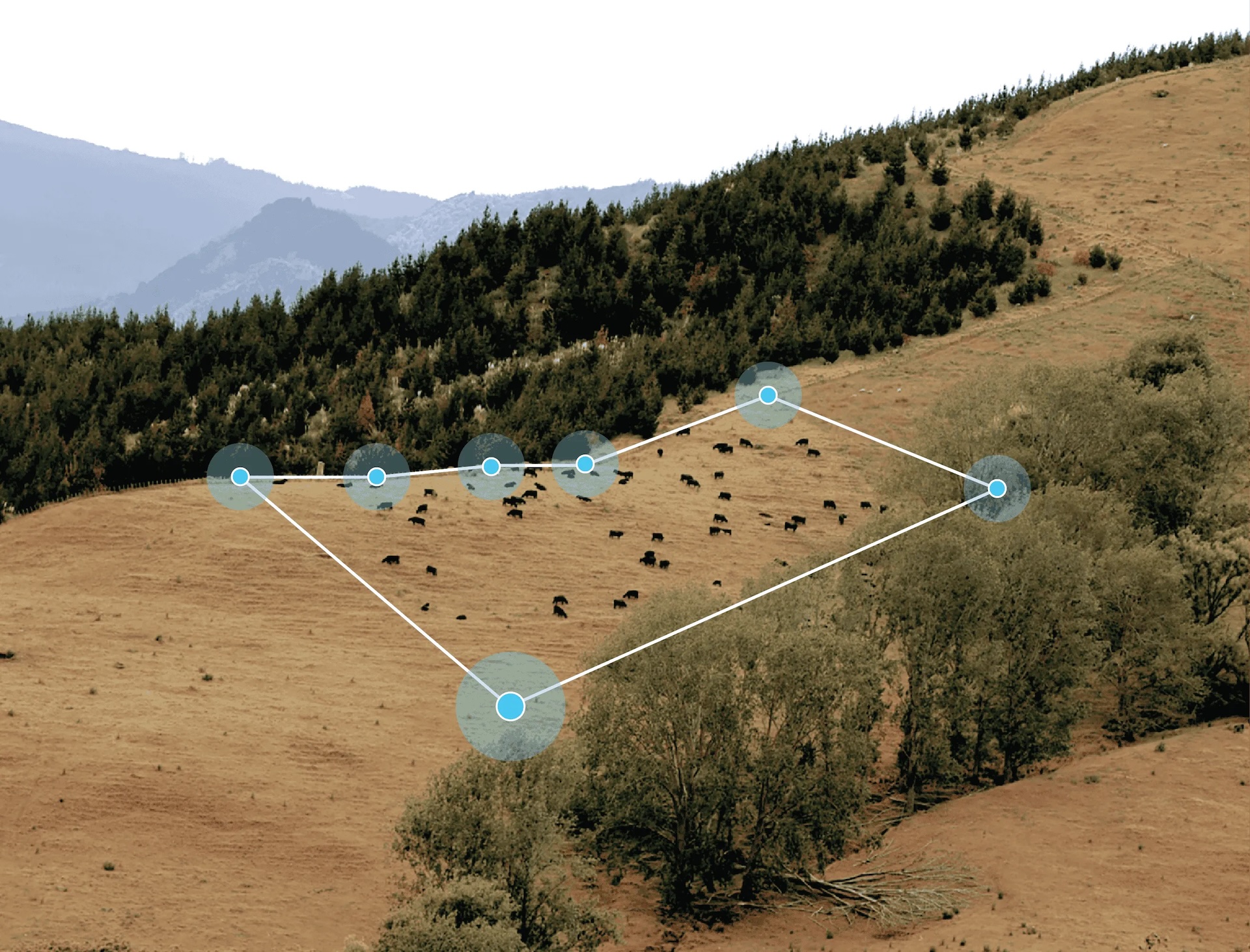
Halter provides connected collar technology that enables virtual fencing, remote herd movement, and real-time monitoring of livestock health and behavior. The company operates across New Zealand, Australia, and the United States.
Opportunity | Scaling connected farming without scaling engineering workload
More than 16,000 system alarms monitor every part of Halter’s platform—and engineers respond to over 40 alert tickets each day to keep it running reliably. Halter enables farmers to manage cattle remotely using GPS-enabled collars and a mobile app. As Kurt McAlpine, cloud architect at Halter, explains, “A farmer can shift their animals with the press of a button and get 24/7 monitoring of their animal well-being.”
As the platform scales across New Zealand, Australia, and the United States, the volume of alerts and operational data continues to grow, increasing the effort required to maintain system reliability. Engineers investigate alerts, tune thresholds, and perform root cause analysis daily, creating a significant operational burden. These repetitive workflows pull engineers away from developing ML models, advancing data analytics, and improving system architecture.
Halter set out to reduce the impact of these alert-driven workloads by automating routine investigation and engineering tasks, enabling teams to focus on building and improving core capabilities while maintaining the reliability required to support always-on farming operations. Antony Southworth, lead data engineer at Halter, says, “We have over 16,000 Amazon CloudWatch alerts monitoring every part of the system, and investigating and tuning those is a significant workload.”
Solution | Building Clank on Amazon Bedrock to automate engineering workflows
Halter, which has been running its platform on AWS from day one, built Clank, an autonomous AI agent that manages incident response and routine engineering tasks, reducing the need for manual intervention across its production systems. Clank integrates into existing workflows through tools such as Slack, GitHub, and Linear, where it listens for production alerts and user requests.
When an Amazon CloudWatch alert is triggered, the system initiates an automated workflow. Alerts are routed through webhooks, which launch ephemeral tasks on AWS Fargate using Amazon Elastic Container Service (Amazon ECS). Each task retrieves relevant logs and system data, then connects to Claude by Anthropic in Amazon Bedrock to analyze the issue.
The model evaluates logs, correlates events, and identifies root causes before generating a structured response. In many cases, Clank proposes code changes and opens pull requests for human review. In practice, this creates a continuous loop where production alarms trigger automated investigation workflows—spawning short-lived compute tasks that analyze logs, identify root causes, and propose fixes without manual intervention.
Using AWS Fargate for ephemeral execution ensures each investigation runs in an isolated environment and terminates after completion, reducing credential exposure and limiting access to production systems.
Within this architecture, Amazon Bedrock plays a central role. Halter requires consistent performance for autonomous workflows operating on production systems, and Amazon Bedrock provides the reliability needed for continuous operation. Its data privacy design also ensures that sensitive production data, such as logs and infrastructure context, is not used to trainp underlying models.
Southworth explains, “By automating alarm investigation, threshold tuning, and pull request reviews, Clank reduces manual intervention while maintaining oversight, enabling engineers to resolve incidents faster while maintaining control over changes in production.”
Outcome | Automating 90+ tasks per week to accelerate incident resolution
With Clank, incident response is largely automated. When a production alert is triggered, the system initiates and completes investigations automatically. In many cases, Clank generates a code change before an engineer begins their workday, allowing teams to review and approve changes rather than start from scratch. McAlpine says, “Before Clank, if an alert fired in the middle of the night, an engineer would wake up and spend hours investigating logs and trying to find the root cause. Now, by the time they wake up, Clank has already done that work—identifying the issue and generating a code change ready for review.”
This shift has delivered measurable results. Clank now operates at scale across Halter’s engineering workflows, supporting more than 16,000 monitored system checks and handling over 90 tasks each week through Slack-based workflows. Its impact is visible across development activity. Over an 11-week period, Clank reviewed more than 431 pull requests across 39 repositories, with 82 percent merged, and contributed to over 2,500 co-authored commits. This has significantly reduced the time engineers spend reviewing and implementing changes, saving up to 215 hours of manual effort in just three months. Clank is also accelerating how quickly work is completed. The median time for an AI-generated code change to be reviewed and merged is just 48 minutes, enabling faster resolution of issues and more efficient development cycles.
Beyond engineering efficiency, the impact extends to the farmers who rely on Halter’s platform. In one example, a farmer relocated overseas while continuing to manage operations remotely using Halter’s system. By reducing the time engineers spend responding to incidents, Clank helps ensure the platform
remains reliable, allowing farmers to manage herds with confidence.
McAlpine says, “With Halter, farmers no longer need to be out on the farm at 4 a.m. to move animals. They can manage their operations remotely and spend more time focusing on their business and their families.” Halter continues to expand into new markets, with plans to extend Clank’s capabilities by integrating additional data sources, improving accuracy, and supporting more autonomous workflows. As these capabilities evolve, Clank is already reshaping how Halter builds and operates software, enabling faster innovation, more autonomous systems, and new ways of supporting farmers at scale.
Before Clank, if an alert fired in the middle of the night, an engineer would wake up and spend hours investigating logs and trying to find the root cause. Now, by the time they wake up, that work has already been done, with a code change ready for review.
Kurt McAlpine
Cloud Architect at HalterAWS Services Used
Did you find what you were looking for today?
Let us know so we can improve the quality of the content on our pages