AWS Sustainability
Empower your sustainability strategy on AWS
Accelerate your sustainability goals with AWS
Why AWS Sustainability?
AWS relentlessly innovates its infrastructure design, build, and operations to make progress towards net-zero carbon by 2040 and being water positive by 2030.
AWS provides best practices and technical guidance to optimize workloads for carbon and cost reduction.
AWS provides solutions to help customers innovate to achieve their sustainability goals and unlock new revenue potential.
Sustainability across AWS
At AWS, we are committed to reducing our environmental impact and continue to make progress toward net-zero carbon by 2040, water positive by 2030, and reducing waste.
Efficient infrastructure by design: water and energy performance
At AWS, we focus on efficiency across all aspects of our infrastructure, from the design of our data centers and hardware, to modeling the performance of our operations for continually enhanced efficiency. The water-energy balance refers to the tight link between water and energy usage. In the cloud, this balance represents how AWS designs energy-efficient systems while minimizing water consumption and actively working to return more water to nature.
PUE is a measure of data center efficiency. A lower PUE indicates a more efficient data center and a PUE score of 1.0 is perfect. In 2025, our data centers reported an average global PUE of 1.14 which is an improvement compared to 1.15 reported in 2024.
WUE is a data center efficiency metric that measures the volume of water withdrawn per kWh of IT load within a data center. AWS works to minimize water use by using real-time data to identify leaks, leveraging on-site treatment technologies, fine-tuning mechanical cooling operational settings, and utilizing thousands of sensors to detect anomalies to alert operators of inefficiencies. These efforts have helped AWS achieve a global data center WUE of 0.12 liters of water withdrawn per kilowatt-hour of IT Load (L/kWh) in 2025, a 20% improvement from 2024 and a 52% improvement since 2021.

Transitioning to carbon-free energy
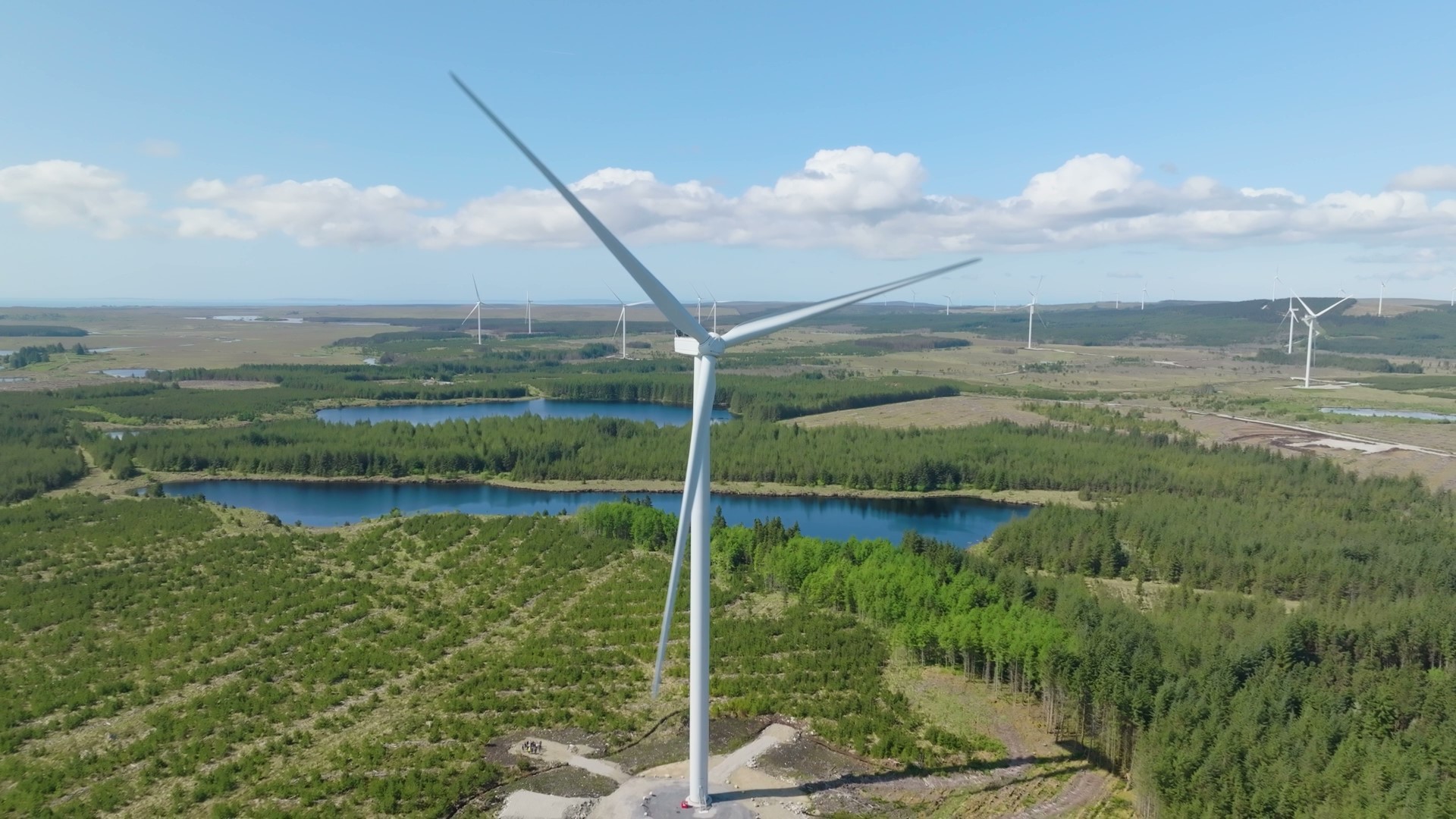
Amazon is investing billions of dollars in nuclear, battery storage, and renewable energy projects around the world that can help power our operations and build a more resilient energy future for all.
-
Largest carbon-free energy portfolio of any corporation globally.
-
700+ carbon-free energy projects worldwide, with the capacity to generate 40+ gigawatts of electricity.
-
Europe’s largest corporate purchaser of carbon-free energy with over 260 European projects, enabling more than 10 gigawatts of carbon-free energy, which is enough to power more than 8 million European and UK households annually.
-
In Australia, Amazon recently announced its biggest renewable energy investment in the country yet— nine new power purchase agreements that will add 430 megawatts of clean energy to the grid and bring the company's total renewable capacity to nearly 1 gigawatt once fully operational.
Increasing circularity across our operations
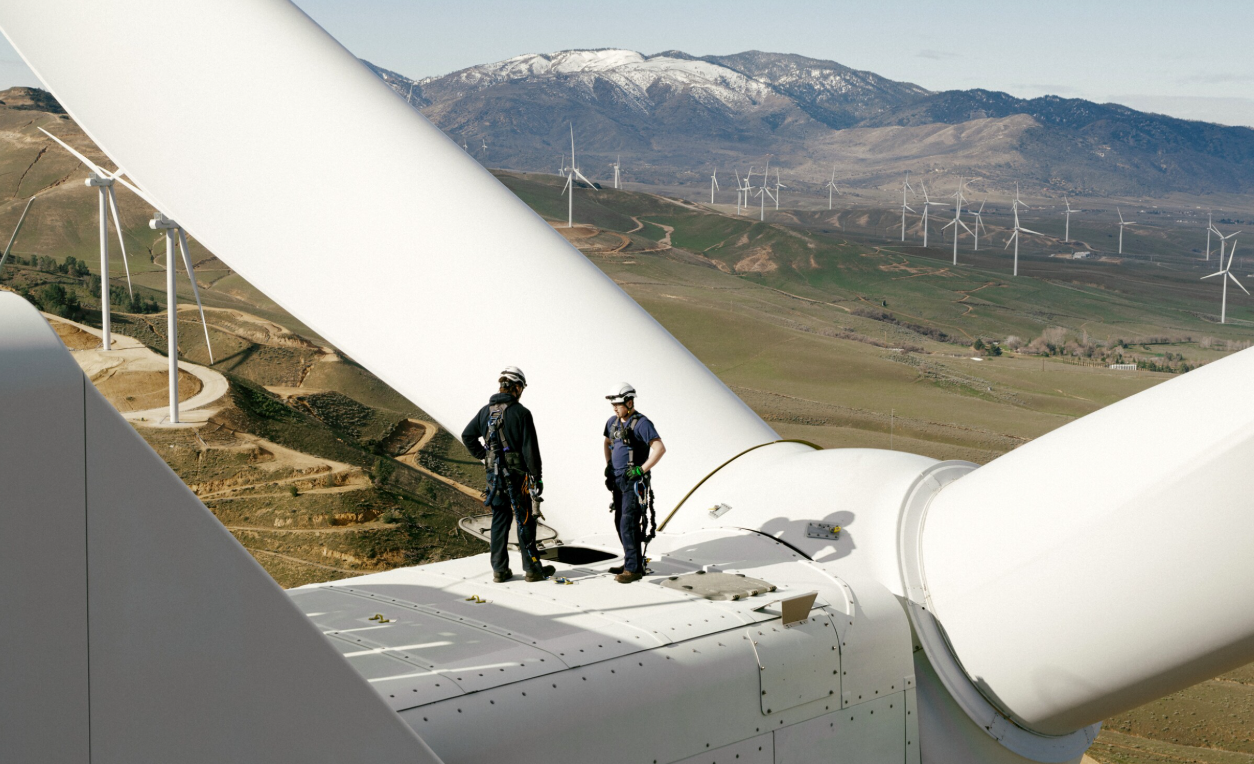
AWS embraces three core circular economy principles; design better, operate longer and recover more. By working to maximize resource value for as long as possible, AWS reduces waste generation from its global operations, decreases the use of raw materials, and reduces carbon emissions across its supply chain.
AWS progress towards water positive
AWS prioritizes responsible water use, using only what we need, managing it efficiently, and standing up water replenishment projects that restore water to the communities where we operate. AWS is committed to being water positive by 2030 and in 2025 was 75% toward this goal in 2025, up from 53% in 2024.

Reports and Recognition
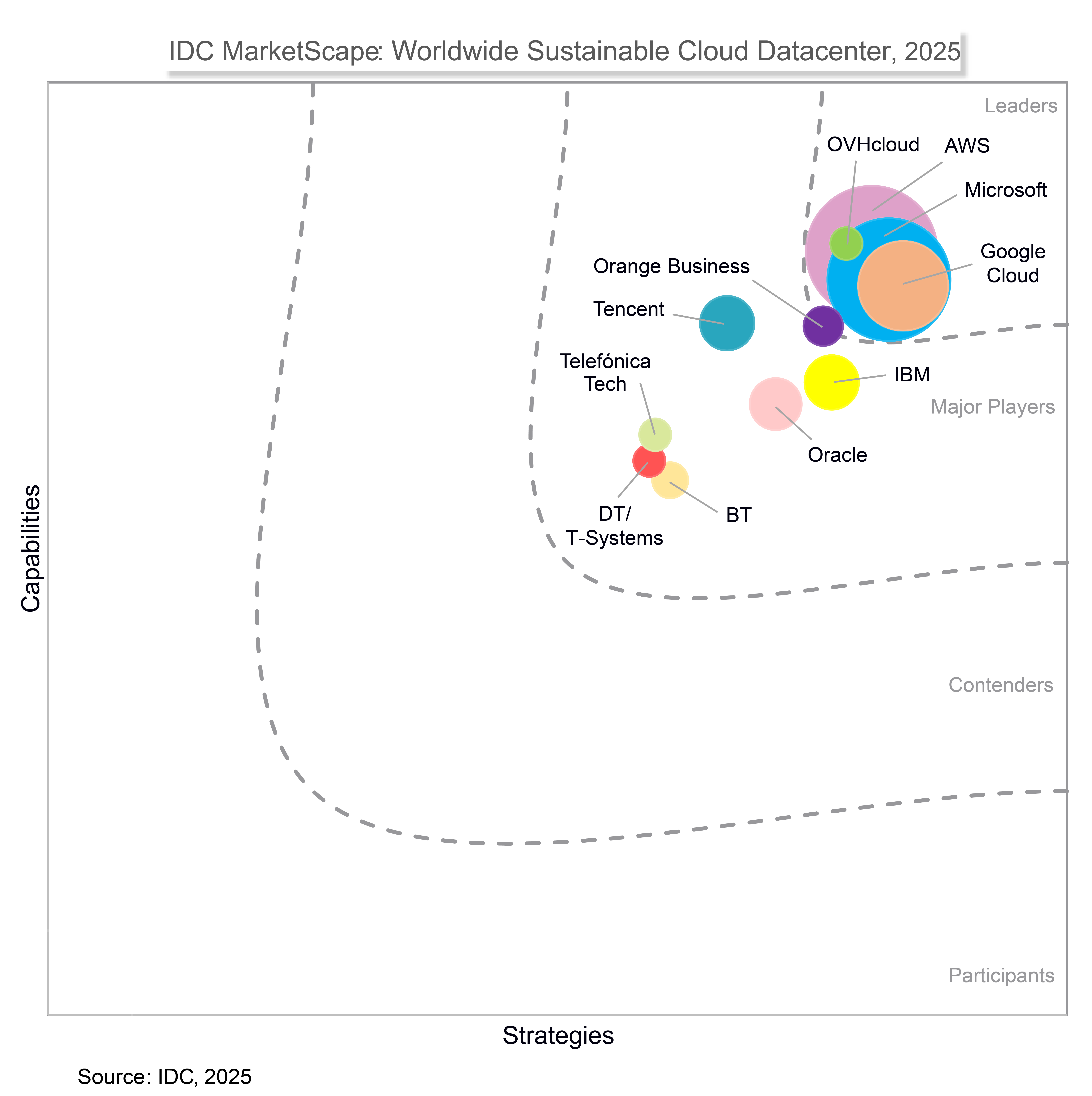
AWS named a Leader in 2025 IDC MarketScape Vendor Assessment
AWS named a Leader in 2025 IDC MarketScape for Worldwide Sustainable Cloud Datacenter Vendor Assessment
As organizations accelerate their cloud adoption and AI initiatives, choosing the right cloud provider that offers sustainable infrastructure is critical for business success. According to IDC, sustainable cloud data.
Learn why AWS was named as a Leader in Sustainable Cloud Data Centers by IDC
EcoVadis Sustainability
In 2025, AWS scored in the Top 5% of the Data Processing, Hosting and Related Activities industry, earning an overall score of 73, placing us in the 88th percentile and achieving a Silver Medal. AWS scored above the industry average across all categories including Environment, Sustainable Procurement, Labor & Human Rights and Ethics. This rating reflects AWS commitment to sustainable business practices.
Strategic alliances to promote a more sustainable future
Semiconductor Climate Consortium
AWS engages with our suppliers across the semiconductor and electronics manufacturing industries to set emission reductions roadmaps and to increase the adoption of carbon-free electricity. AWS is also a member of SEMI’s Semiconductor Climate Consortium (SCC) and worked to increase access to carbon-free power and decarbonization standards and tools for the semiconductor industry.
Beyond the Megawatt
Amazon is helping scale results-oriented clean energy procurement strategies that put energy grid resiliency and environmental protection at the forefront of solar and wind transactions. Amazon is a founding member and active participant in Beyond the Megawatt—an initiative from the Clean Energy Buyers Association (CEBA).