Containers

Author: Nathan Peck
Developer advocate for serverless containers at Amazon Web Services, working on Amazon Elastic Container Service and AWS Fargate. Likes building startup architecture and microservices.

Amazon ECS enables easier EC2 capacity management, with managed instance draining
Introduction Amazon Elastic Container Service (ECS) deploys and manages your containerized tasks on AWS infrastructure. Customers can avoid the need to maintain compute instances by using Amazon ECS to deploy tasks on serverless AWS Fargate capacity. But some customers prefer to use Amazon ECS with Amazon Elastic Compute Cloud (Amazon EC2) as capacity. Using Amazon […]

A deep dive into Amazon ECS task health and task replacement
Introduction Amazon Elastic Container Service (Amazon ECS) is a container orchestration service that manages the lifecycle of billions of application containers on AWS every week. One of the core goals of Amazon ECS is to remove overhead burden from human operators. Amazon ECS watches over your application containers 24/7, and can respond to unexpected changes […]

Improvements to Amazon ECS task launch behavior when tasks have prolonged shutdown
Amazon Elastic Container Service (Amazon ECS) now launches tasks faster on container instances that are running tasks that have a prolonged shutdown period. This enables customers to scale their workloads faster and improve infrastructure utilization. About Amazon ECS scheduling Amazon ECS is a container orchestrator that’s designed to be able to launch and track application […]

Migrating Fargate service quotas to vCPU-based quotas
Note: The dates in the migration timeline have been updated as of October 11, 2022. Since the launch of AWS Fargate in 2017, we have steadily increased the quota on various concurrent Amazon Elastic Container Service (Amazon ECS) tasks and Amazon Elastic Kubernetes Service (Amazon EKS) pods that can be launched: 2017: 20 on-demand tasks […]

Under the hood: Amazon Elastic Container Service and AWS Fargate increase task launch rates
Since 2015, hundreds of thousands of developers have chosen Amazon Elastic Container Service (Amazon ECS) as their orchestration service for cluster management. Developers trust Amazon ECS with the lifecycle of their mission-critical applications, from initial deployment to rolling out new versions of their code and autoscaling in response to changing traffic levels. Alongside these long-lived application tasks, Amazon […]
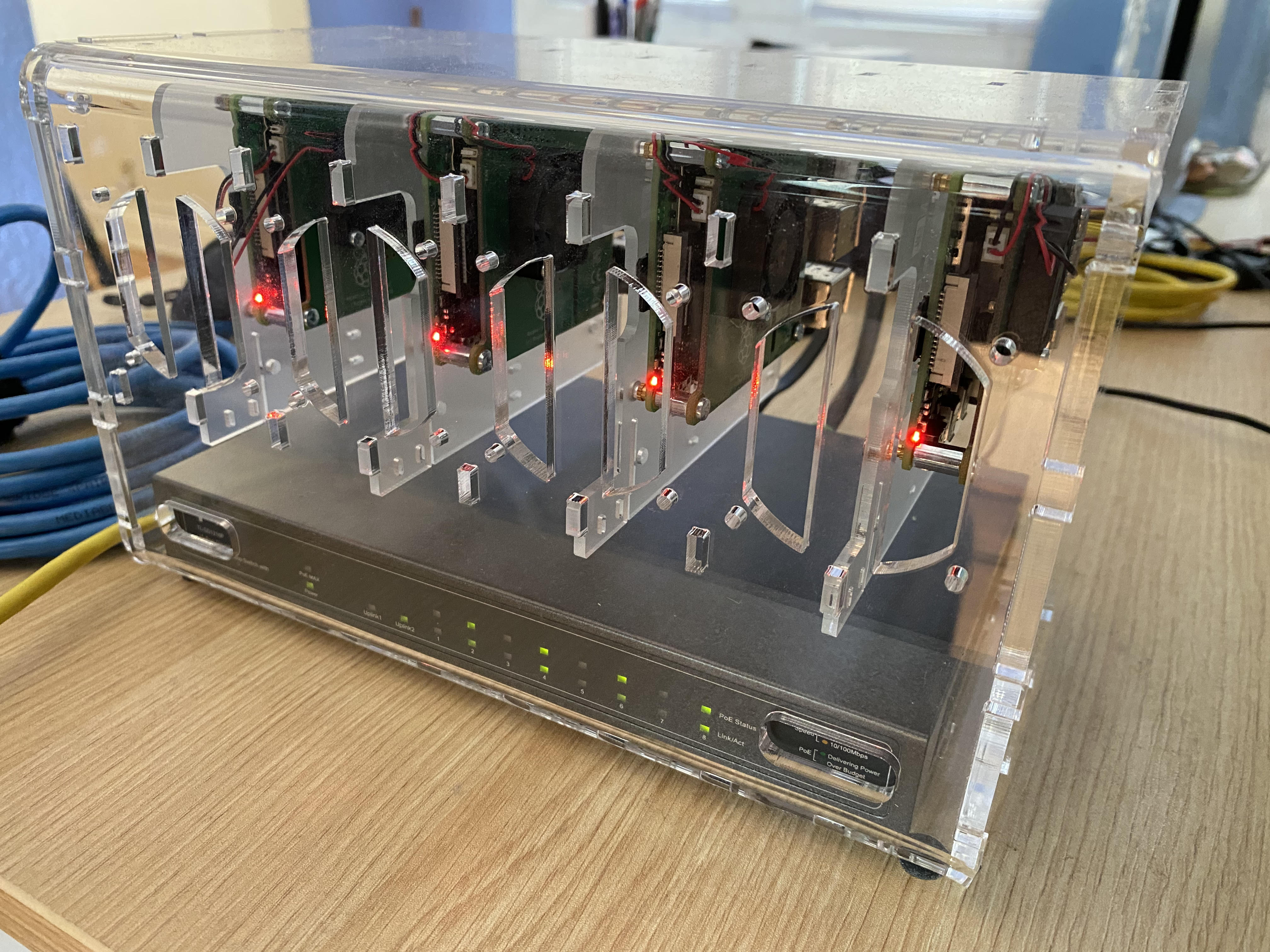
Building an Amazon ECS Anywhere home lab with Amazon VPC network connectivity
Since 2014, Amazon Elastic Container Service (Amazon ECS) has helped AWS customers orchestrate containerized application deployments across a wide range of different compute environments. Initially, Amazon ECS could only be used with AWS managed compute hardware, such as Amazon Elastic Compute Cloud (Amazon EC2) instances, AWS Fargate, AWS Wavelength, and AWS Outposts. With the general […]

Connecting to an interactive shell on your containers running in AWS Fargate using AWS Copilot
Since AWS Fargate launched in 2017 many developers have adopted the serverless compute model for containers. Instead of managing EC2 instances to run their containers, these developers are able to think of scaling in terms of container size and container count. Over time AWS Fargate has gained more and more features that make it capable […]

AWS Copilot is now generally available
Since Amazon ECS became generally available in 2015, one recurring theme we have heard from developers is that they want even easier ways to launch their applications as containers in the cloud. We started out offering a simple way to launch and monitor containers across a fleet of EC2 instances without needing to operate or […]

Announcing the General Availability of Amazon ECS Service Extensions for AWS CDK
NOTICE: October 04, 2024 – This post no longer reflects the best guidance for configuring a service mesh with Amazon ECS and its examples no longer work as shown. Please refer to newer content on Amazon ECS Service Connect. ——– In late 2018, we first shared an introduction to using AWS Cloud Development Kit with […]

Automatically deploying your container application with AWS Copilot
AWS Copilot CLI will reach end-of-support on May 22, 2026. After this date, the tool will no longer receive updates, security patches, or technical support. Taking an application from idea to working implementation that people can interact with is a multistep process. Once the design is locked in and the code is written, the next […]