AWS Architecture Blog

Author: Anton Aleksandrov
Anton is a Principal Solutions Architect for agentic AI and serverless architectures. Having over two decades of hands-on engineering and architecture experience, Anton works with major ISV and SaaS customers to design highly scalable, innovative, and secure cloud solutions.
Building a serverless AI assistant at Pelago: concept to care in two weeks
Healthcare organizations face a critical scaling challenge – how to maintain deeply personalized patient interactions as member bases grow, without overwhelming care teams or compromising quality. At Pelago, a digital health company specializing in substance use disorder support, the engineering team found a way to build an AI-powered solution to address this challenge using AWS […]
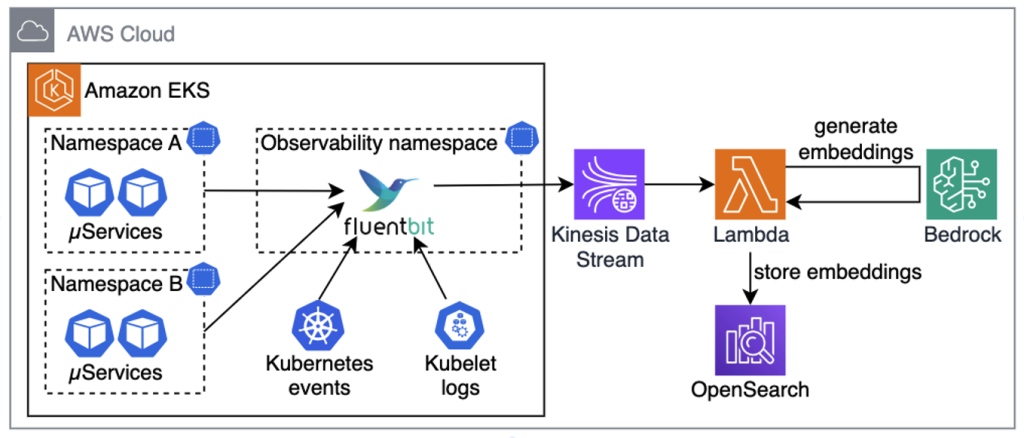
Architecting conversational observability for cloud applications
In this post, we walk through building a generative AI–powered troubleshooting assistant for Kubernetes. The goal is to give engineers a faster, self-service way to diagnose and resolve cluster issues, cut down Mean Time to Recovery (MTTR), and reduce the cycles experts spend finding the root cause of issues in complex distributed systems.
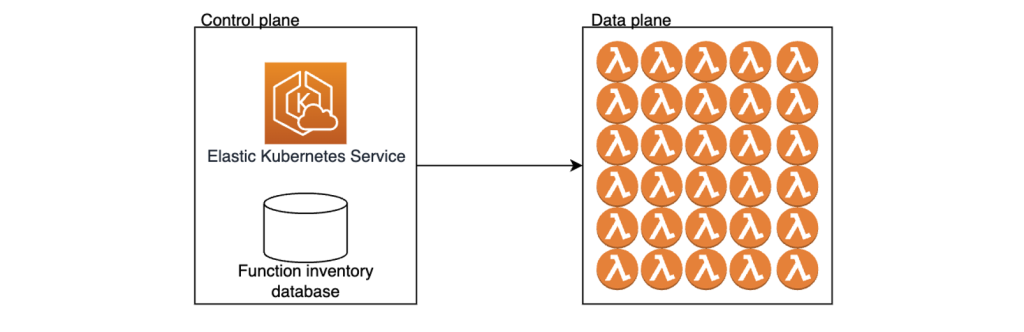
How Zapier runs isolated tasks on AWS Lambda and upgrades functions at scale
In this post, you’ll learn how Zapier has built their serverless architecture focusing on three key aspects: using Lambda functions to build isolated Zaps, operating over a hundred thousand Lambda functions through Zapier’s control plane infrastructure, and enhancing security posture while reducing maintenance efforts by introducing automated function upgrades and cleanup workflows into their platform architecture.

How Launchpad from Pega enables secure SaaS extensibility with AWS Lambda
In this post, we share how Pegasystems (Pega) built Launchpad, its new SaaS development platform, to solve a core challenge in multi-tenant environments: enabling secure customer customization. By running tenant code in isolated environments with AWS Lambda, Launchpad offers its customers a secure, scalable foundation, eliminating the need for bespoke code customizations.

How Smartsheet reduced latency and optimized costs in their serverless architecture
In this post, we discuss Smartsheet’s journey optimizing its serverless architecture. We explore the solution, the stringent requirements Smartsheet faced, and how they’ve achieved an over 80% latency reduction. This technical journey offers valuable insights for organizations looking to enhance their serverless architectures with proven enterprise-grade optimization techniques.

How CyberArk is streamlining serverless governance by codifying architectural blueprints
This post was co-written with Ran Isenberg, Principal Software Architect at CyberArk and an AWS Serverless Hero. Serverless architectures enable agility and simplified cloud resource management. Organizations embracing serverless architectures build robust, distributed cloud applications. As organizations grow and the number of development teams increases, maintaining architectural consistency, standardization, and governance across projects becomes crucial. […]