AWS Database Blog
Category: RDS for SQL Server

Migrating to Amazon RDS for SQL Server using transactional replication with native backup and restore: Part 3
If you have large mission-critical workloads running on an on-premises Microsoft SQL Server database, you may be looking for ways to migrate to AWS with minimal to near-zero downtime. In this post, we show you a solution for migrating your on-premises SQL Server database to Amazon Relational Database (Amazon RDS) for SQL Server using the […]

Improve native backup and restore performance in Amazon RDS for SQL Server
Amazon Relational Database Service (Amazon RDS) for SQL Server makes it easy to set up, operate, and scale SQL Server deployments in the cloud. As a fully managed database service, Amazon RDS for SQL Server takes automated backups of your DB instance during the backup window. If required, you can restore your DB instance to […]

Managed disaster recovery with Amazon RDS for SQL Server using cross-Region automated backups
Amazon Relational Database Service (Amazon RDS) for SQL Server now supports managed disaster recovery (DR) using Amazon RDS cross-Region automated backups. This feature extends the existing Amazon RDS backup functionality, giving you the ability to set up automatic replication of system snapshots and transaction logs from a primary AWS Region to a secondary Region. The […]

Modify an Amazon RDS for SQL Server instance from Standard Edition to Enterprise Edition
July 2023: This post was reviewed for accuracy. Microsoft SQL Server is available in various editions, and each edition brings unique features, performance, and pricing options. The edition that you install also depends on your specific requirements. Many of our customers want to change from the Standard Edition of Amazon Relational Database Service (Amazon RDS) […]

Monitor deadlocks in Amazon RDS for SQL Server and set notifications using Amazon CloudWatch
July 2023: This post was reviewed for accuracy. Monitoring SQL Server is an essential aspect of any relational database management system (RDBMS) when dealing with performance problems. Many of our customers want to capture certain systems and user-defined events for monitoring and troubleshooting problems related to SQL Server. SQL Server logs these events in SQL […]
Set up Extended Events in Amazon RDS for SQL Server
Amazon Relational Database Service (Amazon RDS) for SQL Server now supports Extended Events. Extended Events (XEvents) is a lightweight performance monitoring system that enables you to collect data to monitor and troubleshoot problems in SQL Server. Extended Events is automatically enabled for users with primary user privileges in Amazon RDS for SQL Server. This post […]

Migrate SQL Server Reporting Services content to Amazon RDS for SQL Server
If you are looking to move your Microsoft SQL Server Reporting Services (SSRS) workloads to Amazon Relational Database Service (Amazon RDS) for SQL Server , you will need to migrate your existing reports and SSRS content before you can start running your workloads. In Amazon RDS for SQL Server, just lifting and shifting an existing […]
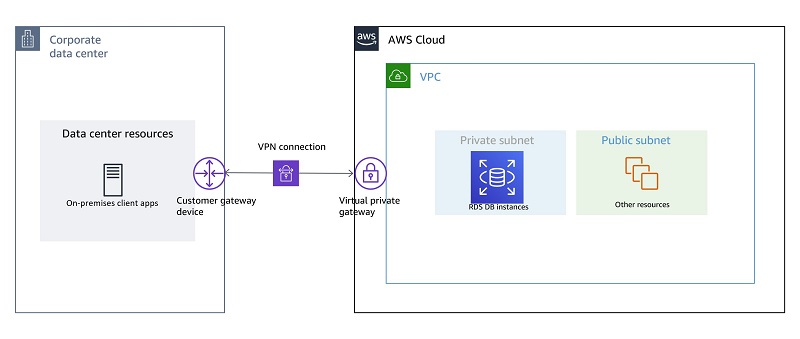
Using Amazon RDS for SQL Server in a hybrid cloud environment
A common use case in an enterprise cloud database adoption strategy is to move your database workloads to the cloud first, while slowly moving the rest of your applications in batches. This post looks into the various possible scenarios and configurations you can use when accessing an Amazon Relational Database Service (Amazon RDS) for SQL […]

Migrating SQL Server databases from Microsoft Azure to AWS in near-real time with CloudBasic
There are multiple ways to migrate SQL Server databases hosted in Microsoft Azure into Amazon Relational Database Service (Amazon RDS) for SQL Server. For use cases such as migrating from SQL Server on an Azure virtual machine to Amazon RDS for SQL Server or SQL on Amazon Elastic Compute Cloud (Amazon EC2), you can use […]
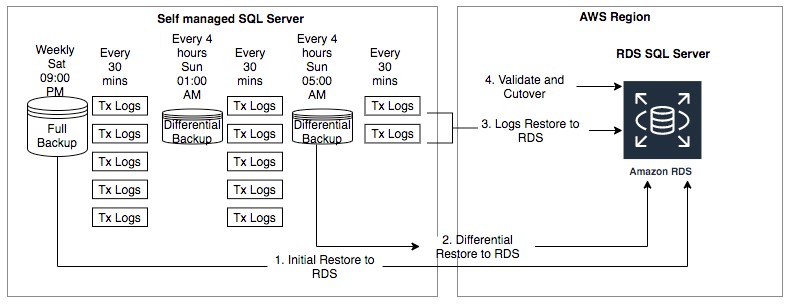
Migrating SQL Server to Amazon RDS using native backup and restore
September 2025: This post was reviewed for accuracy. Running Microsoft SQL Server on Amazon Relational Database Service (Amazon RDS) automates time-consuming administration tasks such as installation, disk provisioning and management, patching, minor and major version upgrades, and backup and recovery of your SQL Server databases. Amazon RDS also offers high availability using a Multi-AZ solution, […]