AWS for Industries
The Luggage Lab: Accelerate product innovation with AWS generative AI services
The advantage of moving quickly
Traditional product development cycles spanning 6 to 18 months prevent businesses from capitalizing on emerging trends, shifting customer preferences, and real-time feedback. And that can result in missed revenue opportunities, eroding customer loyalty, and slower competitive response. In a market where speed drives sales and retention, the inability to iterate quickly means falling behind on the innovations that keep customers coming back. What if there was a quicker way to innovate and deliver products to customers?
At the 2026 National Retail Federation Big Show, AWS showcased a proven path to staying ahead of consumer expectations — from compressing innovation cycles to delivering the personalized experiences that drive loyalty.
Rethinking how fast you can bring products to market
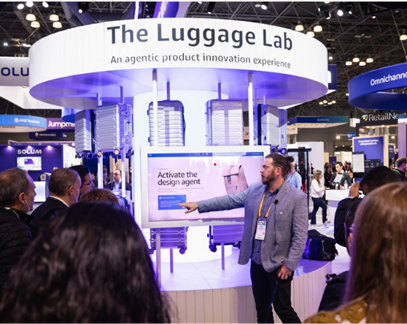
Figure 1: The Luggage Lab demonstration at NRF 2026
The Luggage Lab showcased how AI agents can support each step of the product development lifecycle, compressing timelines from months to weeks. While we used a fictitious luggage company as our demonstration scenario, the underlying AWS services and AI agent framework work across any retail, consumer goods, restaurant, or manufacturing vertical.
Companies can now respond to customer feedback and market trends in real-time, bringing products to market while demand is still strong and relevant. The Luggage Lab isn’t a future concept—the AI agent framework demonstrated is available on AWS today, ready for customers to adapt to their specific product development workflows and market requirements.
What The Luggage Lab demonstrates
The Luggage Lab was designed to help product managers and innovators within a company by using a coordinated set of AI agents which use prompting and available industry data to accelerate time-to-market. The solution pairs human expertise—the business and industry knowledge your employees bring—with generative AI’s capacity to process and analyze large volumes of unstructured data. By combining human expertise with AI capabilities, businesses can make faster, more informed decisions throughout the product development process.
We structured The Luggage Lab around three distinct phases of the product innovation lifecycle: Research, Design, and Manufacturing. Each phase features dedicated AI agents that guide users through specific tasks and decisions. This phased approach ensures that AI support is contextually relevant at each stage, providing the right insights and recommendations when teams need them most. The result is a streamlined workflow that maintains the quality and rigor of traditional product development while dramatically reducing cycle times.
Each phase uses a “Human in the Loop” approach, where a human expert periodically guides the system and builds grounded context for subsequent agents. While full automation is possible, this approach gives experts the opportunity to course-correct along the way.
Research agent
Researching your customers’ interests and needs is an important early step in product innovation. Data drives the process. Market conditions, organizational positioning, leadership vision, and public sentiment point toward the right priorities—and cut out wasted effort. The research agent provides access to this data and helps you sift through to analyze trends and suggest effective paths forward.
In this demo, you are in the driver’s seat. You can ask the research agent a series of questions that build on one another to set your innovation context.
For example, you start by asking for recommended business strategies. The agent searches available data and replies with options for how you could approach an upcoming market opportunity as seen below in Figure 2. As an operator, you choose a starting strategy.
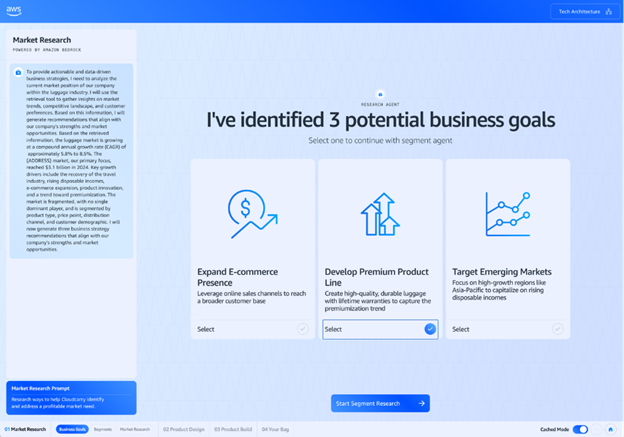
Figure 2: Market research yields potential business goals
Next, you can ask for recommended target markets. The agent searches the available data with the context of your chosen business strategy and replies with options on markets where you can focus your brand. Figure 3 shows the list of potential segments.
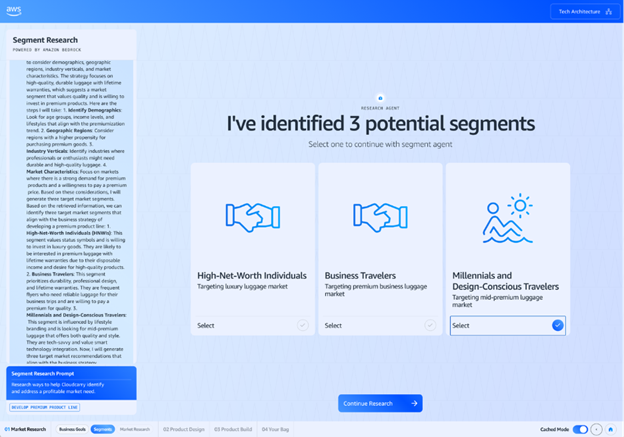 Figure 3: Segment research yields potential business goals
Finally, you can ask for high-level product ideas. The agent searches the available data in the context of your chosen strategy and target market. It replies with options for product ideas, as shown in Figure 4. As the operator, you choose the idea and move to the design phase to refine it.
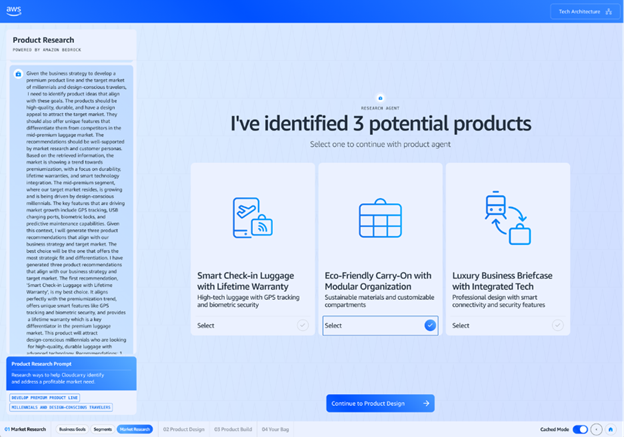
Figure 4: Product research yields potential products
The research agent is powered by Amazon Nova, a family of LLMs tuned for natural language tasks, running on Amazon Bedrock AgentCore. It has access to a Bedrock Knowledge Base of “deep research reports” along with other internal company data like supplier details and strategic vision documentation. The reports were generated by Amazon Quick’s deep research capability, collecting publicly available information on market position, trends, company health (strengths and weaknesses), and competitors.
Design agent
The design agent bridges the gap between research insights and tangible product concepts, transforming abstract ideas into visual prototypes that can be evaluated and refined. This agent orchestrates three critical capabilities that accelerate the design phase while maintaining human oversight throughout the creative process.
Dynamic prompt generation and image creation
Building on insights from the research agent—market trends, user feedback, and selected design directions—the design agent employs a dedicated AI model to dynamically generate optimized prompts. These prompts are then used with Amazon Nova to create diverse product visualizations, each exploring different aesthetic approaches and form factors. This automated capability allows designers to rapidly visualize concepts (which would traditionally require weeks of manual rendering), enabling faster iteration and creative exploration. Figure 5 shows the finalized design options.
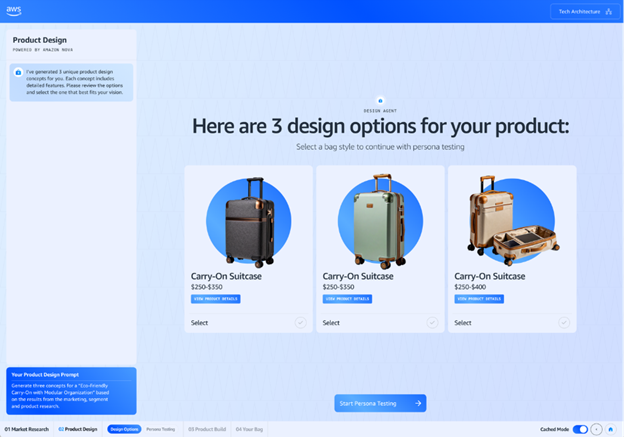
Figure 5: Product design yields potential product designs
Intelligent product specification
Beyond visual design, the design agent synthesizes research findings and generated imagery to create comprehensive product specifications. This includes material recommendations, dimensions, available colorways, product categories, and customization options. The agent maintains human-in-the-loop checkpoints throughout, allowing designers to select preferred options and ensure AI-generated suggestions align with brand standards and manufacturing constraints. This collaborative approach preserves creative control while automating time-consuming specification work.
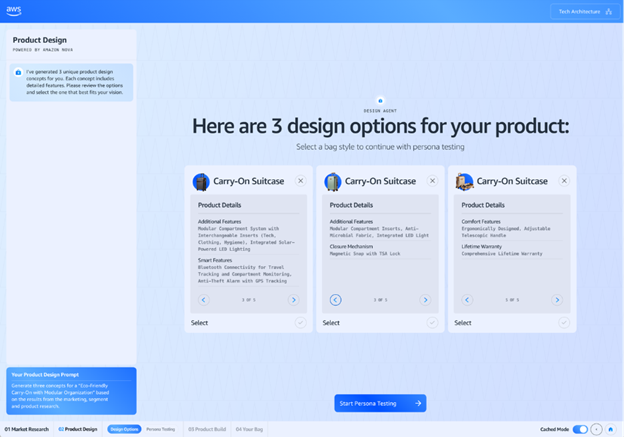
Figure 6: Product design details
Synthetic persona testing and validation
The design agent enables pre-market validation through synthetic persona testing—traditionally a late-stage activity, now brought forward. Once a preferred design is selected, the agent creates detailed synthetic customer personas representing the chosen target segment. These personas evaluate the product, identify gaps, highlight essential features, and provide actionable feedback before any physical prototype exists. This early validation dramatically reduces the risk of costly late-stage changes by surfacing concerns when modifications are still straightforward.
When a product concept advances to manufacturing agents, this three-pronged approach ensures it has been thoroughly vetted against market demands, visually refined, and validated through simulated customer testing—dramatically reducing the risk of market misalignment and costly post-production modifications. Figure 7 shows persona testing feedback for consideration.
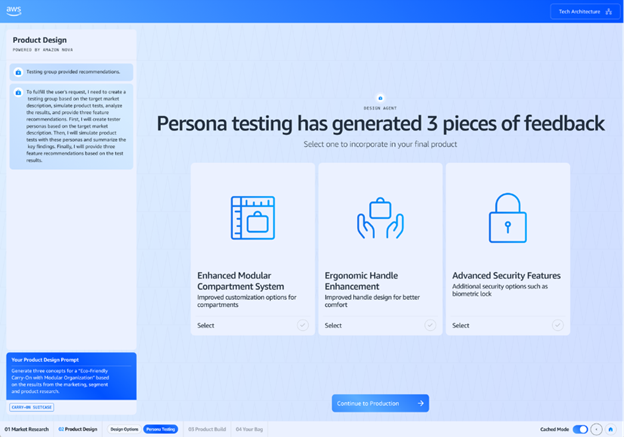
Figure 7: Product design persona testing results
Manufacturing Agents
Once the design and features of the luggage has been decided, the information is passed to the manufacturing agents. This phase consists of three agents built with Amazon Nova customized to complete different tasks under the broader manufacturing umbrella:
- Bill of Materials Agent: An agent that takes input from the design agent and creates a bill of materials for the given luggage item. The output will provide a list of necessary materials; each material will be accompanied by the associated supplier, quantity, and unit price. The agent is connected to a knowledge base that holds essential information such as construction patterns, available materials, and suppliers.
- Market Analysis Agent: An agent that takes a completed bill of materials for the given luggage item and creates a market analysis report. The output will provide a list of competitors with products in the same market segment along with sales projections across different time spans and manufacturing quantities. This agent’s knowledge base holds research reports that the agent can reference to determine its position in the market.
- Profit Projection Agent: An agent that takes a completed bill of materials for the given luggage item and creates a profit projection report. This report provides detailed information on sales needed to break even and risk factors for future sales. This agent relies on the same knowledge base materials as the market analysis agent.
This set of agents helps to answer a fundamental question of innovation: will this product help our business?
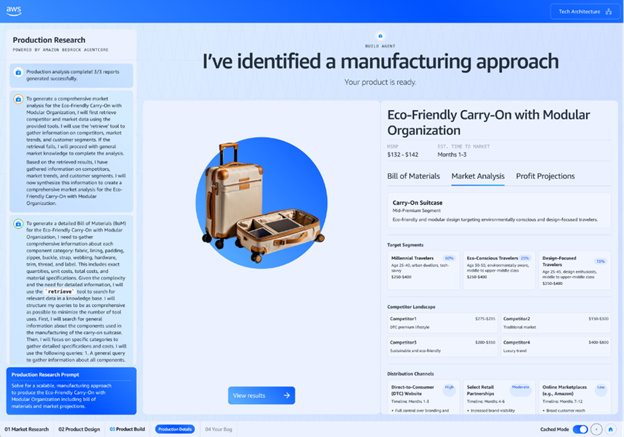
Figure 8: Product Research manufacturing approach recommendation
Architecture
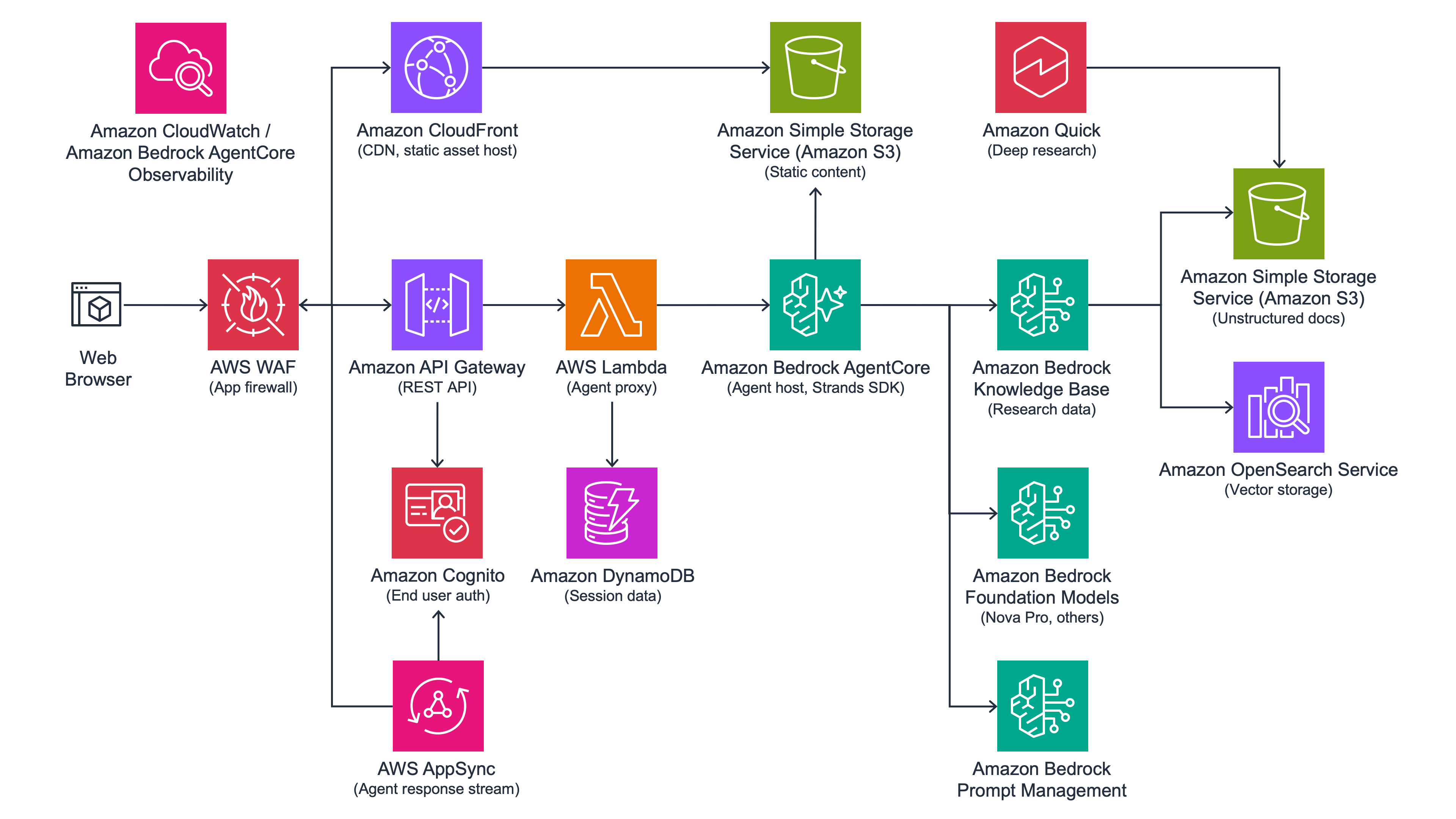
Figure 9: Architecture diagram with AWS services
All Luggage Lab agents are deployed on Amazon Bedrock AgentCore, a dedicated compute platform for agents that provides session isolation and full tracing for agents. Amazon API Gateway and AWS Lambda provide an interface to invoke agents, while Amazon Cognito and Amazon DynamoDB handle authentication and session management. Corporate data and other useful documents are stored in Amazon S3, which is indexed in Amazon OpenSearch as part of an Amazon Bedrock Knowledge Base. Amazon Quick is used to research related topics and supplement the Knowledge Base.
Results
At NRF 2026, attendees experienced The Luggage Lab firsthand, using AI agents to generate unique bag designs within minutes. Visitors in product development and marketing roles were immediately able to see the potential benefits in providing agents to employees and making active handling corporate data. Brands that offer services and/or software were inspired to see how agents could improve their workflow and extend the demonstration’s capability beyond physical products. See The Luggage Lab in action at NRF.
Figure 9 shows a few examples of luggage created by NRF 2026 visitors:
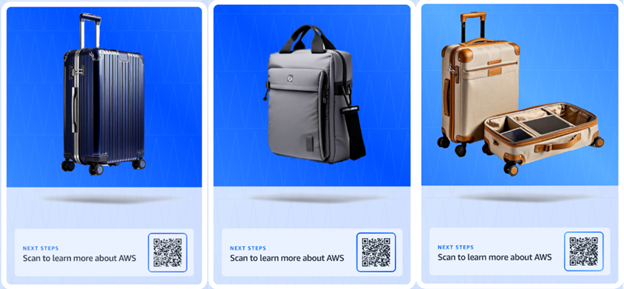
Figure 9: Luggage designs from NRF 2026 visitors to the AWS booth
Conclusion
The Luggage Lab demonstrates how AI agents can transform retail, restaurant, and consumer goods businesses through the AWS generative AI suite. At NRF 2026, attendees experienced this firsthand, using the agents to generate unique product designs within minutes—immediately recognizing the potential to accelerate their own innovation cycles. While designed for these industries, the framework adapts to any sector seeking to accelerate innovation and deliver new customer experiences with the right data and prompt engineering.
To get started, reach out to your AWS representative to learn more about AI for retail and consumer goods. To start building, log into your AWS account and access leading foundation models and tools to build agents today.