AWS Compute Blog
Category: Amazon EC2

Deep dive into NitroTPM and UEFI Secure Boot support in Amazon EC2
Contributed by Samartha Chandrashekar, Principal Product Manager Amazon EC2 At re:Invent 2021, we announced NitroTPM, a Trusted Platform Module (TPM) 2.0 and Unified Extensible Firmware Interface (UEFI) Secure Boot support in Amazon EC2. In this blog post, we’ll share additional details on how these capabilities can help further raise the security bar of EC2 deployments. […]
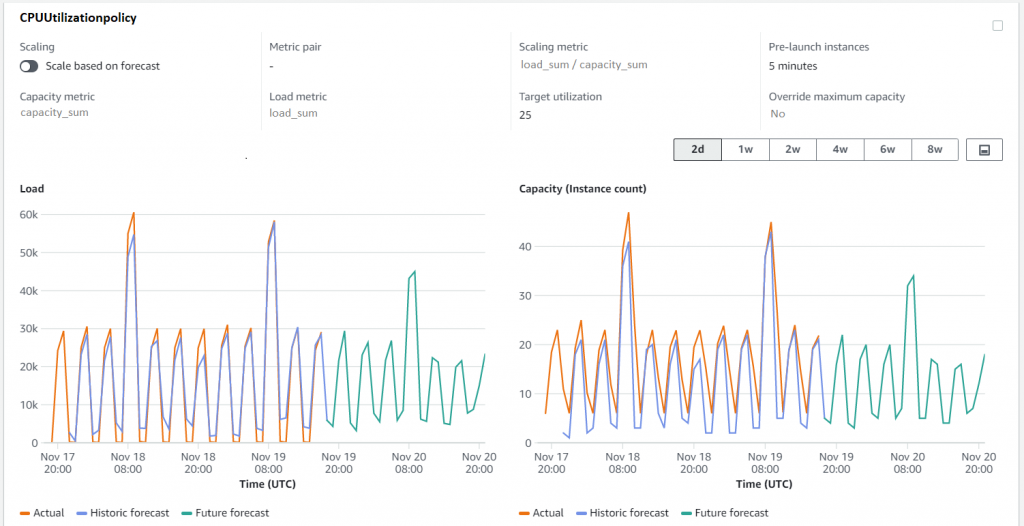
Using EC2 Auto Scaling predictive scaling policies with Blue/Green deployments
This post is written by Ankur Sethi, Product Manager for EC2. Amazon EC2 Auto Scaling allows customers to realize the elasticity benefits of AWS by automatically launching and shutting down instances to match application demand. Earlier this year we introduced predictive scaling, a new EC2 Auto Scaling policy that predicts demand and proactively scales capacity, resulting […]

Implementing interruption tolerance in Amazon EC2 Spot with AWS Fault Injection Simulator
This post is written by Steve Cole, WW SA Leader for EC2 Spot, and David Bermeo, Senior Product Manager for EC2. On October 20, 2021, AWS released new functionality to the Amazon Fault Injection Simulator that supports triggering the interruption of Amazon EC2 Spot Instances. This functionality lets you test the fault tolerance of your […]
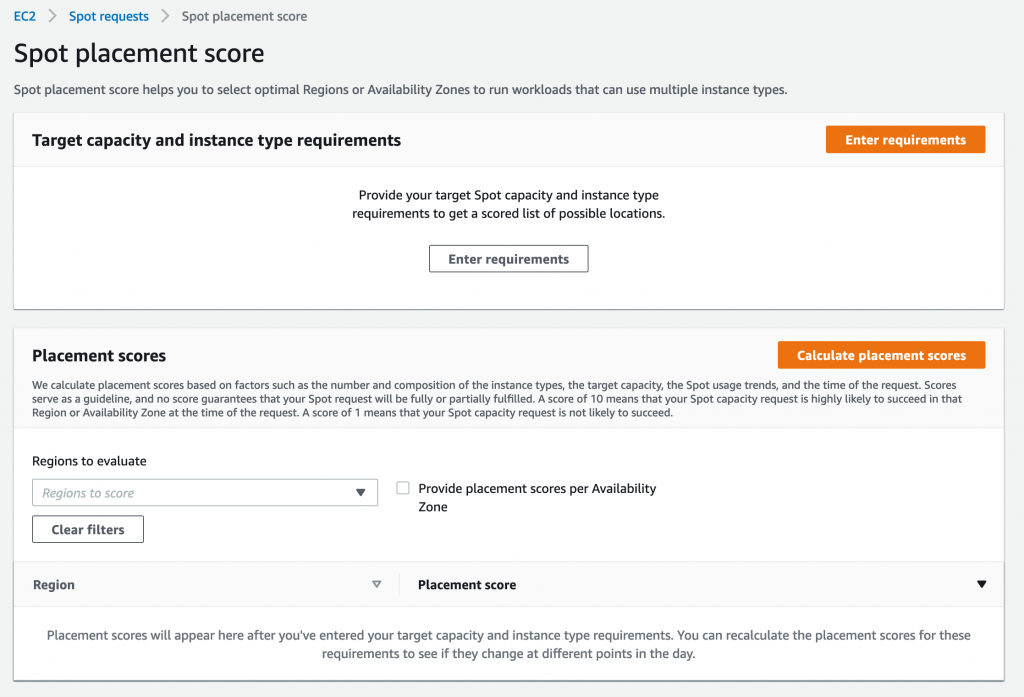
Identifying optimal locations for flexible workloads with Spot placement score
This post is written by Jessie Xie, Solutions Architect for EC2 Spot, and Peter Manastyrny, Senior Product Manager for EC2 Auto Scaling and EC2 Fleet. Amazon EC2 Spot Instances let you run flexible, fault-tolerant, or stateless applications in the AWS Cloud at up to a 90% discount from On-Demand prices. Since we introduced Spot Instances […]
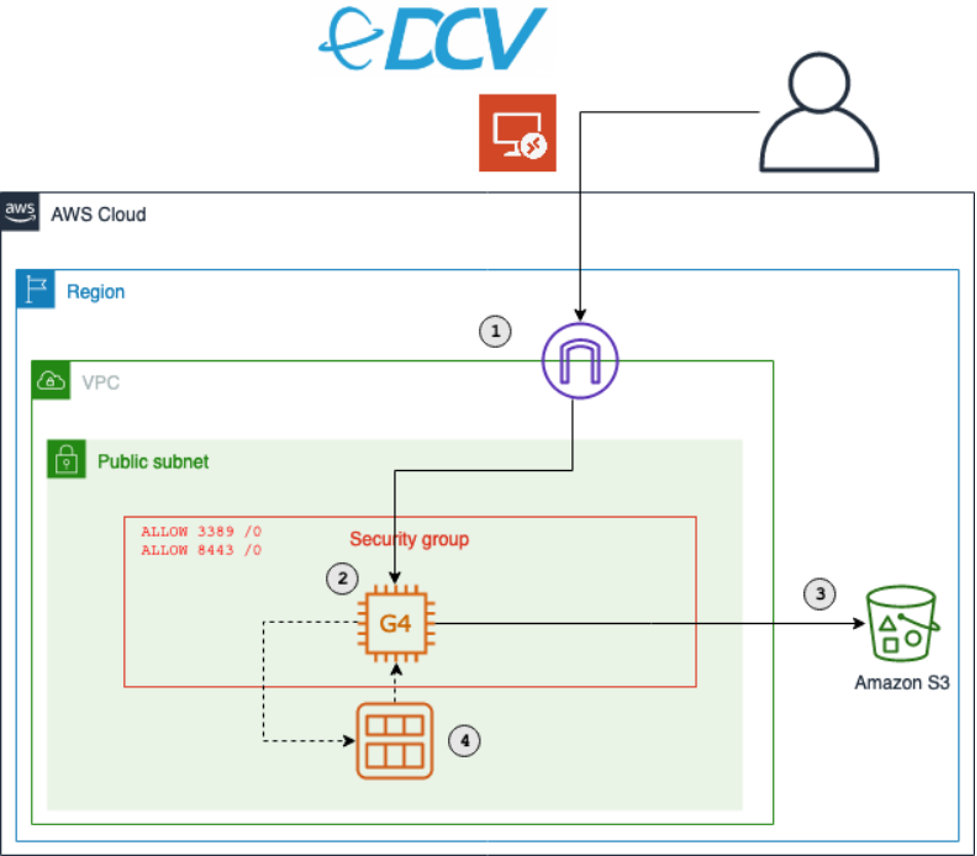
Use Amazon EC2 for cost-efficient cloud gaming with pay-as-you-go pricing
July 2025c2: This post was reviewed for accuracy. Cloud gaming enables access to high-performance gaming without upfront hardware investment, using pay-as-you-go pricing instead. Cloud gaming platforms such as Amazon Luna are an entryway, but users are limited to the games available on the service. Furthermore, many users also prefer to own their games, or they […]

Amazon EC2 Auto Scaling will no longer add support for new EC2 features to Launch Configurations
This post is written by Scott Horsfield, Principal Solutions Architect, EC2 Scalability and Surabhi Agarwal, Sr. Product Manager, EC2. In 2010, AWS released launch configurations as a way to define the parameters of instances launched by EC2 Auto Scaling groups. In 2017, AWS released launch templates, the successor of launch configurations, as a way to streamline […]
Optimize costs by up to 70% with new Amazon T3 Dedicated Hosts
This post is written by Andy Ward, Senior Specialist Solutions Architect, and Yogi Barot, Senior Specialist Solutions Architect. Customers have been taking advantage of Amazon Elastic Compute Cloud (Amazon EC2) Dedicated Hosts to enable them to use their eligible software licenses from vendors such as Microsoft and Oracle since the feature launched in 2015. Amazon EC2 Dedicated […]

Enabling parallel file systems in the cloud with Amazon EC2 (Part I: BeeGFS)
This post was authored by AWS Solutions Architects Ray Zaman, David Desroches, and Ameer Hakme. In this blog series, you will discover how to build and manage your own Parallel Virtual File System (PVFS) on AWS. In this post you will learn how to deploy the popular open source parallel file system, BeeGFS, using AWS […]

15 years of silicon innovation with Amazon EC2
The Graviton Hackathon is now available to developers globally to build and migrate apps to run on AWS Graviton2 This week we are celebrating 15 years of Amazon EC2 live on Twitch August 23rd – 24th with keynotes and sessions from AWS leaders and experts. You can watch all the sessions on-demand later this week to […]

Understanding Amazon Machine Images for Red Hat Enterprise Linux with Microsoft SQL Server
This post is written by Kumar Abhinav, Sr. Product Manager EC2, and David Duncan, Principal Solution Architect. Customers now have access to AWS license-included Amazon Machine Images (AMI) for hosting their SQL Server workloads with Red Hat Enterprise Linux (RHEL). With these AMIs, customers can easily build highly available, reliable, and performant Microsoft SQL Server […]