AWS for Industries
Transforming Industrial Operations: How AVEVA and AWS drive Cloud Innovation
In today’s rapidly evolving industrial landscape, digital transformation is no longer optional; it is essential. This blog post explores how AVEVA and its strategic partnership with AWS are reshaping industries and driving the next generation of industrial innovation.
AVEVA: A Cornerstone of Industrial Software
Founded in 1967 and now a subsidiary of Schneider Electric, AVEVA has grown into an industrial software giant. With headquarters in Cambridge, England, annual revenue of $1.6 billion USD, and a workforce of 6,000 employees, AVEVA shapes industrial operations across multiple sectors.
AVEVA serves over 20,000 enterprises across more than 100 countries, providing solutions to deliver essential services we all depend on—from safe and reliable energy and food production to medicines and critical infrastructure. With over 90% of the world’s leading industrial enterprises utilizing their platforms, AVEVA’s technology underpins our modern world’s essential operations.
AVEVA’s core product categories—Engineering & Design, Data & Analytics, and Operations Management—form the backbone of modern industrial operations, reshaping industries and driving innovation.
The Cloud Revolution in Industrial Operations
Industrial organizations face critical challenges in modernizing their operational technology infrastructure, with 59% of decision-makers struggling with system upgrades and maintenance (Control Engineering study). Through strategic collaboration between AVEVA and AWS, industrial leaders are discovering a clear pathway to overcome these obstacles and accelerate their digital transformation journey.
The ISA-95 hierarchical model for industrial automation systems defines five levels, from the physical process (Level 0) up to business planning and logistics (Level 4). Traditionally, the higher levels (3 and 4) dealing with manufacturing operations management and business planning have been the first to migrate to cloud-based solutions due to their less time-critical nature and the benefits of centralized data analytics.
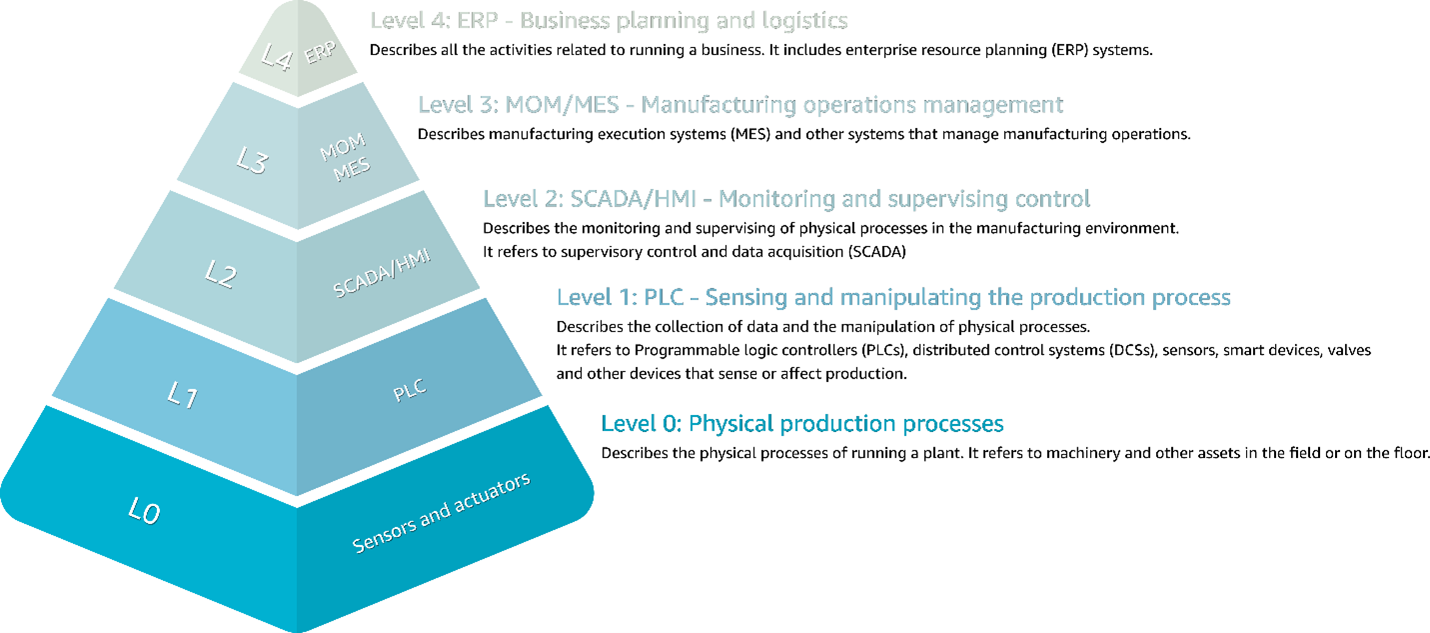
Figure 1: ANSI/ISA-95 Enterprise-Control System Integration
In 2025, advancements in cloud technology, edge computing, and industrial internet of things (IIoT) have now made it feasible and advantageous to move lower levels to the cloud as well, including the SCADA (Supervisory Control and Data Acquisition) layer (Level 2). This shift enables improved scalability, reduced maintenance costs, and enhanced data integration across the entire industrial automation stack. Therefore, more organizations are exploring cloud-based SCADA solutions that offer the real-time control and monitoring capabilities of traditional on-premises systems while leveraging the agility and innovative capabilities of cloud platforms.
The AVEVA-AWS Advantage
AWS brings operational expertise to industrial transformation; with over three times the number of data centers compared to the next largest cloud provider. This extensive infrastructure creates the foundation for customers to run AVEVA’s industrial software confidently in an Amazon Virtual Private Cloud (Amazon VPC). Building on five years of proven success running AVEVA PI System in the cloud, AVEVA has validated its System Platform and Manufacturing Execution System on AWS infrastructure.
Security is job zero at Amazon, same for industrial operations on AWS. AWS’s secure-by-design infrastructure, with over 140 security standards and compliance certifications, ensures that industrial organizations can deploy critical operational systems with confidence. The AWS Nitro System provides strict isolation, preventing unauthorized access to customer workloads while maintaining a high security standard that global industrial leaders demand.
Deployment Options and Benefits
For organizations exiting their data centers, operational technology often represents the final workload to migrate. The validated architecture leverages AWS’s extensive experience supporting the largest industry leaders, with over 95% of Fortune 500 companies using AWS. This comprehensive deployment guide simplifies the transition, allowing organizations to manage their entire operational technology stack within a unified AWS environment.
Organizations can choose from multiple deployment options that best suit their needs. AVEVA PI supports all three deployment options: running SQL Server on Amazon Elastic Compute Cloud (Amazon EC2), Amazon Relational Database Service (Amazon RDS), or on Amazon RDS Custom. AVEVA MES (Manufacturing Execution System) also supports all three options, with specific deployment steps validated by AVEVA and AWS. Currently, AVEVA System Platform supports SQL Server on Amazon EC2.
By leveraging AWS’s robust infrastructure, organizations significantly reduce maintenance efforts, streamline data integration, and optimize total cost of ownership. While all three deployment options provide significant savings in database management, Amazon RDS can provide savings of up to 20%. The cloud deployment model enables dynamic resource scaling based on actual needs, providing the flexibility and agility essential for modern industrial operations.
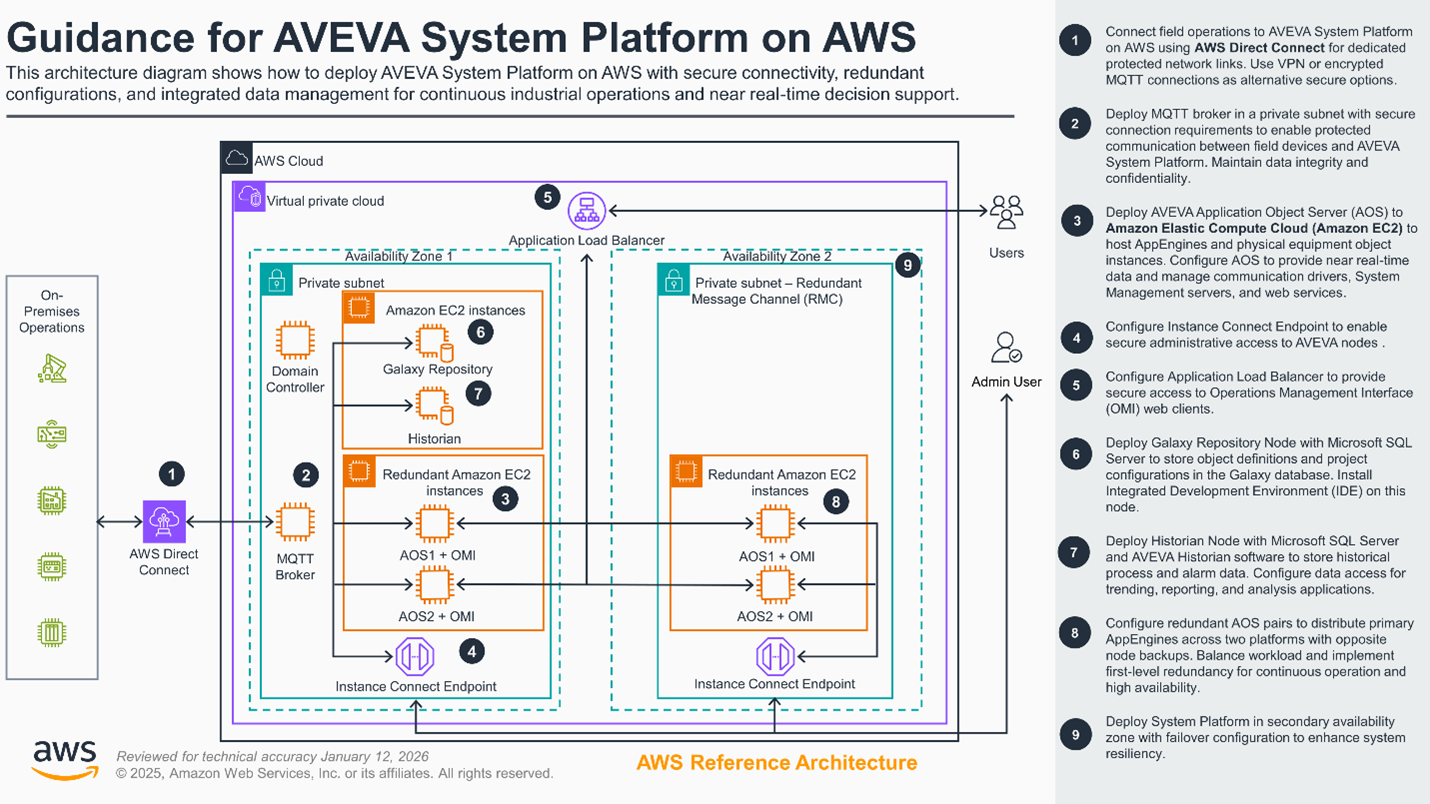
Figure 2: Architecture diagram showing how to deploy AVEVA System Platform on AWS
The Future of Industrial Operations
AVEVA and AWS established comprehensive requirement documentation and architecture guidelines to ensure seamless deployment experiences. This validated architecture leverages AWS’s operational expertise to deliver the reliability and performance industrial operations demand.
Together, AVEVA and AWS are creating new possibilities for operational excellence, agility, and innovation in the industrial sector. The future of industrial operations is here, and it’s powered by the cloud. Join the growing community of industrial leaders who are leveraging AWS’s comprehensive capabilities to accelerate their digital transformation journey.
Get started
Existing AVEVA customers seeking to consolidate operational data across multiple sites or streamline administrative overhead for on-premises AVEVA software deployments can now take advantage of AVEVA’s new cloud offerings on AWS infrastructure. Additionally, organizations that previously hesitated to commit to large-scale on-premises AVEVA installations now have the flexibility to start small with the AVEVA portfolio and take advantage of the cloud’s elasticity and scalability to support their digital transformation journey. We encourage both current customers and prospective clients to connect with