AWS Compute Blog
Category: Uncategorized
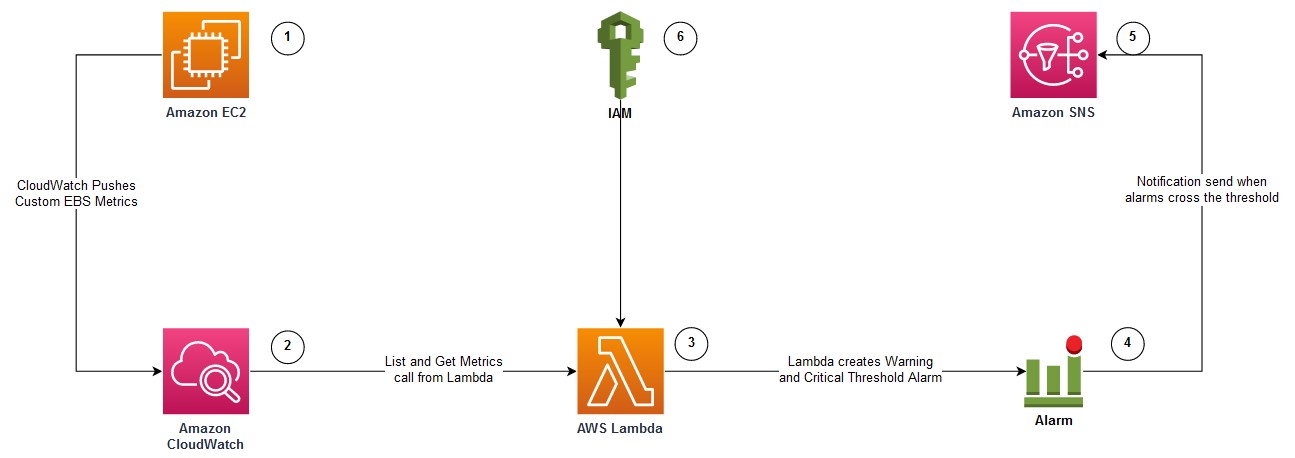
Automating Amazon EC2-Windows EBS Volumes monitoring and creating alarms
This blog post is written by, Santhosh Kumar Adapa, Database Consultant, AWS WWCO ProServe, Jeevan Shetty, Database Consultant, AWS WWCO ProServe, and Bhanu Ganesh Gudivada, Consultant Databases, AWS WWCO ProServe. Customers who are running fleets of Amazon Elastic Compute Cloud (Amazon EC2) instances use advanced monitoring techniques to observe their operational performance. Capabilities like aggregated and […]

Understanding the lifecycle of Amazon EC2 Dedicated Hosts
This post is written by Benjamin Meyer, Sr. Solutions Architect, and Pascal Vogel, Associate Solutions Architect. Amazon Elastic Compute Cloud (Amazon EC2) Dedicated Hosts enable you to run software on dedicated physical servers. This lets you comply with corporate compliance requirements or per-socket, per-core, or per-VM licensing agreements by vendors, such as Microsoft, Oracle, and […]

Capturing GPU Telemetry on the Amazon EC2 Accelerated Computing Instances
This post is written by Amr Ragab, Principal Solutions Architect EC2. AWS is excited to announce the native integration of monitoring GPU metrics through the CloudWatch Agent. Customers can now easily monitor GPU utilization and its memory to scale their workloads more effectively without custom scripts. In this post, we’ll describe how to allow GPU […]
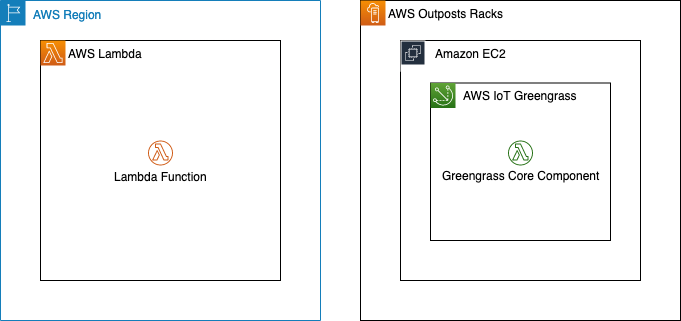
Running AWS Lambda functions on AWS Outposts using AWS IoT Greengrass
This blog post is written by Adam Imeson, Sr. Hybrid Edge Specialist Solution Architect. Today, AWS customers can deploy serverless applications in AWS Regions using a variety of AWS services. Customers can also use AWS Outposts to deploy fully managed AWS infrastructure at virtually any datacenter, colocation space, or on-premises facility. AWS Outposts extends the […]
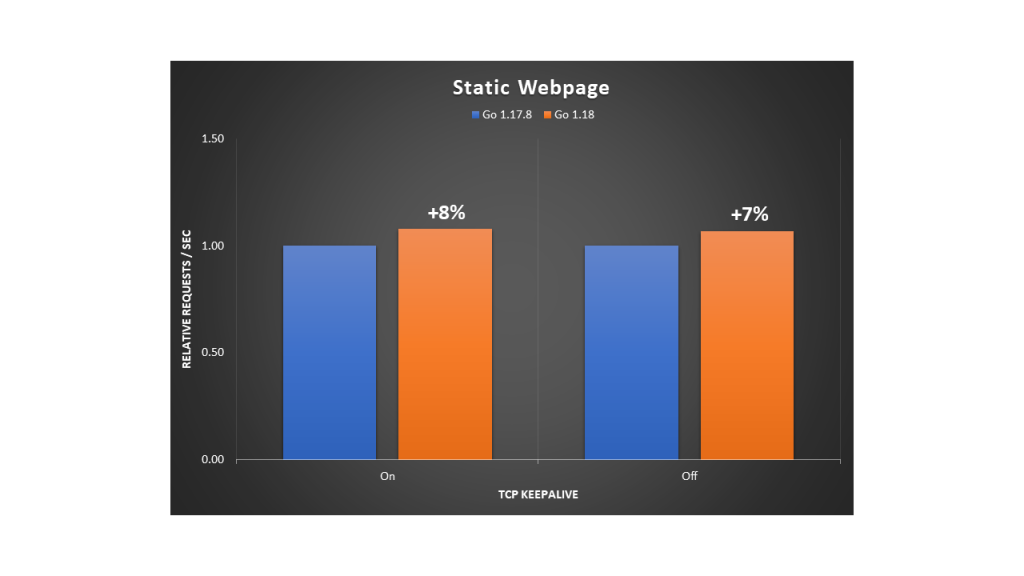
Making your Go workloads up to 20% faster with Go 1.18 and AWS Graviton
This blog post was written by Syl Taylor, Professional Services Consultant. In March 2022, the highly anticipated Go 1.18 was released. Go 1.18 brings to the language some long-awaited features and additions, such as generics. It also brings significant performance improvements for Arm’s 64-bit architecture used in AWS Graviton server processors. In this post, we […]

Building resilient private APIs using Amazon API Gateway
This post written by Giedrius Praspaliauskas, Senior Solutions Architect, Serverless. Modern architectures meet recovery objectives (recovery time objective, RTO, and recovery point objective, RPO) by being resilient to routine and unexpected infrastructure disruptions. Depending on the recovery objectives and regulatory requirements, developers must choose the disaster recovery strategy. For more on disaster recovery strategies, see […]

Orchestrating Amazon S3 Glacier Deep Archive object retrieval using AWS Step Functions
This blog was written by Monica Cortes Sack, Solutions Architect, Oskar Neumann, Partner Solutions Architect, and Dhiraj Mahapatro, Principal Specialist SA, Serverless. AWS Step Functions now support over 220 services and over 10,000 AWS API actions. This enables you to use the AWS SDK integration directly instead of writing an AWS Lambda function as a proxy. One […]

Amazon EC2 DL1 instances Deep Dive
This post is written by Amr Ragab, Principal Solutions Architect, Amazon EC2. AWS is excited to announce that the new Amazon Elastic Compute Cloud (Amazon EC2) DL1 instances are now generally available in US-East (N. Virginia) and US-West (Oregon). DL1 provides up to 40% better price performance for training deep learning models as compared to […]

Automate the Creation of On-Demand Capacity Reservations for running EC2 instances
This post is written by Ballu Singh a Principal Solutions Architect at AWS, Neha Joshi a Senior Solutions Architect at AWS, and Naveen Jagathesan a Technical Account Manager at AWS. Customers have asked how they can “create On-Demand Capacity Reservations (ODCRs) for their existing instances during events, such as the holiday season, Black Friday, marketing […]

Building TypeScript projects with AWS SAM CLI
This post written by Dan Fox, Principal Specialist Solutions Architect and Roman Boiko, Senior Specialist Solutions Architect The AWS Serverless Application Model (AWS SAM) CLI provides developers with a local tool for managing serverless applications on AWS. This command line tool allows developers to initialize and configure applications, build and test locally, and deploy to […]