AWS Database Blog
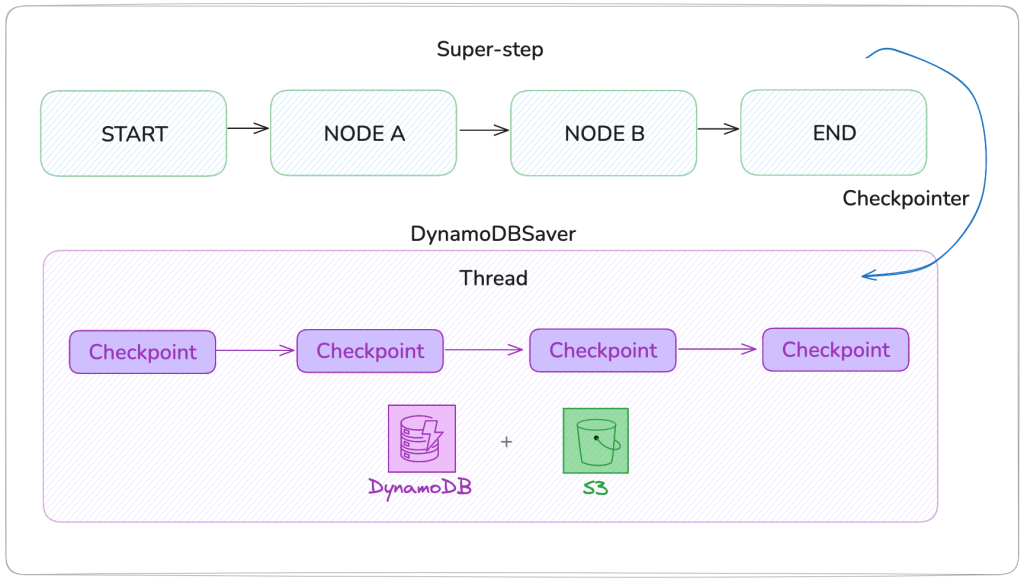
Build durable AI agents with LangGraph and Amazon DynamoDB
In this post we show you how to build production-ready AI agents with durable state management using Amazon DynamoDB and LangGraph with the new DynamoDBSaver connector, a LangGraph checkpoint library maintained by AWS for Amazon DynamoDB.
Best practices for creating and reorganizing data with additional storage volumes in Amazon RDS for Oracle
In this post, we show you how to use additional storage volumes to expand your RDS for Oracle storage capacity beyond 64 TiB. In addition, we walk through use cases for additional storage volume and best practices while working with additional volumes.
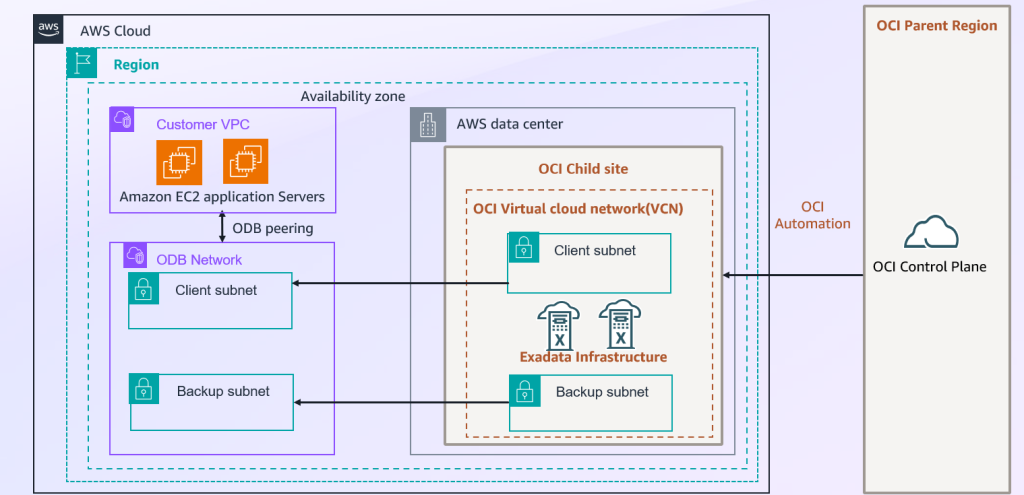
Provision Oracle Database@AWS stack using AWS CloudFormation
In this post, we explain how to set up key components of Oracle Database@AWS offering including ODB network, Oracle Exadata infrastructure, Exadata VM clusters and Autonomous VM clusters using AWS CloudFormation template.
Unlock Amazon Aurora’s Advanced Features with Standard JDBC Driver using AWS Advanced JDBC Wrapper
In this post, we show how you can enhance your Java application with the cloud-based capabilities of Amazon Aurora by using the JDBC Wrapper. Simple code changes shared in this post can transform a standard JDBC application to use fast failover, read/write splitting, IAM authentication, AWS Secrets Manager integration, and federated authentication.
Configure Optimize CPU on Amazon RDS for SQL Server
Amazon Relational Database Service (Amazon RDS) for SQL Server now offers the Optimize CPU feature, which enabled control over vCPU allocation through core count modification setting. SQL Server licensing costs can consume a significant portion of your database budget, especially when you’re paying for vCPUs that aren’t fully utilized. This post demonstrates how to implement the Optimize CPU feature to potentially reduce licensing costs while maintaining performance for both new and existing Amazon RDS instances, along with performance benchmarking results and cost implications.
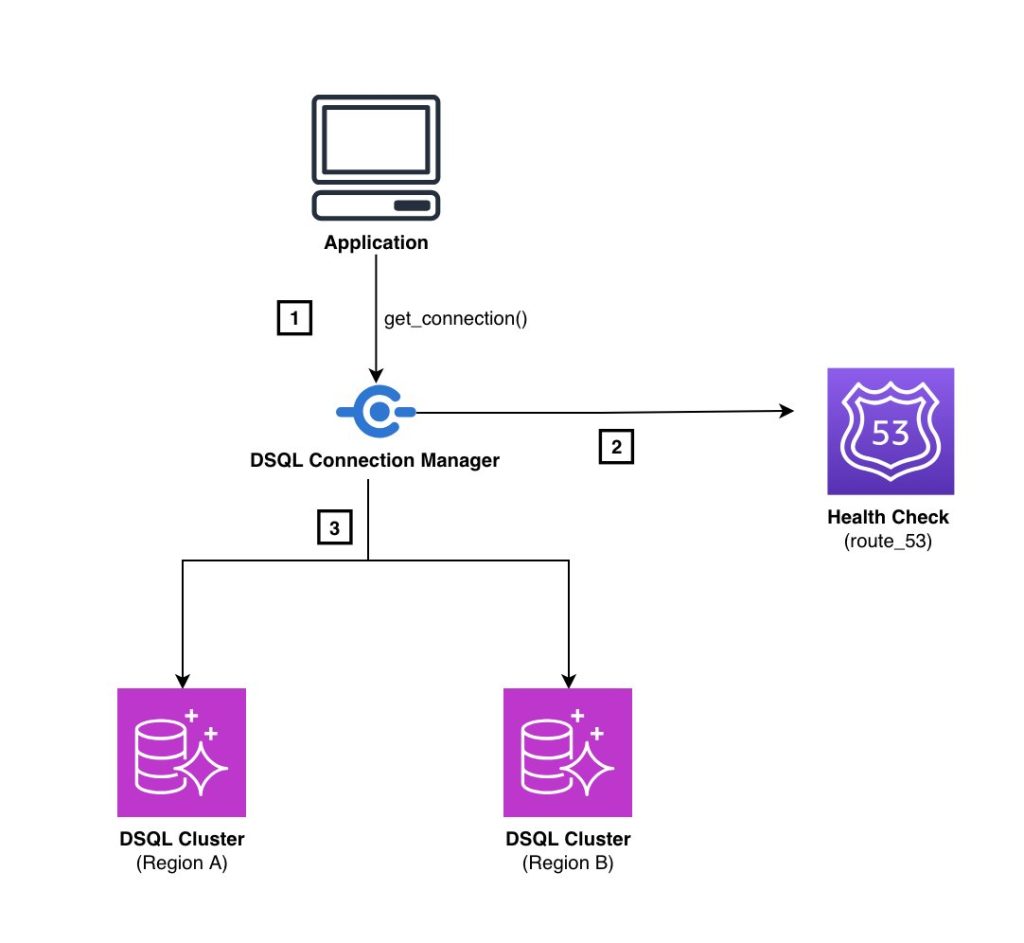
Implement multi-Region endpoint routing for Amazon Aurora DSQL
Applications using Aurora DSQL multi-Region clusters should implement a DNS-based routing solution (such as Amazon Route 53) to automatically redirect traffic between AWS Regions. In this post, we show you automated solution for redirecting database traffic to alternate regional endpoints without requiring manual configuration changes, particularly in mixed data store environments.
Inside Booking.com’s ultra-low latency feature platform with Amazon ElastiCache
As a global leader in the online travel industry, Booking.com continuously works to improve the travel experience for its users. Latency is a key factor in achieving this—nobody likes waiting for their search results to be returned. In this post, we share how Booking.com designed a well-architected Amazon ElastiCache-based feature platform, achieving ultra-low latency and high throughput, to ensure the best possible user experience.

Amazon ElastiCache re:Invent 2025 recap
re:Invent is a great opportunity for customers and builders who use AWS to share what they have built and why, architectural patterns, and best practices in the form of breakout sessions and workshops. In case you missed some of these sessions, or you wanted to get caught up on why customers like Expedia, Scopely, Adobe, and Amazon.com are building on ElastiCache, you can read this helpful summary of some of the ElastiCache highlights from re:Invent 2025.
Optimizing correlated subqueries in Amazon Aurora PostgreSQL
Correlated subqueries can cause performance challenges in Amazon Aurora PostgreSQL which can cause applications to experience reduced performance as data volumes grow. In this post, we explore the advanced optimization configurations available in Aurora PostgreSQL that can transform these performance challenges into efficient operations without requiring you to modify a single line of SQL code.

Improve Aurora PostgreSQL throughput by up to 165% and price-performance ratio by up to 120% using Optimized Reads on AWS Graviton4-based R8gd instances
In this post, we demonstrate how your workloads can benefit from upgrading Graviton2-based R6g and R6gd instances to Graviton4-based R8gd instances with Aurora PostgreSQL 17.5 on Aurora I/O-Optimized using an Optimized Reads-enabled tiered cache.