AWS for Industries
How a Luxury Retailer Accelerates Customer Experience with Amazon CloudFront
In the competitive world of luxury retail, delivering exceptional digital experiences is crucial. According to a study by Portent, a site that loads in 1 second has an e-commerce conversion rate 2.5x higher than a site that loads in 5 seconds. A leading luxury retailer made optimizing content delivery a strategic priority to enhance customer experience and drive business growth. By implementing Amazon CloudFront as its content distribution network (CDN) and following guidance and best practices provided by Amazon Web Services (AWS), the retailer improved page download performance by 21.4% while reducing cost and creating a more responsive online shopping experience during high-traffic events like Black Friday and the holiday season.
In this blog post, we show you how this luxury retailer used a phased migration approach to transform its digital presence.
Building a high-performing digital experience for luxury consumers
To meet the expectations of its discerning clientele, the company’s online presence demands the same excellence as its in-store experience. To achieve this, it embarked on a strategic transformation to implement Amazon CloudFront, a secure, cost-effective content delivery service that provides low-latency performance through AWS’s global network of edge locations. CloudFront serves content immediately from the nearest edge location or retrieves it from a defined origin (such as an Amazon S3 bucket or HTTP server) when not already cached.
The retailer used the Well-Architected Framework to perform comprehensive assessment and planning of all aspects of this migration. After careful evaluation, it developed a phased migration approach to minimize risk and ensure that metrics for performance, cost, security, and reliability would achieve or surpass requirements before full implementation.
Phase 1: Static content distribution migration
The retailer began its migration journey by focusing on the static content that powers its website, such as images and media files that control appearance and functionality. This strategic decision allowed the retailer to test CloudFront performance with non-transactional components, refine configuration settings before moving business-critical dynamic content, measure performance improvements, and build internal confidence in the new solution.
The ability to deploy edge services on AWS allowed the retailer to implement best practices using Infrastructure as Code (IaC) end-to-end and version-controlled content distribution configurations. By combining AWS services with Terraform and Atlantis, the company can control deployments directly from its version control tool. The implemented architecture also integrated the following AWS edge services to create a comprehensive solution:
- AWS Web Application Firewall (AWS WAF) helps protect against web application layer attacks by allowing users to configure rules that allow, block, or monitor web requests based on conditions they define. These conditions include IP address lookup, HTTP headers match, HTTP body inspection, URI strings matches, and SQL injection and cross-site scripting prevention. AWS WAF can evaluate every HTTP request against the configured rules in single-digit milliseconds because it runs on the same physical edge hosts as CloudFront. For more details, see Accelerate and protect your websites using Amazon CloudFront and AWS WAF.
- AWS Shield Advanced protection provides always-on, flow-based monitoring of network traffic and active application monitoring to provide near real-time notifications of suspected DDoS incidents. AWS Shield Advanced also employs advanced attack mitigation and packet routing techniques to mitigate attacks automatically.
Solution overview
Figure 1 shows the workflow for the dynamic transformation and distribution of static assets. For specific guidance on how to implement this architecture, see Image Optimization using Amazon CloudFront and AWS Lambda.
- The client sends an HTTP request for a static asset with specific transformations, such as encoding and size. The request is processed by a nearby CloudFront edge location and evaluated by AWS WAF and Shield Advanced.
- A Lambda@Edge function sends the request to DataDome bot protection to determine if the request is allowed.
- If the requested static asset is cached in the CloudFront Regional Edge Cache, then there is a cache hit, and the response is immediately sent to the client.
- If the static asset is not cached, then the request is forwarded to the Client Optimized Static Assets S3 Bucket. If the requested asset is found in this bucket, then it is returned and cached in CloudFront. Otherwise, S3 responds with a 403 error.
- CloudFront origin failover retries the same URL, but this time the origin is an AWS Lambda Function URL.
- The Lambda function downloads the original static assets from the Original Static Assets S3 Bucket and transforms them using the appropriate process.
- The Lambda function stores the transformed static assets in the Client Optimized Static Assets S3 Bucket and returns them to the CloudFront distribution.
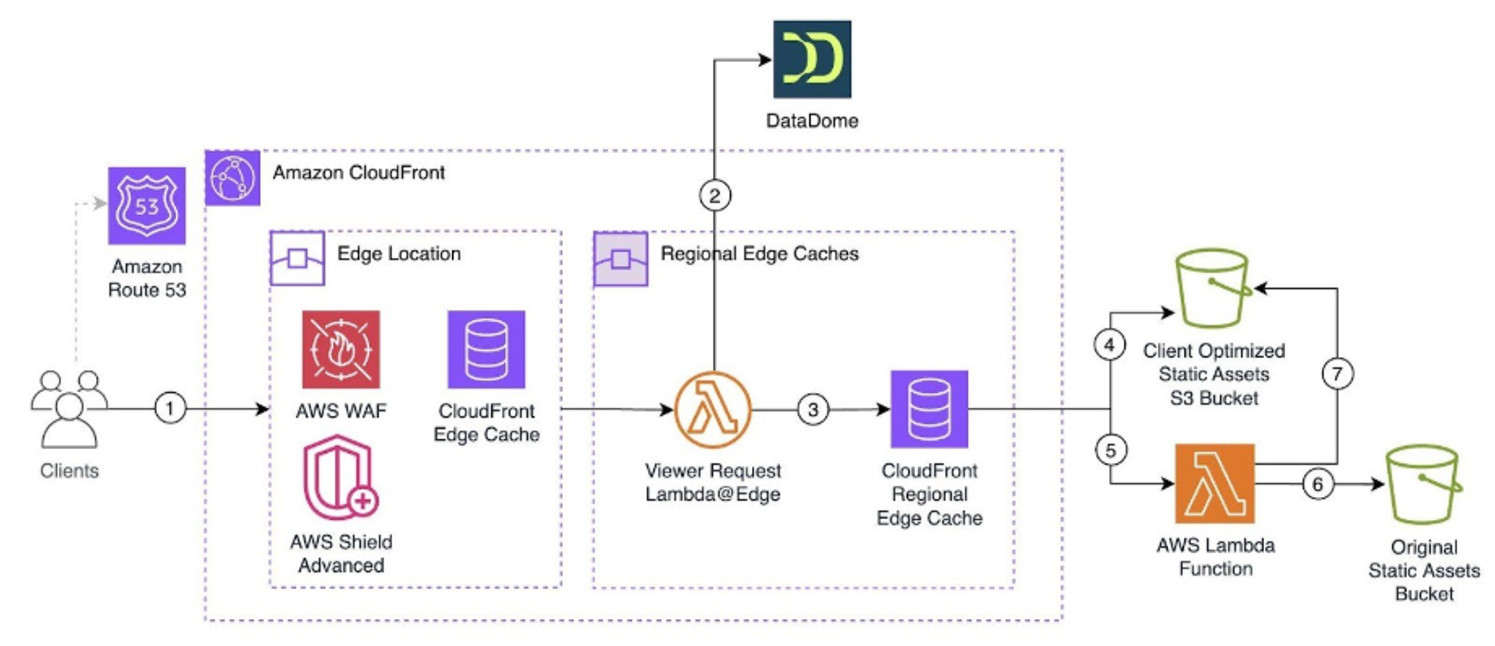
Figure 1: Architecture supporting static content distribution
After migrating static content distribution in phase 1, the retailer observed an 80% reduction in content distribution costs and a 21.4% improvement in P99 image download duration. The new solution’s effectiveness was particularly evident during Black Friday, when retail websites experience peak traffic loads and some of the highest purchase volumes of the year. The solution served ~12 TB of data across millions of page views at an average throughput of 138MB/s and a 99.1% cache hit rate. The result was the retailer’s lowest Time to First Byte (TTFB), First Contentful Paint (FCP), and Time to Interactive (TTI) P90 metrics.
Phase 2: Dynamic content distribution migration
Building on the success of its static content distribution migration to CloudFront, the retailer expanded the scope of the project to also include dynamic content distribution. This strategic move allowed the company to use CloudFront’s advanced features to significantly enhance performance, security, and cost-efficiency. The implementation relies on seamless integration with Shield Advanced and AWS WAF.
Solution overview
The retailer used a similar approach for migrating dynamic content. It also integrated AWS Partner Human Security for browser script security and PCI compliance. Figure 2 shows the architecture diagram.
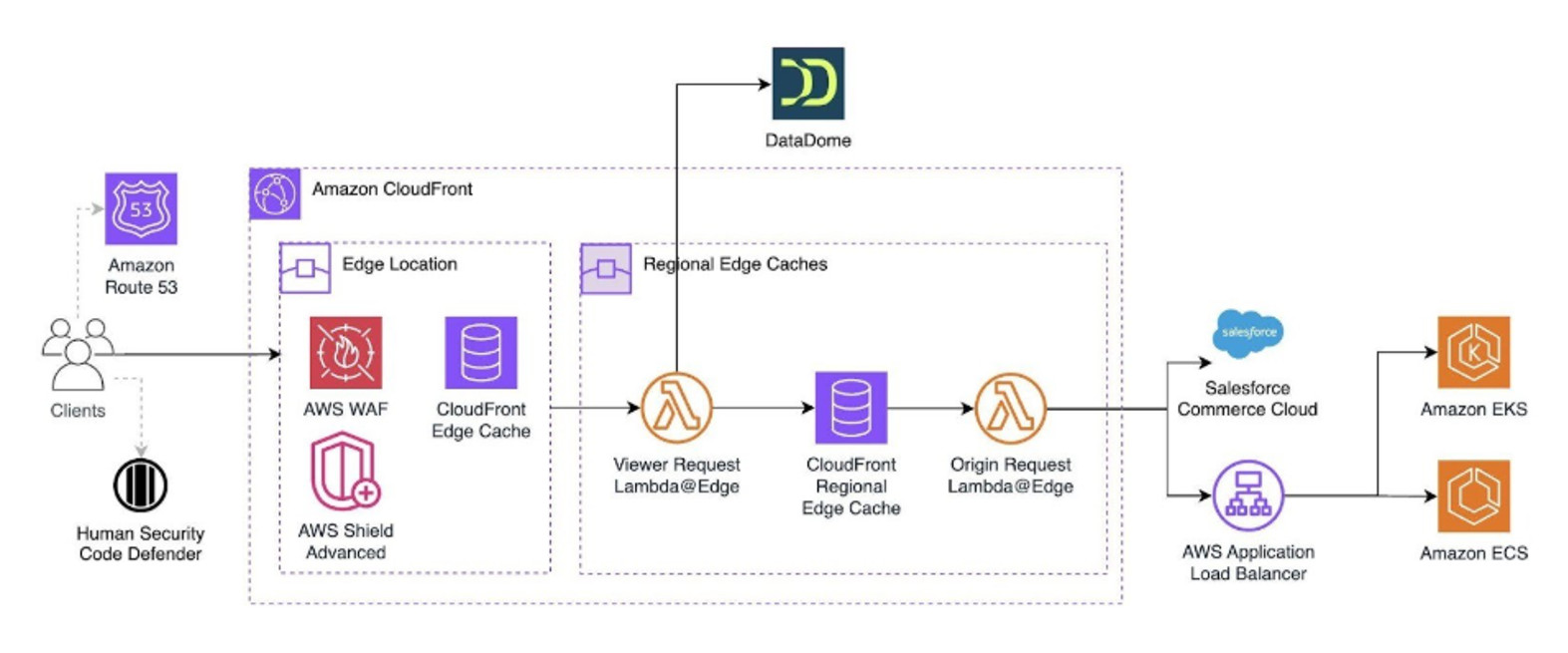
Figure 2: Architecture supporting dynamic content distribution
After migrating dynamic content distribution to CloudFront, the retailer observed a significant reduction in TTFB for the product details pages. The p75 TTFB was reduced by 20%, creating a new low latency record for the site. The company’s CIO noted that “re-architecting our CDN with CloudFront resulted in a significant customer experience improvement and helped us to reduce overall content distribution cost by 60%.”
Conclusion
This luxury retailer’s journey demonstrates how implementing Amazon CloudFront transforms the digital shopping experience, achieving significant improvements in performance, reliability, security, and cost efficiency—all factors that directly impact customer satisfaction and business growth. The phased migration approach allowed the retailer to validate its architectural decisions before full-scale deployment, building confidence within the organization and ensuring a seamless customer experience throughout the transition. As the retailer continues to expand its CloudFront implementation, it is positioning itself at the forefront of digital retail innovation.
What’s next
To learn how Amazon CloudFront and other AWS services can transform the digital experience for your customers, contact an AWS representative or visit the AWS Retail Solutions page. For technical details about how to get started with Amazon CloudFront, check out Get started with CloudFront.