AWS Public Sector Blog
From Lab to Bedside: Five Years of AI-Powered Health Breakthroughs and What Comes Next
Behind every health breakthrough is an investment made long before the results were visible. For five years, Amazon Web Services (AWS) has channeled social impact credits into organizations tackling the world’s toughest health challenges for the most underserved populations—backing bold ideas with enterprise-grade infrastructure.
Since launching the AWS Health Equity Initiative (HEI) in 2021, AWS has supported more than 600 customers with over $90 million of technology to innovate and improve health outcomes for all. Forty-four percent of these customers employed AWS AI services, seeding AI innovation across the global health landscape and proving that cloud-powered AI can improve health and wellness for all.
This blog highlights nine of those organizations deploying AI to save lives today, culminating in AWS’s largest single social impact investment in health: a landmark technology collaboration with the Fleming Initiative to build the world’s first AI-powered platform for combating antimicrobial resistance.
From credits to capabilities: How the model works
AWS social impact credits are more than funding. They make the same world-class cloud infrastructure; AI, machine learning (ML), and agentic services; and data tools that power the world’s largest enterprises available to mission-driven organizations supporting underserved populations. And when that happens, the effects can be transformative.
The model creates a virtuous cycle:
- Credits seed innovation. Organizations receive AWS credits and use them to build AI-powered solutions on purpose-built services like Amazon SageMaker, Amazon Bedrock, Amazon Comprehend Medical, Amazon HealthLake, AWS HealthOmics, and AWS HealthImaging.
- Validated solutions attract investment. A working prototype running at scale on AWS is the most compelling pitch deck in the world.
- Solutions scale on AWS. What starts as a pilot in one clinic or one country can expand to global reach without rebuilding infrastructure.
- Impact multiplies. Each validated finding, each trained model, each open dataset creates compounding value for the next organization, the next researcher, the next patient.
Here’s a sample of how AWS-supported organizations leveraged this model to save lives today.
AI to reduce maternal and infant mortality
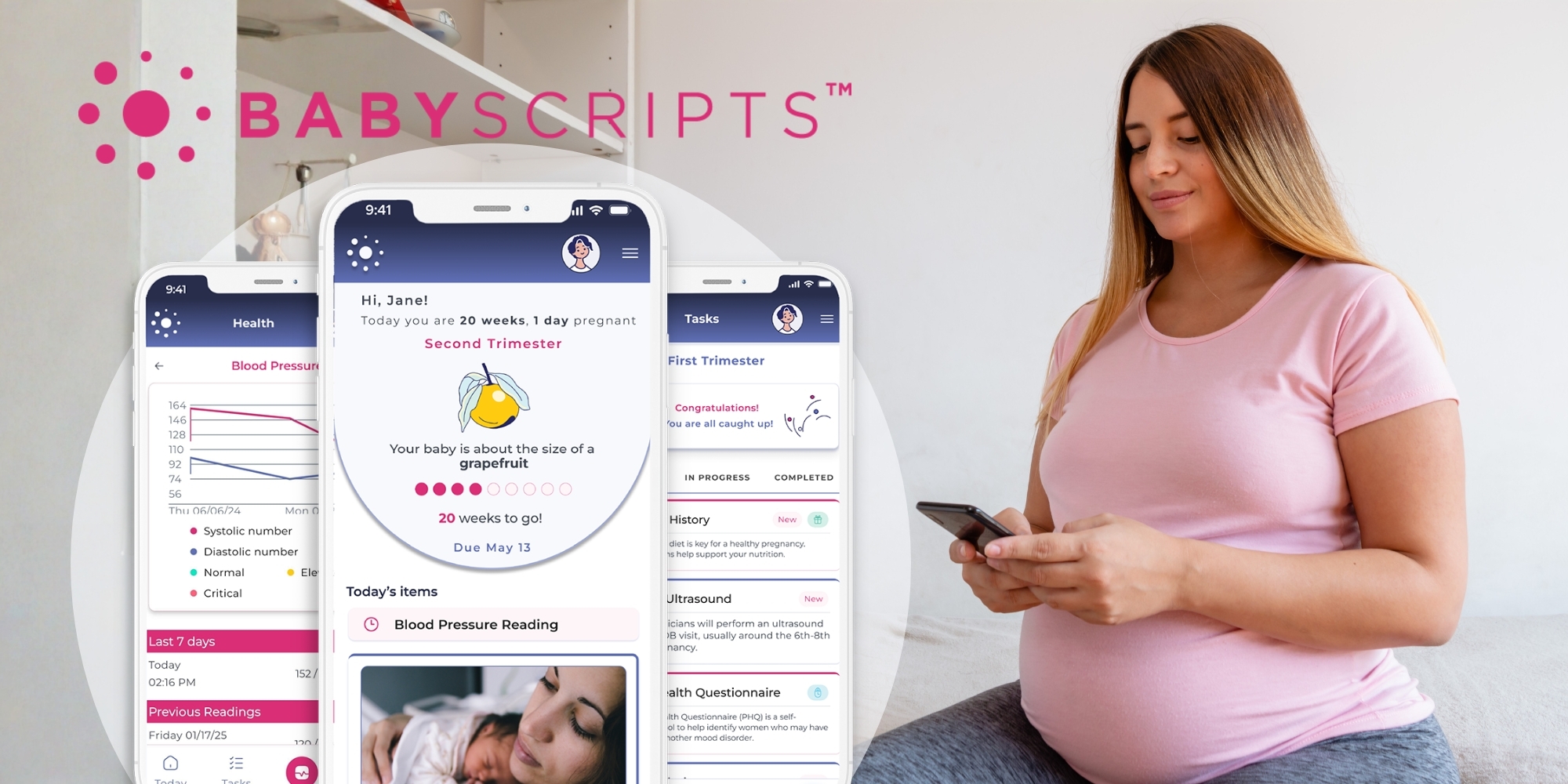
Babyscripts‘ AI-powered risk identification platform is designed to support earlier detection of the clinical and social conditions that contribute to maternal mortality and morbidity, including maternal mental health conditions, hypertensive disorders and pregnancy, and gestational diabetes. These conditions disproportionately affect women in underserved communities and, when left undetected, can have serious consequences for both mother and baby.
Through remote monitoring, Babyscripts has improved blood pressure (BP) collection among patients with postpartum hypertension and helped eliminate racial disparities observed in office-based collection, with 93% at-home BP ascertainment for White and Black patients. By catching these warning signs early, Babyscripts has driven a critical 13-day reduction in the time to detect preeclampsia, allowing care teams to intervene well before a situation becomes a crisis.

Touch Health developed watotoCare, which uses AI to support newborns in Tanzania during their critical first six weeks of life when they are at highest risk for death. During its first 12 months, watotoCare provided AI-driven early warning and decision support for 5,000 newborns, leading to an 80% decrease in hospital readmission for high-risk babies and a 275% increase in high- and medium-risk babies completing recommended post-natal doctor visits.
AI for behavioral health
Frontera Health is tackling the severe shortage of qualified Board-Certified Behavior Analysts (BCBAs) by developing AI tools that reduce burden on BCBAs and allow them to work more efficiently and spend more time caring for their patients with developmental disorders like autism.
By saving BCBAs 4-5 hours per assessment report, Frontera is increasing the number of patients with autism who can receive interventions, particularly in rural areas. Starting intensive therapy at an early age leads to significantly better outcomes, but only if that therapy is available to these children.
AI to improve care delivery
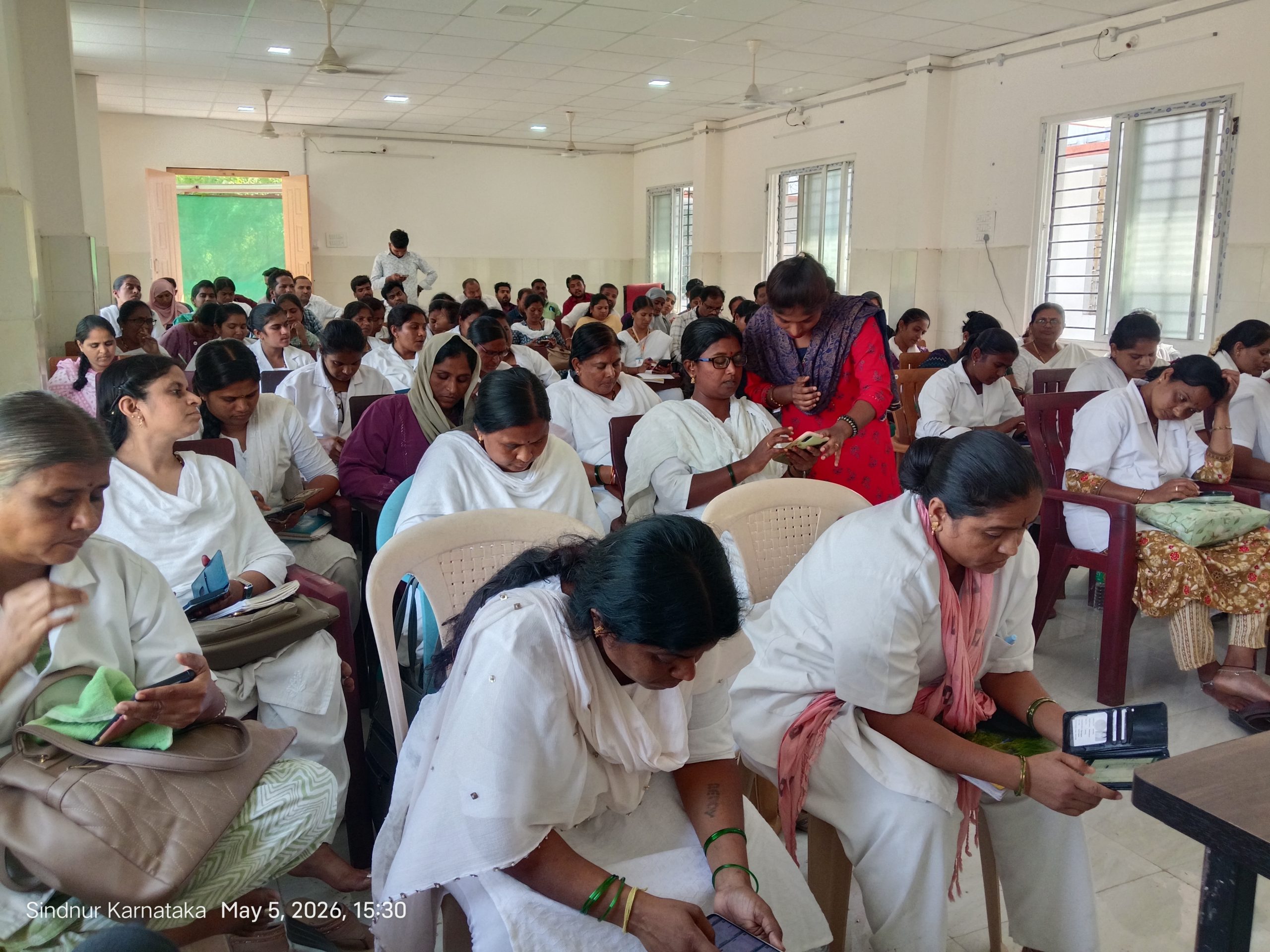
CHIP (Community Health Integrated Platform) is Khushi Baby’s response to the challenge of fragmented data that leads to fragmented care. Co-developed with community health workers after 250,000 hours in the field, CHIP is a unified, offline-ready digital solution that consolidates the entire work requirement of frontline health workers across all primary health care programs and cadres into a single digital health interface. CHIP reduces over 180 redundant indicators across 12 national health programs.
To date, CHIP has registered ~60 million individuals across 40,000+ villages in India. By late 2025, CHIP is connected to 11 state and central government platform linkages, enabling data to flow across formerly siloed vertical programs.
Digital Umuganda is building Kinyarwanda language AI encompassing speech recognition, and text-to-speech, and machine translation models with the goal of making essential information across healthcare, education, agriculture, and other critical sectors accessible to Rwandan citizens in their native language. Starting from near-zero training data, Digital Umuganda leveraged community-driven crowdsourced data collection through a network of local African partners to build linguistically diverse and contextually relevant datasets across health and other priority areas.
Demonstrating the real-world impact of these models, Digital Umuganda and its partners recently completed a silent trial with community health workers, serving as an initial use case for their broader cross-sector vision.
AI to make sense of complicated health information
NORC’s Trusted Health Information Assistant, THIA, is a topic- and domain-independent AI assistant currently designed for caregivers of older adults. More than 53 million Americans provide unpaid care to an older adult or person with a disability, facing chronic stress, social isolation, and burnout with few accessible supports. Leveraging large language models (specifically, agentic retrieval-augmented generation), THIA supports aging-in-place by helping caregivers navigate complex health information, coordinate care, and access services. THIA reduces the burden on an overwhelmed caregiving workforce while improving outcomes for seniors.
Bayesian Health is leveraging AI to identify early signs of sepsis. Sepsis is the third leading cause of in-hospital death, and early detection can meaningfully reduce mortality. Bayesian Health works with leading health systems such as Cleveland Clinic to increase identification of sepsis by 46% while decreasing false alerts by 10x.
Dr. Synho Do of the Laboratory of Medical Imaging and Computation at Massachusetts General Hospital and Harvard Medical School, combines medical imaging, clinical data, knowledge graphs, and agentic AI workflows on AWS to move AI from isolated demonstrations to practical tools that know when they should and should not answer, while providing safer, more explainable health information. SafeAI is an algorithm that eliminates mistakes, providing fast confirmation of normal and non-urgent outcomes, while saying “I don’t know” rather than making an inaccurate prediction in equivocal cases. For the complicated world of microbiome and disease research, the Microbiome Network Research and Visualization Atlas (MINERVA) applied large-language models and natural language processing to 129,719 publications, yielding 66,444 validated microbe–disease relationships across 2,941 microbes and 3,299 diseases. MINERVA bridges the gap between microbiome research and real-world applications by facilitating the identification of disease risks, comorbidities, and actionable insights.
Announcing: AWS × Fleming Initiative Partnership
Every 11 seconds, someone in the United States contracts a drug-resistant infection. Every 15 minutes, someone dies from one. Globally, antimicrobial resistance (AMR) is projected to cause 39 million deaths between 2025 and 2050, because common infections and injuries that were treatable become harder—and sometimes impossible—to treat. This contributes to an estimated $1 trillion in additional healthcare costs and up to $3.4 trillion in GDP losses by 2030 with disproportionate impact on the world’s poorest nations. Low-income countries stand to lose more than 5% GDP by 2050. The problem is multi-dimensional: farmers feed livestock the same medically important antimicrobials used to treat humans; 30% of commonly used antibiotics are found in our waterways; and wildlife carry resistance genes across continents. The same resistant pathogens appear in farms, hospitals, and rivers, representing a crisis that no single institution, government, or technology can solve alone. This also represents exactly the kind of challenge where AI and agents, applied at scale, across borders, and in service of the most vulnerable populations, can change the trajectory.
Today, AWS announces a collaboration with the Fleming Initiative to combat AMR. This collaboration builds on five years of deliberate AWS investment in organizations using AI, ML, and agentic services to solve the world’s most pressing health challenges.
Combating antimicrobial resistance at global scale
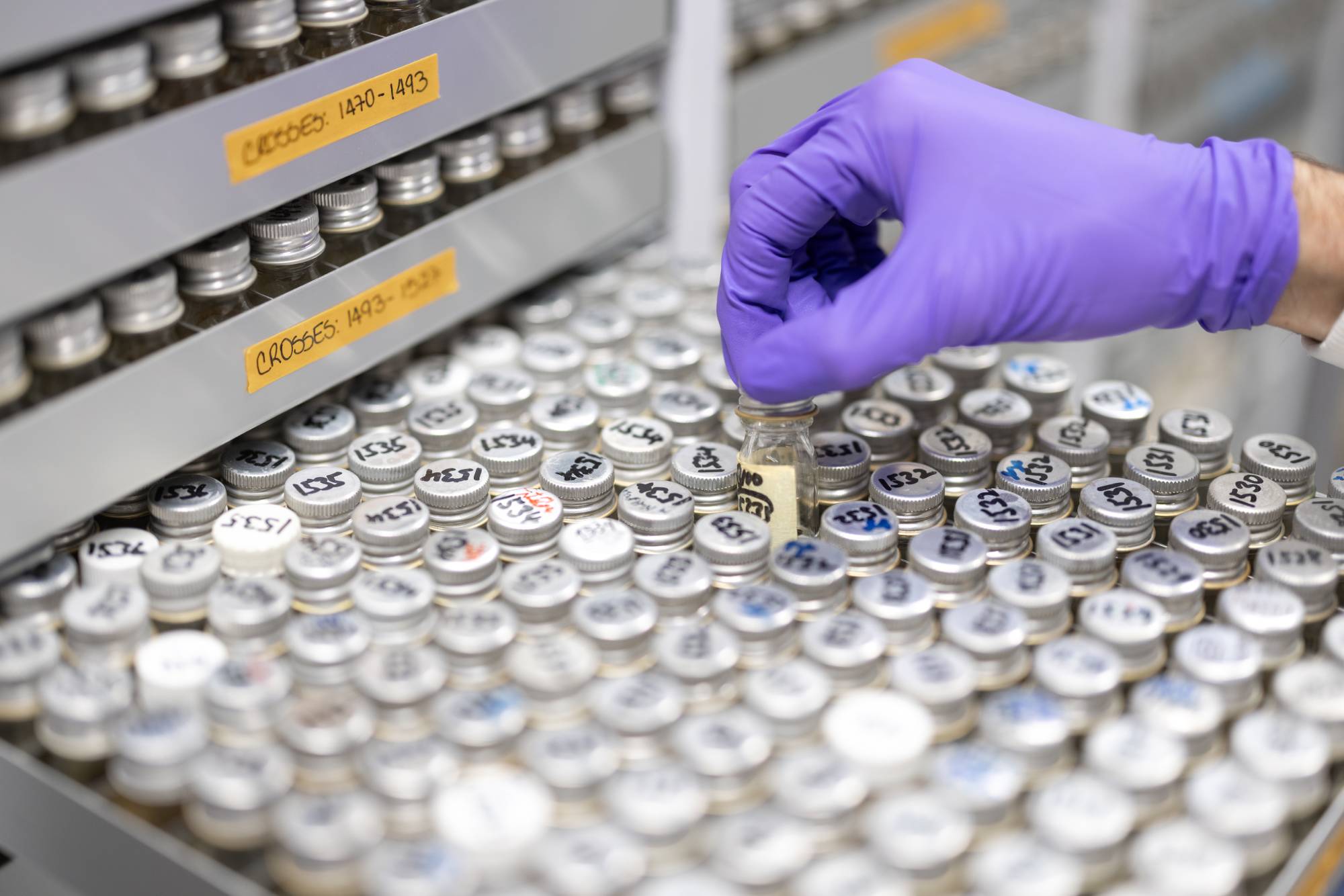
The Fleming Initiative is not a typical research endeavor. Founded by Professor Lord Ara Darzi and operating under the distinguished patronage of HRH Prince William, the Initiative is a partnership between Imperial College London and Imperial College Healthcare NHS Trust. The Initiative will have a strategic network of research that spans across the globe, positioned to foster consolidation, collaboration, and innovation. Together, AWS and the Fleming Initiative are creating capabilities that do not exist anywhere in the global healthcare ecosystem today:
- The world’s first global intelligence solution on AMR research and surveillance. This infrastructure will have the capacity to integrate a molecular compound library of more than 100,000 compounds, creating a powerful dataset for AMR research and drug discovery.
- Real-time global surveillance connecting 150+ countries. For the first time, standardized AMR data collection and analysis will have the scale to operate globally, enabling resistance patterns to be identified and addressed before they become prevalent.
- AI and ML for drug discovery and treatment optimization. With access to Amazon SageMaker and Amazon Bio Discovery, the solution will have the capability to implement models for molecular structure prediction and resistance pattern identification.
- Open science for the global research community. De-identified datasets, molecular signatures, and resistance patterns will be freely available to researchers worldwide, including through services such as the Registry of Open Data on AWS, accelerating discovery.
Technology is just one pillar underpinning Fleming Initiative’s work. The Initiative will champion and deliver campaigns for engaging and involving public with AMR and its solutions, as well as co-create interventions that empower behavior change across society. It will also encourage informed policy across the globe by sharing evidence-based tools and learnings. The Initiative is building an innovative ecosystem where clinicians work side by side with microbiologists, AI experts, behavioral scientists, and policymakers, all connecting with the public, so that powerful new ideas can emerge and thrive.
AWS’s collaboration provides the AI and cloud infrastructure that amplifies this multi-pronged approach. The collaboration with the Fleming Initiative represents a new model for how technology companies can partner with global health coalitions and impact true social change at global scale.
Over five years, we’ve seen organizations go from an idea and AWS technology to life-saving AI tools. This collaboration is the next chapter in that story, but it won’t be the last. AWS is committed to continuing investments that put AI and agentic capabilities in the hands of organizations closest to the hardest problems and the populations who need the most support.
If you’re a research organization, nonprofit, health system, or clinic, startup, or public sector organization exploring how AI can accelerate your health mission in support of underserved populations, we want to hear from you.
Learn more about AWS social impact and how AWS supports:
- Women’s health
- Genomic data democratization with global data sovereignty
- Research on rare disease
- Health and life sciences innovation with AWS fit-for-purpose health services