Come ti è sembrato il contenuto?
- Scopri
- Autorizzata al decollo: Aura Aero apre la strada al futuro dei viaggi aerei elettrici su AWS
Autorizzata al decollo: Aura Aero apre la strada al futuro dei viaggi aerei elettrici su AWS
Mentre il trasporto aereo globale raggiunge nuove vette, l’industria aeronautica deve bilanciare l’aumento della domanda con la necessità di diventare più sostenibile. I dati recenti della IATA rivelano che stiamo volando più lontano e più frequentemente che mai, con un massimo storico di 5,2 miliardi di passeggeri che voleranno nei prossimi dodici mesi. Allo stesso tempo, aumenta anche la pressione normativa per ridurre le emissioni. L’uso di carburante sostenibile per l’aviazione (SAF) è in aumento, con una produzione che si prevede che raddoppierà dal 2024-2025 fino a 1,9 milioni di tonnellate. Tuttavia, la IATA stima che le compagnie aeree avranno bisogno di 500 milioni di tonnellate per raggiungere zero emissioni nette entro il 2050.
Aura Aero sta promuovendo un trasporto aereo più sostenibile sviluppando velivoli ibridi-elettrici ed elettrici. L’azienda usa Amazon Web Services (AWS) per gestire un’infrastruttura cloud scalabile definita come codice utilizzando Terraform, con carichi di lavoro containerizzati orchestrati tramite Amazon Elastic Kubernetes Service (EKS). Questa base cloud supporta una piattaforma dati in più fasi, che si avvale di servizi come Amazon Neptune e Amazon Simple Storage Service (S3), fornendo scalabilità globale man mano che l’azienda si espande. Consente inoltre l’esecuzione di complesse simulazioni di calcolo ad alte prestazioni (HPC) per modellare l’aerodinamica e i sistemi aeronautici.
Sulla pista di decollo verso zero emissioni nette
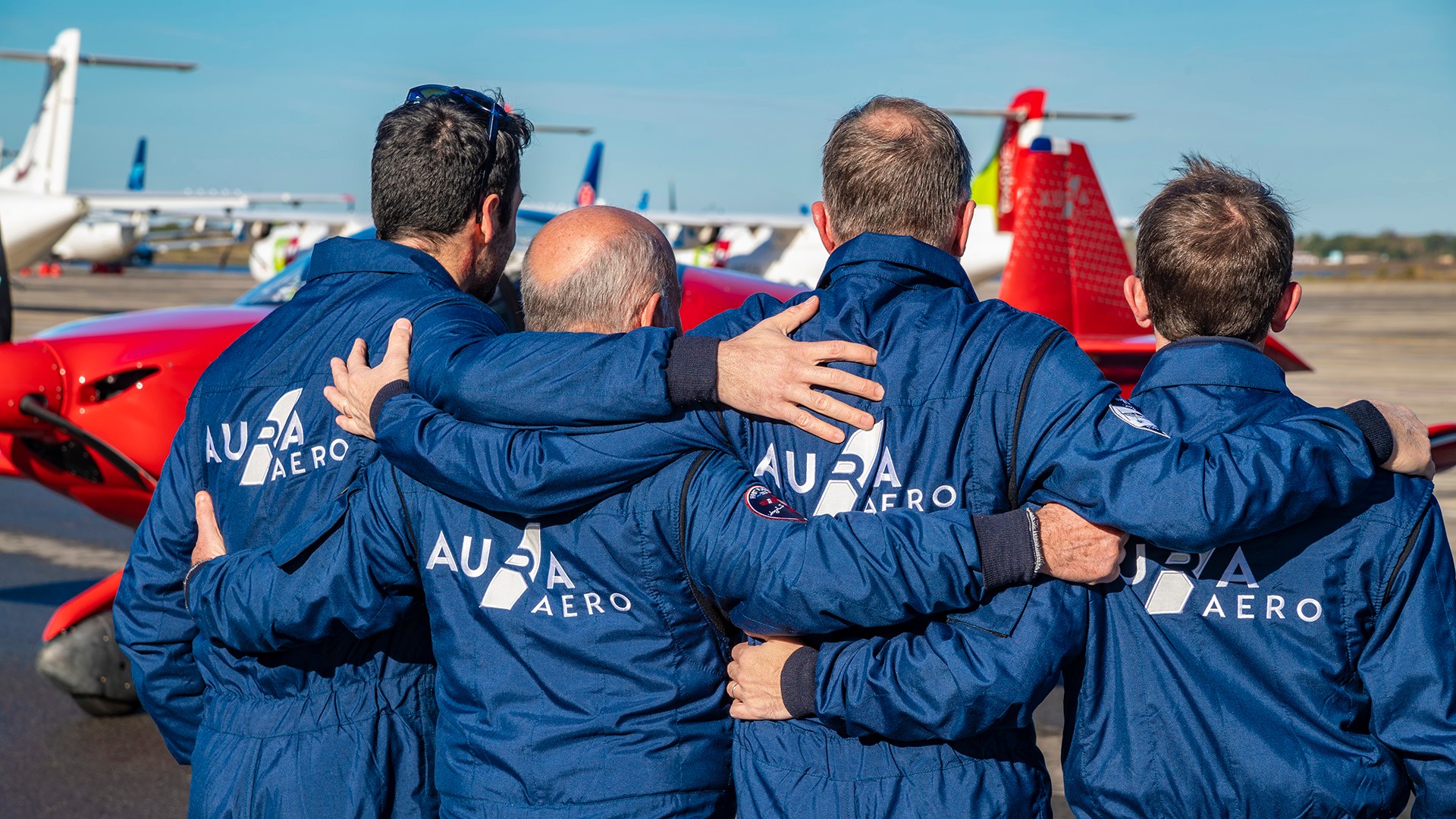
Aura Aero è stata fondata nel 2018 da tre ingegneri, Jérémy Caussade, Wilfried Dufaud e Fabien Raison, guidati dall’ambizione condivisa di creare viaggi aerei più sostenibili. Oggi, l’azienda si è affermata come pioniera nell’aviazione decarbonizzata con una presenza in Francia, Stati Uniti e negli Emirati Arabi Uniti. A differenza di altri operatori spaziali, il team di Aura Aero non si limita a sviluppare prototipi per mostrare il potenziale delle tecnologie sostenibili, ma le rende operative. “Siamo un’azienda completa”, afferma Marc Germain, Chief Digital Officer. “Siamo un ufficio di progettazione, ma anche un produttore. Non vendiamo sogni, costruiamo velivoli”.
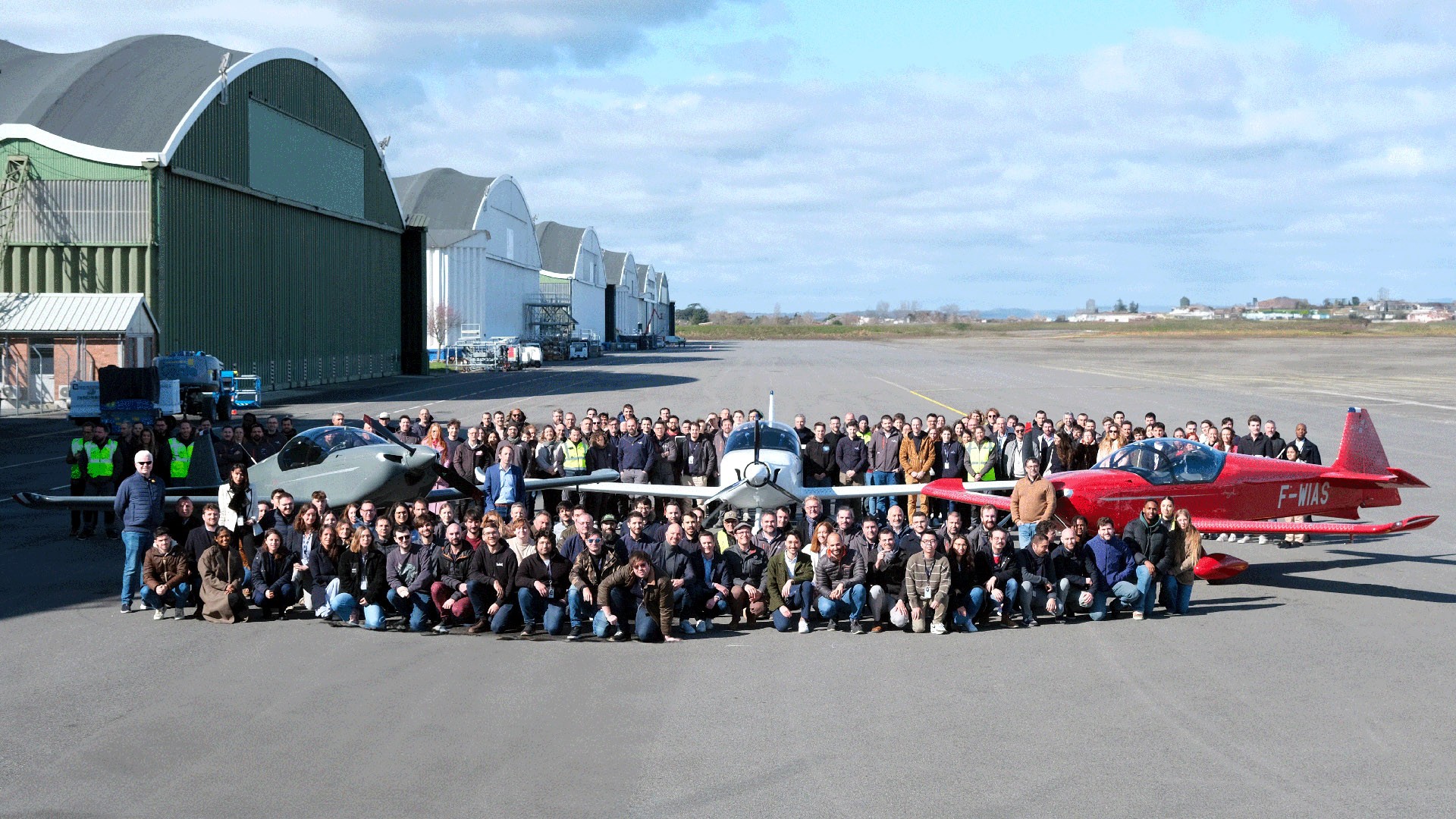
Aura Aero costruì per la prima volta INTEGRAL, un aereo da addestramento a due posti. “Innanzitutto, abbiamo progettato INTEGRAL usando un motore a combustione convenzionale. L’abbiamo certificato, fatto volare e venduto ai clienti”, afferma David Roche, Deputy Chief Digital Officer. “Abbiamo quindi trasformato quel design in un modello completamente elettrico”. Il team sta inoltre lavorando su ERA, un velivolo regionale ibrido-elettrico da 19 posti che consente una riduzione fino all’80% delle emissioni di CO2.
Questi design innovativi contribuiscono agli obiettivi del settore di riduzione delle emissioni del 55% entro il 2030 e la neutralità carbonica entro il 2050. A tal fine, Aura Aero è la prima azienda aerospaziale premiata dal Fondo per l’innovazione dell’UE, ricevendo 95 milioni di euro di finanziamenti. “È una strategia di piccoli ma pragmatici passi verso la sostenibilità”, afferma Germain.
Alla ricerca del copilota più adatto
Il team di Aura Aero non è solo rivolto al futuro nella progettazione dei velivoli, ma anche nel modo in cui producono e operano come azienda. “I nostri mercati principali sono gli Stati Uniti e l’Europa”, afferma Germain. Abbiamo intenzione di vendere in tutto il mondo e stiamo già valutando la costruzione dei nostri prossimi stabilimenti in Francia e negli Stati Uniti, dopo aver recentemente ottenuto il permesso di costruzione per la nostra fabbrica Aura a Tolosa”. Un elemento fondamentale della capacità dell’azienda di pianificare in anticipo e perseguire attivamente iniziative, investimenti ed espansioni future è il fatto che Aura Aero è nativa per il cloud, con l’intera infrastruttura digitale costruita su AWS.
“Fin dall’inizio eravamo convinti che una nuova azienda dovesse abbracciare il modo di lavorare digitale, soprattutto nella produzione”, afferma Germain. “Non disponiamo di hardware on-premises. Tutto ciò che abbiamo creato è nel cloud”. Sin dalla sua fondazione, Aura Aero ha lavorato a stretto contatto con AWS. “Per noi, AWS non è un fornitore, è un partner”, spiega Germain. “Non stiamo solo acquistando alcuni servizi o risorse, stiamo collaborando con loro”. Questa collaborazione va oltre la tecnologia.
Ad esempio, Aura Aero ha partecipato ad AWS Activate , un programma dedicato che supporta le startup con competenze tecniche e finanziamenti sotto forma di crediti AWS. Il team ha usato questi crediti per aiutarli a creare rapidamente la loro prima AWS Landing Zone. Grazie al suo lavoro innovativo nel campo dell’aviazione elettrica, l’azienda è stata anche selezionata per partecipare alla Compute for Climate Fellowship, un programma globale di finanziamento della ricerca e sviluppo fondato nel 2023 da AWS e dall’International Research Centre on Artificial Intelligence (IRCAI).
Ogni anno, un gruppo selezionato di aziende viene accettato nel programma e incoraggiato a trasformare idee audaci in soluzioni climatiche che forniscano risultati reali. “È stato molto utile per noi trarre vantaggio dal supporto fornito dal finanziamento”, afferma Germain. “Stiamo investendo i fondi forniti nell’esecuzione di simulazioni per il nostro prossimo modello di velivolo ERA”. Queste simulazioni costituiscono una parte cruciale della progettazione e dello sviluppo dei velivoli di Aura Aero e aiutano il team ad analizzare l’aerodinamica e le prestazioni del modello in diversi contesti.
Innovare nel cloud e non solo
“AWS fornisce l’HPC di cui abbiamo bisogno per eseguire simulazioni aeronautiche”, dichiara Germain. “Il completamento di queste simulazioni può richiedere diversi giorni, anche una settimana, e richiedono un’enorme capacità di core e memoria. A volte abbiamo bisogno di 100 core, altre volte di 1.000 o 2.000”. Il processo prevede tre fasi: preparare la simulazione, eseguirla e quindi elaborare i risultati. “Per ogni fase abbiamo bisogno di diversi tipi di computer e software”, afferma Germain.
Il team di Aura Aero usa l’infrastruttura AWS per allocare dinamicamente le risorse di calcolo per ogni fase del processo di simulazione utilizzando servizi come Amazon Elastic Compute Cloud (EC2). “Possiamo preparare una nuova simulazione su EC2 con molta RAM e core di CPU”, spiega Germain. “Quindi inviamo il calcolo all’HPC per avviare la campagna. Una volta completata, usiamo un altro tipo di istanza per elaborare i risultati”. Roche aggiunge: “AWS rende ogni processo molto semplice perché tutte le risorse necessarie sono disponibili on demand”.
Informazioni ingegneristiche con dati strutturati
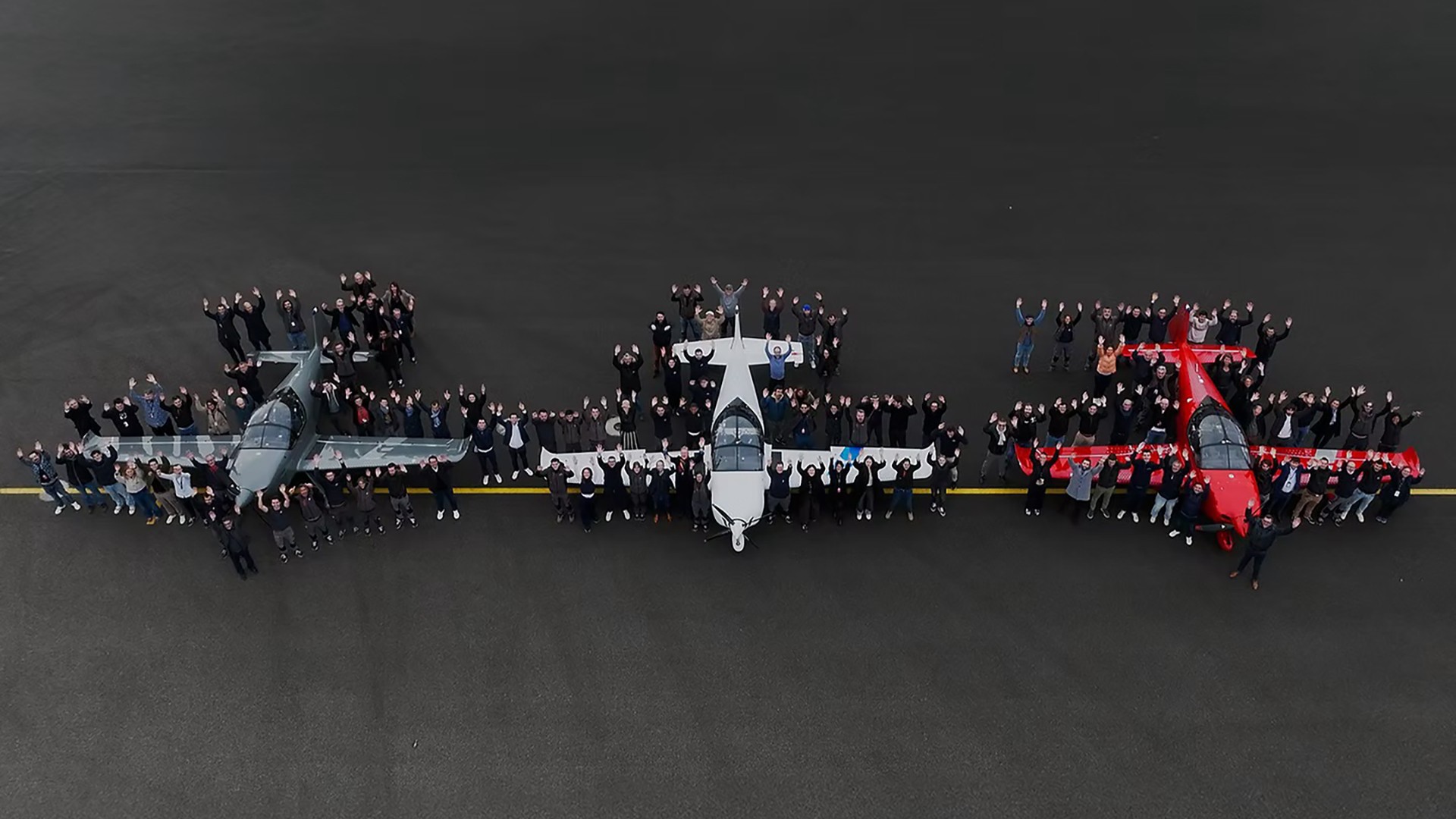
Aura Aero ha inoltre creato una piattaforma dati in più fasi su AWS progettata per organizzare i grandi volumi di dati tecnici e operativi generati durante il ciclo di vita dello sviluppo dei velivoli. “All’interno di Aura Aero abbiamo una strategia di dati molto solida e abbiamo sviluppato e continueremo a sviluppare la nostra piattaforma di dati”, afferma Germain. Tale piattaforma è strutturata su tre livelli che trasformano i dati grezzi in informazioni aziendali utili.
Nella prima fase, i dati vengono raccolti da più sistemi software in tutta l’azienda. Molte di queste informazioni arrivano sotto forma di dati non strutturati o semi-strutturati, ad esempio file JSON recuperati tramite API, e vengono archiviate in Amazon S3. Questo livello funge da base dell’architettura dei dati di Aura Aero, archiviando dati grezzi provenienti da tutta l’organizzazione. Germain spiega: “In caso di problemi con un velivolo, dobbiamo dimostrare alle autorità che possiamo recuperare i dati originali di 20 o anche 30 anni fa”.
Nella seconda fase, i dati grezzi vengono puliti e strutturati utilizzando Amazon Relational Database Service (Amazon RDS) che esegue PostgreSQL. Questo processo trasforma gli output di sistema frammentati in set di dati standardizzati che possono essere analizzati e utilizzati in tutta l’organizzazione. La fase finale introduce un livello di dati semantici basato su Amazon Neptune. Qui, Aura Aero modella le relazioni tra oggetti di dati provenienti da diversi sistemi, come software ERP (Enterprise Resource Planning ), PLM (Product Lifecycle Management) e CAD (Computer Aided Design).
Il risultato è una visione unificata degli oggetti aziendali chiave come parti, fornitori e componenti ingegneristici. “Amazon Neptune è molto comodo perché abbiamo la possibilità di creare collegamenti e di attribuire relazioni tra i diversi oggetti”, spiega Germain. Collegando questi set di dati, la piattaforma semplifica la comprensione, l’esecuzione di query e l’analisi di informazioni ingegneristiche complesse da parte di team e sistemi software.
Tutto pronto per il prossimo decollo
In futuro, Aura Aero continuerà a plasmare un futuro più sostenibile per l’industria aeronautica. “ERA è il nostro prossimo grande passo”, afferma Germain. “Attualmente stiamo costruendo strutture moderne che offriranno molte funzionalità di Industria 4.0 e Internet delle cose (IoT)”.
Aura Aero continuerà a collaborare con AWS man mano che si espande. “AWS è stata la nostra prima scelta per l’ampia gamma di servizi che fornisce”, spiega Germain. “Ci consente di scalare molto rapidamente e di supportare i nostri clienti in tutto il mondo. Quando abbiamo aperto le nostre strutture a Daytona Beach, in pochi minuti avevamo un’AWS Landing Zone operativa in America. Abbiamo semplicemente eseguito il nostro script Terraform e la zona di destinazione era pronta”.
La piattaforma di dati che Aura Aero ha costruito su AWS fornisce anche una solida base per l’implementazione dell’IA, un’area che l’azienda ha esplorato negli ultimi due anni. “L’IA è migliore quando si usano dati più strutturati e quando si apprende come eseguire correttamente i prompt, si iniziano davvero a vederne i vantaggi”, spiega Roche. “I nostri sviluppatori sono circa il 15% più efficienti e la qualità del nostro codice e della nostra documentazione è migliorata del 30-40%”. L’azienda sta ora valutando come utilizzare Amazon Bedrock per estendere l’uso dell’IA.
Startup ambiziose come Aura Aero stanno raggiungendo il successo su AWS. Programmi come AWS Activate hanno aiutato più di 350.000 startup innovative a diventare operative, attirare l’interesse degli investitori e trasformare le proprie idee in prodotti commerciabili con finanziamenti diretti sotto forma di crediti AWS. Se desideri sviluppare in modo audace, scalare senza limiti e lanciare la tua attività con sicurezza, iscriviti subito.
Come ti è sembrato il contenuto?