What is a Network Operations Center (NOC)?
- What is a Network Operations Center (NOC)?
- What are the key functions of an NOC?
- How does a NOC work?
- What are the types of NOC models?
- What are some network operations center (NOC) best practices?
- How does a NOC differ from a Security Operations Center (SOC)?
- How can AWS support your NOC requirements?
What is a Network Operations Center (NOC)?
A Network Operations Center (NOC) is a centralized hub where people monitor and manage an organization’s network infrastructure and IT resources. A NOC allows operators to view and analyze the state of current network operations and historical operating conditions, view alerts in real time, plan for capacity shifts, and respond to incidents. Where a Security Operations Center is the core of digital security in an organization, a NOC is the core of network availability and performance.
What are the key functions of an NOC?
As the central hub that monitors network operations and performance, a Network Operations Center has many different functions to provide around-the-clock connection.
Network monitoring and alerting
NOCs use a range of hardware and software to monitor network performance across an organization’s entire environment. Network Management Systems (NMS) and Application Performance Monitoring (APM) platforms can provide information about network connectivity, throughput, packet loss, latency, and jitter data to report on the current state of performance. NOCs also monitor at the edge of your internal and external networks.
Alongside collecting and displaying this data, a NOC will have alerting systems in place if any of these performance metrics drop below the baseline accepted level.
Incident management and response
If the NOC identifies that there is a disruption or anomaly in the system, the incident management and response components activate to handle the problem. These components first try to identify where the problem is and what might be causing it, escalating the ticket to a network engineer if needed.
NOC engineers respond to tickets based on severity. A Tier-1 ticket would be for something minor and less urgent, such as a new user unable to access email. A Tier-4 ticket needs an immediate response to fix a critical problem that threatens network uptime. NOC technicians will run root cause analysis, using network data logs, to identify what could be going wrong and begin to fix it.
Some responses are automated, allowing for certain failing processes to be restarted or automatic rollbacks occurring in network orchestration tools to revert to a previously working state.
Network performance optimization
An NOC also aims to continually improve performance to make sure that network resources are delivered optimally and with minimal latency. Engineers might consult historical performance data to measure improvement over time, seeing how performance responds to changes such as Quality of Service tuning.
Capacity planning
Capacity planning is the process of using trend analysis, predictive modeling, and scenario simulation to see whether a network could handle potential spikes in traffic or increased future growth. These tests aim to ensure that network infrastructure can handle high workloads.
If any of these scenario tests fail, a Network Operations Center will look to implement supporting technologies or new infrastructure to increase the network’s potential capacity.
How does a NOC work?
Several different layers of technology work together in a Network Operations Center.
Collection layer
The collection layer of an NOC is a catch-all for any information and log data that the network produces or receives. System logs, data flow patterns, and telemetry feeds in the network deliver data to this layer, with streaming pipelines and message queues helping to make sure these messages arrive with minimal latency.
Beyond collecting data, the collection layer also handles data normalization and enrichment. It aims to turn raw data into useful information by attaching metadata that downstream analytics engines will be better able to process.
Analysis layer
The analysis layer focuses on transforming the received and tagged data from the collection layer into insights that an engineer could use to diagnose problems or understand network performance issues. This layer has event correlation engines, advanced analytics systems, and dependency maps to trace how an event in one location might impact the rest of the network.
At this stage, engineers can use this data to perform root cause identification, detect any strange patterns in performance data, and convert data into actionable insights.
AIOps has been an important addition to the NOC tech stack, as machine learning can help detect anomalies and identify threats, enabling NOC engineers to mount a faster response.
Response layer
The response layer in NOC systems is where actions are taken based on all previous analysis. An action could be as simple as triggering an automated response or as urgent as directly alerting NOC engineers with device lights and sounds that they need to attend to the network. In many cases, NOC uses IT service management platforms to generate new tickets and track these tickets to resolution.
Even in high-performance NOC systems with complex automation pipelines, human oversight remains key.
Escalation and communication
If the response layer outlines escalation as the appropriate response, then the problem is passed to the final operational tier. This tier aims to surmise known details about an event and communicate them to any related parties in a company. The exact details of this depend on internal policy and structure. For example, some companies have Tier-1, Tier-2, and Tier-3 engineers who each take responsibility for tickets in their respective categories.
If an NOC engineer can’t resolve the problem in their ticket, then they pass it to the next level of Tier. Communication also involves documenting incidents and producing post-incident response reports.
What are the types of NOC models?
There are four different types of NOC models, each of which offers different benefits and operational purposes.
In-house NOCs
An in-house NOC is when your NOC is completely hosted, managed, and staffed by your own company. You will manage every part of the NOC structure in a centralized location, including incident detection and response, providing full visibility over your internal processes and complete data sovereignty.
In-house NOCs are especially useful for highly regulated industries and companies that have complex internal infrastructure with skilled staff members.
Outsourced NOCs
An outsourced NOC is where you pass off all NOC operations to a third-party company. The provider you partner with will remotely control your NOC, using their own staff and tech stack.
This option is most common for businesses that don’t have the in-house infrastructure or skill capabilities to host their own NOC. Alternatively, as many outsourced NOCs work under SLAs, this option is useful for companies that need guaranteed response times and network reliability.
Hybrid network operations center (NOC)
A hybrid NOC is where your company might manage some of the responsibilities associated with NOC and potentially the lower-tier Tier-1 or Tier-2 tickets, but contracts a third party for more complex capabilities. The third party will monitor your network systems and can help prevent network failures, but only in their assigned responsibilities.
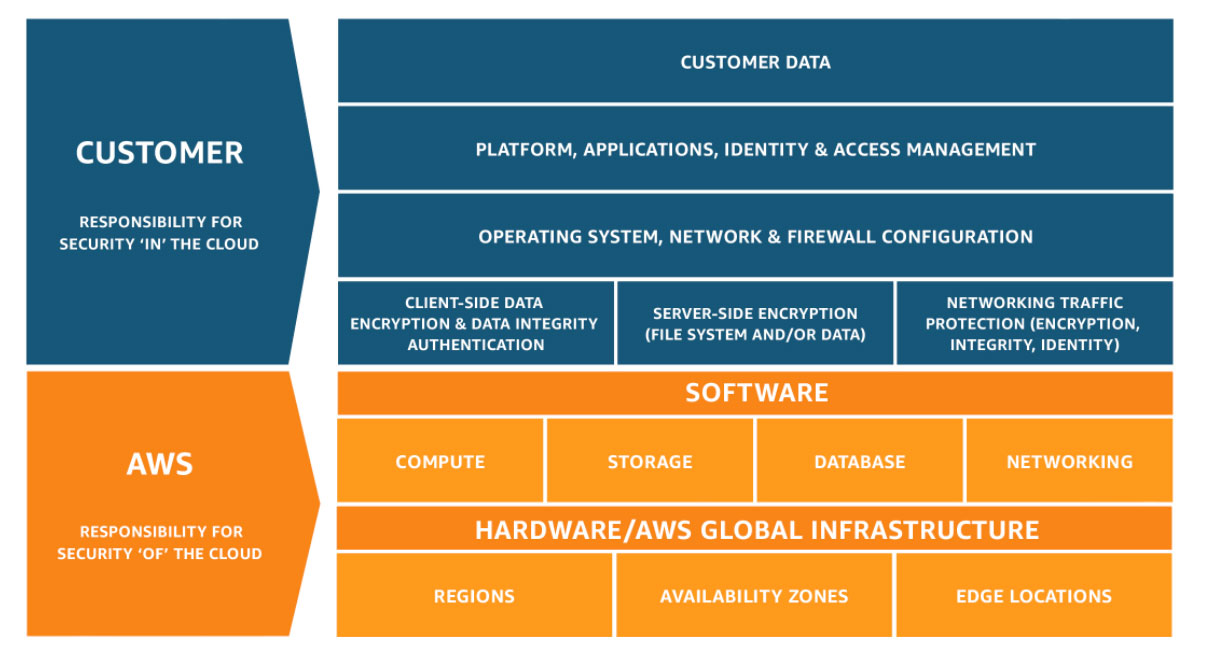
To support business continuity and effectively handle any network disruptions, companies that choose this option need to clearly establish which responsibilities fall to each party. A shared responsibility model helps to prevent network issues from continuing to be active due to both parties believing it is the other’s responsibility.
Cloud-native NOCs
A cloud-native NOC uses cloud-based tools to manage all NOC functions in the cloud. Service providers will offer full observability platforms, collecting data by APIs and providing overviews in dashboards. A cloud model can be self-governed by your company or a hybrid contracting configuration. For the former, you will run all NOC capabilities but will do so from cloud-based tools.
What are some network operations center (NOC) best practices?
Businesses can follow these network operations center best practices to ensure their network systems remain available and resilient.
Establish clear escalation procedures and network management runbooks
NOCs split incoming incidents into different tiers, allowing the correct employees to manage the event. Organizations should ensure their escalation procedures and the specific runbook of what to do in each case are clearly defined. Outline which teams to notify for certain conditions, how escalation works in terms of its triggers, and step-by-step case management runbooks.
Implement automated alerting and remediation
Automation reduces the manual labor needed to manage and sustain NOC operations. Using thresholding and intelligent triggers allows teams to create action pathways. For example, an automated remediation workflow could try to restart a node if it goes offline. Automation is a key tool to help reduce the workload for NOC engineers.
Maintain detailed asset and dependency inventories
NOC aims to oversee the entirety of a company’s network. Without full visibility into the network, engineers are unable to accurately understand it, its performance, and what they should be administering. Automatic discovery tools and dependency mapping tools can help to give full visibility over a network environment.
Use centralized logging and correlation
Using a centralized location for network monitoring and event logging allows you to consolidate all of your incoming metrics, logs, and telemetry data into one place. When it comes time to label and analyze data, having it in one place makes for easier correlation. Centralizing your data also helps meet compliance obligations and facilitates more effective analysis.
Define SLAs and KPIs
It’s important to define your service level agreements (SLAs) and KPIs, especially when working with external service providers. SLAs, often spanning across uptime, mean time to detect, and mean time to resolve, will set response guidelines that your partner has to meet. KPIs are more general goals to meet, such as alert-to-ticket conversion rates. Having both these guidelines helps to ensure your NOC strategy is as comprehensive as possible.
Conduct regular incident reviews
After an incident occurs, you should conduct a post-incident review (PIR) to better understand what happened and determine whether your outlined process worked well. Identifying the root cause and adding new information it to your runbooks can help remedy the problem faster in the future.
Invest in tooling
Due to how extensive NOC is, there are several different groups of tools that can make different segments of operations more effective. For example:
- Monitoring and observability tools
- Knowledge management and communication tools
- ITSM and ticketing tools
- AI and AIOps for analysis and detection
How does a NOC differ from a Security Operations Center (SOC)?
A NOC focuses on monitoring and improving network structures. A Security Operations Center, on the other hand, focuses on tasks such as identifying security threats through security analytics, providing anti-malware and antivirus support, and protecting data from unauthorized access. There is an overlap in some regards, but SOCs and NOCs fundamentally use different technologies and have separate escalation pathways.
How can AWS support your NOC requirements?
AWS offers a range of services to integrate directly into your Network Operations Center to make the most of your cloud infrastructure:
- Amazon CloudWatch is an intelligent observability service that provides actionable insights across applications and infrastructure. CloudWatch allows you to monitor and optimize your entire technology stack.
- AWS Config helps you continually assess, monitor, and record resource configuration changes to simplify change management.
- AWS Systems Manager provides a centralized view of nodes across your organization’s accounts and Regions. AWS Systems Manager allows you to provision, configure, and automate the deployment of your compute resources.
Get started with NOC operations on AWS by creating a free account today.
Browse all cloud computing concepts
Browse all cloud computing concepts content here:
Did you find what you were looking for today?
Let us know so we can improve the quality of the content on our pages