AWS Architecture Blog
Category: *Post Types
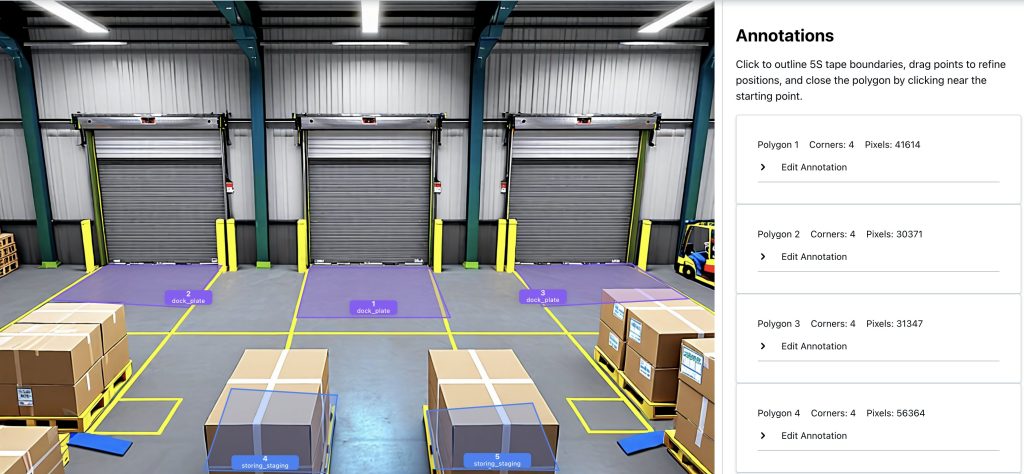
Automate safety monitoring with computer vision and generative AI
This post describes a solution that uses fixed camera networks to monitor operational environments in near real-time, detecting potential safety hazards while capturing object floor projections and their relationships to floor markings. While we illustrate the approach through distribution center deployment examples, the underlying architecture applies broadly across industries. We explore the architectural decisions, strategies for scaling to hundreds of sites, reducing site onboarding time, synthetic data generation using generative AI tools like GLIGEN, and other critical technical hurdles we overcame.
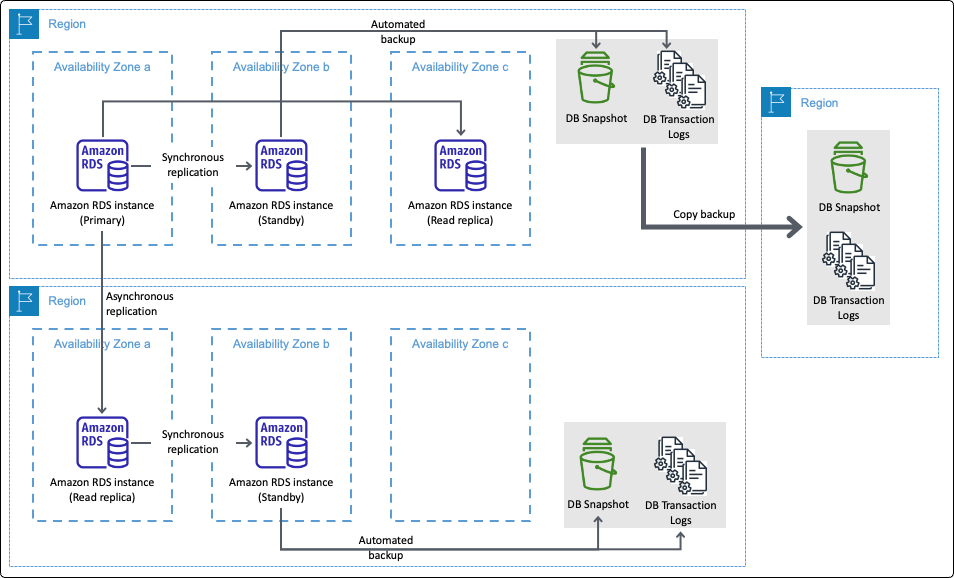
Streamlining access to powerful disaster recovery capabilities of AWS
In this blog post, we take a building blocks approach. Starting with the tools like AWS Backup to protect your data, we then add protection for Amazon Elastic Compute Cloud (Amazon EC2) compute using AWS Elastic Disaster Recovery (AWS DRS). Finally, we show how to use the full capabilities of AWS to restore your entire workload—data, infrastructure, networking, and configuration, using Arpio disaster recovery automation.
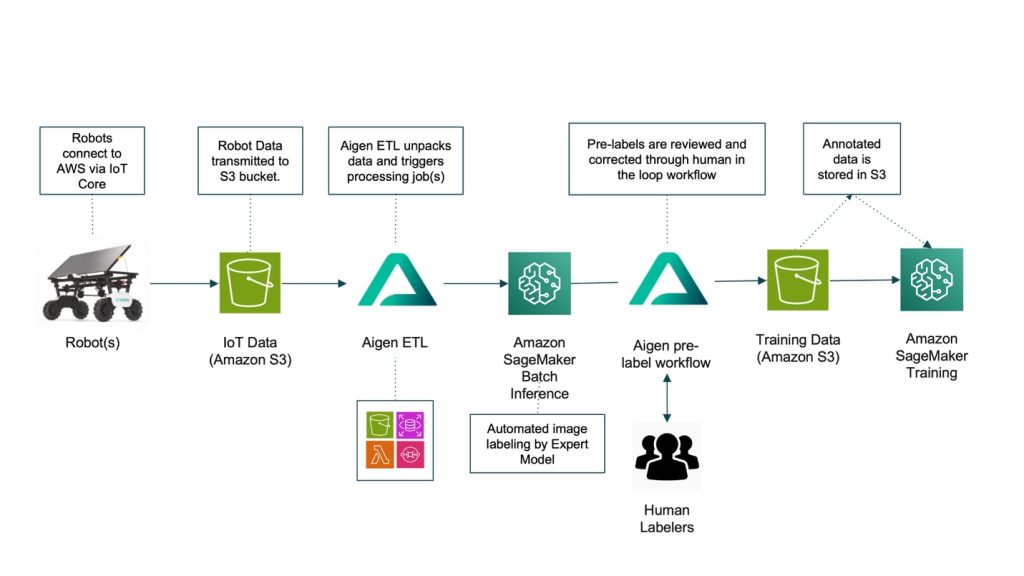
How Aigen transformed agricultural robotics for sustainable farming with Amazon SageMaker AI
In this post, you will learn how Aigen modernized its machine learning (ML) pipeline with Amazon SageMaker AI to overcome industry-wide agricultural robotics challenges and scale sustainable farming. This post focuses on the strategies and architecture patterns that enabled Aigen to modernize its pipeline across hundreds of distributed edge solar robots and showcase the significant business outcomes unlocked through this transformation. By adopting automated data labeling and human-in-the-loop validation, Aigen increased image labeling throughput by 20x while reducing image labeling costs by 22.5x.
How Generali Malaysia optimizes operations with Amazon EKS
In this post, we look at how Generali is using Amazon EKS Auto Mode and its integration with other AWS services to enhance performance while reducing operational overhead, optimizing costs, and enhancing security.
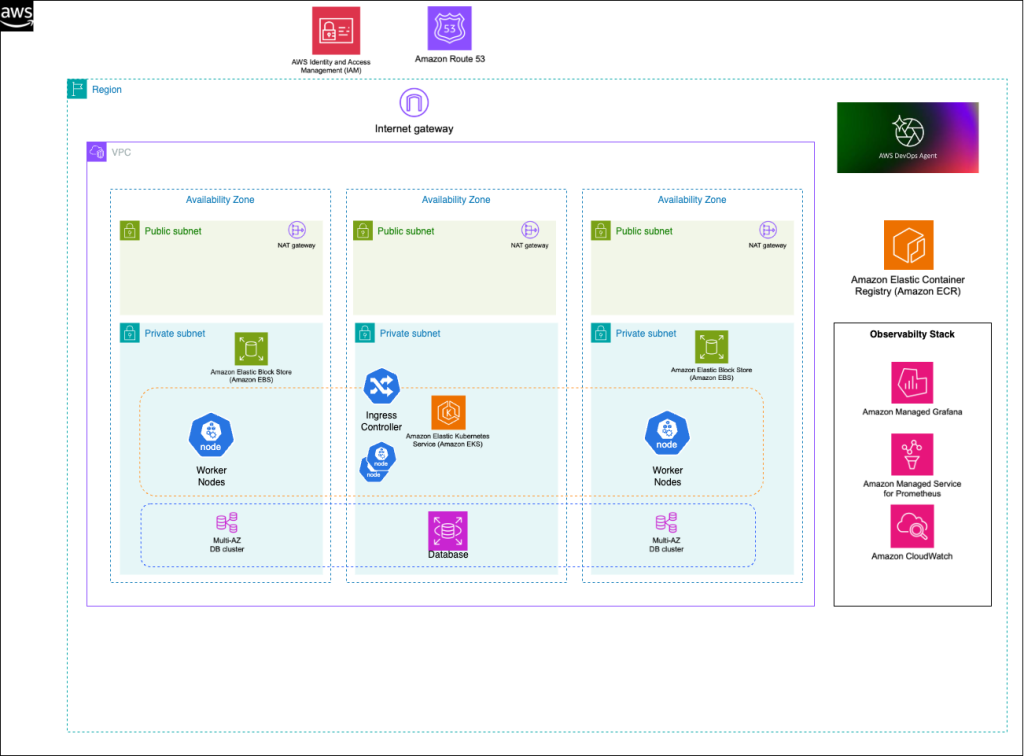
AI-powered event response for Amazon EKS
In this post, you’ll learn how AWS DevOps Agent integrates with your existing observability stack to provide intelligent, automated responses to system events.
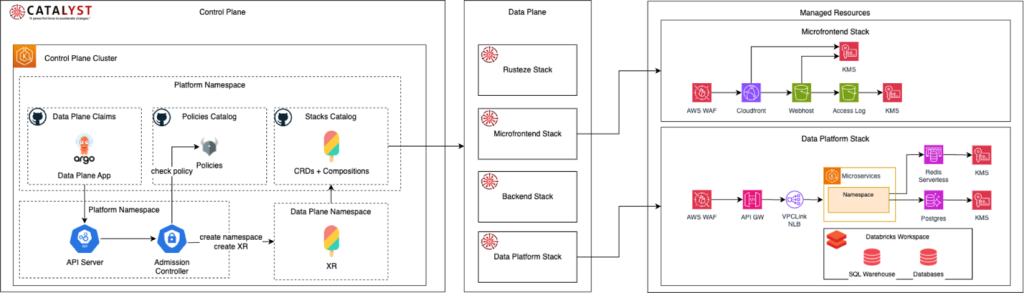
Digital Transformation at Santander: How Platform Engineering is Revolutionizing Cloud Infrastructure
Santander faced a significant technical challenge in managing an infrastructure that processes billions of daily transactions across more than 200 critical systems. The solution emerged through an innovative platform engineering initiative called Catalyst, which transformed the bank’s cloud infrastructure and development management. This post analyzes the main cases, benefits, and results obtained with this initiative.
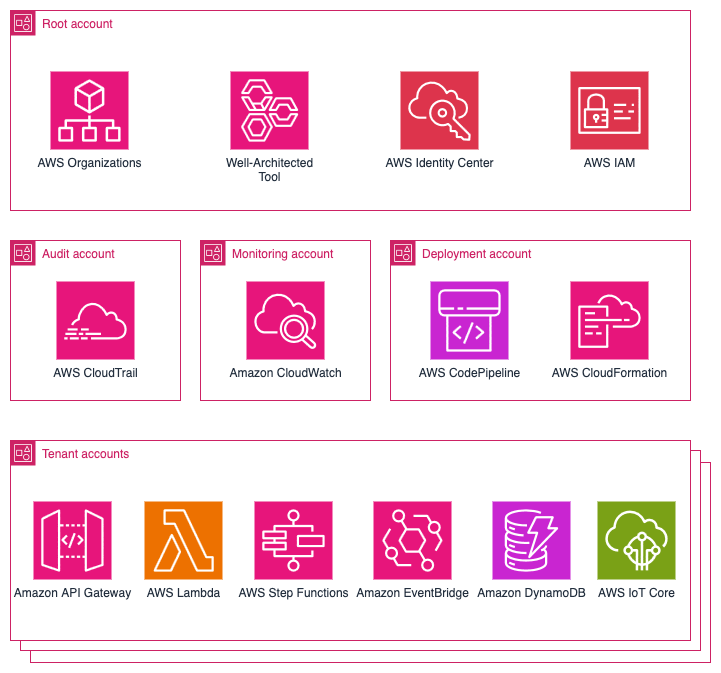
6,000 AWS accounts, three people, one platform: Lessons learned
This post describes why ProGlove chose a account-per-tenant approach for our serverless SaaS architecture and how it changes the operational model. It covers the challenges you need to anticipate around automation, observability and cost. We will also discuss how the approach can affect other operational models in different environments like an enterprise context.
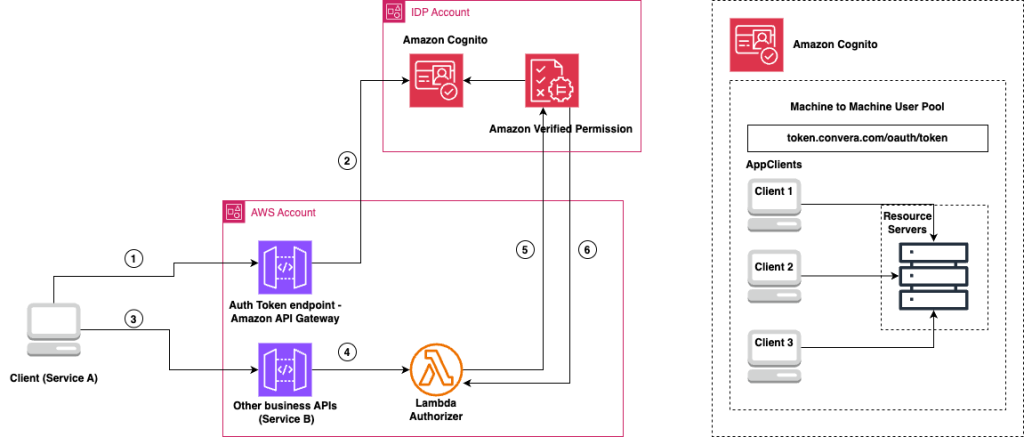
How Convera built fine-grained API authorization with Amazon Verified Permissions
In this post, we share how Convera used Amazon Verified Permissions to build a fine-grained authorization model for their API platform.

Sovereign failover – Design for digital sovereignty using the AWS European Sovereign Cloud
This post explores the architectural patterns, challenges, and best practices for building cross-partition failover, covering network connectivity, authentication, and governance. By understanding these constraints, you can design resilient cloud-native applications that balance regulatory compliance with operational continuity.
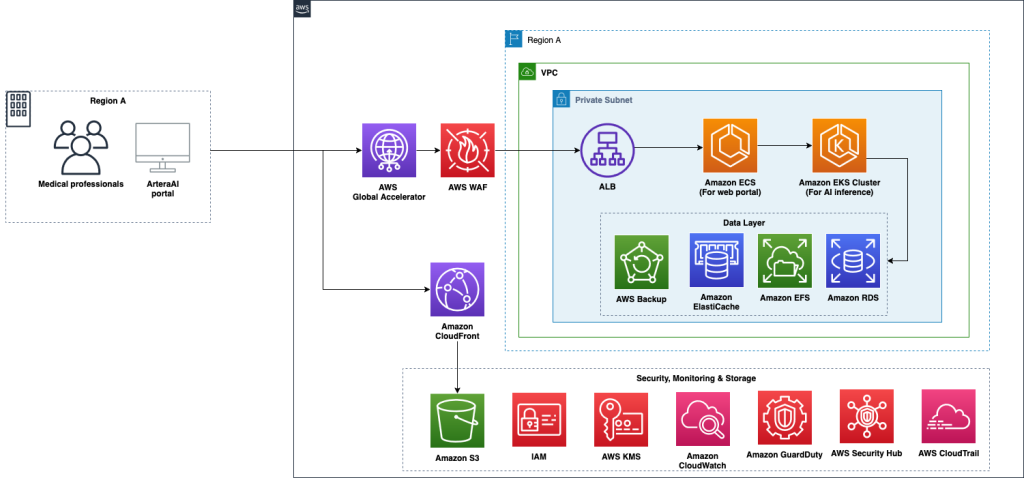
How Artera enhances prostate cancer diagnostics using AWS
In this post, we explore how Artera used Amazon Web Services (AWS) to develop and scale their AI-powered prostate cancer test, accelerating time to results and enabling personalized treatment recommendations for patients.