AWS Architecture Blog
Category: Security, Identity, & Compliance
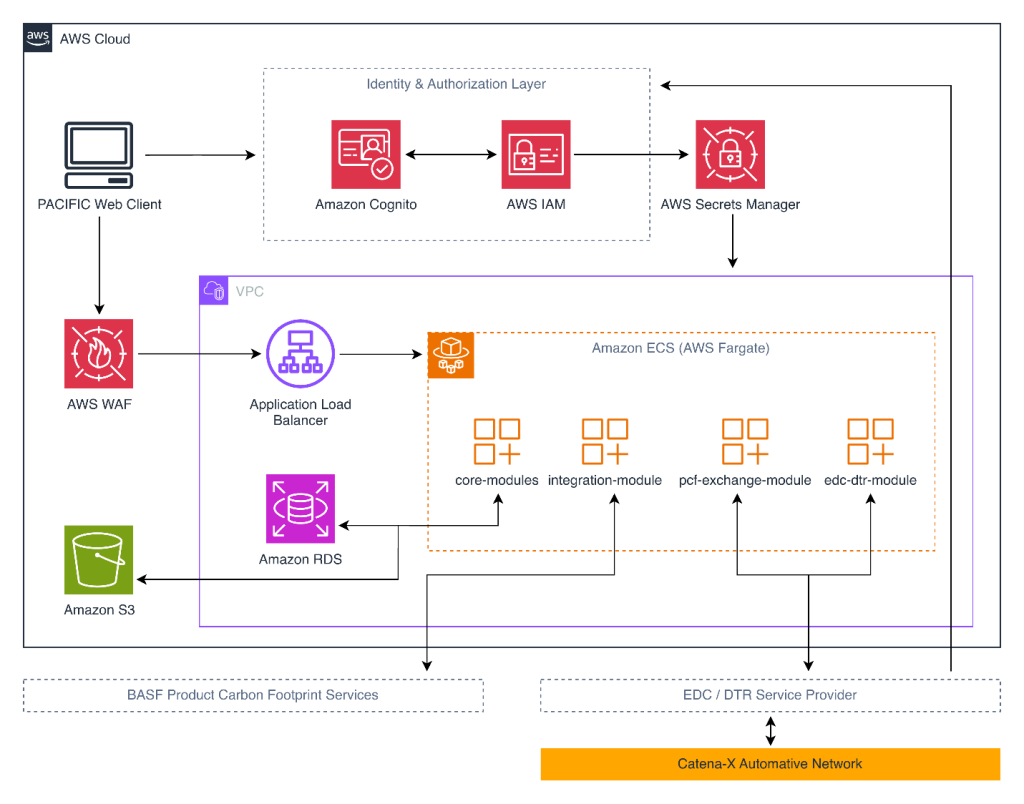
PACIFIC enables multi-tenant, sovereign product carbon footprint exchange on the Catena-X data space using AWS
This post explores how PACIFIC enables multi-tenant, sovereign PCF exchange on the Catena-X data space using Amazon Elastic Container Service (Amazon ECS) on AWS Fargate, Amazon Cognito, and AWS Identity and Access Management (IAM) to deliver measurable environmental impact and competitive advantage in a carbon-conscious marketplace.
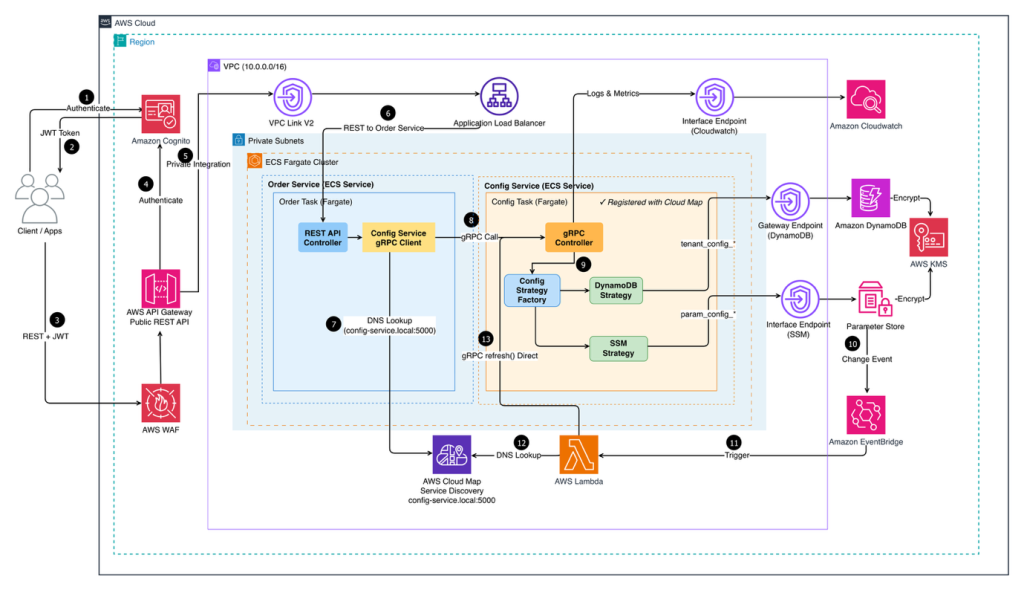
Build a multi-tenant configuration system with tagged storage patterns
In this post, we demonstrate how you can build a scalable, multi-tenant configuration service using the tagged storage pattern, an architectural approach that uses key prefixes (like tenant_config_ or param_config_) to automatically route configuration requests to the most appropriate AWS storage service. This pattern maintains strict tenant isolation and supports real-time, zero-downtime configuration updates through event-driven architecture, alleviating the cache staleness problem.
How Generali Malaysia optimizes operations with Amazon EKS
In this post, we look at how Generali is using Amazon EKS Auto Mode and its integration with other AWS services to enhance performance while reducing operational overhead, optimizing costs, and enhancing security.
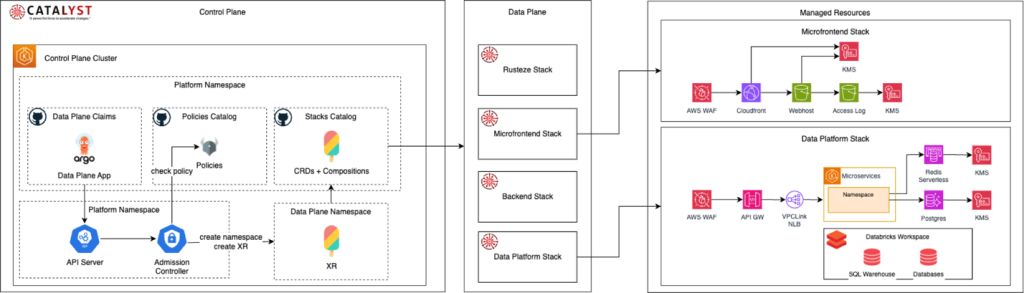
Digital Transformation at Santander: How Platform Engineering is Revolutionizing Cloud Infrastructure
Santander faced a significant technical challenge in managing an infrastructure that processes billions of daily transactions across more than 200 critical systems. The solution emerged through an innovative platform engineering initiative called Catalyst, which transformed the bank’s cloud infrastructure and development management. This post analyzes the main cases, benefits, and results obtained with this initiative.
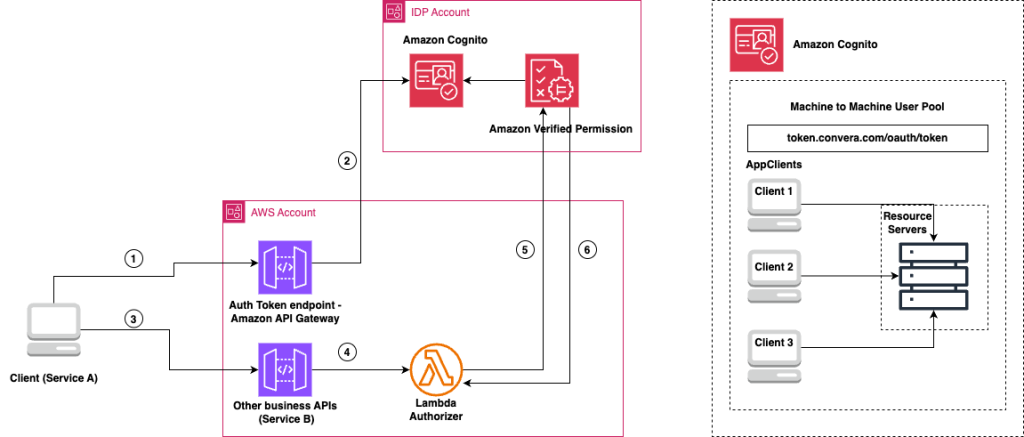
How Convera built fine-grained API authorization with Amazon Verified Permissions
In this post, we share how Convera used Amazon Verified Permissions to build a fine-grained authorization model for their API platform.
Sovereign failover – Design for digital sovereignty using the AWS European Sovereign Cloud
This post explores the architectural patterns, challenges, and best practices for building cross-partition failover, covering network connectivity, authentication, and governance. By understanding these constraints, you can design resilient cloud-native applications that balance regulatory compliance with operational continuity.
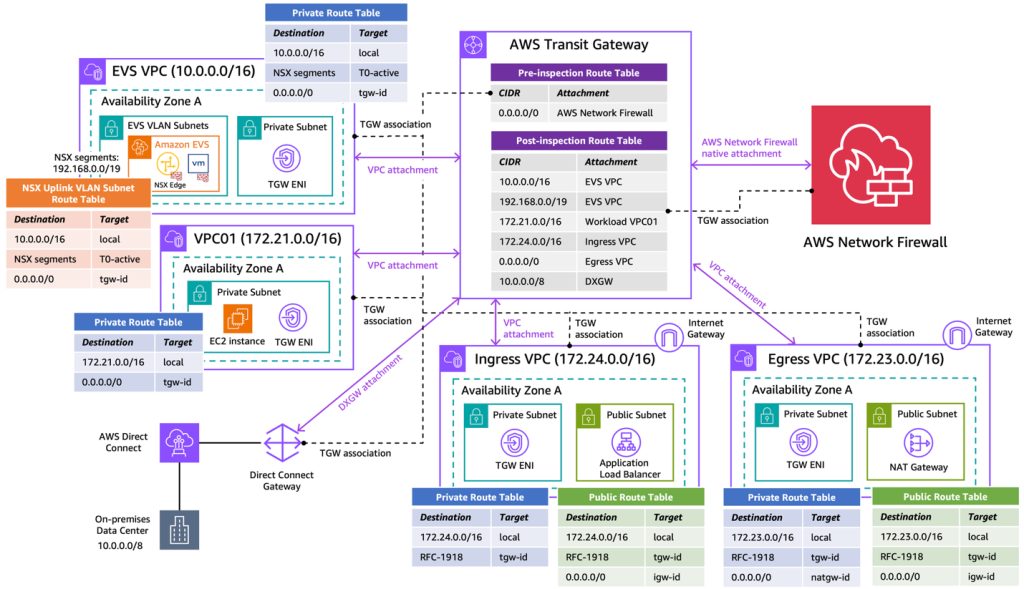
Secure Amazon Elastic VMware Service (Amazon EVS) with AWS Network Firewall
In this post, we demonstrate how to utilize AWS Network Firewall to secure an Amazon EVS environment, using a centralized inspection architecture across an EVS cluster, VPCs, on-premises data centers and the internet. We walk through the implementation steps to deploy this architecture using AWS Network Firewall and AWS Transit Gateway.
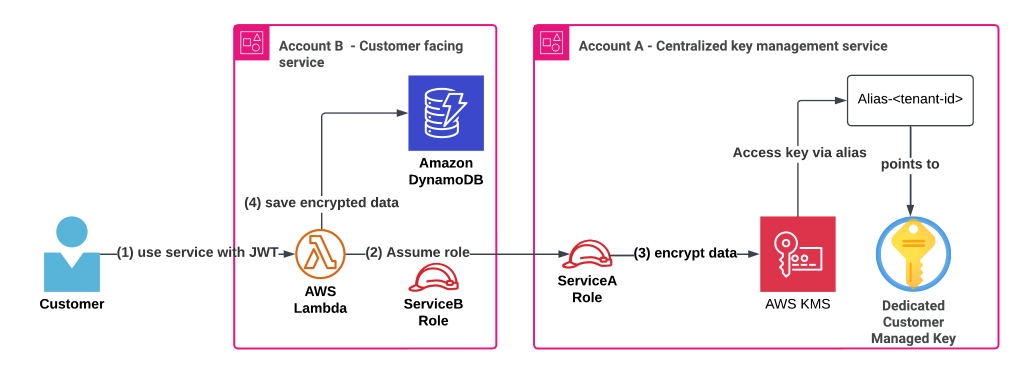
Simplify multi-tenant encryption with a cost-conscious AWS KMS key strategy
In this post, we explore an efficient approach to managing encryption keys in a multi-tenant SaaS environment through centralization, addressing challenges like key proliferation, rising costs, and operational complexity across multiple AWS accounts and services. We demonstrate how implementing a centralized key management strategy using a single AWS KMS key per tenant can maintain security and compliance while reducing operational overhead as organizations scale.
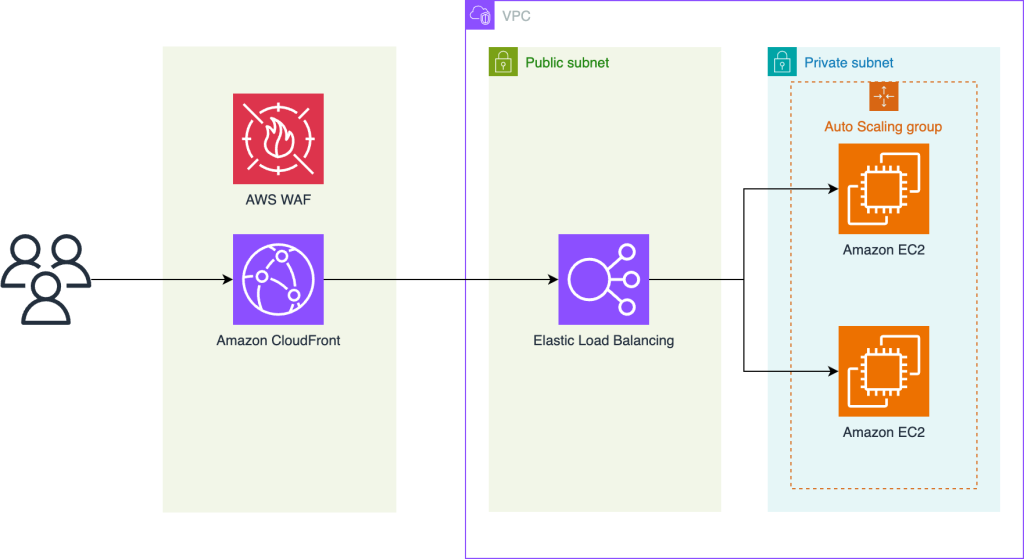
How Scale to Win uses AWS WAF to block DDoS events
In this post, you’ll learn how Scale to Win configured their network topology and AWS WAF to protect against DDoS events that reached peaks of over 2 million requests per second during the 2024 US presidential election campaign season. The post details how they implemented comprehensive DDoS protection by segmenting human and machine traffic, using tiered rate limits with CAPTCHA, and preventing CAPTCHA token reuse through AWS WAF Bot Control.

Amazon Bedrock baseline architecture in an AWS landing zone
In this post, we explore the Amazon Bedrock baseline architecture and how you can secure and control network access to your various Amazon Bedrock capabilities within AWS network services and tools. We discuss key design considerations, such as using Amazon VPC Lattice auth policies, Amazon Virtual Private Cloud (Amazon VPC) endpoints, and AWS Identity and Access Management (IAM) to restrict and monitor access to your Amazon Bedrock capabilities.