AWS Database Blog

Elasticsearch tutorial: a quick start guide
Elasticsearch has REST API operations for everything—including its indexing capabilities. Besides the REST API, there are AWS SDKs for the most popular development languages. In this guide, we use the REST API so that you can learn about the underlying technology in a language-agnostic way. Indexing is the core of Elasticsearch. It’s what allows you […]

Migrating Oracle Autonomous Transactions to PostgreSQL
July 2023: This post was reviewed for accuracy. Migrating and operating a database includes layers of complexity and thorough planning. Amazon RDS for PostgreSQL and Amazon Aurora with PostgreSQL compatibility can help you manage a variety of use cases. While migrating from Oracle to PostgreSQL, it’s very common to come across Oracle Autonomous Transactions. This […]
Supercharge your Amazon RDS for MySQL deployment with ProxySQL and Percona Monitoring and Management
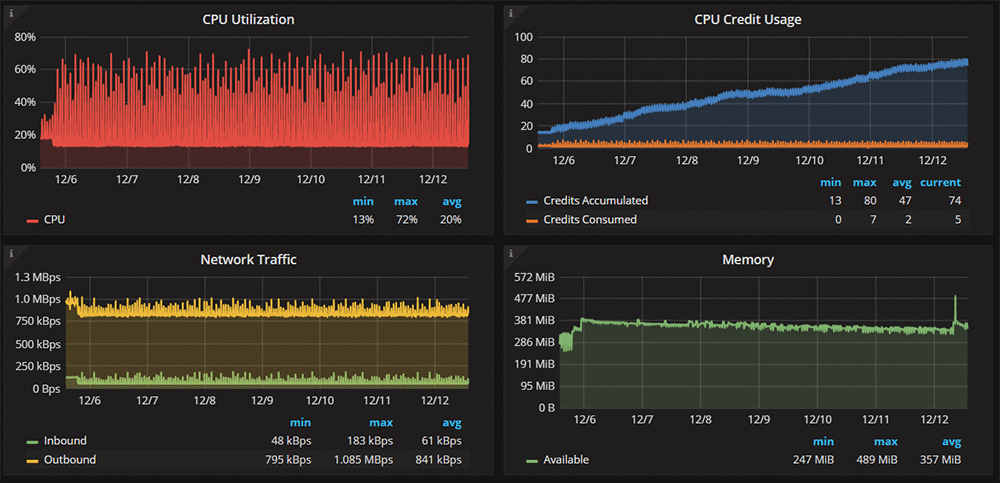
So your organization is looking to deploy an application to the cloud, and you plan to use Amazon RDS for MySQL for the data tier… great! Let’s look at some of the best practices to ensure that you get the most out of your architecture.

Using Sort Keys to Organize Data in Amazon DynamoDB
It’s easy to start filling an Amazon DynamoDB table with data. However, without forethought about organizing your data, you can limit your data-retrieval options later. Data organization and planning for data retrieval are critical steps when designing a table. Without proper data organization, the only options for retrieving data are retrieval by partition key or […]
Best practices for upgrading SQL Server 2008 R2 to SQL Server 2016 on Amazon RDS for SQL Server
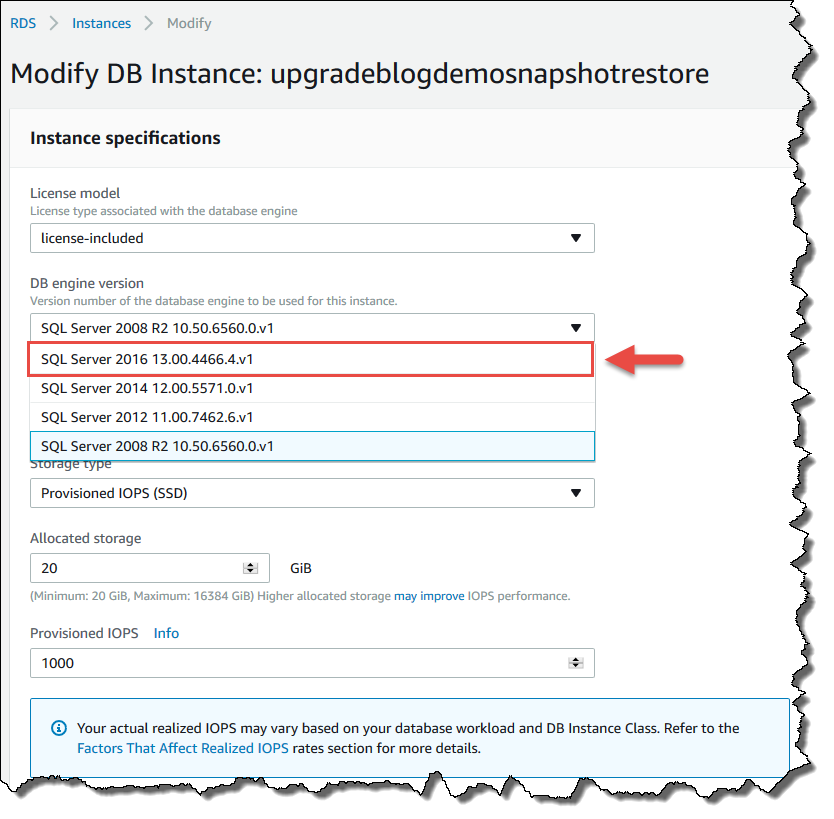
In preparation for the deprecation of Microsoft SQL Server 2008 R2, this blog post focuses on how to upgrade from SQL Server 2008 R2 to SQL Server 2016 on Amazon RDS for SQL Server. In addition, you can apply many of the practices in this post to all versions of SQL Server or even other […]

Using Amazon EBS elastic volumes with Oracle databases (part 3): databases using Oracle ASM
October 2024: This post was reviewed for accuracy. In parts 1 and 2 of this blog series, we discuss the elastic volumes feature for Amazon EBS and how it works with Oracle database storage layouts. We discuss elastic volumes with databases that use operating-system file systems and that use Logical Volume Managers (LVM) for database […]

Tuning Amazon RDS for MySQL with Performance Insights
Amazon RDS Performance Insights brings an intuitive tuning interface to Amazon RDS to help you discover and investigate performance issues on your RDS databases. The look and feel of Performance Insights is the same across all database engine types, such as RDS for MySQL, RDS for PostgreSQL, and Amazon Aurora. However, every engine has a […]

Monitoring your security with GuardDuty in real time with Amazon Elasticsearch Service
September 8, 2021: Amazon Elasticsearch Service has been renamed to Amazon OpenSearch Service. See details. When you use Amazon GuardDuty to help you protect your AWS accounts and workloads, you can enhance your ability to quickly search and visualize a large amount of data. In an enterprise, you might be analysing activity from thousands of […]

Using Amazon EBS elastic volumes with Oracle databases (part 2): databases using LVM
August, 2024: This post has been reviewed and updated for accuracy. In part 1 of this blog series, we discuss the elastic volumes feature. We also discuss Oracle database storage layouts for simple databases that use a single Amazon EBS volume without LVM for database storage. In this post, part 2 of the series, we […]

Amazon DynamoDB highlights from the last 18 months you may have missed
Amazon DynamoDB is a nonrelational database that delivers reliable performance at any scale. It’s a fully managed, multiregion, multimaster database that provides consistent single-digit millisecond latency, and offers built-in security, backup and restore, and in-memory caching. This blog post recaps DynamoDB highlights from the last 18 months. Read this post to learn how to fuel your […]