Networking & Content Delivery
Building Intelligent Network Operations Agent with Amazon Bedrock AgentCore
It’s 2 AM when your phone alerts you to failing customer transactions in the North Virginia Region. As a network operator managing an Imaging platform on Amazon Web Services (AWS), you’re faced with troubleshooting an architecture that spans multiple Amazon Virtual Private Cloud (Amazon VPC), uses AWS Transit Gateway for interconnectivity, and runs many microservices. The root cause could be anywhere—from a security group misconfiguration to a Network Access Control List (NACL) issue, or perhaps an AWS Network Firewall rule blocking legitimate traffic. These scenarios are increasingly common in modern cloud environments, where complex networking topologies can lead to extended resolution times.
Today’s AWS users operate in environments that often encompass hundreds of VPCs across multiple AWS Regions, each with its own set of security configurations, Network Firewall policies, and intricate routing through Transit Gateway. When connectivity issues arise, teams typically navigate through multiple data sources—VPC Flow Logs, Amazon CloudWatch metrics, AWS Reachability Analyzer findings, and application logs—often resulting in lengthy troubleshooting sessions and inconsistent resolution approaches. In this post, I explore how the AI capabilities of Amazon Bedrock AgentCore can integrate with AWS networking services to create intelligent Networking Operations Agents, automating diagnostics and remediation while maintaining security and operational standards.
The building blocks for an Agent
Much like Lego blocks interconnecting to form complex structures, an agent-based solution is built by integrating multiple modular components. Each piece serves a specific purpose, and when combined thoughtfully, they create a robust and flexible Networking Operations system that can adapt and scale with your organization’s needs. Figure 1 represents the building blocks needed for such Agent:
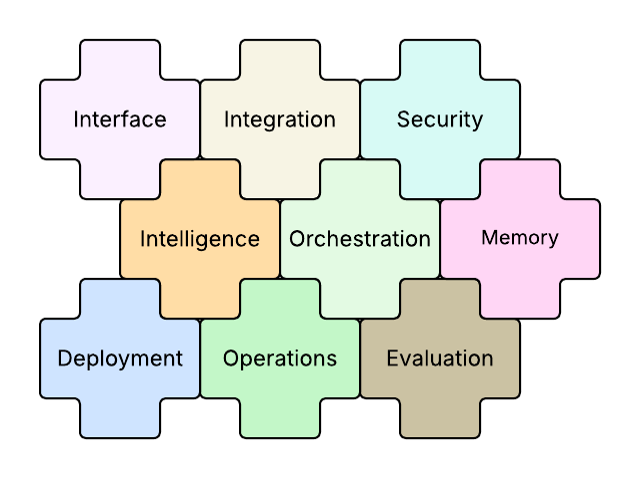
Figure 1 : The building blocks of a Networking Operations Agent
- The Interface & Integration blocks serves as the primary touchpoint between users and the system, providing natural language processing capabilities and multi-modal input support, while enabling seamless interaction with AWS services. It works by translating natural language queries into structured commands and managing service connections via Direct API Integration with AWS SDK, AWS Lambda integration, and Model Context Protocol (MCP) Server based integration.
- The Security & Operations blocks implements comprehensive protection using Amazon Bedrock AgentCore Identity, AWS Identity and Access Management (IAM) roles, prompt engineering, Amazon Bedrock AgentCore Policies, while managing monitoring, alerting, and automated remediation via Amazon CloudWatch. This block ensures secure operations and proactive issue detection. It works by implementing multiple layers of security controls, from authentication and authorization to content filtering and audit logging.
- The Intelligence block serves as the cognitive engine, powered by foundation models (FMs) such as Amazon Nova, Claude Sonnet 4 or Llama, incorporating sophisticated chain-of-thought prompting and ReAct capabilities. This block is needed because it provides the core reasoning and decision-making capabilities needed for complex network operations. It works by combining large language model (LLM) capabilities with planning components that can break down complex tasks into manageable steps while maintaining both short-term operational context and long-term learned patterns.
- The Orchestration block coordinates workflow execution and manages interactions between different components using frameworks such as Strands, LangGraph or CrewAI. This component is necessary because it makes sure of smooth operation between various components while enabling complex multi-step operations. It works by managing task decomposition, parallel processing, and inter-agent communication when multiple agents need to collaborate.
- The Memory block functions as the agent’s working memory, maintaining both short-term session context and long-term learned patterns. It is necessary because it enables personalized and context-aware interactions. It works by storing conversation history and user preferences while maintaining relevant context across multiple sessions using Agent Core Memory for both short-term and long-term memory strategies. These are essential because they enable informed decision-making and personalized, context-aware interactions.
- The Deployment block via AgentCore Runtime enables organizations to choose the implementation approach that best fits their needs. It works by providing either a fully managed infrastructure or a flexible foundation for custom implementations.
- The Evaluation block provides an AI-powered testing framework to assess performance. Internally, Agent Evaluation implements an LLM agent (evaluator) that orchestrates conversations with your own agent (target) and evaluates responses during conversations. This block maintains quality and ensures consistent behavior by simulating various scenarios and evaluating the agent’s responses against expected outcomes.
These building blocks are designed to be both independent and interconnected. You can start with basic blocks for essential functionality and add more sophisticated pieces as your needs grow. Successful implementation isn’t just about having the right blocks—it’s about how you put them together. Consider your organization’s specific needs, technical capabilities, and growth plans when selecting and combining these modules. Start with the essential pieces that address your most pressing challenges and gradually add more sophisticated modules as your team becomes comfortable with the system. The key is maintaining clean interfaces between modules while making sure that they work together seamlessly.
Implementing Network Operations Agent: from theory to practice
This section demonstrates how the theoretical building blocks translate into practical implementation through a real-world scenario: troubleshooting critical network connectivity issues affecting an Imaging Application hosted in the North Virginia Region as shown in Figure 2.
ExampleCorp’s Imaging Application
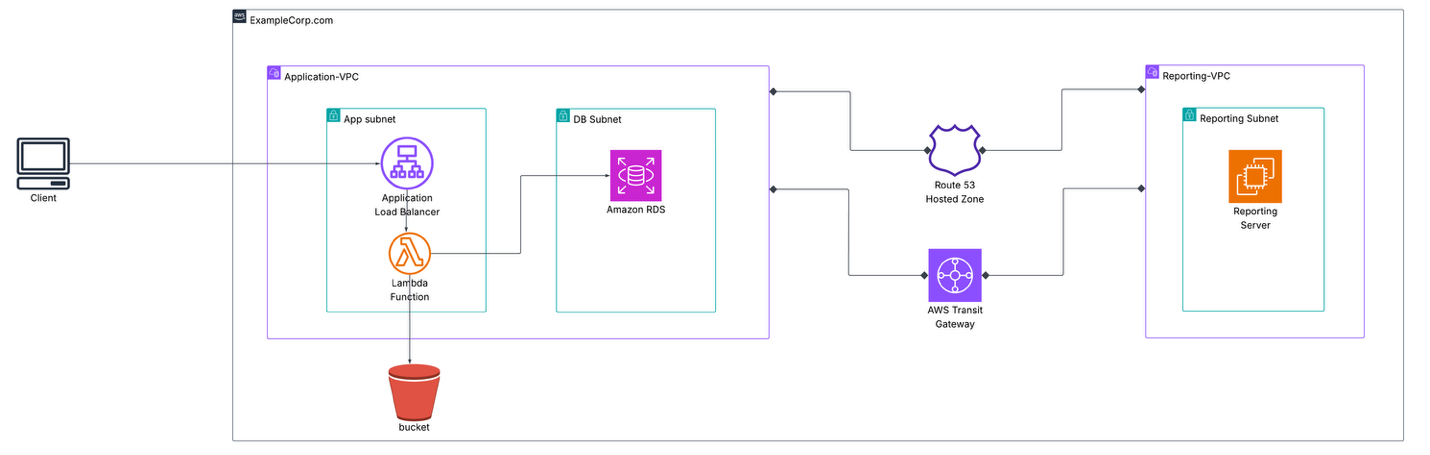
Figure 2: ExampleCorp’s Imaging Application
- Amazon Route 53 handles the DNS requests. The imaging application frontend is accessed via an Application Load Balancer. The ALB distributes traffic across serverless Lambda functions that serve the backend application.
- The Lambda function retrieves and renders images from the S3 bucket based on user requests. The serverless architecture handles concurrent image rendering without manual scaling.
- Amazon RDS in the dedicated DB subnet stores usage data and platform analytics. The database tracks how images are being accessed and used across the platform.
- A reporting server generates usage reports and performance metrics. It accesses RDS data securely through proper subnet routing to create platform analytics without impacting core operations.
- The network uses VPC isolation – separating application and reporting components. AWS Transit Gateway enables secure communication between VPCs. Dedicated subnets (App, Reporting, DB) establish clear security boundaries between services.
Automating Troubleshooting with Amazon Bedrock AgentCore Runtime
The workflow follows these steps as shown in Figure 3:
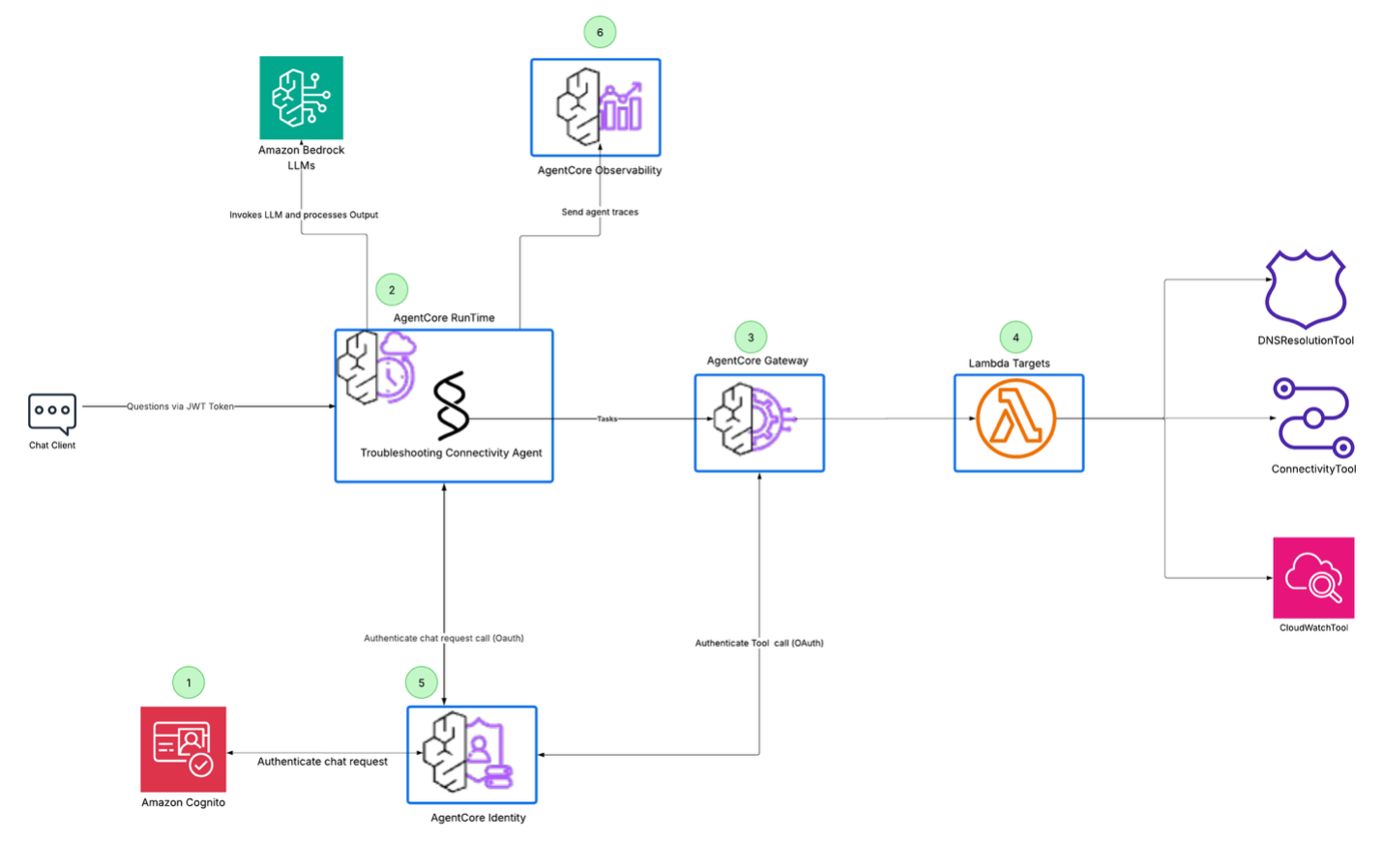
Figure 3: Amazon Bedrock AgentCore based approach
- Chat Client gets authenticated via Amazon Cognito and the user sends questions with JWT tokens.
- AgentCore Runtime validates tokens and processes conversations leveraging Claude 4.0 Sonnet model.
- AgentCore Gateway provides secure tool access through MCP protocol.
- AWS Lambda Target executes AWS service operations with proper authentication.
- AgentCore Identity manages workload authentication and token exchange.
- AgentCore Observability provides comprehensive monitoring, metrics, and logging capabilities.
The detailed deployment instructions for implementing the connectivity troubleshooting use case with Amazon AgentCore is available at sample-building-network-ops-agent-with-amazon-bedrock-agentcore.
Conclusion
The implementation of intelligent Networking Operations Agents powered by Amazon Bedrock represents a transformative approach to cloud infrastructure management that delivers measurable business value. By reducing mean time to resolution (MTTR) from hours to minutes and enabling 24/7 automated diagnostics, these agents help maintain business continuity while reducing operational costs.
Through our exploration of modular building blocks and implementation, I’ve demonstrated how organizations can use AI to streamline network operations and incident resolution. These agents integrate with AWS services and use FMs such as Claude Sonnet 4 to understand complex network scenarios, automate diagnostics, and provide contextual recommendations while maintaining robust security controls.
However, it’s crucial to recognize that AI agents aren’t always the optimal solution. Although they excel at complex, multi-step operations necessitating context awareness and natural language interaction, more mundane operational tasks might be better served by traditional serverless API-based systems. For example, routine security group updates or scheduled backup operations that have clear inputs and outputs can be more efficiently handled through direct API calls, thus avoiding the overhead of agent infrastructure. Organizations often find success in adopting a hybrid approach, using agents for sophisticated troubleshooting scenarios while maintaining serverless functions for routine operations.
As AI capabilities continue to evolve, the key to successful implementation remains pragmatic: start with specific, high-value use cases that truly benefit from agent capabilities and gradually expand based on operational needs and complexity. This balanced approach enables organizations to build more resilient and efficient network operations while allowing teams to focus on strategic initiatives that drive business value.
Ready to get started? Here’s what you can do next:
- Explore the Amazon Bedrock AgentCore documentation
- Check our use-cases in the AWS GitHub repository
- Get hands-on via workshops on Amazon Bedrock AgentCore and Strands Agents
About the Author

Shiva Vaidyanathan
Shiva Vaidyanathan is a Principal Cloud Architect at AWS. He provides technical guidance, design and lead implementation projects to customers ensuring their success on AWS. He works towards making cloud networking simpler for everyone leveraging cutting edge Generative AI technologies. Prior to joining AWS, he has worked on several NSF funded research initiatives on performing secure computing in public cloud infrastructures. He holds a MS in Computer Science from Rutgers University and a MS in Electrical Engineering from New York University.