What is a Data Stack?
What is a data stack?
A data stack is a collection of technologies that work together to collect, store, and process data in an organization. Data volume and data-driven decision-making have grown considerably in the last decade. Data stack technologies integrate and communicate with each other to move data from source to storage and further for usage. They allow an organization to harness its data for business intelligence while meeting all regulatory and security requirements.
Why is a data stack important?
Data stack allows organizations to scale their operations based on data-driven decisions. Modern data stack tools can extract meaningful insights from raw, structured, or semistructured data at scale.
A data stack supports an organization in various applications, for example:
IoT
IoT devices often have limited memory space and are installed at remote locations. A data stack allows IoT devices to collect and send sensor readings to centralized cloud storage. For example, a fleet management company can send positioning, temperature, speed, and other information from hundreds of trucks to map delivery paths in real time.
Business intelligence
The data stack allows organizations to use business intelligence tools to maximize the value of the data they collect. Thanks to its flexibility, different business units can access the same data for their respective analytical needs. Teams can easily manipulate and analyze data to uncover hidden trends.
Artificial intelligence and machine learning
Organizations use data stacks to support artificial intelligence and machine learning (AI/ML) use cases. AI/ML models require training with large data volumes and ongoing access to fresh data. A data stack allows organizations to securely process and transfer data to vector databases or other formats for AI/ML pipelines.
Innovation
The data stack accelerates innovative efforts, allowing organizations to achieve technological breakthroughs faster and at a lower cost. Analysts can compare historical data and conduct subsequent interactions with guided insights. For example, research teams collect test data from various prototypes and analyze them before deciding on the final version.
Growth
Organizations experience stagnating growth if they can’t scale their data needs and the data they collect becomes more complex. A modern data stack (MDS) simplifies data collection, processing, and transformation, removing technical hurdles that impede business growth.
What is the difference between a traditional and modern data stack?
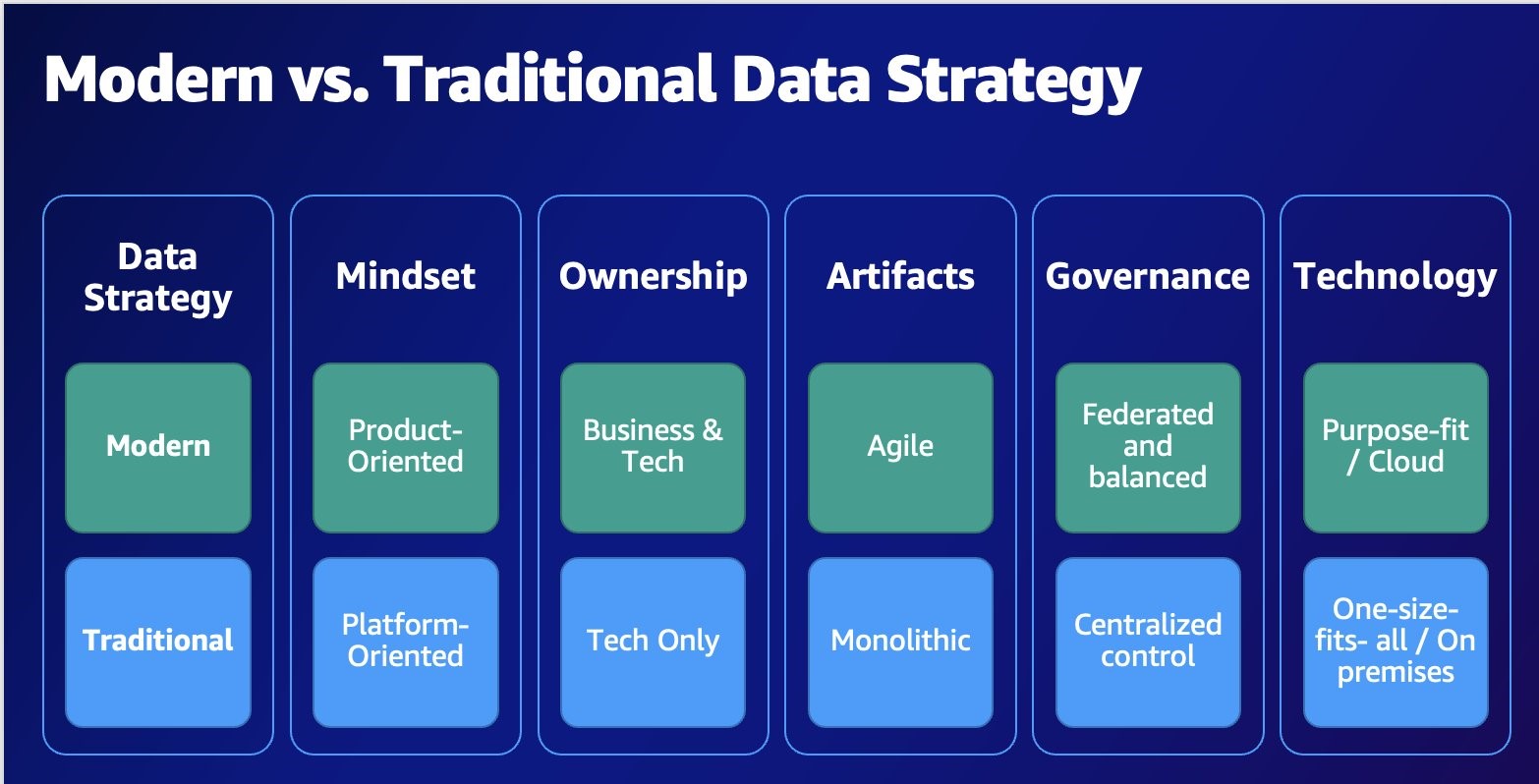
Over the last few decades, data technology has seen significant developments from ETL/ELT to real-time streaming, data as a product, data fabric, data mesh, and more. Similarly, database and data storage choices have also expanded from SQL and NoSQL to warehouses, lakes, and lakehouses. Evolving data requirements, types, and solutions led to an explosion of data management methodologies in the enterprise. Teams working with data in isolation often resulted in redundant data and duplicate efforts. Organizations were struggling to harness the full value of their data.
Traditional data stacks attempted to solve this challenge with centralized architectures that increased complexity and costs while still creating silos. In contrast, a modern data stack leverages cloud infrastructure to build more flexible and cost-effective solutions.
Modularity
Traditional data stacks are designed rigidly, with components tightly locked into each other. Any changes in technology or even changes to data schema cause stack failure and may require complex redesigning.
In contrast, a modern data stack is composable, with each product acting like a configurable component within a larger architecture. Modern data tools integrate flexibly with a range of other tools, allowing even non-developers to plug and unplug them from the stack as needed.
Scale
Traditional data stacks struggle to scale, often because they are locked into physical infrastructure that is expensive to maintain and upgrade. In contrast, modern data stacks leverage cloud infrastructure for complete flexibility. Organizations can scale storage and data processing capabilities with cloud-based solutions that automatically scale as data grows. There are no upfront costs, and organizations only need to pay for what they use. This allows teams to be more agile when expanding IT and data infrastructure.
Ease of use
Traditional data stacks require developers and technical specialists to maintain, modify, and upgrade. Centralized data engineering teams, choked with requests from different users, often create data project bottlenecks. In contrast, modern stack tools are SaaS offerings with visual interfaces, dashboards for reporting, and self-service design. Business users who know the data can quickly upskill and use the tools without technical help.
What are the benefits of a modern data stack?
Organizations adopt modern data stacks because they offer several advantages over traditional ones.
Flexibility
Previously, data engineers were restricted to the limitations of legacy data transformation tools. They must follow specific steps to derive actionable insights from raw data. Modern data stacks, meanwhile, enable data democratization, making data insights more accessible to various business units.
Efficiency
Modern data stacks reduce the time and cost of processing data and acquiring meaningful insights. The same data process flow that took days or weeks on a legacy data stack might now require only a fraction of the time with modern data tools. Organizations no longer have to invest in, provision, and maintain data servers to keep up with growing analytics demands.
Governance
Modern data stacks augment an organization’s efforts to ensure data consistency and security across various data assets. With a unified data flow, data professionals can more effectively implement data policies than in a legacy data stack. They can also regulate data access, monitor data usage, and improve data quality to help your organization meet compliance requirements.
Version control
Occasionally, data teams must roll back to a previous dataset version for oversights or other reasons. This is easier with a modern data stack. Modern data tools often include version control systems, allowing engineers to revert to a previous dataset. Data scientists can also make gradual and incremental changes to the datasets without worrying about breaking the entire dataset.
Reuse
Unlike a legacy data stack’s monolithic architecture, modern data stacks are modular and scalable. Data teams can reuse code or tools on a different data platform without rebuilding them from scratch. Often, they’ll only need to make minor modifications to get them to process new and unfamiliar data.
Automation
Modern data integration tools allow seamless automation in creating data workflows, a key differentiator from the traditional data architecture. Instead of being restricted to a rigid process, data analysts can customize and automate end-to-end data flows without costly redesign.
What are the components of a modern data stack?
The modern data stack comprises several components that work cohesively to achieve efficiency, scalability, and cost reduction.
Data pipelines
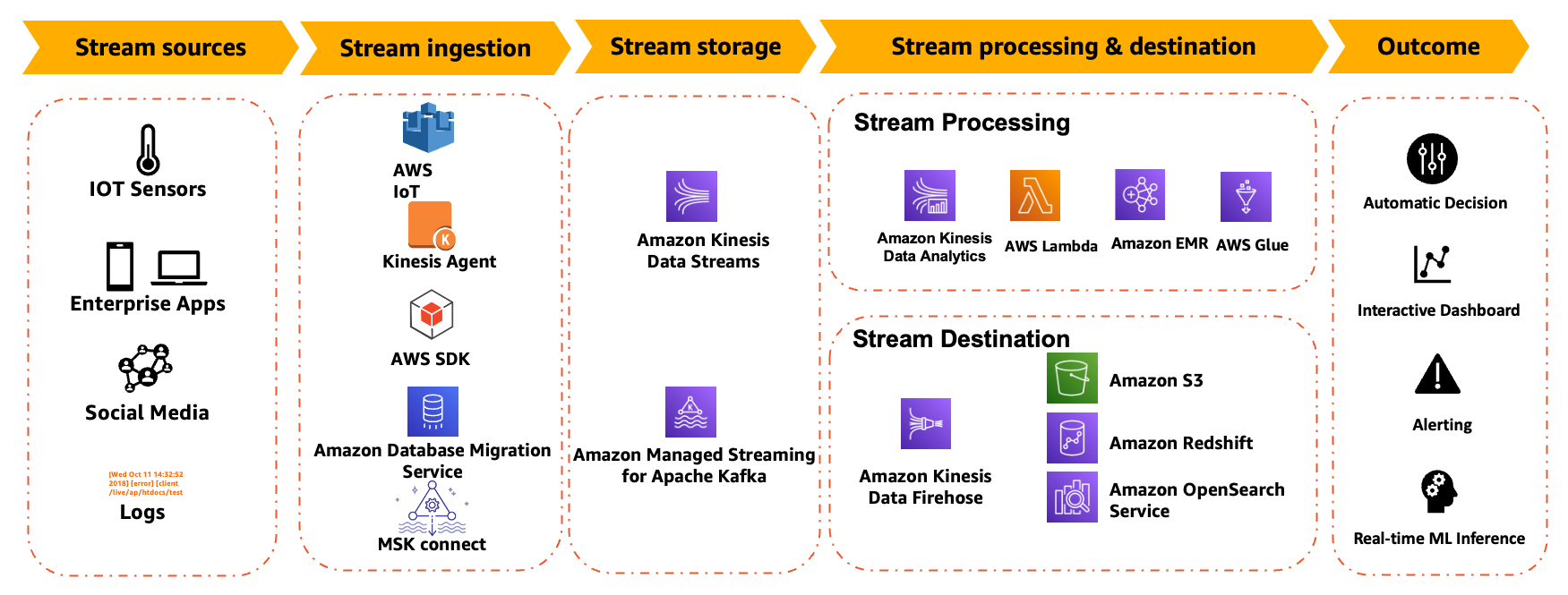
A data pipeline is a specific workflow within the data stack that moves and processes data. It can be thought of as a plumbing system for data, with data flowing through it between source and destination. For example, data pipelines connect data sources to centralized cloud storage.
A data pipeline typically contains data ingestion tools with some transformation capabilities to pre-process raw data before moving it further through the stack. Modern data pipelines are designed to be robust and can scale to handle growing data volumes. Data that passes through the channel must also be filtered to ensure quality. To do that, data scientists use tools that help automate and orchestrate data flows.
Data storage
Data storage is a repository that securely holds the data that data pipelines send. It usually refers to cloud data warehouses, data lakes, or both.
Data warehouse
Data warehouses collect structured data, such as behavioral and transactional data, that business analysis can access without further processing. They act as a single source of truth, offering self-service analytics, data mining, and reporting capabilities. Because of that, organizations use data warehouses like Amazon Redshift to create data-driven business strategies.
Data lakes
Data lakes store raw or semistructured data that scientists can use for data mining, machine learning, and other big data applications. Unlike data warehouses, data lakes retain original data formats, such as text, video, audio, and real-time streams. They are suitable for low-latency data ingestion, where data teams must immediately store data from different sources and process them later.
Data transformation
Data transformation engines in the data stack change and process data for improved analytics. They ensure that data is clean, consistent, and accurate. Some techniques to transform data include:
- Removing irrelevant or inaccurate data from the records.
- Normalizing or restructuring data so it appears more standardized.
- Converting data from one format to another.
- Summarize or aggregate data into values that applications can process more efficiently.
While data transformation can occur before it is stored, in a modern data stack, the most complex transformation occurs after it is stored.
Data analysis
At the end of the modern data stack, you’ll find data analytic tools like business analytics, predictive analytics, and AI systems to help organizations make informed decisions. Data scientists analyze historical data to identify patterns and insights. Data visualization turns data into forms that are more understandable to non-technical users. Visualization tools like charts, graphs, and tables help understand what specific data means for business strategy. For example, you can visualize customer feedback with a customer satisfaction score to improve customer retention.
How can you modernize your data stack?
Some organizations might need a robust, modern data stack architecture. Achieving that is possible but requires an actionable strategy, which we summarize below.
Identify data goals
Define your goals for a modern data stack. For example, organizations may want to improve customer engagement, increase ad revenue, or reduce operational costs. Guide your data modernization effort with appropriate documentation. This means creating data governance policies, compliance frameworks, and success indicators to stay focused on your data goals.
Create a transition plan
Assess your existing data stack to identify possible challenges to data consistency, data security, scalability, efficiency, and more. Create a data strategy to transition from your existing data architecture to a modern one. Estimate data growth in the coming years so you can plan ahead with the new data stack.
Remember that not all business areas receive a similar impact from data modernization. So, starting from a specific business process, like marketing, is better. It lets you validate the outcome before modernizing the data stack in other departments.
Select new tools
Choose the data tools based on your data strategy. Some organizations use AI/ML tools to enable advanced business analytics, while others can achieve their data goals with automated reporting services. Invest in the shortlisted tools and integrate them to enable end-to-end automation. Because of the immense data movement involved, compliance and regulatory needs should be considered.
Continue to monitor the data stack to ensure it is appropriately governed, secured, and relevant.
How can AWS support your data stack?
Analytics on AWS provides a comprehensive set of services for every layer of your data stack—from storage and management to data governance and AI. AWS offers purpose-built services with the best price-performance, scalability, and lowest cost. For example,
- Databases on AWS include over 15 purpose-built database services to support diverse relational and non-relational data models.
- Data lakes on AWS include services that provide unlimited raw data storage and build secure data lakes in days instead of months.
- Data integration with AWS includes services that bring together data from multiple sources so you can transform, operationalize, and manage data across your organization.
- Cloud data migration on AWS provides a portfolio of data transfer services that provide the right solution for any data migration project. AWS has offerings that can address all your data stack modernization requirements.
Start building a modern data stack on AWS by creating a free account today!
Browse all cloud computing concepts
Browse all cloud computing concepts content here:
Did you find what you were looking for today?
Let us know so we can improve the quality of the content on our pages