What is Green Computing?
What is Green Computing?
Green computing is the set of practices and technologies that help to minimize the impact of digital operations on the environment. These practices and technologies cover system and application design through to infrastructure choices, and ongoing maintenance and re-evaluation cycles. Green computing aims to reduce hardware waste, carbon emissions, power consumption, and resource use, while continuing the organization’s operations as expected.
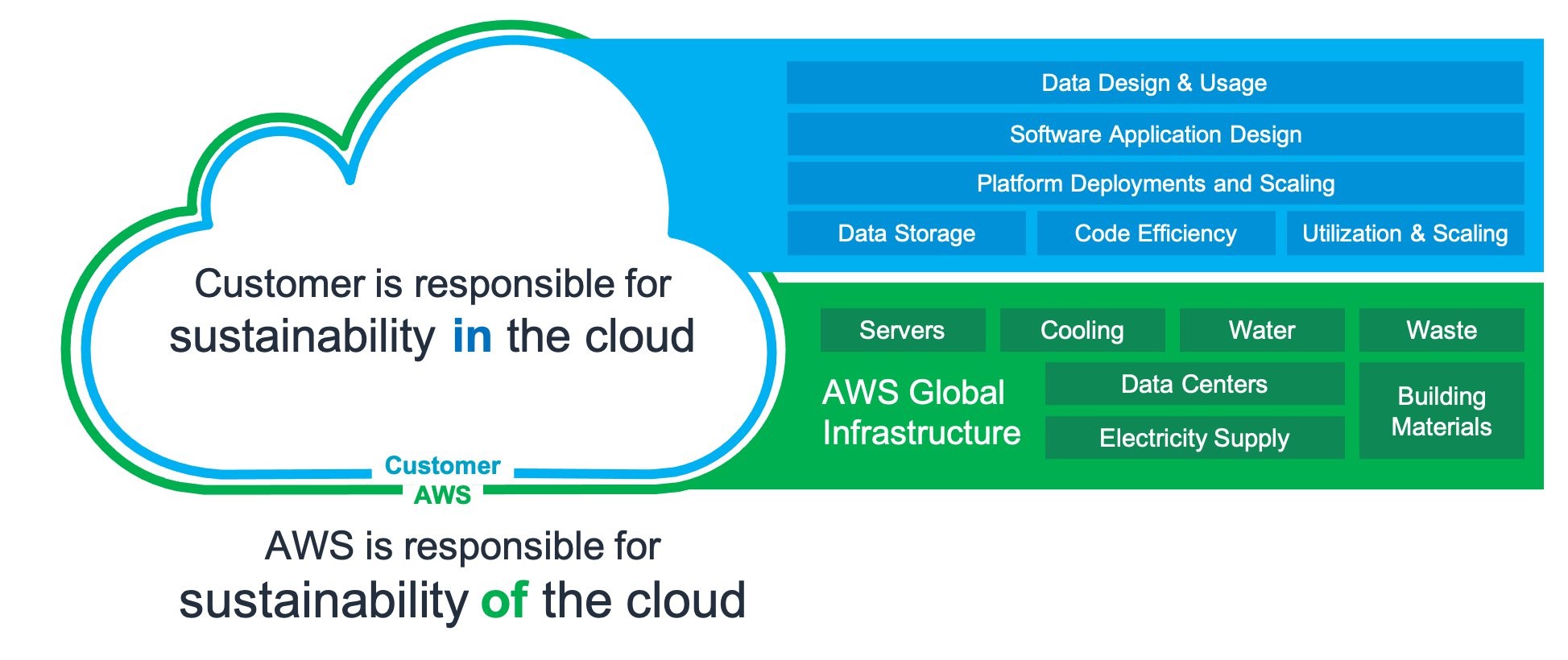
What are the benefits of green computing?
There are a number of benefits of green computing for businesses looking to enhance their sustainability efforts and improve energy efficiency.
Corporate social responsibility
Investors and customers alike are increasingly concerned about sustainability efforts, looking to partner with businesses that prioritize the reduction of their carbon footprint. Green computing aligns with existing environment, social, and governance (ESG) goals, improving a company’s ability to meet both internal and regulatory sustainability goals.
Culture of sustainability
When a company decides to make green computing a priority, it sets a top-down cultural initiative that emphasizes sustainability. Company-wide efforts to center sustainability can have an effect on all levels of a business, encouraging other sustainability efforts and helping construct a sustainability-conscious workplace culture.
Regulatory compliance
Governments and regulatory bodies across the world are enacting laws and guidelines that relate to sustainability efforts and reward companies that comply. For example, the European Commission’s Corporate Sustainability Due Diligence Directive (CSDDD) aims to enforce sustainability standards that pertain to sustainable computing, urging companies to turn to renewable energy sources.
Implementing green computing and monitoring energy consumption are increasingly becoming a part of regulatory compliance.
System performance and cost savings
In constructing an energy-efficient system, developers need to look for strategies that reduce energy usage, remove any needless consumption, and more effectively use available compute resources. When architectures and apps are built with minimal resource footprints to align with green computing goals, developers produce streamlined apps that optimize energy consumption. Reducing resource footprints has a dual effect of both reducing wasteful energy consumption and providing cost savings.
What are some green computing initiatives?

Green computing initiatives are strategies or technical systems that organizations can deploy to reduce energy consumption and remove electronic waste from applications.
Power management
Power management settings refer to strategies where a device hibernates or sleeps when it is not in use. Power management also includes turning off any hardware that isn’t actively being used, such as the dynamic scaling of GPUs or the cooling systems of unused data centers. These strategies reduce power consumption and result in energy-efficient servers.
Scalable infrastructure with cloud computing
The transition from on-premises infrastructure to virtualization and cloud computing systems offers a way to reduce energy wastage. By operating at scale, cloud-first data centers can provide the storage and compute power a company needs while providing large emissions reductions. Virtualization maximizes hardware use by allowing multiple virtualized services to run on one underlying infrastructure component.
Data centers and infrastructure reviews
Outdated hardware or hardware that isn’t functioning at its full capacity can consume a large amount of energy in performing its role. Regularly conducting hardware audits and investigating power usage effectiveness (PUE) and other energy efficiency metrics can help businesses find where they could improve their green computing initiatives.
Energy-efficient code
Code with unnecessary caching, wakeup, and polling can create an additional strain on computing resources that impacts energy efficiency. By conducting code audits and making sure that developers write optimized code, a business can remove resource-heavy tasks and modules to lower energy consumption.
Hardware lifecycle management
A central part of green computing is selecting hardware specifically for its energy-efficient capabilities, often favoring energy efficient devices that last for a long period of time. Opting for long-lasting hardware materials reduces the need to replace parts, helping to decrease the total amount of waste that computing hubs produce. Sustainable hardware disposal, such as recycling, is also included in the end-of-life phase.
Measuring carbon footprint impact and carbon emissions
Using tools that accurately track overall carbon footprint size and greenhouse gas emissions can help demonstrate whether your company is improving its sustainability goals. Benchmarking your measurements before and after incorporating green initiatives shows how effective they have been in reducing your environmental impact.
Partnering with sustainable computing data centers
When businesses undergo modernization and move to the cloud, they can prioritize data centers that source power from renewable energy sources. Beyond sourcing renewable energy, green data centers can include policies to reduce electronic waste and minimize wasted energy usage.
Enhanced IoT monitoring
Internet of Things (IoT) devices, especially smart sensors, can deliver precise insights into internal metrics and monitor devices while they run. Using IoT devices in green computing initiatives, businesses can monitor electricity usage and the internal temperature of physical hardware. Instead of using continual cooling, a more precise method of measuring temperature helps ensure these systems only activate when they are needed, helping to reduce energy usage. This approach reduces the environmental impact of electronic equipment because efficient cooling systems consume less energy.
What are the challenges in green computing?
Green computing strategies offer businesses an effective way of reducing greenhouse gas emissions while meeting corporate sustainability and responsibility goals. However, there are several challenges.
Finding energy-efficient hardware for legacy systems
Legacy systems often support mission-critical workloads, despite potentially using outdated hardware, software, or older supportive technology such as cooling. Being unable to replace these parts easily, these inefficient legacy systems might have to remain within your company.
Performance vs power consumption
Some green computing initiatives, such as automatic resource scaling, can increase response time, for instance, when a user interacts with your system in a scaled-down state. Although not all green computing strategies reduce performance, some conflict with higher performance levels in high-demand workloads.
Energy efficiency optimization costs
While long-term sustainability efforts present cost-saving opportunities, the initial cost of changing out hardware, updating systems, or introducing new green strategies can be expensive. Many of the ROI benefits of moving to green computing are seen in the long term, making stakeholder buy-in a challenge.
Talent acquisition for development
Many of the most beneficial parts of green computing need extensive technical knowledge for systems and software architecture. From optimizing data centers to writing energy-efficient code, businesses need to invest in talent acquisition pipelines that bring top sustainability talent to their company. Talent acquisition with these highly coveted skills can present time and cost challenges.
Cultural shift in green computing
Some businesses are hesitant to incorporate green computing initiatives due to the upfront costs. Regionally, there are differences in attitudes, legislation, and benefits in green initiatives. Depending on the region, industry, or regulatory space, there may be less incentive to make the switch to green computing.
How can AWS support your green computing initiatives?
AWS is building a more sustainable cloud infrastructure to help customers achieve their sustainability goals while maintaining the security, performance, reliability, and cost-efficiency they expect.
-
AWS Customer Carbon Footprint Tool allows you to measure the estimated carbon emissions from your use of AWS services, track your progress, and understand the carbon savings associated with AWS renewable energy projects.
-
Amazon EC2 offers a range of energy-efficient instances that you can choose for a reduced energy footprint.
-
AWS Lambda is a serverless computing service that runs workloads only when required, thus reducing any operational overhead during idle times.
-
AWS Migration Evaluator business case offers a sustainability assessment where you can see the estimated carbon emission reductions from moving your current on-premise workloads to the cloud.
Get started with green computing on AWS by creating a free account today.
Next steps
Browse all cloud computing concepts
Browse all cloud computing concepts content here:
Did you find what you were looking for today?
Let us know so we can improve the quality of the content on our pages