AWS Architecture Blog
Category: Analytics
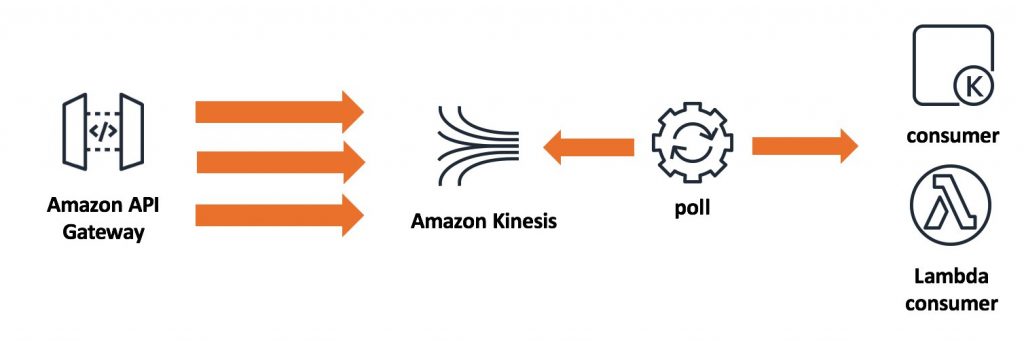
How to Design Your Serverless Apps for Massive Scale
Serverless is one of the hottest design patterns in the cloud today, allowing you to focus on building and innovating, rather than worrying about the heavy lifting of server and OS operations. In this series of posts, we’ll discuss topics that you should consider when designing your serverless architectures. First, we’ll look at architectural patterns […]

This Is My Architecture: Mobile Cryptocurrency Mining
In North America, approximately 95% of adults over the age of 25 have a bank account. In the developing world, that number is only about 52%. Cryptocurrencies can provide a platform for millions of unbanked people in the world to achieve financial freedom on a more level financial playing field. Electroneum, a cryptocurrency company located […]
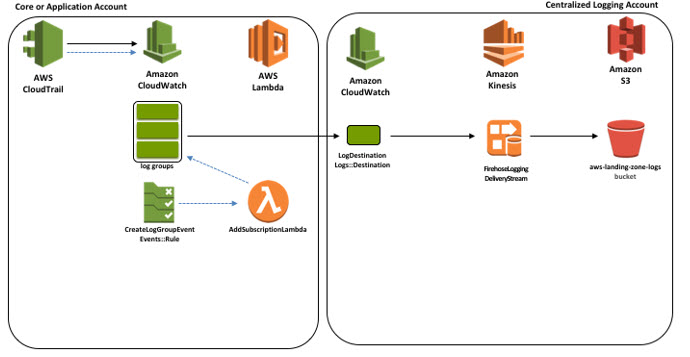
Stream Amazon CloudWatch Logs to a Centralized Account for Audit and Analysis
September 8, 2021: Amazon Elasticsearch Service has been renamed to Amazon OpenSearch Service. See details. Note: This blog post was updated June 6, 2019. A key component of enterprise multi-account environments is logging. Centralized logging provides a single point of access to all salient logs generated across accounts and regions, and is critical for auditing, […]

Store, Protect, Optimize Your Healthcare Data with AWS: Part 2
Leveraging Analytics and Machine Learning Tools for Readmissions Prediction This blog post was co-authored by Ujjwal Ratan, a senior AI/ML solutions architect on the global life sciences team. In Part 1, we looked at various options to ingest and store sensitive healthcare data using AWS. The post described our shared responsibility model and provided a […]
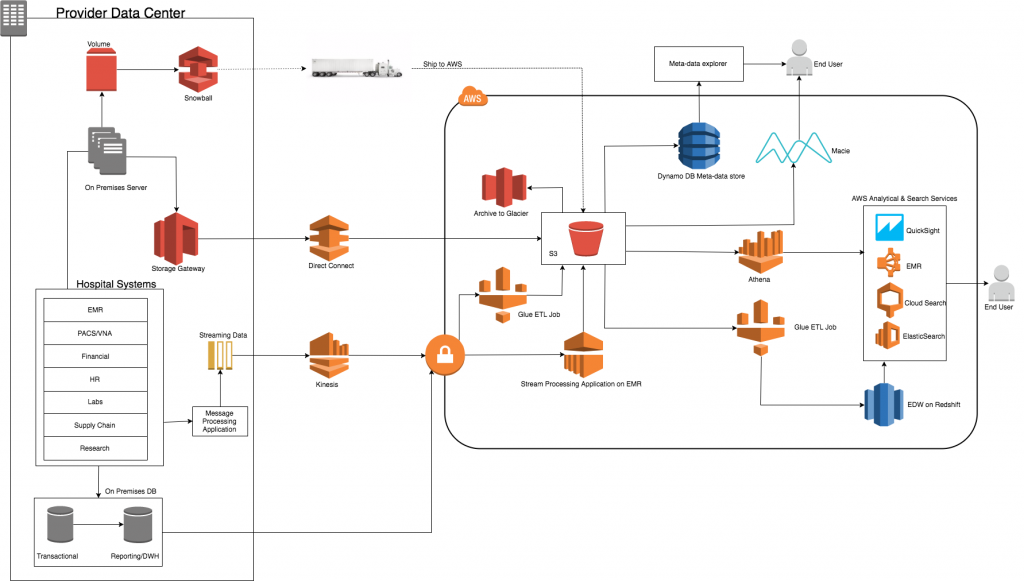
Store, Protect, Optimize Your Healthcare Data with AWS: Part 1
This blog post was co-authored by Ujjwal Ratan, a senior AI/ML solutions architect on the global life sciences team. Healthcare data is generated at an ever-increasing rate and is predicted to reach 35 zettabytes by 2020. Being able to cost-effectively and securely manage this data whether for patient care, research or legal reasons is increasingly […]
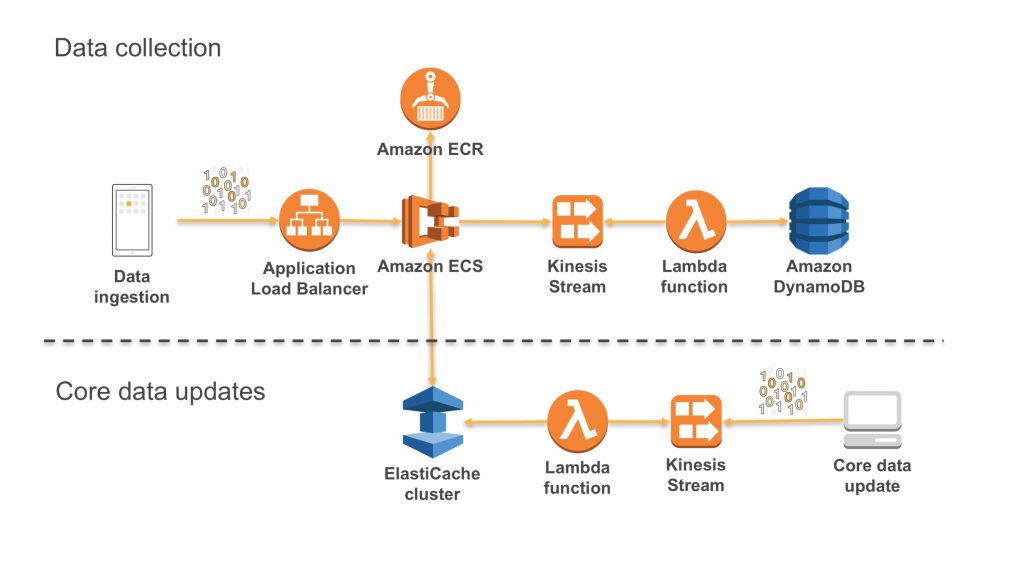
Reactive Microservices Architecture on AWS
Microservice-application requirements have changed dramatically in recent years. These days, applications operate with petabytes of data, need almost 100% uptime, and end users expect sub-second response times. Typical N-tier applications can’t deliver on these requirements. Reactive Manifesto, published in 2014, describes the essential characteristics of reactive systems including: responsiveness, resiliency, elasticity, and being message driven. […]