AWS Architecture Blog
Category: Analytics

Field Notes: Gaining Insights into Labeling Jobs for Machine Learning
In an era where more and more data is generated, it becomes critical for businesses to derive value from it. With the help of supervised learning, it is possible to generate models to automatically make predictions or decisions by leveraging historical data. For example, image recognition for self-driving cars, predicting anomalies on X-rays, fraud detection […]
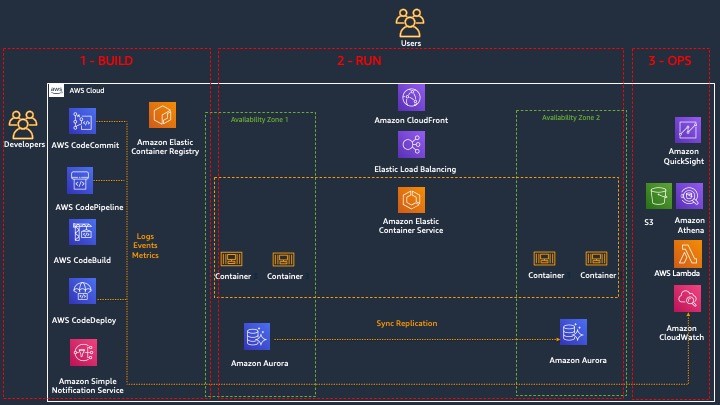
Why Deployment Requirements are Important When Making Architectural Choices
Introduction Too often, architects fall into the trap of thinking the architecture of an application is restricted to just the runtime part of the architecture. By doing this we focus on only a single customer (such as the application’s users and how they interact with the system) and we forget about other important customers like […]

Field Notes: Monitoring the Java Virtual Machine Garbage Collection on AWS Lambda
September 8, 2021: Amazon Elasticsearch Service has been renamed to Amazon OpenSearch Service. See details. When you want to optimize your Java application on AWS Lambda for performance and cost the general steps are: Build, measure, then optimize! To accomplish this, you need a solid monitoring mechanism. Amazon CloudWatch and AWS X-Ray are well suited […]

AWS Architecture Monthly Magazine: Education
One of the missions of the education industry is to educate the next generation of the industry-ready workforce. Whether K-12, higher education, or continuing education, enabling teachers and professors to effectively deliver curriculum and improve student performance is a goal of Education Technology (EdTech) and learning companies. Two trends for AWS use cases in education […]
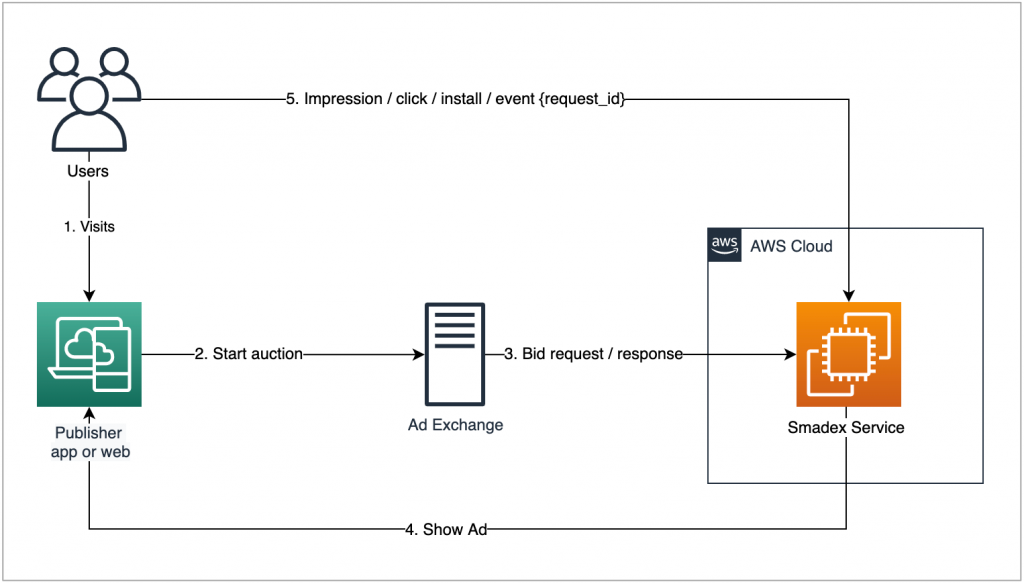
Serving Billions of Ads in Just 100 ms Using Amazon Elasticache (Redis OSS)
This post was co-written with Lucas Ceballos, CTO of Smadex Introduction Showing ads may seem to be a simple task, but it’s not. Showing the right ad to the right user is an incredibly complex challenge that involves multiple disciplines such as artificial intelligence, data science, and software engineering. Doing it one million times per […]
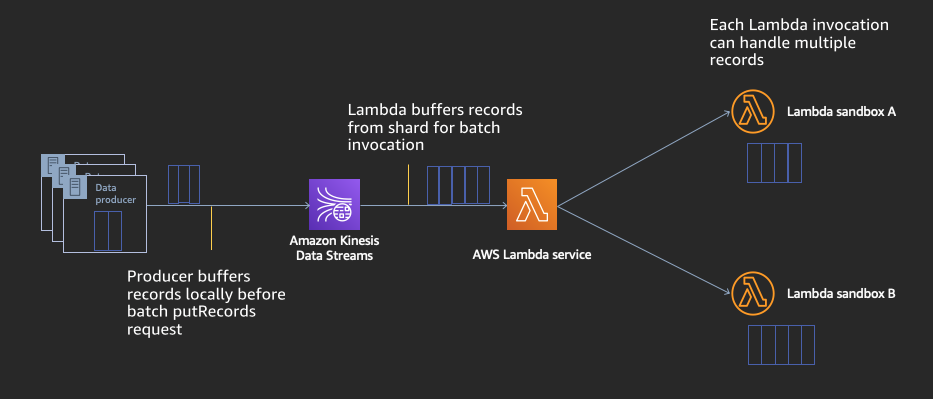
Serverless Stream-Based Processing for Real-Time Insights
September 8, 2021: Amazon Elasticsearch Service has been renamed to Amazon OpenSearch Service. See details. Building on our previous posts regarding messaging patterns and queue-based processing, we now explore stream-based processing and how it helps you achieve low-latency, near real-time data processing in your applications. AWS offers two managed services for streaming, Amazon Kinesis and […]

AWS Architecture Monthly Magazine: Data Lakes
A data lake is the fastest way to get answers from all your data to all your users. It’s a centralized repository that allows you to store all your structured and unstructured data at any scale. You can store your data as-is, without having to first structure the data, and run different types of analytics—from […]

Halodoc: Building the Future of Tele-Health One Microservice at a Time
Halodoc, a Jakarta-based healthtech platform, uses tele-health and artificial intelligence to connect patients, doctors, and pharmacies. Join builder Adrian De Luca for this special edition of This is My Architecture as he dives deep into the solutions architecture of this Indonesian healthtech platform that provides healthcare services in one of the most challenging traffic environments […]

Introduction to Messaging for Modern Cloud Architecture
We hope you’ve enjoyed reading our posts on best practices for your serverless applications. The posts in the following series will focus on best practices when introducing messaging patterns into your applications. Let’s review some core messaging concepts and see how they can be used to address challenges when designing modern cloud architectures. Introduction Applications […]

One to Many: Evolving VPC Design
Since its inception, the Amazon Virtual Private Cloud (VPC) has acted as the embodiment of security and privacy for customers who are looking to run their applications in a controlled, private, secure, and isolated environment. This logically isolated space has evolved, and in its evolution has increased the avenues that customers can take to create […]