AWS Architecture Blog
Category: Architecture
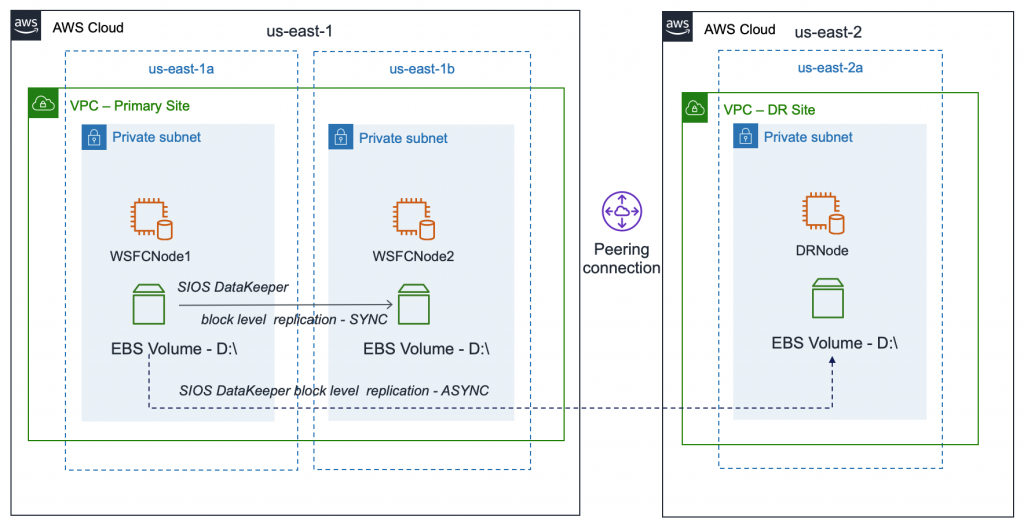
Field Notes: Implementing HA and DR for Microsoft SQL Server using Always On Failover Cluster Instance and SIOS DataKeeper
This blog post was co-written by Sudhir Amin, Sr. Solution Architect, AWS, and David Bermingham, Senior Technical Evangelist, SIOS Technology, Inc. To ensure high availability (HA) of Microsoft SQL Server in Amazon Elastic Compute Cloud (Amazon EC2), there are two options: Always On Failover Cluster Instance (FCI) and Always On availability groups. With a wide […]

Chaos Testing with AWS Fault Injection Simulator and AWS CodePipeline
The COVID-19 pandemic has proven to be the largest stress test of our technology infrastructures in generations. A meteoric increase in internet consumption followed, due in large part to working and schooling from home. The chaotic, early months of the pandemic have clearly demonstrated the value of resiliency in production. How can we better prepare […]

Optimizing your AWS Infrastructure for Sustainability, Part I: Compute
As organizations align their business with sustainable practices, it is important to review every functional area. If you’re building, deploying, and maintaining an IT stack, improving its environmental impact requires informed decision making. This three-part blog series provides strategies to optimize your AWS architecture within compute, storage, and networking. In Part I, we provide success criteria […]

Classifying Millions of Amazon items with Machine Learning, Part I: Event Driven Architecture
As part of AWS Professional Services, we work with customers across different industries to understand their needs and supplement their teams with specialized skills and experience. Some of our customers are internal teams from the Amazon retail organization who request our help with their initiatives. One of these teams, the Global Environmental Affairs team, identifies […]

Field Notes: Building an automated scene detection pipeline for Autonomous Driving – ADAS Workflow
This Field Notes blog post in 2020 explains how to build an Autonomous Driving Data Lake using this Reference Architecture. Many organizations face the challenge of ingesting, transforming, labeling, and cataloging massive amounts of data to develop automated driving systems. In this re:Invent session, we explored an architecture to solve this problem using Amazon EMR, Amazon […]

Catch Important Moments in Sports with 5G and AWS Wavelength
To enhance the viewing experience for spectators, fans, and players, the sports industry is continuously evaluating ways to lower video latency. With 5G, networks can now provide high-density radio (air) interfaces with high bandwidth and reliability. This new technology especially benefits sports broadcasting and player tracking and analytics, which need to be processed at the […]
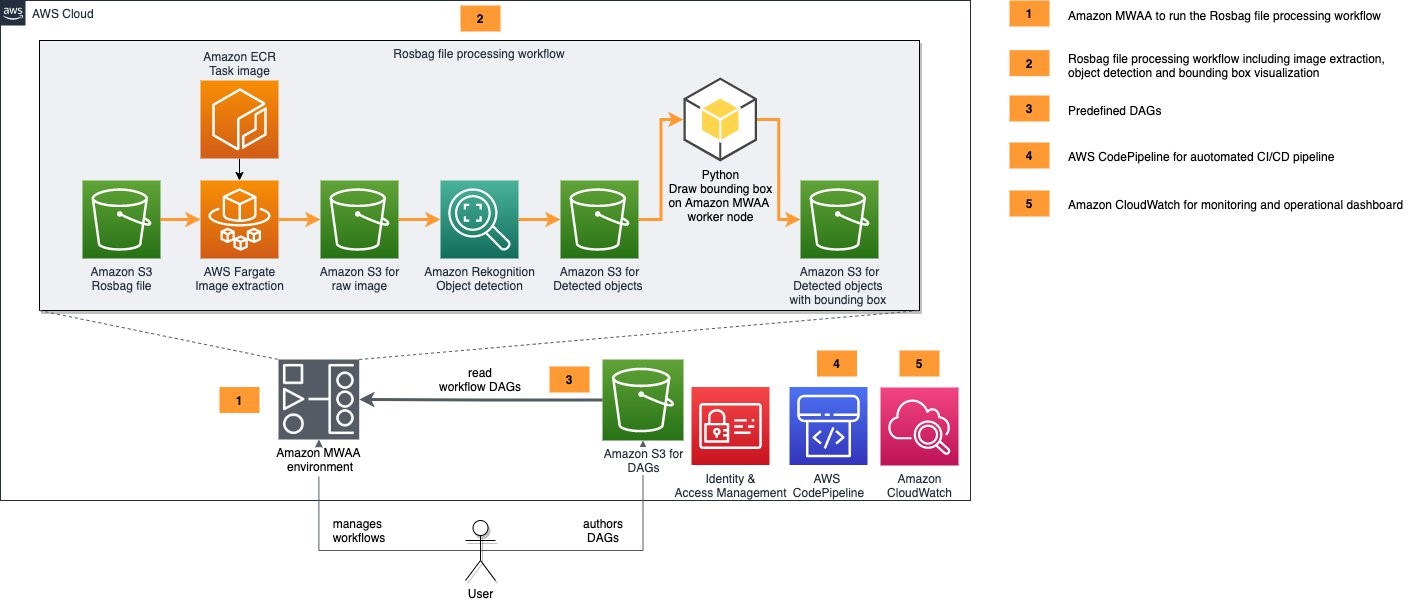
Field Notes: Deploying Autonomous Driving and ADAS Workloads at Scale with Amazon Managed Workflows for Apache Airflow
Cloud Architects developing autonomous driving and ADAS workflows are challenged by loosely distributed process steps along the tool chain in hybrid environments. This is accelerated by the need to create a holistic view of all running pipelines and jobs. Common challenges include: finding and getting access to the data sources specific to your use case, […]
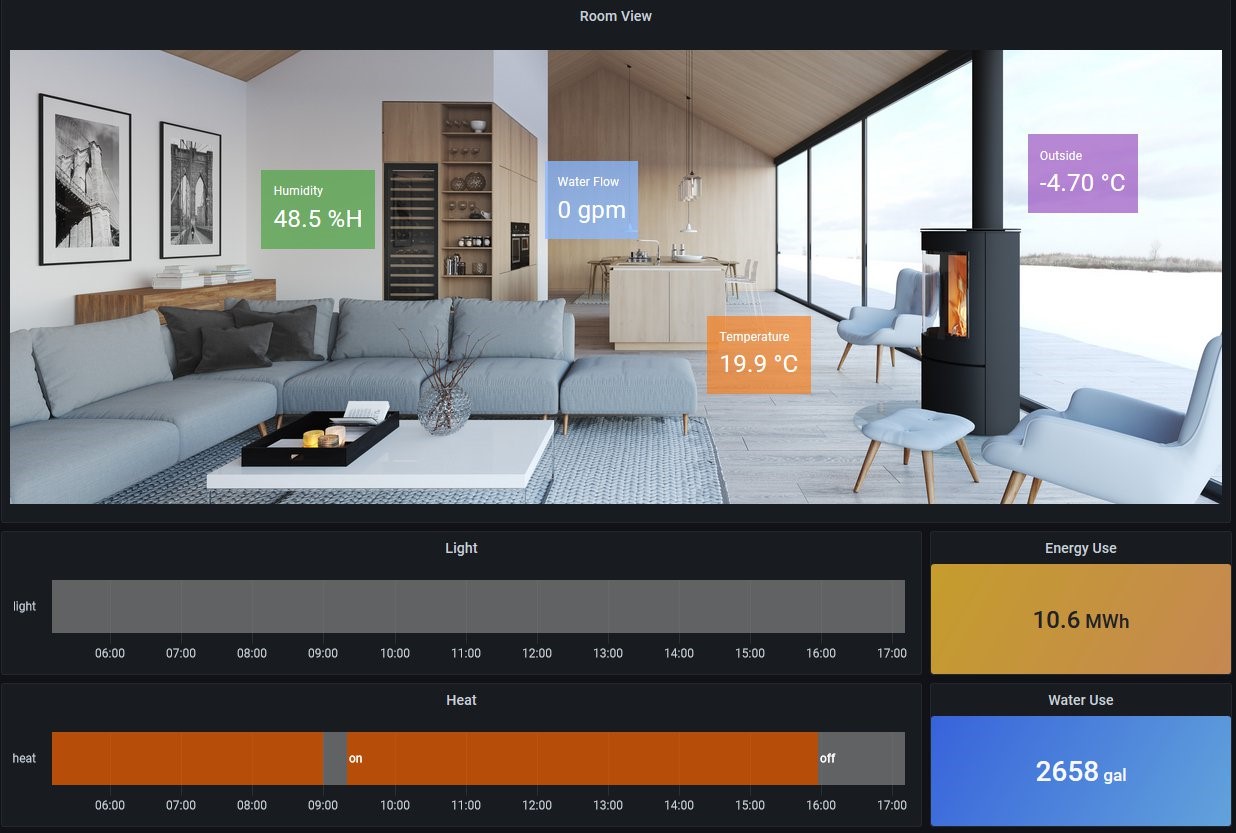
Automating Your Home with Grafana and Siemens Controllers
Imagine that you have access to a digital twin of your house that allows you to remotely monitor and control different devices inside your home. Forgot to turn off the heater or air conditioning? Didn’t close water faucets? Wondering how long your kids have been watching TV? Wouldn’t it be nice to have all the […]

Expiring Amazon S3 Objects Based on Last Accessed Date to Decrease Costs
Organizations are using Amazon Simple Storage Service (S3) for building their data lakes, websites, mobile applications, and enterprise applications. As the number of objects within your S3 bucket increases, you may want to move older objects into lower-cost tiers of Amazon S3. In some cases you may want to delete the objects altogether to further […]

Field Notes: Building an Automated Image Processing and Model Training Pipeline for Autonomous Driving
In this blog post, we demonstrate how to build an automated and scalable data pipeline for autonomous driving. This solution was built with the goal of accelerating the process of analyzing recorded footage and training a model to improve the experience of autonomous driving. We will demonstrate the extraction of images from ROS bag file […]