AWS Big Data Blog

Analyzing AWS WAF logs with Amazon OpenSearch, Amazon Athena, and Amazon QuickSight
This post presents a simple approach to aggregating AWS WAF logs into a central data lake repository, which lets teams better analyze and understand their organization’s security posture. I walk through the steps to aggregate regional AWS WAF logs into a dedicated S3 bucket. I follow that up by demonstrating how you can use Amazon ES to visualize the log data. I also present an option to offload and process historical data using AWS Glue ETL. With the data collected in one place, I finally show you how you can use Amazon Athena and Amazon QuickSight to query historical data and extract business insights.
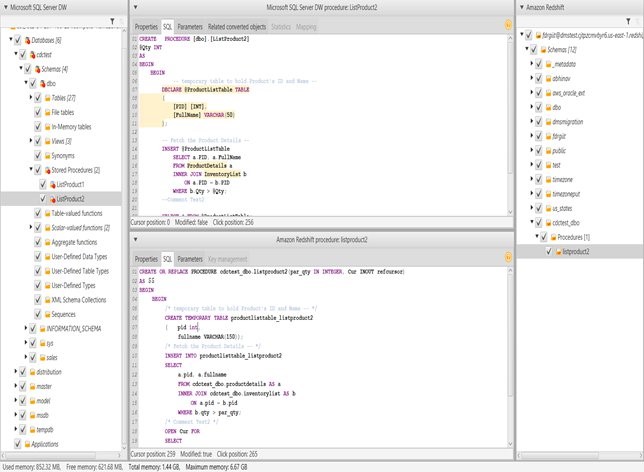
Bringing your stored procedures to Amazon Redshift
Amazon always works backwards from the customer’s needs. Customers have made strong requests that they want stored procedures in Amazon Redshift, to make it easier to migrate their existing workloads from legacy, on-premises data warehouses.
With that primary goal in mind, AWS chose to implement PL/pqSQL stored procedure to maximize compatibility with existing procedures and simplify migrations. In this post, we discuss how and where to use stored procedures to improve operational efficiency and security. We also explain how to use stored procedures with AWS Schema Conversion Tool.
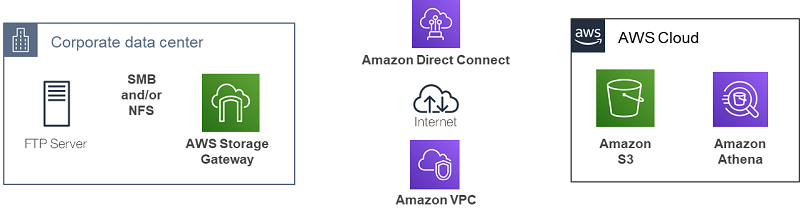
Query your data created on-premises using Amazon Athena and AWS Storage Gateway
In this blog post, I use this architecture to demonstrate the combined capabilities of Storage Gateway and Athena. AWS Storage Gateway is a hybrid storage service that enables your on-premises applications to seamlessly use AWS cloud storage. The File Gateway configuration of the AWS Storage Gateway offers you a seamless way to connect to the cloud in order to store application data files and backup images as durable objects on Amazon S3 cloud storage.
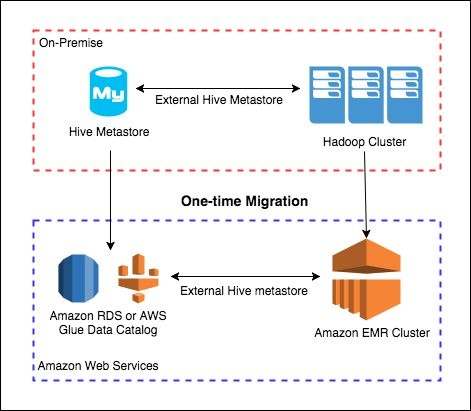
Migrate and deploy your Apache Hive metastore on Amazon EMR
Combining the speed and flexibility of Amazon EMR with the utility and ubiquity of Apache Hive provides you with the best of both worlds. However, getting started with big data projects can feel intimidating. Whether you want to deploy new data on EMR or migrate an existing project, this post provides you with the basics to get started.
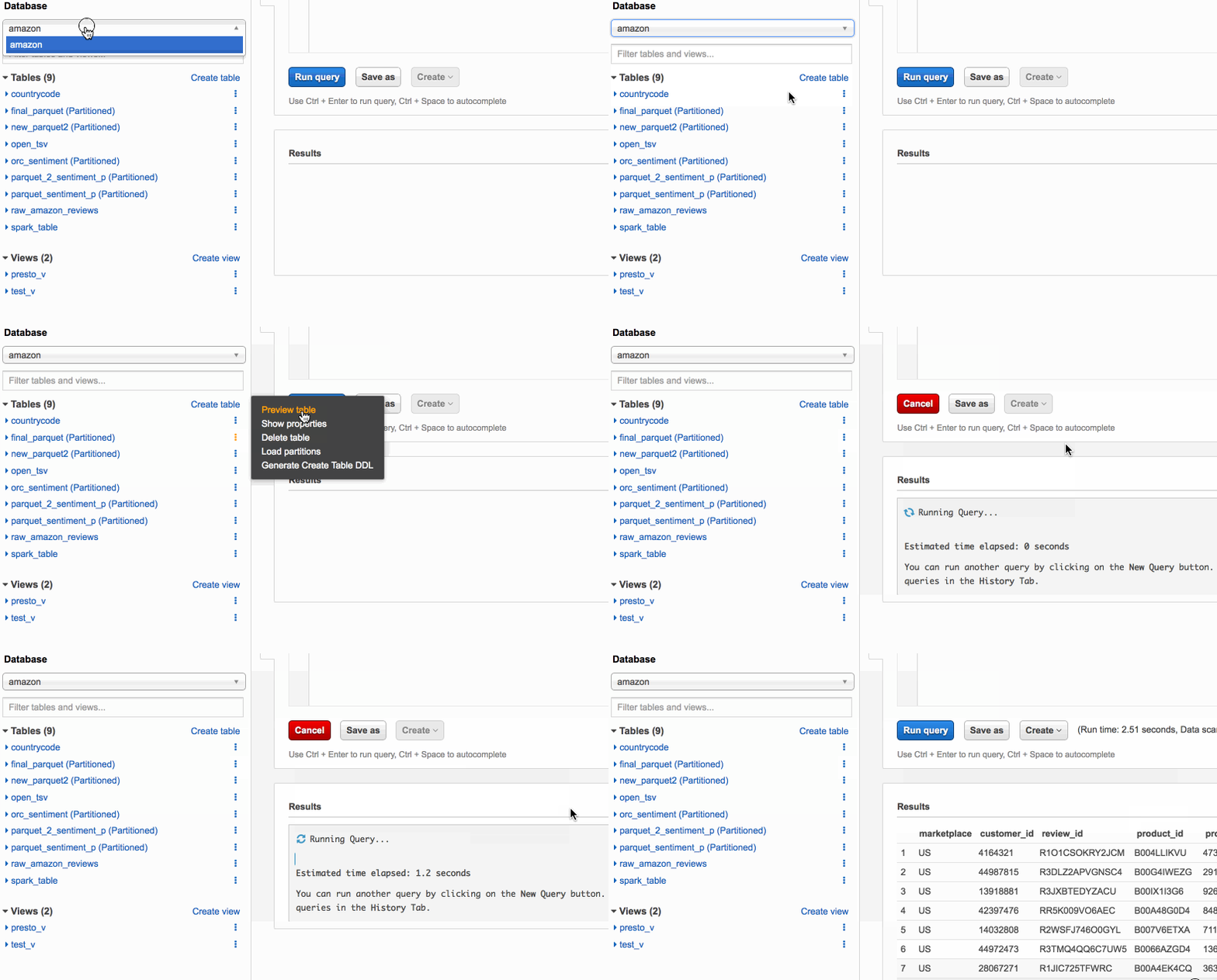
Separate queries and managing costs using Amazon Athena workgroups
Amazon Athena is a serverless query engine for data on Amazon S3. Many customers use Athena to query application and service logs, schedule automated reports, and integrate with their applications, enabling new analytics-based capabilities. Different types of users rely on Athena, including business analysts, data scientists, security, and operations engineers. In this post, I show you how to use workgroups to separate workloads, control user access, and manage query usage and costs.
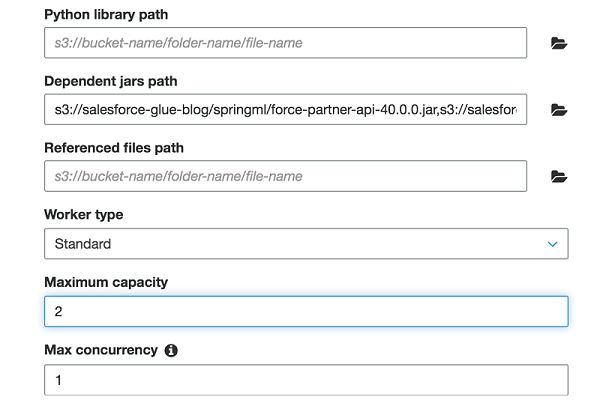
Extract Salesforce.com data using AWS Glue and analyzing with Amazon Athena
In this post, I show you how to use AWS Glue to extract data from a Salesforce.com account object and save it to Amazon S3. You then use Amazon Athena to generate a report by joining the account object data from Salesforce.com with the orders data from a separate order management system.

Set alerts in Amazon OpenSearch Service
Amazon OpenSearch Service provides an event alerting feature within OpenSearch Dashboards. To use this feature, you work with monitors (scheduled jobs) that have triggers (specific conditions) that you set, telling the monitor when it should send an alert. An alert is a notification that the triggering condition occurred. When a trigger fires, the monitor takes action, sending a message to your destination. This post uses a simulated IoT device farm to generate and send data to Amazon OpenSearch Service.

Modify your cluster on the fly with Amazon EMR reconfiguration
April 2024: This post was reviewed for accuracy. If you are a developer or data scientist using long-running Amazon EMR clusters, you face fast-changing workloads. These changes often require different application configurations to run optimally on your cluster. With the reconfiguration feature, you can now change configurations on running EMR clusters. Starting with EMR release […]

Load ongoing data lake changes with AWS DMS and AWS Glue
April 2024: This post was reviewed for accuracy. July 2022: This blog post was reviewed and updated with an additional AWS CloudFormation stack to deploy MySQL database. Building a data lake on Amazon S3 provides an organization with countless benefits. It allows you to access diverse data sources, determine unique relationships, build AI/ML models to […]

Detect fraudulent calls using Amazon QuickSight ML insights
The financial impact of fraud in any industry is massive. According to the Financial Times article Fraud Costs Telecoms Industry $17bn a Year (paid subscription required), fraud costs the telecommunications industry $17 billion in lost revenues every year. Fraudsters constantly look for new technologies and devise new techniques. This changes fraud patterns and makes detection […]