AWS Compute Blog

Author: Julian Wood
Julian Wood is a Senior Developer Advocate for the AWS Serverless team. He loves helping developers and builders learn about, and love, how serverless technologies can transform the way they build and run applications at any scale. Julian was an infrastructure architect and manager in global enterprises and start-ups for more than 25 years before going all-in on serverless at AWS.

Introducing AWS Lambda Extensions
AWS Lambda Extensions is now generally available, For more information, see “Getting started with using your favorite operational tools on AWS Lambda“. AWS Lambda is announcing a preview of Lambda Extensions, a new way to easily integrate Lambda with your favorite monitoring, observability, security, and governance tools. In this post I explain how Lambda extensions […]

Introducing IAM and Lambda authorizers for Amazon API Gateway HTTP APIs
Amazon API Gateway HTTP APIs enable you to create RESTful APIs with lower latency and lower cost than API Gateway REST APIs. The API Gateway team is continuing work to improve and migrate popular REST API features to HTTP APIs. We are adding two of the most requested features, AWS Identity and Access Management (IAM) […]
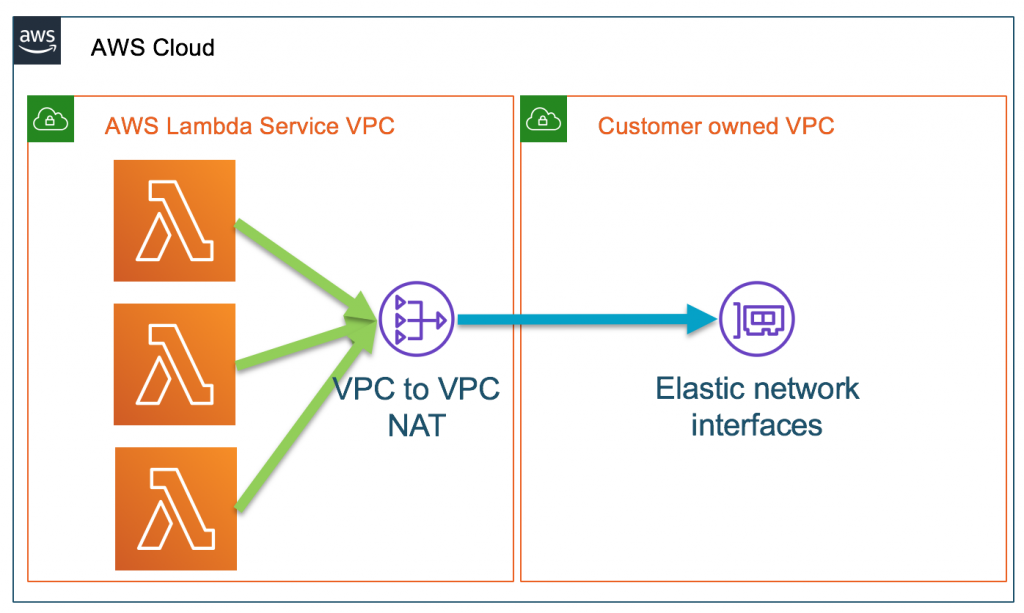
Using AWS Lambda IAM condition keys for VPC settings
You can now control the Amazon Virtual Private Cloud (VPC) settings for your AWS Lambda functions using AWS Identity and Access Management (IAM) condition keys. IAM condition keys enable you to further refine the conditions under which an IAM policy statement applies. You can use the new condition keys in IAM policies when granting permissions […]
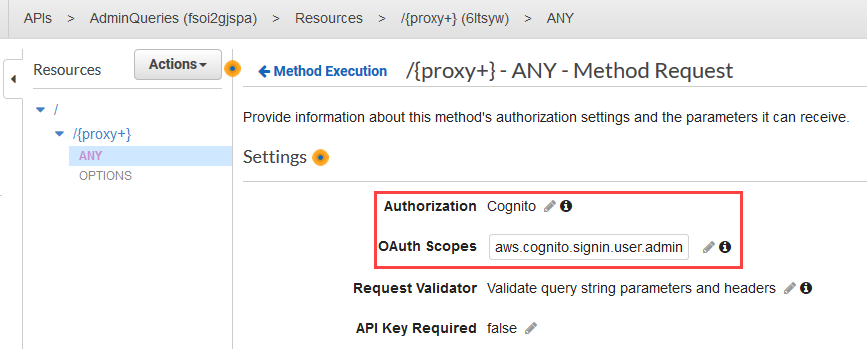
Building well-architected serverless applications: Controlling serverless API access – part 3
This series of blog posts uses the AWS Well-Architected Tool with the Serverless Lens to help customers build and operate applications using best practices. In each post, I address the nine serverless-specific questions identified by the Serverless Lens along with the recommended best practices. See the Introduction post for a table of contents and explanation of the example application. Security question […]

Building well-architected serverless applications: Controlling serverless API access – part 2
This series of blog posts uses the AWS Well-Architected Tool with the Serverless Lens to help customers build and operate applications using best practices. In each post, I address the nine serverless-specific questions identified by the Serverless Lens along with the recommended best practices. See the Introduction post for a table of contents and explanation of the example application. Security question […]
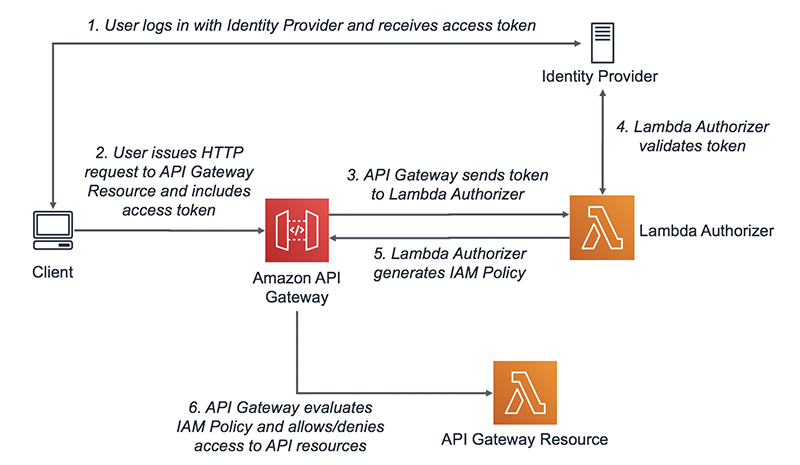
Building well-architected serverless applications: Controlling serverless API access – part 1
This series of blog posts uses the AWS Well-Architected Tool with the Serverless Lens to help customers build and operate applications using best practices. In each post, I address the nine serverless-specific questions identified by the Serverless Lens along with the recommended best practices. See the Introduction post for a table of contents and explanation of the example application. Security question […]

Building well-architected serverless applications: Approaching application lifecycle management – part 3
This series of blog posts uses the AWS Well-Architected Tool with the Serverless Lens to help customers build and operate applications using best practices. In each post, I address the nine serverless-specific questions identified by the Serverless Lens along with the recommended best practices. See the Introduction post for a table of contents and explanation […]

Building well-architected serverless applications: Approaching application lifecycle management – part 2
This series of blog posts uses the AWS Well-Architected Tool with the Serverless Lens to help customers build and operate applications using best practices. In each post, I address the nine serverless-specific questions identified by the Serverless Lens along with the recommended best practices. See the Introduction post for a table of contents and explanation of the example application. Question OPS2: […]

Building well-architected serverless applications: Approaching application lifecycle management – part 1
This series of blog posts uses the AWS Well-Architected Tool with the Serverless Lens to help customers build and operate applications using best practices. In each post, I address the nine serverless-specific questions identified by the Serverless Lens along with the recommended best practices. See the Introduction post for a table of contents and explanation of the example application. Question OPS2: […]

Building well-architected serverless applications: Understanding application health – part 2
This series of blog posts uses the AWS Well-Architected Tool with the Serverless Lens to help customers build and operate applications using best practices. In each post, I address the nine serverless-specific questions identified by the Serverless Lens along with the recommended best practices. See the Introduction post for a table of contents and explaining the example application. Question OPS1: How […]