AWS Compute Blog

Author: Ben Peven

Enabling parallel file systems in the cloud with Amazon EC2 (Part I: BeeGFS)
This post was authored by AWS Solutions Architects Ray Zaman, David Desroches, and Ameer Hakme. In this blog series, you will discover how to build and manage your own Parallel Virtual File System (PVFS) on AWS. In this post you will learn how to deploy the popular open source parallel file system, BeeGFS, using AWS […]
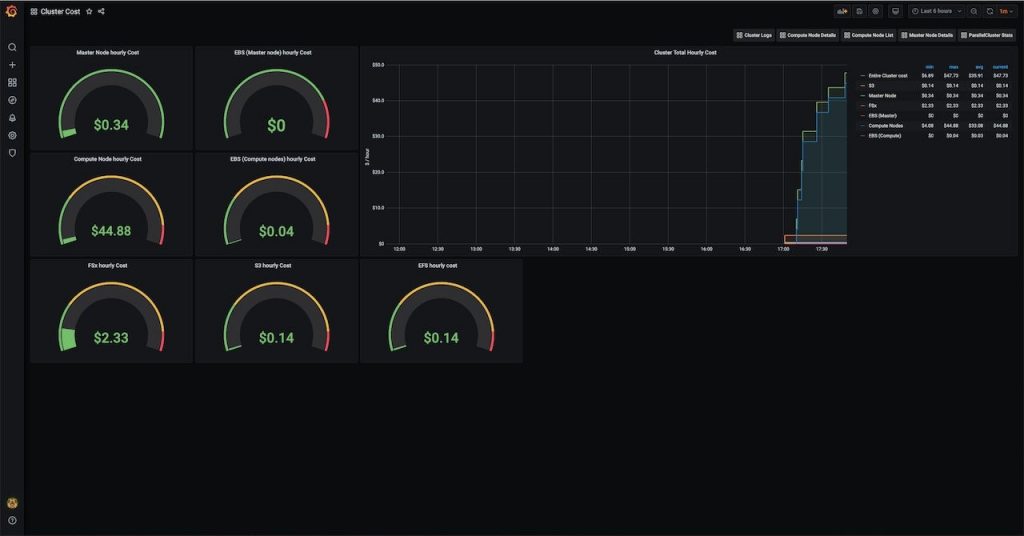
Monitoring dashboard for AWS ParallelCluster
This post is contributed by Nicola Venuti, Sr. HPC Solutions Architect. AWS ParallelCluster is an AWS-supported, open source cluster management tool that makes it easy to deploy and manage High Performance Computing (HPC) clusters on AWS. While AWS ParallelCluster includes many benefits for its users, it has not provided straightforward support for monitoring your workloads. […]

How to run 3D interactive applications with NICE DCV in AWS Batch
This post is contributed by Alberto Falzone, Consultant, HPC and Roberto Meda, Senior Consultant, HPC. High Performance Computing (HPC) workflows across industry verticals such as Design and Engineering, Oil and Gas, and Life Sciences often require GPU-based 3D/OpenGL rendering. Setting up drivers and applications for these types of workflows can require significant effort. Similar GPU […]
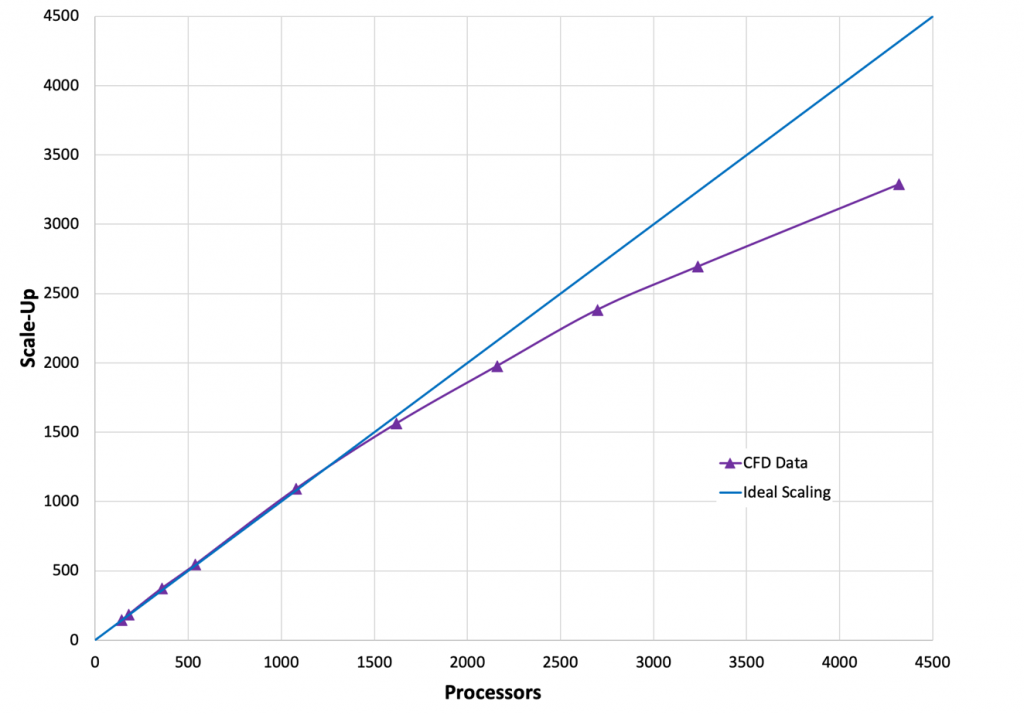
EFA-enabled C5n instances to scale Simcenter STAR-CCM+
This post was contributed by Dnyanesh Digraskar, Senior Partner SA, High Performance Computing; Linda Hedges, Principal SA, High Performance Computing In this blog, we define and demonstrate the scalability metrics for a typical real-world application using Computational Fluid Dynamics (CFD) software from Siemens, Simcenter STAR-CCM+, running on a High Performance Computing (HPC) cluster on Amazon […]

Folding@home infectious disease research with Spot Instances
This post was contributed by Jarman Hauser, Jessie Xie, and Kinnar Kumar Sen. Folding@home (FAH) is a distributed computing project that uses computational modeling to simulate protein structure, stability, and shape (how it folds). These simulations help to advance drug discoveries and cures for diseases linked to protein dynamics within human cells. The FAH software crowdsources its distributed […]
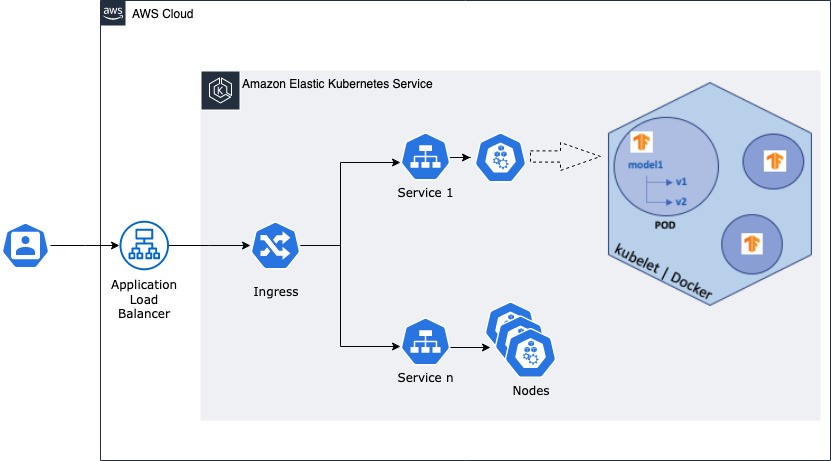
TensorFlow Serving on Kubernetes with Amazon EC2 Spot Instances
This post is contributed by Kinnar Sen – Sr. Specialist Solutions Architect, EC2 Spot TensorFlow (TF) is a popular choice for machine learning research and application development. It’s a machine learning (ML) platform, which is used to build (train) and deploy (serve) machine learning models. TF Serving is a part of TF framework and is […]

Best practices for handling EC2 Spot Instance interruptions
This post is contributed by Scott Horsfield – Sr. Specialist Solutions Architect, EC2 Spot Amazon EC2 Spot Instances are spare compute capacity in the AWS Cloud available to you at steep discounts compared to On-Demand Instance prices. The only difference between an On-Demand Instance and a Spot Instance is that a Spot Instance can be […]
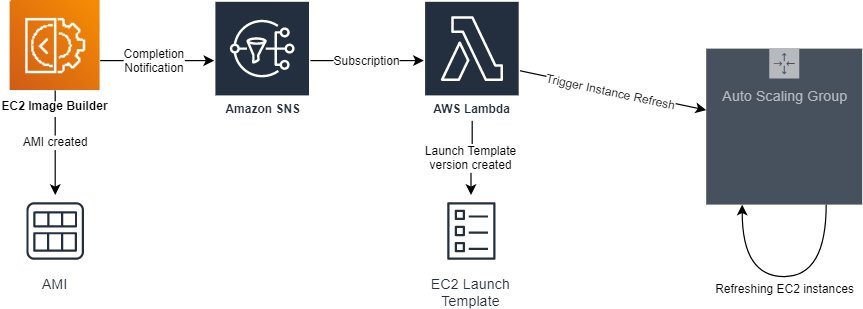
Introducing Instance Refresh for EC2 Auto Scaling
This post is contributed to by: Ran Sheinberg – Principal EC2 Spot SA, and Isaac Vallhonrat – Sr. EC2 Spot Specialist SA Today, we are launching Instance Refresh. This is a new feature in EC2 Auto Scaling that enables automatic deployments of instances in Auto Scaling Groups (ASGs), in order to release new application versions or make […]
Building for Cost optimization and Resilience for EKS with Spot Instances
This post is contributed by Chris Foote, Sr. EC2 Spot Specialist Solutions Architect Running your Kubernetes and containerized workloads on Amazon EC2 Spot Instances is a great way to save costs. Kubernetes is a popular open-source container management system that allows you to deploy and manage containerized applications at scale. AWS makes it easy to run […]

Running Web Applications on Amazon EC2 Spot Instances
This post is contributed by Isaac Vallhonrat, Sr. EC2 Spot Specialist SA Amazon EC2 Spot Instances allow customers to save up to 90% compared to On-Demand pricing by leveraging spare EC2 capacity. Spot Instances are a perfect fit for fault tolerant workloads that are flexible to run on multiple instance types such as batch jobs, […]