AWS DevOps & Developer Productivity Blog
Analyze and remediate technical debt autonomously with AWS Transform – continuous modernization
Introduction
In a recent post, my colleague Micah Walter introduced AWS Transform – continuous modernization in public preview. Today, this capability is generally available in regions supported for AWS Transform .
Development velocity continues to increase. But velocity without maintenance accumulates technical debt at speed. The faster software scales, the faster technical debt compounds. At the same time, more sophisticated exploits and attack vectors are emerging – and the risk is increasing (Figure 1). For organizations, this makes staying on top of tech debt and maintaining a strong security posture across an increasing sphere of responsibility not only important, but business-critical.
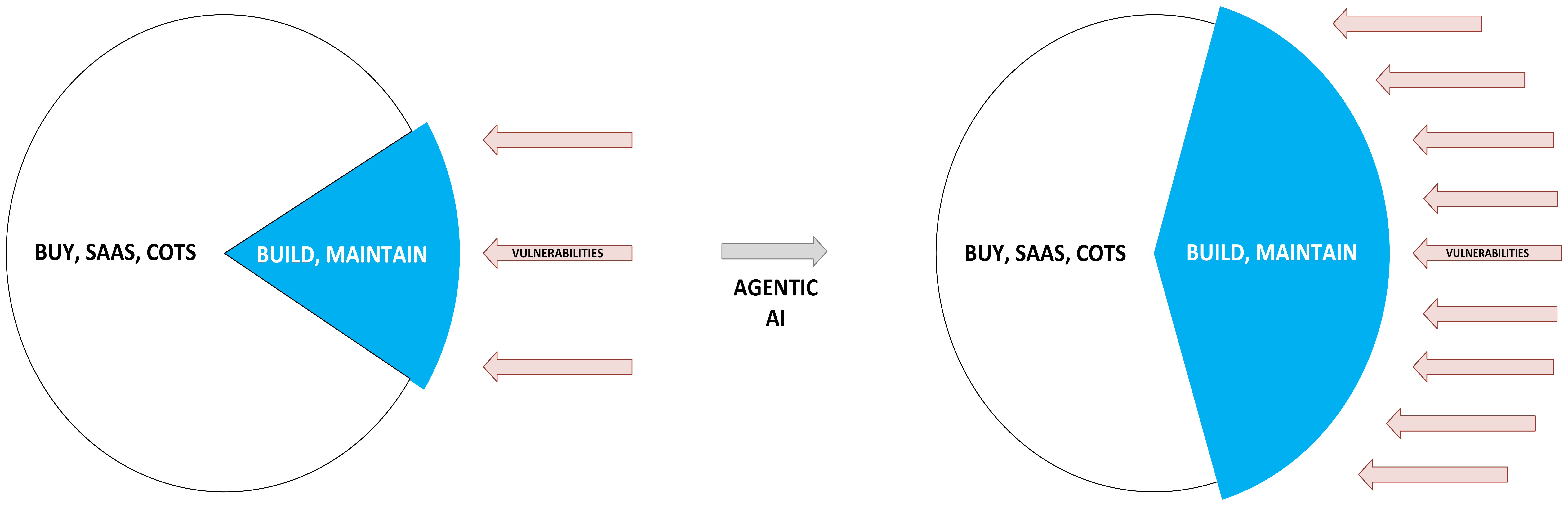
Figure 1: Changing landscape of software maintenance
To contend with compounding technical debt, engineering organizations have typically stitched together point tools, spent app-by-app cycles wasting engineering capacity, and relied on self-reports for status that lags reality and hides regressions.
This is the problem continuous modernization capability was built to solve: shift code transformation from a periodic project into an automated, always-on practice. Rather than scheduling modernization sprints or relying on manual audits, your repositories are analyzed on demand or on a recurring schedule, with findings prioritized by severity and impact, and validated pull requests are generated autonomously to resolve them.
In this post, I’ll recap the preview launch and then I’ll walk you through additional capabilities we’ve added since. I’ll also show how you can use it today to get started.
What continuous modernization provides
AWS Transform – continuous modernization connects to your source control systems (GitHub, GitLab, Bitbucket, or local repositories), scans repositories, and generates prioritized findings. At your direction, it autonomously creates pull requests with validated code changes.
The capability supports several analysis types:
- Rapid tech debt analysis: fast metadata-only scans of package manifests (pom.xml, package.json, requirements.txt) to identify stale versions and outdated dependencies
- Comprehensive tech debt analysis: deep code-level analysis examining source code for debt patterns, code quality issues, architecture concerns, and improvement opportunities
- Security analysis: Common vulnerability detection within the source code and dependencies via AWS Security Agent (now part of AWS Continuum)
- Agentic readiness: assesses your code base readiness for agent integration
- Modernization readiness: evaluates candidates for containerization, serverless migration, and platform upgrades
- Custom analysis: run your own transformation definition as an analysis, including organization-specific policies your platform team already enforces
You can run these analyses on demand or schedule them on a recurring cadence. The system accumulates findings over time, giving you trend data and portfolio-wide visibility that periodic manual audits can’t match.
Initiate and schedule recurring analysis from the AWS Transform web app
We’re excited to add the ability to connect your source code management (SCM) provider and initiate an analysis directly from the AWS Transform web application so you can get value from real insights faster than before (Figure 2). You can also schedule recurring analysis, review findings, and create remediations from within the web app. To learn more about the web app and how to set it up, see AWS Transform web application.
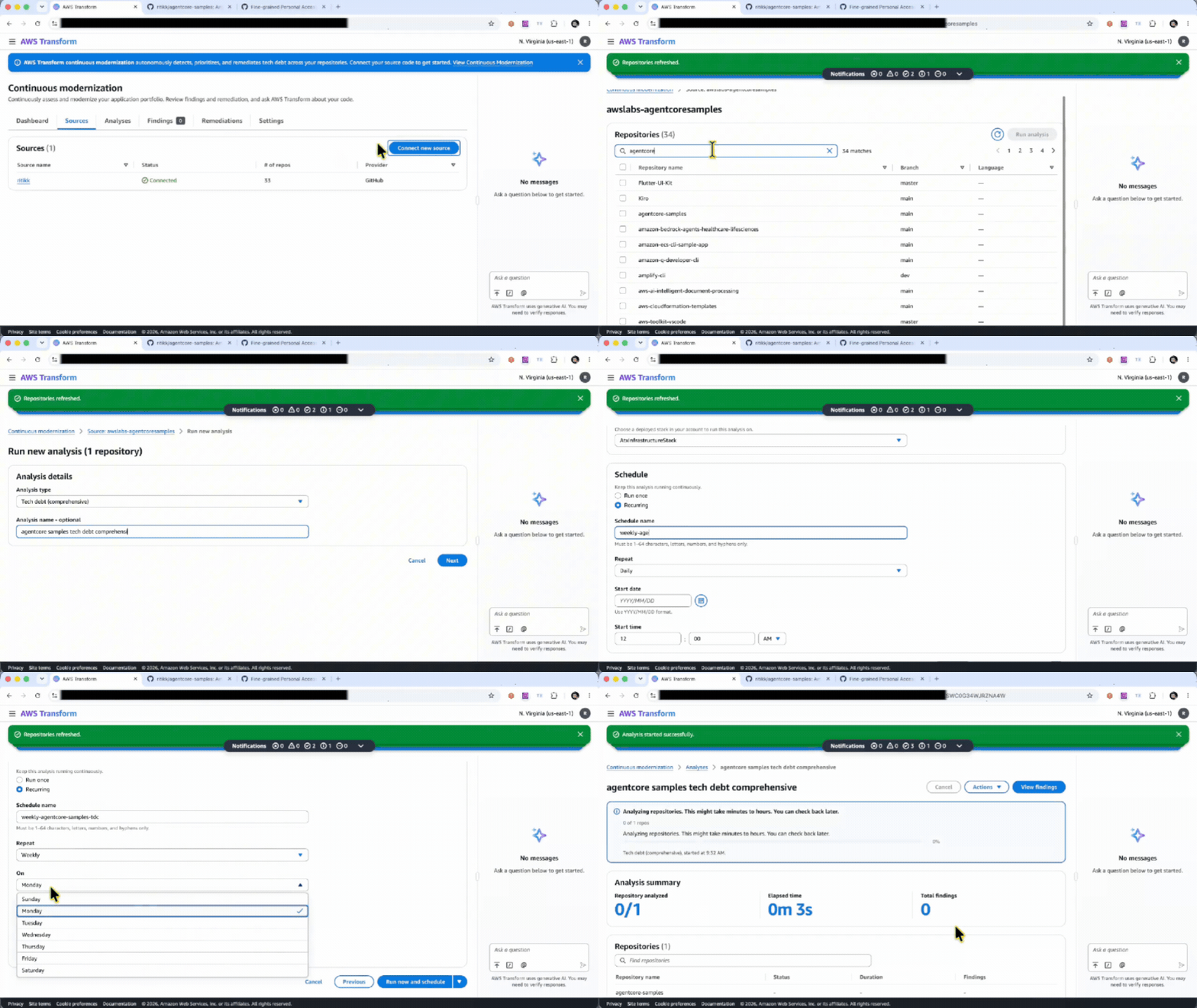
Figure 2: Set up continuous modernization in the AWS Transform web application
Interact via your IDE or terminal with the new CLI and developer tools
The new version of the AWS Transform CLI and it’s atx ct(v3.8.0) introduce additional capabilities that simplify how you setup and work with continuous modernization. The new atx ct remote sub-commands allow you to provision infrastructure and run scheduled analyses and remediations with Amazon Elastic Compute Cloud (Amazon EC2) and AWS Batch (Figure 3). To learn more about the CLI commands, refer to working with continuous modernization. The updated AWS Transform Kiro power and plugin make it even easier to configure your source repositories and run analyses directly from your IDE or terminal. To learn more, see developer tools.
You can also leverage labels with your repositories to group them and organize operations in batches. In the example below, I create a subset of repositories from my GitHub organization that I want to run agentic readiness analysis on and trigger a one-time analysis.
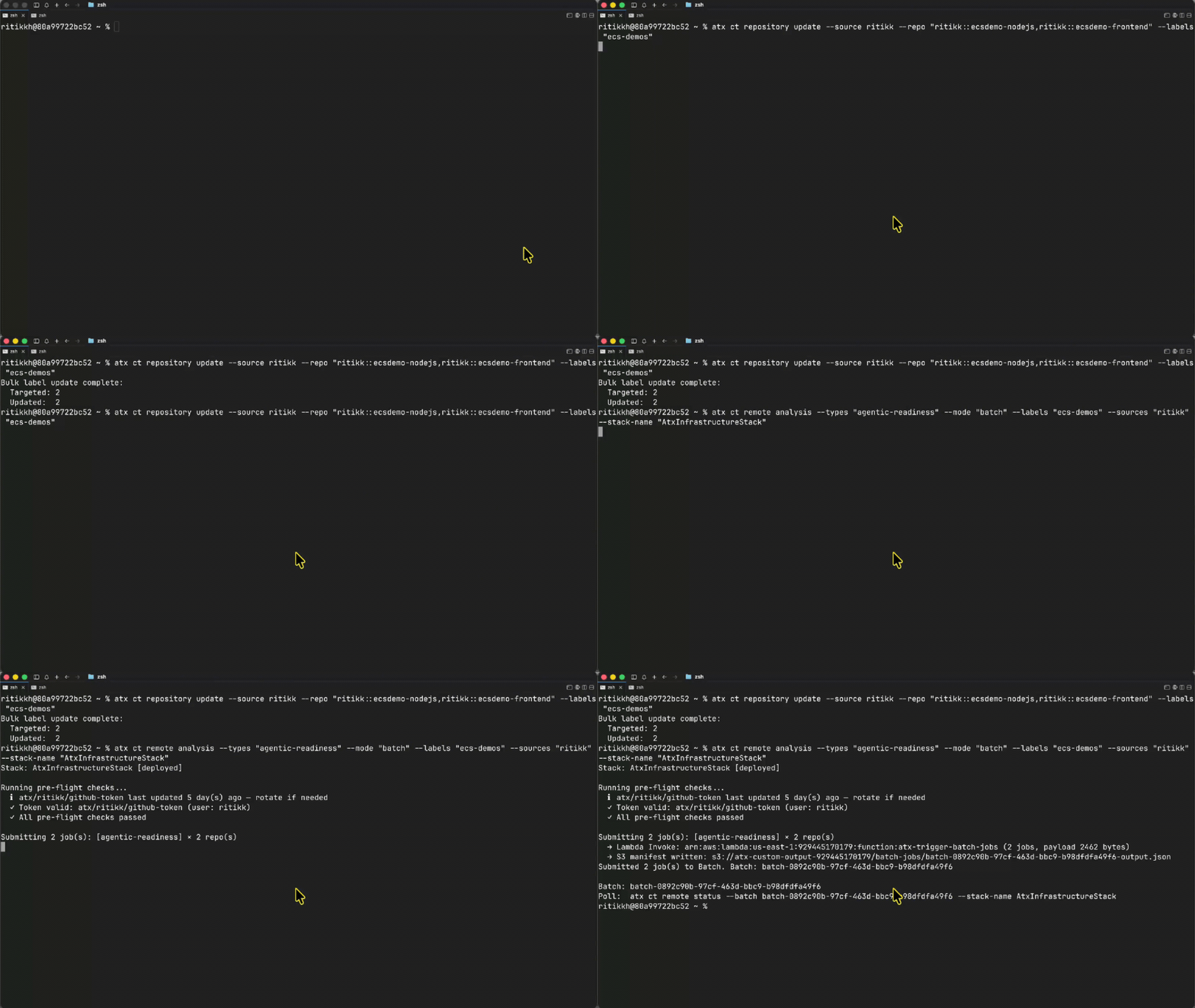
Figure 3: Use the AWS Transform cli to analyze your repositories
Real-world results
Across industries, partners and enterprises are already seeing the impact of continuous modernization. The results speak to a consistent theme: what used to take months of manual effort now happens in minutes, at a scale that was previously impractical with manual review.
From weeks of manual assessment to insights in days
Quantiphi ran continuous modernization across a large portfolio and compressed a multi-week assessment into a matter of days:
“At Quantiphi, we’re helping enterprises accelerate application modernization through AI-powered engineering. Using AWS Transform continuous modernization, we analyzed more than 500 repositories and uncovered over 3,000 technical debt findings in less than a week, a time frame that traditionally required nearly three weeks of manual assessment. By automating technical debt discovery and providing actionable remediation insights, we reduced assessment effort by more than 60%, accelerated modernization planning, and enabled our customers to focus engineering investments on innovation instead of analysis. We believe AWS Transform continuous modernization is a foundational capability for delivering continuous, AI-driven enterprise modernization at scale.”
Sanchit Jain, Migration and Modernization Practice Leader, Quantiphi AWS Practice
Shifting from reactive maintenance to proactive modernization
For Hexaware, the value is in continuously surfacing what needs attention across large portfolios, so teams can get ahead of debt rather than react to it:
“At Hexaware, we’re constantly looking for ways to help clients modernize faster while controlling cost and complexity. AWS Transform continuous modernization provides a scalable approach to identifying technical debt, modernization opportunities, and AI-readiness gaps across large application portfolios. By automating analysis and continuously surfacing remediation recommendations, organizations can shift from reactive maintenance to proactive modernization. This capability has the potential to significantly accelerate transformation roadmaps and help enterprises build more resilient, future-ready applications, very quickly.”
Inderjeet Gurtatta, Vice President, Hexaware Technologies
An 80 percent reduction in assessment time
Tech Mahindra measured the impact directly, cutting assessment time from 40 hours to 8 across 25 repositories:
“Achieving an 80 percent reduction in assessment time, from 40 hours down to 8, across 25 enterprise repositories is just the beginning of what we see as a transformative shift in how organizations approach continuous modernization. AWS Transform’s scanning and analysis engine is solid, and the structured output allows our teams to validate findings quickly and build prioritized remediation plans with confidence. As the platform matures with features like scan resume capabilities and broader platform support, we expect to embed AWS Transform continuous modernization into our standard delivery methodology while maintaining the depth and accuracy our enterprise clients demand.”
Sanjeev Agarwal, Global Head of AWS Business, Tech Mahindra
Uncovering risks that traditional scanners miss
Cybage found that the continuous modernization capability surfaced hidden security risks that conventional scans overlooked, then fed those findings into their own delivery framework:
“AWS Transform continuous modernization completes codebase analysis in under an hour, work which normally takes weeks, while uncovering risks that traditional scanners miss like disabled security warnings, vulnerable code copied into applications, and security controls intentionally switched off. Cybage’s CLEAR Framework builds on these findings by converting them into a prioritized, customer-specific modernization plan with confidence scoring, technical-debt measurement, and integration with tools like GitHub, Jira, and SonarQube. Together, AWS Transform discovers hidden risks at speed, and CLEAR determines what matters most and how teams move from analysis to execution.”
Mohammad Mahdee-uz Zaman, Vice President, AWS Strategic Alliances, Cybage Software Inc.
Straight from discovery to a concrete migration plan
3Pillar moved directly from discovery to an actionable migration plan:
“For most IT leaders, application modernization is the bane of their existence. We put AWS Transform continuous modernization to the test across more than 25 repos, and came away very impressed. Analysis that would have taken our engineers an estimated 3-4 weeks of manual code reviews surfaced in an hour, uncovering over 190 tech debt findings, including outdated dependencies, dead code, and migration risks. The service’s ability to build migration rules purpose-built for each repo let us move straight from discovery to a concrete migration plan, without weeks of manual mapping. Based on our testing, we estimate AWS Transform continuous modernization can cut 40-50% off the overall modernization lifecycle. This speed means tech leaders can embark on modernization initiatives with confidence that it won’t drag on for many years.”
Pankaj Chawla, CTO, 3Pillar
Conclusion
AWS Transform – continuous modernization helps you go from one-off projects and campaigns to a fully operational tech debt management program: connecting sources, running analyses, triaging findings, launching remediation campaigns, and scheduling recurring scans. The web app dashboard and reports provide prioritization signals directly from your code. When a repository diverges from your baseline, the next analysis can surface the change and help teams understand its severity and breadth. This reduces reliance on manual status collection and periodic code-health audits.
To get started, you can access the capability through the AWS Transform Kiro power, the AWS Transform web application, or directly via the atx ct CLI. To learn more, visit the AWS Transform documentation.