AWS Partner Network (APN) Blog
Unlock revenue insights in the Attributed Revenue Dashboard
This post has been updated to reflect the latest Partner Revenue Measurement capabilities.
By Jahnai Bilovsky, Kelly Bornholdt, and Chris Xu – APN/MP Tech Business Development, AWS
As the cloud industry evolves, Partners have asked for more ways to demonstrate the business impact and return on investment of their solutions. Yet many lack visibility into the actual revenue impact their AWS solutions drive, making it difficult to optimize their go-to-market strategies.
To support this need, we launched Partner Revenue Measurement—a set of capabilities that help Partners measure attributed revenue, demonstrate impact, and unlock mutual growth opportunities.
Partner Revenue Measurement is now how we measure partnership success across Partner programs and benefits, creating a direct line between Partner impact and AWS investment. It provides transparent, data-driven measurement that recognizes Partners based on actual AWS service consumption across Partner and customer accounts.
The Attributed Revenue Dashboard in AWS Partner Central brings Partner Revenue Measurement insights to life with automated revenue data by Partner product, AWS service, and billing period.
In this blog, we’ll cover the benefits of Partner Revenue Measurement, how the Attributed Revenue Dashboard works, and how to get started.
Benefits
Partner Revenue Measurement delivers precise, automated measurement of the AWS consumption you’re driving—eliminating guesswork and ensuring your full impact is recognized. This enables faster funding decisions with higher investment levels.
This data-driven approach transforms how Partners and AWS collaborate. Here’s what that means for your business:
- Revenue impact visibility: See exactly which products and services are driving AWS consumption, with monthly data by Partner product and AWS service to inform strategic decisions.
- Smarter co-selling: Demonstrate solution value with quantifiable metrics to AWS sales teams, helping you identify high-performing co-sell areas to focus your resources and drive growth.
- Strategic partnership growth: Use performance data to drive business reviews with AWS, optimize your product and go-to-market strategies, and unlock more targeted investment and recognition based on actual impact.
- Automation and faster payments: Reduce administrative burden and get the proof points you need to grow your AWS business—eliminating manual reporting, reconciliation, and tracking across multiple programs.
- Customer cost management visibility: Enable customers to identify Partner-provisioned resources and map costs for spend management.
How it works
The Attributed Revenue Dashboard, accessible through Partner Analytics in AWS Partner Central in the AWS Console, provides visibility into the revenue impact your solutions generate.
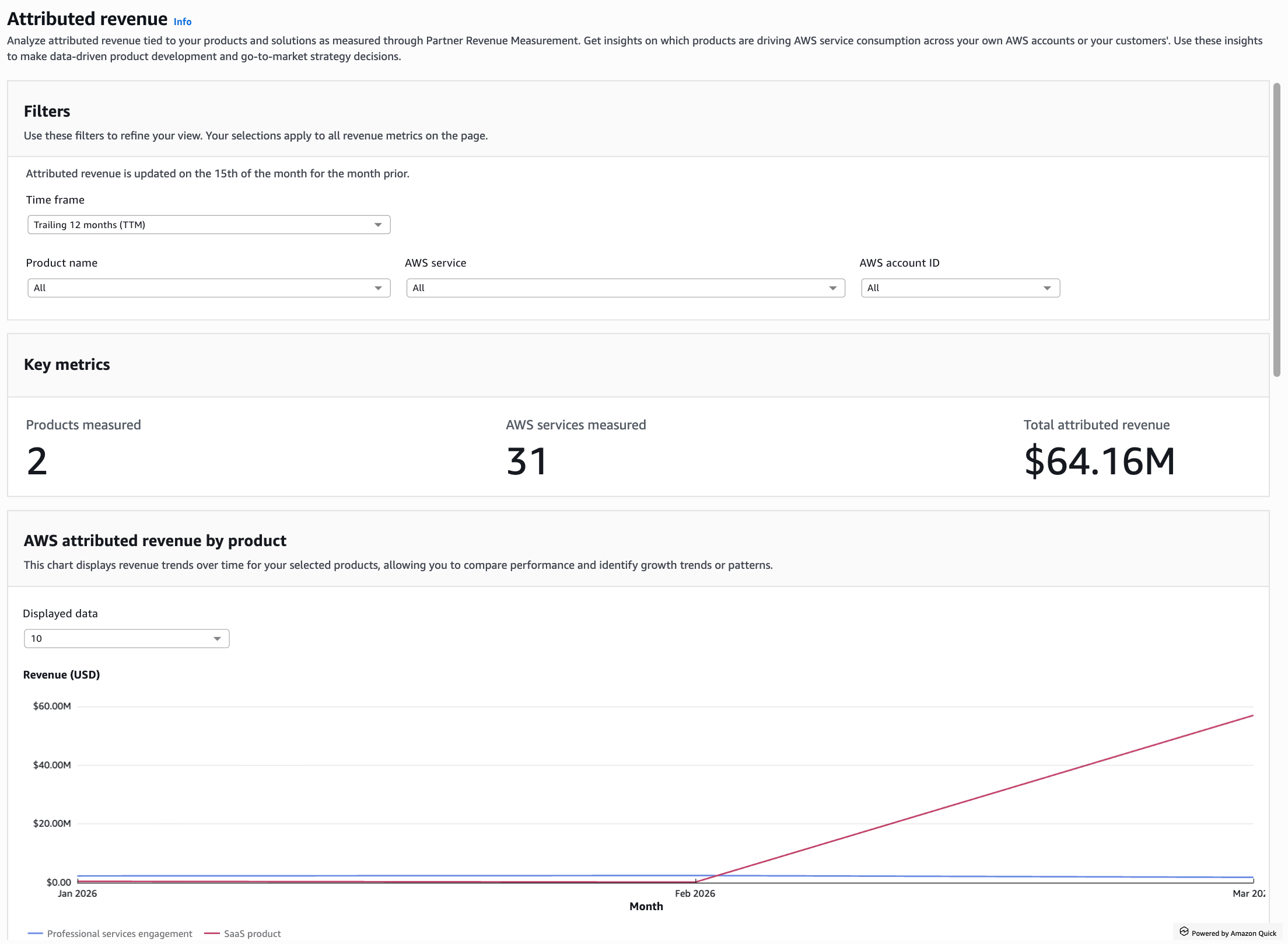
Figure 1 – Attributed Revenue Dashboard in AWS Partner Central.
The dashboard displays monthly attributed revenue by Partner product, AWS service, and billing period. View consumption patterns, workload-level performance metrics, and growth opportunities—all in one place.
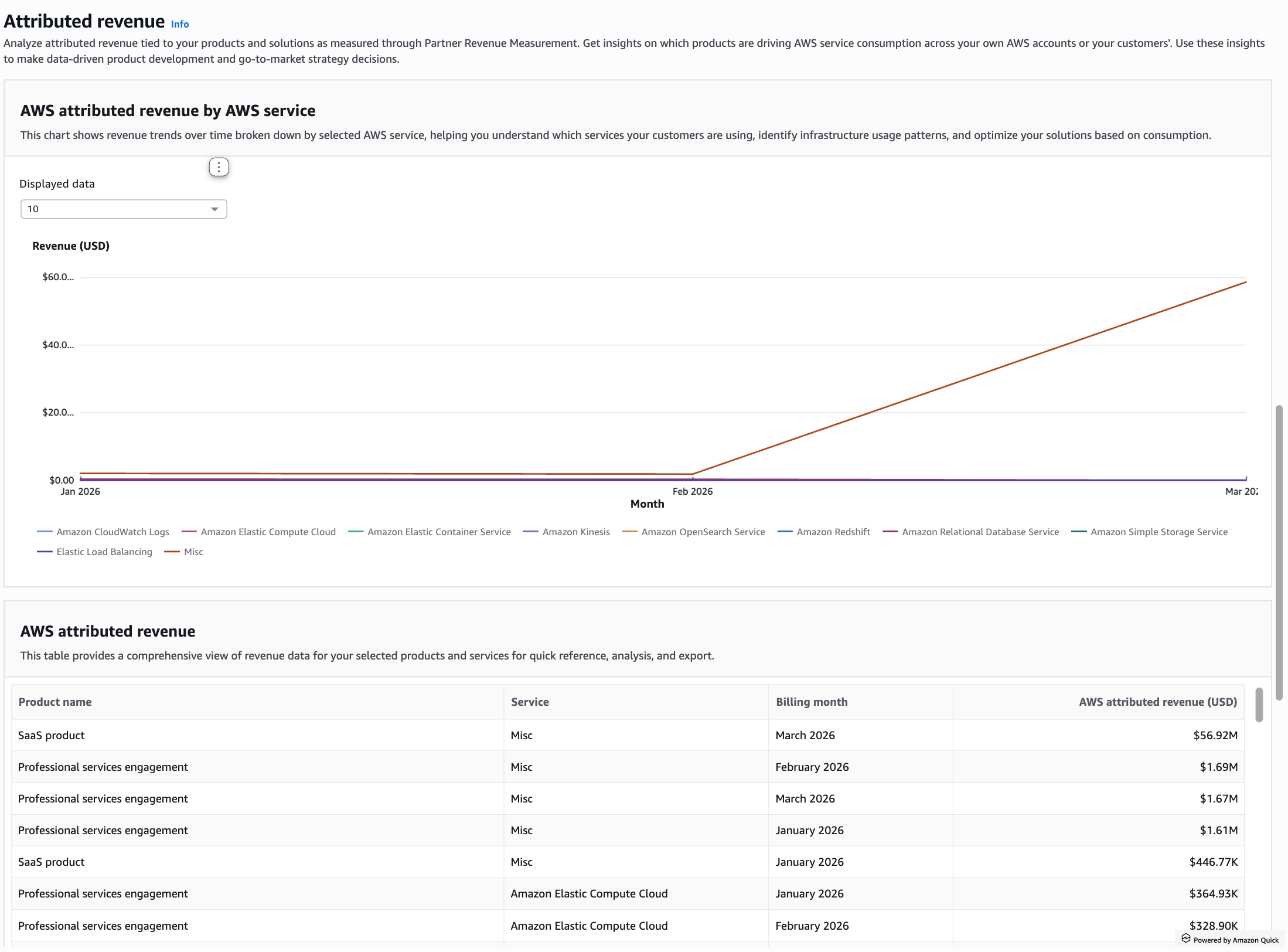
Figure 2 – AWS attributed revenue by AWS service.
Partners can get started with Partner Revenue Measurement using one of three implementation capabilities: Resource Tagging, User Agent string, and AWS Marketplace Metering—providing flexibility to choose the one that works best for their solution architecture.
- Resource Tagging: Apply standardized tags to AWS resources using the product code from your AWS Marketplace listing. Resource Tagging now supports multi-Partner attribution, allowing multiple Partners to receive revenue attribution on the same customer resource.
- User Agent string: Measure the AWS revenue impact of your solution across supported services by embedding a unique product code as a user agent—with options to update application code directly or set an environment variable. The User Agent string now extends across applicable AWS services that log control plane activity in AWS CloudTrail, increasing your visibility into the revenue your solutions drive. Partners who have already embedded the user agent string automatically benefit from expanded coverage with no additional implementation or rework required.
- AWS Marketplace Metering: Automatically measures Amazon EC2 and Amazon SageMaker AI service consumption across customer-managed environments when customers purchase and use Amazon Machine Image (AMI) and machine learning (ML) products via AWS Marketplace. No additional implementation effort required.
See the dashboard in action: watch demo →
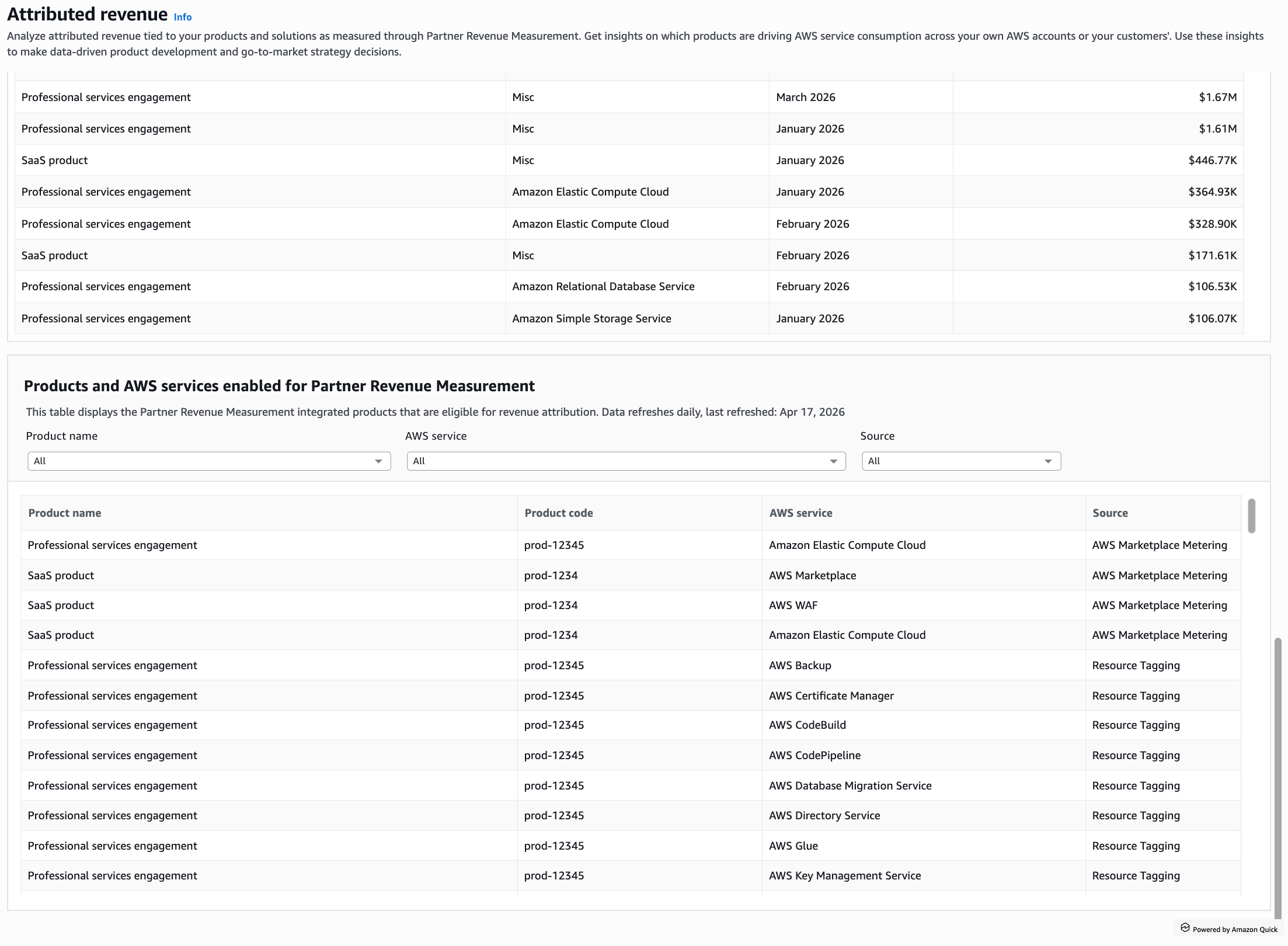
Figure 3 – Partner product onboarding status by source.
What Partners are saying
Feedback from Partners played a key role in helping us develop the dashboard and Partner Revenue Measurement capabilities. Partners tell us that Partner Revenue Measurement represents a fundamental shift in how AWS recognizes Partner value.
“PRM has become a true growth mechanism for BASIS, not simply an attribution tool,” says Landon Meserve, Vice President of BD & Partnerships at BASIS. “We’ve built a coordinated engineering and sales motion around it to re-engage customers from prior AWS engagements, validate the long-term consumption we helped create, and reopen strategic conversations around what comes next. That gives AWS greater visibility into the value BASIS has delivered, while helping us turn trusted customer relationships into new migration, modernization, and expansion opportunities. For us, PRM is creating measurable value on both sides of the partnership.”
That theme—visibility into shared value—is one we hear consistently, especially as AI accelerates the pace of cloud innovation.
Prabhakar Appana, SVP and Global Head of AWS Business Unit at HCLTech says, “The future of strategic partnerships will increasingly be built on measurable business outcomes. As cloud adoption accelerates and AI becomes mainstream, both AWS and its partners need greater visibility into the value being created together. PRM provides that common foundation.” Watch how HCLTech turns PRM data into smarter investments →
The impact also shows up in the numbers—revealing consumption that was previously going unrecognized.
Jan Keromnes, Sales Engineer and Cloud Alliances Lead at EngFlow shares: “We implemented PRM across our portfolio because we knew we were driving significantly more AWS consumption than we were recognized for in Enterprise customer environments. PRM validated that at scale—we’re seeing more than 10x the attributed revenue compared we could previously demonstrate, and reporting is automatic. That visibility changes the partnership: AWS can now see the full value we bring to joint customers, which strengthens co-sell investment and helps both sides prioritize the right opportunities.”
For Partners operating at a global scale, the value comes from replacing manual reporting with data—freeing them to focus on the customer.
“The strongest partnerships are built on shared customer outcomes and measurable impact,” says Chris Stewart, VP Global Technology, Marketplace and Cloud Alliances at CrowdStrike. “Partner Revenue Measurement gives us a clear view into the AWS consumption our solutions drive, helping us demonstrate value with data instead of manual reporting. With greater visibility and automation, we can focus on what matters most: helping customers innovate securely on AWS while continuing to scale our business together.” Watch how Crowdstrike put all three PRM capabilities to work across its portfolio →
Get started
Starting in 2027, PRM Attributed Revenue will be used to determine AWS Partner funding benefits, with new PRM requirements rolled out by program throughout the year. Now is the time to expand your PRM coverage across your portfolio, starting with your most utilized products or service delivery engagements.
To access the Attributed Revenue Dashboard, log in to AWS Partner Central in the Console.
To get started with Partner Revenue Measurement:
- Have a public listing in AWS Marketplace;
- Link your AWS account to your AWS Partner Central account;
- Implement Resource Tagging, User Agent String and/or AWS Marketplace Metering capabilities.
Partners with multiple AWS Marketplace seller accounts can use Subsidiary Account Connections to gain visibility of their entire solution portfolio across all seller accounts.
Learn more about the dashboard’s functionality and the latest Partner Revenue Measurement updates in the Onboarding Guide.