AWS Architecture Blog
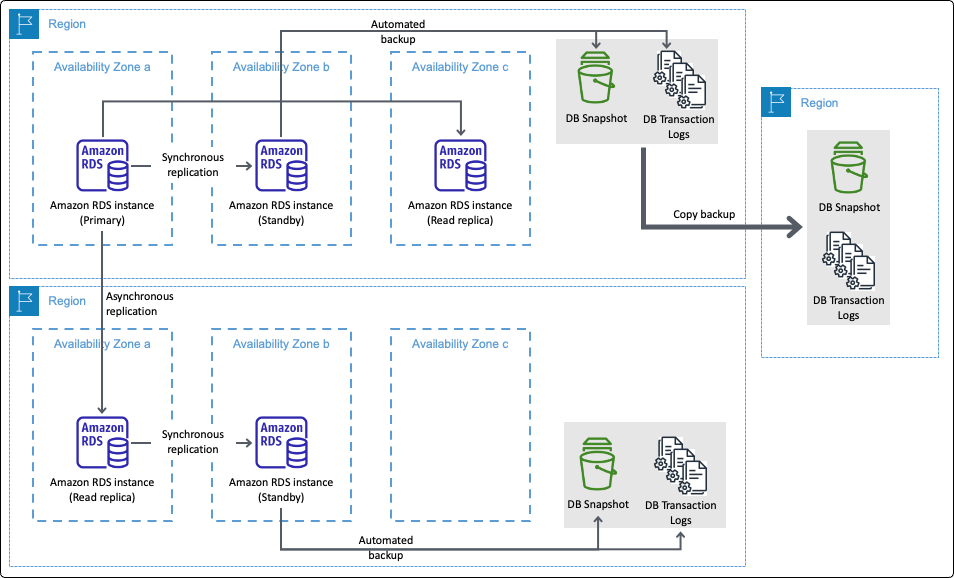
Streamlining access to powerful disaster recovery capabilities of AWS
In this blog post, we take a building blocks approach. Starting with the tools like AWS Backup to protect your data, we then add protection for Amazon Elastic Compute Cloud (Amazon EC2) compute using AWS Elastic Disaster Recovery (AWS DRS). Finally, we show how to use the full capabilities of AWS to restore your entire workload—data, infrastructure, networking, and configuration, using Arpio disaster recovery automation.
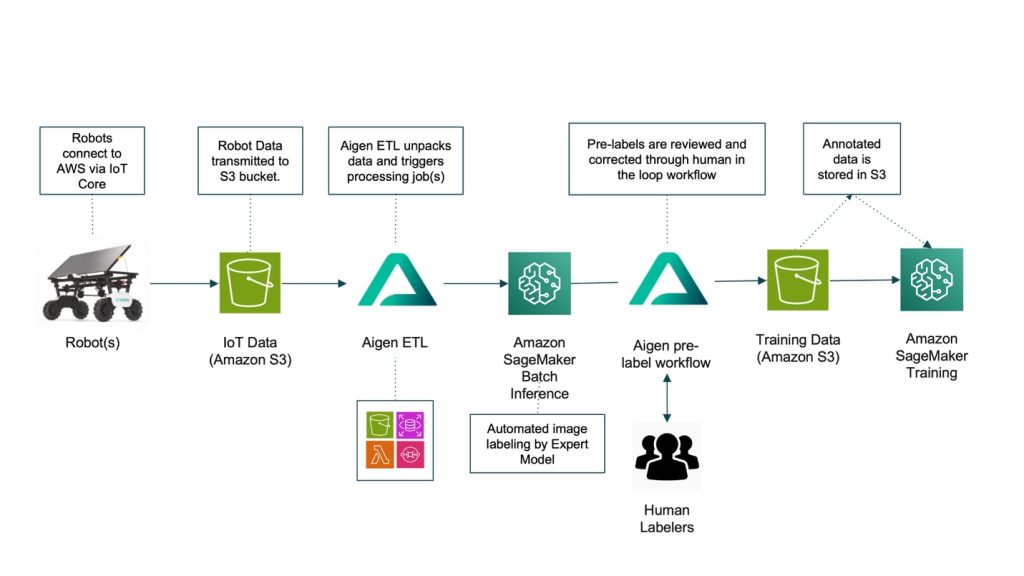
How Aigen transformed agricultural robotics for sustainable farming with Amazon SageMaker AI
In this post, you will learn how Aigen modernized its machine learning (ML) pipeline with Amazon SageMaker AI to overcome industry-wide agricultural robotics challenges and scale sustainable farming. This post focuses on the strategies and architecture patterns that enabled Aigen to modernize its pipeline across hundreds of distributed edge solar robots and showcase the significant business outcomes unlocked through this transformation. By adopting automated data labeling and human-in-the-loop validation, Aigen increased image labeling throughput by 20x while reducing image labeling costs by 22.5x.
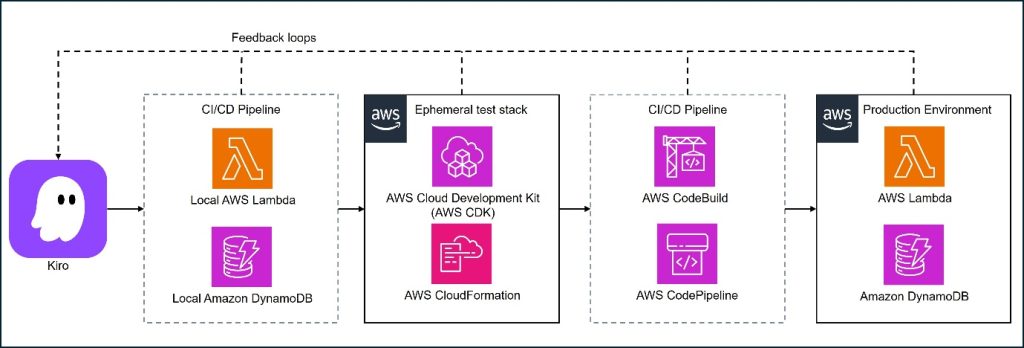
Architecting for agentic AI development on AWS
In this post, we demonstrate how to architect AWS systems that enable AI agents to iterate rapidly through design patterns for both system architecture and code base structure. We first examine the architectural problems that limit agentic development today. We then walk through system architecture patterns that support rapid experimentation, followed by codebase patterns that help AI agents understand, modify, and validate your applications with confidence.
How Generali Malaysia optimizes operations with Amazon EKS
In this post, we look at how Generali is using Amazon EKS Auto Mode and its integration with other AWS services to enhance performance while reducing operational overhead, optimizing costs, and enhancing security.
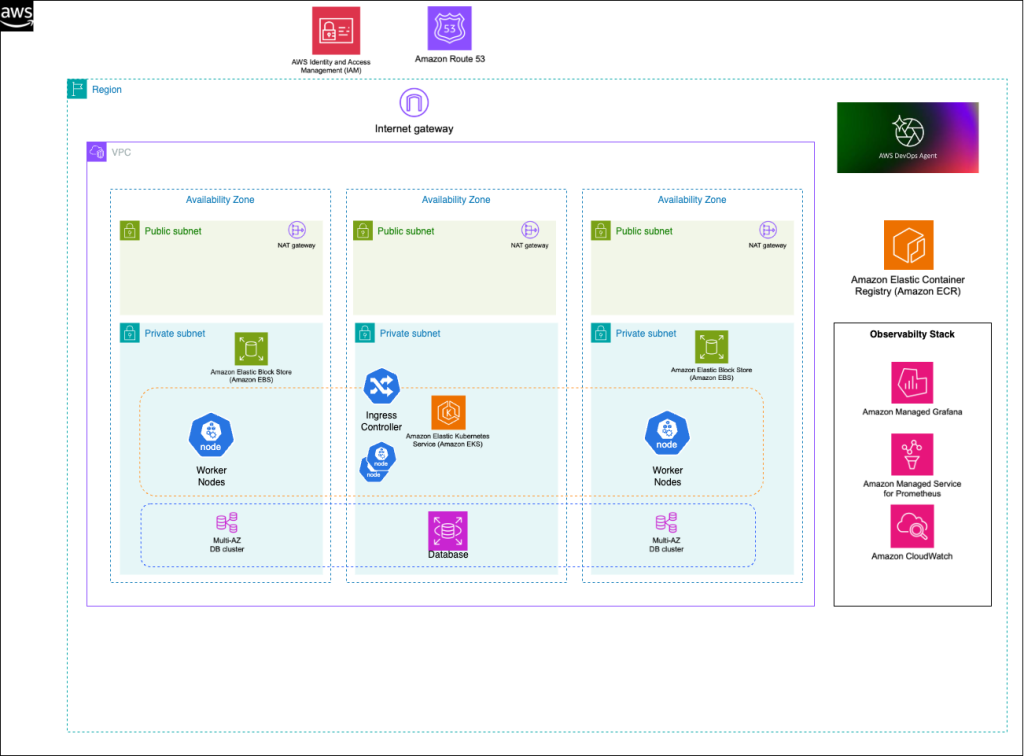
AI-powered event response for Amazon EKS
In this post, you’ll learn how AWS DevOps Agent integrates with your existing observability stack to provide intelligent, automated responses to system events.
The Hidden Price Tag: Uncovering Hidden Costs in Cloud Architectures with the AWS Well-Architected Framework
In this post, we discuss how following the AWS Cloud Adoption Framework (AWS CAF) and AWS Well-Architected Framework can help reduce these risks through proper implementation of AWS guidance and best practices while taking into consideration the practical challenges organizations face in implementing these best practices, including resource constraints, evaluating trade-offs and competing business priorities.
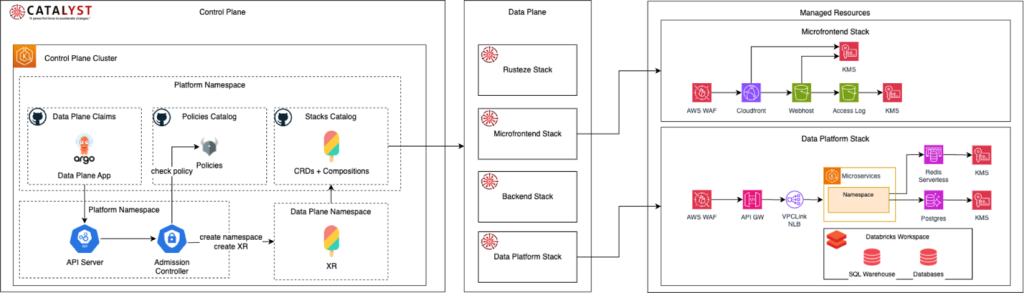
Digital Transformation at Santander: How Platform Engineering is Revolutionizing Cloud Infrastructure
Santander faced a significant technical challenge in managing an infrastructure that processes billions of daily transactions across more than 200 critical systems. The solution emerged through an innovative platform engineering initiative called Catalyst, which transformed the bank’s cloud infrastructure and development management. This post analyzes the main cases, benefits, and results obtained with this initiative.
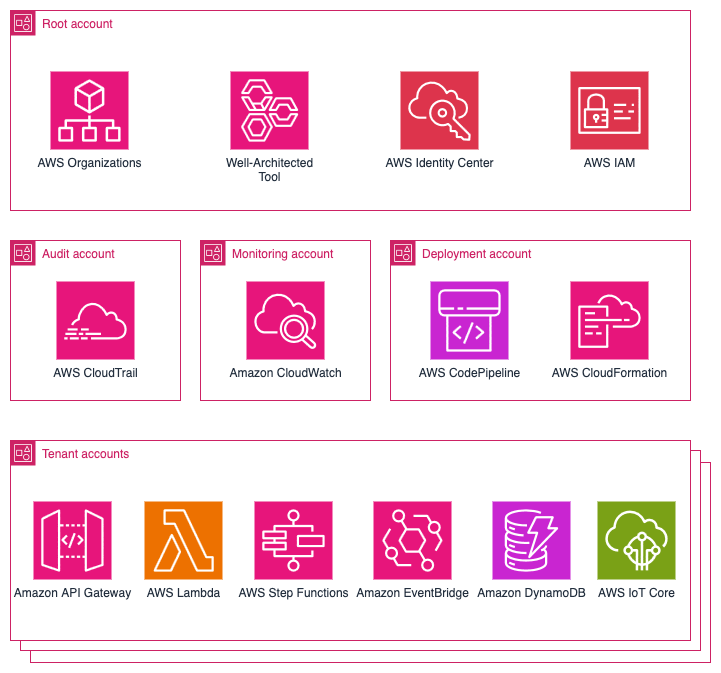
6,000 AWS accounts, three people, one platform: Lessons learned
This post describes why ProGlove chose a account-per-tenant approach for our serverless SaaS architecture and how it changes the operational model. It covers the challenges you need to anticipate around automation, observability and cost. We will also discuss how the approach can affect other operational models in different environments like an enterprise context.
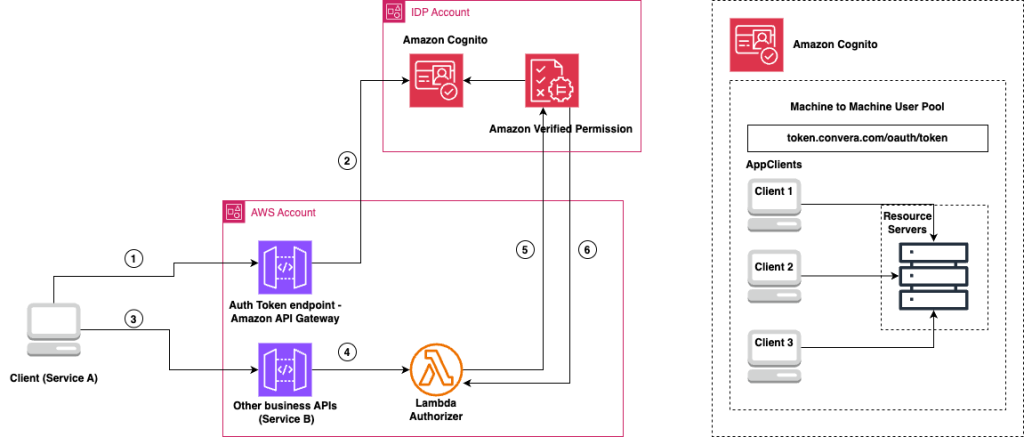
How Convera built fine-grained API authorization with Amazon Verified Permissions
In this post, we share how Convera used Amazon Verified Permissions to build a fine-grained authorization model for their API platform.
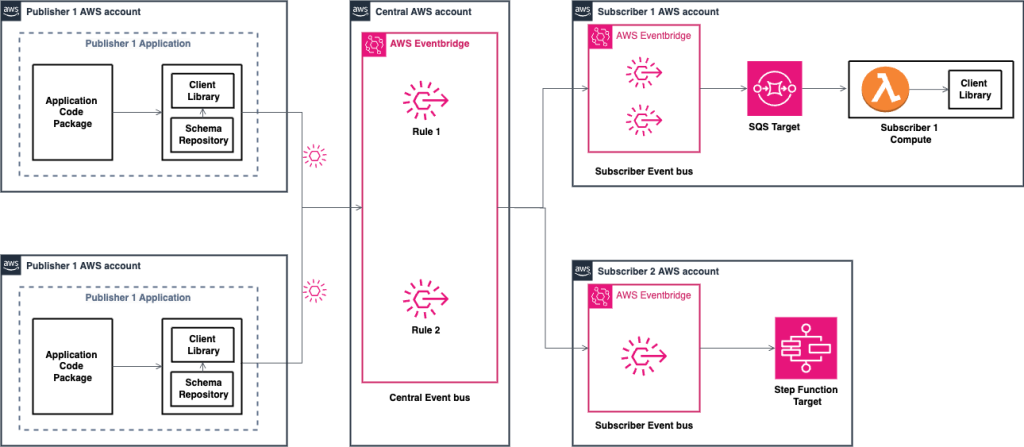
Mastering millisecond latency and millions of events: The event-driven architecture behind the Amazon Key Suite
In this post, we explore how the Amazon Key team used Amazon EventBridge to modernize their architecture, transforming a tightly coupled monolithic system into a resilient, event-driven solution. We explore the technical challenges we faced, our implementation approach, and the architectural patterns that helped us achieve improved reliability and scalability. The post covers our solutions for managing event schemas at scale, handling multiple service integrations efficiently, and building an extensible architecture that accommodates future growth.