AWS Architecture Blog

Making Effective Decisions for Your V1 AWS Design
In reviewing your existing business application portfolio to create V1 AWS designs—the first architecture design for moving to AWS—we must address two main factors that often inhibit progress: Your technology teams must find a clear path forward that balances modernization and migration. You must provide clear criteria to transform your platforms and also continue to […]

Overon (Mediapro Group): World-class Audiovisual Production Center on AWS
Every evening, millions of people sit on their couch looking for entertainment. Switching on a device is easy, but what really happens behind the scenes? How is your favorite content prepared so you can see it through your chosen streaming apps, TV channels or websites? The challenge that media companies face today is huge, as […]

Building a Serverless Outbreak Management Solution with AWS Data Lab
September 8, 2021: Amazon Elasticsearch Service has been renamed to Amazon OpenSearch Service. See details. This post was co-written by Dhruba Mondal and Shhalu Mittal of Erickson Senior Living and Rielah De Jesus Erickson Senior Living is an owner, manager, and developer of retirement communities in the United States. We provide independent living, assisted living, […]

Field Notes: How to Integrate Your Non-Cloud-Native COTS Software with AWS for Batch Processing
This post was co-written by Ashutosh Pateriya, AWS Partner Solutions Architect, GSI and Verny Quartara, Technology Architect, Infosys Ltd. Integrating legacy or non cloud-native products and tools inside cloud-native applications is a common requirement for enterprise customers looking to migrate their applications to AWS. Many legacy applications such as CRM, accounting, billing or supply chain […]

Fast and Secure Account Governance with Customizations for AWS Control Tower
Organizations around the world value a secure, well-architected, AWS environment that provides a strong foundation for their cloud operations. They seek a multi-account strategy that delivers operational excellence, security, reliability, performance, and cost optimization of their AWS resources now and into the future. AWS Control Tower delivers on this multi-account strategy by orchestrating various AWS […]
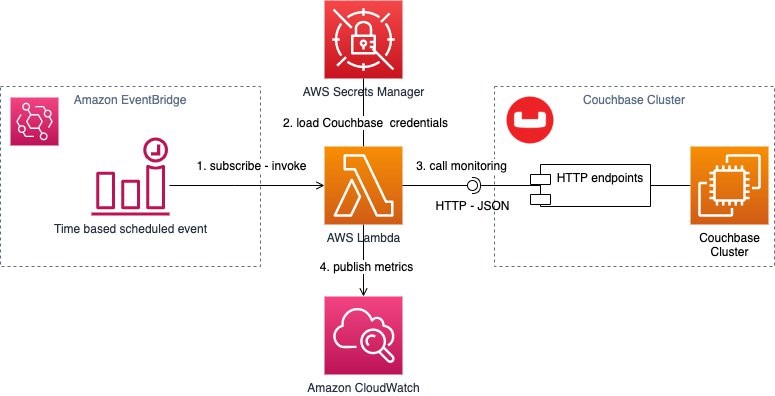
Field Notes: Monitor Your Couchbase Performance and Logs with Amazon CloudWatch
Cloud architects leverage AWS compute services to run customer-managed workloads like Couchbase clusters. While customer-managed workloads may come with their own monitoring metrics and dashboards, customers miss the same level of deep integration with Amazon CloudWatch that the AWS managed services provide. In this post, we show you how to achieve higher levels of observability […]

Architecture Monthly Magazine: Travel and Hospitality
In our Travel and Hospitality issue, we feature several customers: Southwest Airlines, American Airlines, Wyndham, Meliá, Just Eat Take Away, Domino’s, KFC, and more. We also have some great articles from NLX, IBS, Elenium, Datalex – our T&H competency partners. Through blogs and case studies, you’ll see how the double challenge of the pandemic and […]

Disaster Recovery (DR) Architecture on AWS, Part III: Pilot Light and Warm Standby
In this blog post, you will learn about two more active/passive strategies that enable your workload to recover from disaster events such as natural disasters, technical failures, or human actions. Previously, I introduced you to four strategies for disaster recovery (DR) on AWS. Then we explored the backup and restore strategy. Now let’s learn about […]

Ensure Optimal Application Performance with Distributed Load Testing on AWS
As a modern enterprise, your customers expect 100% availability of your critical web and mobile applications. Unforeseen events such as COVID-19, have necessitated many customer engagements to become virtual. This has made web and mobile applications even more critical. Distributed Load Testing on AWS (DLT) helps you automate the performance testing of your software applications […]
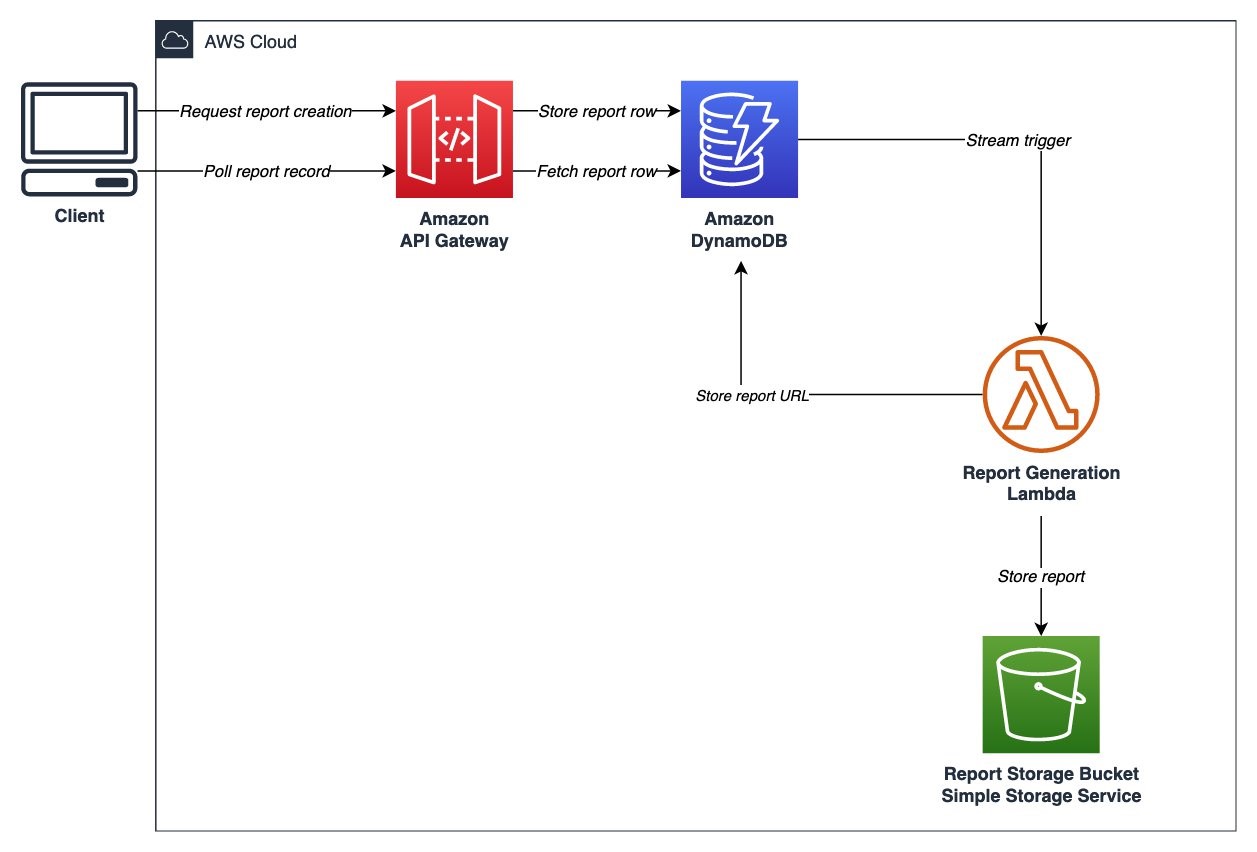
Managing Asynchronous Workflows with a REST API
While building REST APIs, architects often discover that they have particular operations that have to run in the background outside of the request processing scope. Some of these may be “fire and forget”—there is no need to report back to the client—for example, when initiating a shipment. For others, the client may need a response, […]