AWS DevOps & Developer Productivity Blog
Category: *Post Types

Build Next-Generation Microservices with .NET 5 and gRPC on AWS
Microservices commonly communicate with JSON over HTTP/1.1. These technologies are ubiquitous and human-readable, but they aren’t optimized for communication between dozens or hundreds of microservices. Next-generation Web technologies, including gRPC and HTTP/2, significantly improve communication speed and efficiency between microservices. AWS offers the most complete platform for builders implementing microservices — and the addition of HTTP/2 and gRPC support in Application Load Balancer (ALB) provides an end-to-end solution for next-generation microservices. ALBs can inspect and route gRPC calls, enabling features like health checks, access logs, and gRPC-specific metrics. This post demonstrates .NET microservices communicating with gRPC via Application Load Balancers.

Deploying custom AWS Config rules developed for Terraform using AWS Config RDK
To help customers using Terraform for multi-cloud infrastructure deployment, we have introduced a new feature in the AWS Config Rule Development Kit (RDK) that allows you to export custom AWS Config rules to Terraform files so that you can deploy the RDK rules with Terraform. This blog post is a complement to the previous post […]

Create CIS hardened Windows images using EC2 Image Builder
Many organizations today require their systems to be compliant with the CIS (Center for Internet Security) Benchmarks. Enterprises have adopted the guidelines or benchmarks drawn by CIS to maintain secure systems. Creating secure Linux or Windows Server images on the cloud and on-premises can involve manual update processes or require teams to build automation scripts […]

Deploying Alexa Skills with the AWS CDK
You can, and should, strive for Infrastructure-as-Code (IaC) and CI/CD in every project, including your Alexa Skills! Come learn how to use the AWS CDK to define your Alexa Skills as code and deploy them with a single CLI command or as part of a CI/CD workflow.

Deploy a Docker application on AWS Elastic Beanstalk with GitLab
Many customers rely on AWS Elastic Beanstalk to manage the infrastructure provisioning, monitoring, and deployment of their web applications. Although Elastic Beanstalk supports several development platforms and languages, its support for Docker applications provides the most flexibility for developers to define their own stacks and achieve faster delivery cycles. At the same time, organizations want […]
Using AWS CodePipeline for deploying container images to AWS Lambda Functions
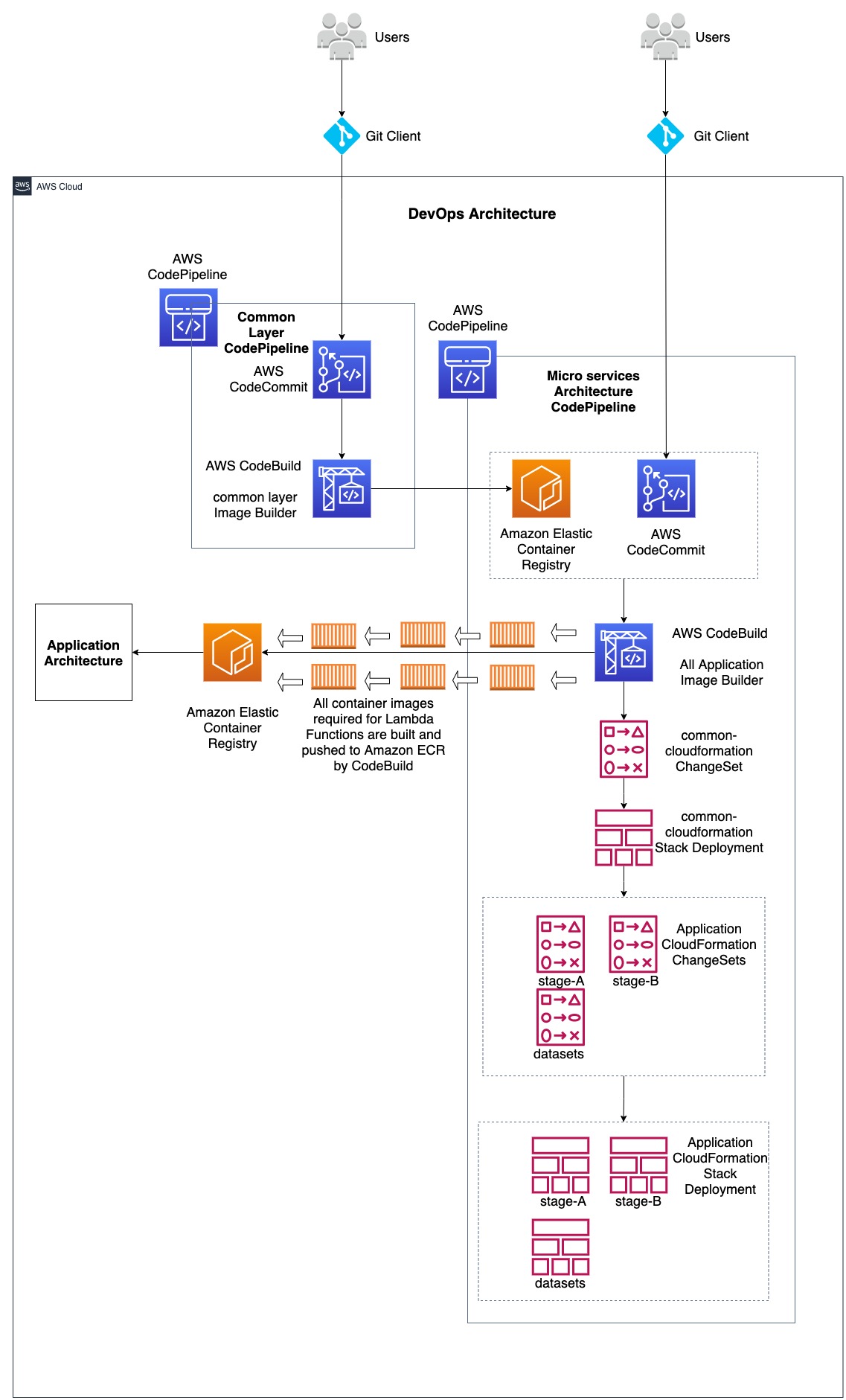
AWS Lambda launched support for packaging and deploying functions as container images at re:Invent 2020. In the post working with Lambda layers and extensions in container images, we demonstrated packaging Lambda Functions with layers while using container images. This post will teach you to use AWS CodePipeline to deploy docker images for microservices architecture involving […]

EC2 Image Builder and Hands-free Hardening of Windows Images for AWS Elastic Beanstalk
In this blog post you will learn how to automate the process of customizing Elastic Beanstalk managed AMIs using EC2 Image Builder and apply the medium and low severity STIG settings to Windows instances whenever new platform versions are released.

Deploy data lake ETL jobs using CDK Pipelines
This post is co-written with Isaiah Grant, Cloud Consultant at 2nd Watch. Many organizations are building data lakes on AWS, which provides the most secure, scalable, comprehensive, and cost-effective portfolio of services. Like any application development project, a data lake must answer a fundamental question: “What is the DevOps strategy?” Defining a DevOps strategy for […]

Building a centralized Amazon CodeGuru Profiler dashboard for multi-account scenarios
This post shows you how to configure CodeGuru Profiler to collect multiple applications’ profiling data into a central account and review the applications’ performance data on one dashboard.
Chaos engineering on Amazon EKS using AWS Fault Injection Simulator
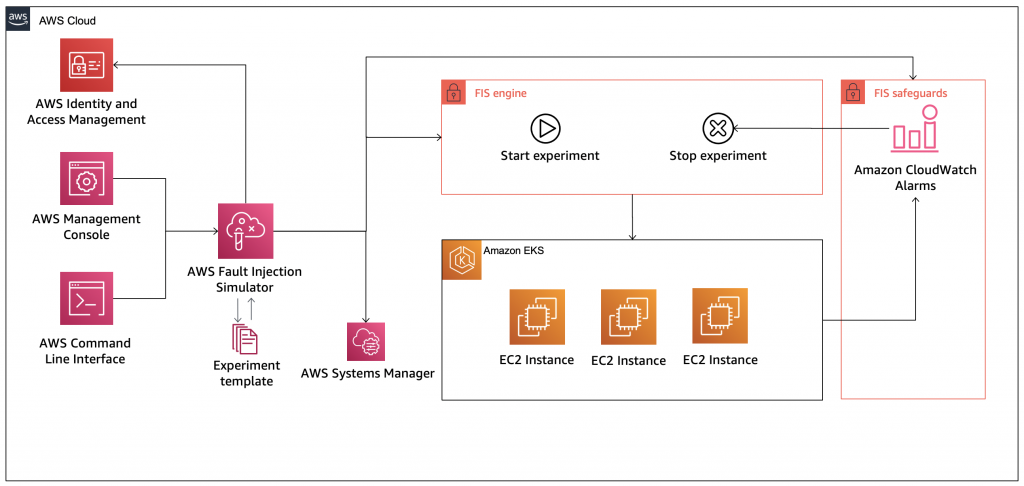
In this post, we discuss how you can use AWS Fault Injection Simulator (AWS FIS), a fully managed fault injection service used for practicing chaos engineering. AWS FIS supports a range of AWS services, including Amazon Elastic Kubernetes Service (Amazon EKS), a managed service that helps you run Kubernetes on AWS without needing to install […]