AWS Architecture Blog
Category: Architecture

Top 5: Featured Architecture Content for August
The AWS Architecture Center provides new and notable reference architecture diagrams, vetted architecture solutions, AWS Well-Architected best practices, whitepapers, and more. This blog post features some of our best picks from the new and newly updated content we released in the past month. 1. Implementing Travel & Hospitality Data Mesh The travel and hospitality industries […]
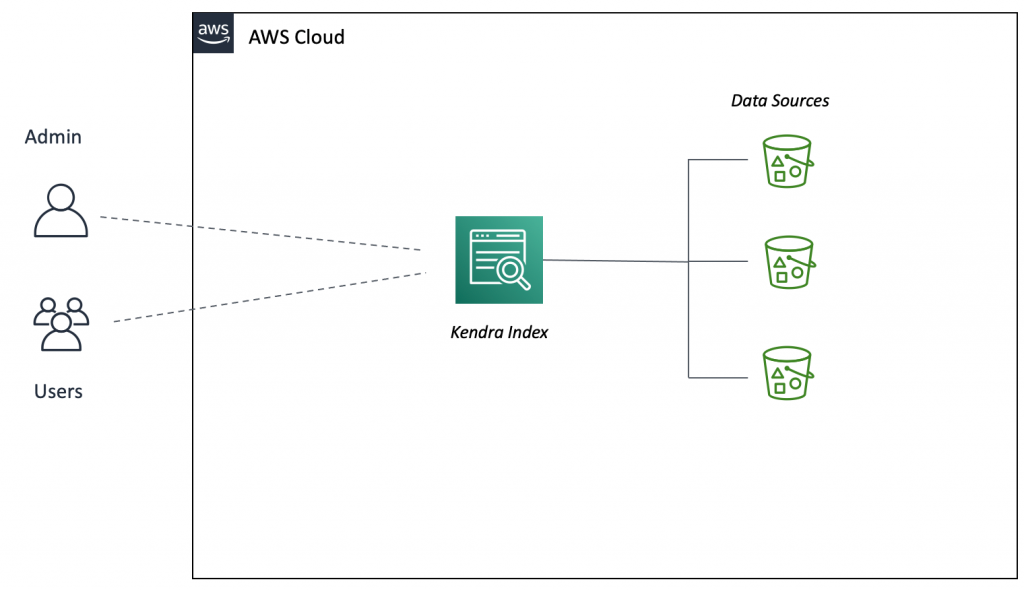
Field Notes: How to Boost Your Search Results Using Relevance Tuning with Amazon Kendra
One challenge enterprises face when they implement an intelligent search solution for their large data sources, is the ability to quickly provide relevant search results. When working with large data sources, not all features or attributes within your data will be equally relevant to all your users. We want to prioritize identifying and boosting specific […]

Scaling Data Analytics Containers with Event-based Lambda Functions
The marketing industry collects and uses data from various stages of the customer journey. When they analyze this data, they establish metrics and develop actionable insights that are then used to invest in customers and generate revenue. If you’re a data scientist or developer in the marketing industry, you likely often use containers for services […]

Toyota Connected and AWS Design and Deliver Collision Assistance Application
This post was cowritten by Srikanth Kodali, Sr. IoT Data Architect at AWS, and Will Dombrowski, Sr. Data Engineer at Toyota Connected Toyota Connected North America (TC) is a technology/big data company that partners with Toyota Motor Corporation and Toyota Motor North America to develop products that aim to improve the driving experience for Toyota […]

Augmenting VMware Cloud on AWS Workloads with Native AWS services
VMware Cloud on AWS allows you to quickly migrate VMware workloads to a VMware-managed Software-Defined Data Center (SDDC) running in the AWS Cloud and extend your on-premises data centers without replatforming or refactoring applications. You can use native AWS services with Virtual Machines (VMs) in the SDDC, to reduce operational overhead and lower your Total […]
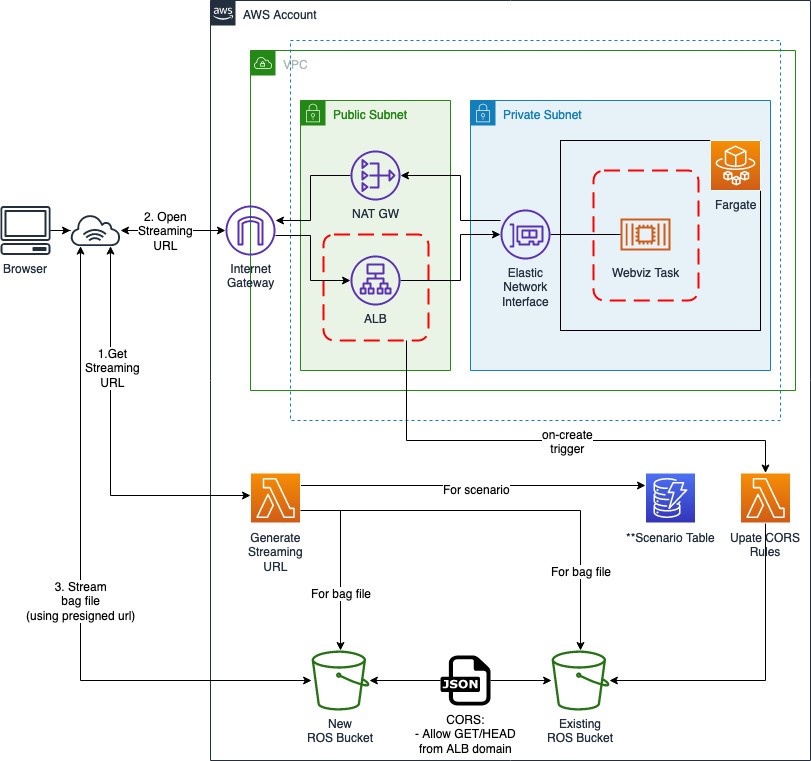
Field Notes: Deploy and Visualize ROS Bag Data on AWS using rviz and Webviz for Autonomous Driving
In the automotive industry, ROS bag files are frequently used to capture drive data from test vehicles configured with cameras, LIDAR, GPS, and other input devices. The data for each device is stored as a topic in the ROS bag file. Developers and engineers need to visualize and inspect the contents of ROS bag files to identify […]

How IPONWEB Adopted Spot Instances to Run their Real-time Bidding Workloads
IPONWEB is a global leader that builds programmatic, real-time advertising technology and infrastructure for some of the world’s biggest digital media buyers and sellers. The core of IPONWEB’s business is Real-time Bidding (RTB). IPONWEB’s platform processes, transmits, and auctions huge volumes of bid requests and bid responses in real time. They are then able to determine […]

Field Notes: How to Scale OpenTravel Messaging Architecture with Amazon Kinesis Data Streams
The travel industry relies on OpenTravel messaging systems to collect and distribute travel data—like hotel inventory and pricing—to many independent ecommerce travel sites. These travel sites need immediate access to the most current hotel inventory and pricing data. This allows shoppers access to the available rooms at the right prices. Each time a room is […]

Accelerating your Migration to AWS
The key to a successful migration to AWS is a well thought out plan, informative tools, prior migration experience, and quality implementation. In this blog, we will share best practices for planning and accelerating your migration. We will discuss two key concepts of a migration: Portfolio Assessment and Migration. So, let’s get started. Figure 1. […]

How to Accelerate Building a Lake House Architecture with AWS Glue
Customers are building databases, data warehouses, and data lake solutions in isolation from each other, each having its own separate data ingestion, storage, management, and governance layers. Often these disjointed efforts to build separate data stores end up creating data silos, data integration complexities, excessive data movement, and data consistency issues. These issues are preventing […]