AWS Architecture Blog
Category: Learning Levels

Ensure Optimal Application Performance with Distributed Load Testing on AWS
As a modern enterprise, your customers expect 100% availability of your critical web and mobile applications. Unforeseen events such as COVID-19, have necessitated many customer engagements to become virtual. This has made web and mobile applications even more critical. Distributed Load Testing on AWS (DLT) helps you automate the performance testing of your software applications […]

Discovering Hot Topics using Machine Learning
Successful businesses not only have great products and services; they also have a deep understanding of their customers. Companies that can use behavioral analytics in marketing automation platforms are better equipped to deliver real-time marketing efforts. According to a research case study from Deloitte, companies with a customer-centric business model are 60% more profitable. Knowing […]

Digitally transform your factory with Machine Downtime Monitor on AWS
In manufacturing enterprises, digital transformation and Industry 4.0 are likely at the top of your mind. New technologies in the Industrial Internet of Things (IIoT) space are critical for monitoring your factory production environments for optimal performance and efficiency. Global events such as Covid-19 have increased interest in monitoring factory performance digitally, when access to […]

Establishing Feedback Loops Based on the AWS Well-Architected Framework Review
The AWS Well-Architected Framework helps customers build a secure, high-performing, resilient, and efficient infrastructure for their applications and workloads. The Well-Architected (WA) Tool was introduced in 2018 to help customers assess their workloads against the best practices defined by the AWS Well-Architected Framework. The report of an AWS Well-Architected Tool self-assessment gives recommendations on improvements […]

Reduce Operational Load using AWS Managed Services for your Data Solutions
As the volume of customers’ data grows, companies are realizing the benefits that data has for their business. Amazon Web Services (AWS) offers many database and analytics services, which give companies the ability to build complex data management workloads. At the same time, these services can reduce the operational overhead compared to traditional operations. Using […]

Architecting Cross-channel Intelligent Customer Engagements
Recently, we have had customers express the desire to build “omni-channels.” These omni-channels provide a centralized overview of digital engagement channels that help you better understand your customers and offer a more personalized experience. Many companies have tried or are trying to implement an omni-channel strategy. However, because most existing channels are built on different platforms and […]

Architecting SWIFT Connectivity on Amazon Web Services (AWS)
The adoption of the ISO 20022 messaging standard by the financial industry will benefit all participants across the payments chain: banks, market infrastructures, corporate, and consumers. By moving the SWIFT messaging and communications infrastructure stack onto AWS, customers can speed their adoption of ISO 20022. At the same time, they can reduce costs, and improve […]
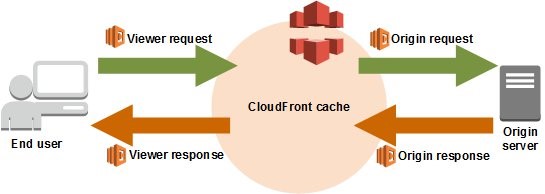
Dynamic Request Routing in Multi-tenant Systems with Amazon CloudFront
In this blog post, we will share how OutSystems designed a globally distributed serverless request routing service for their multi-tenant architecture. This will provide you ways to benefit from a managed solution that’s scalable and requires a low operational effort. Namely, we explain how to select the origin serving an HTTP/S request using Lambda@Edge, including […]

Journey to Adopt Cloud-Native Architecture Series: #2 – Maximizing System Throughput
April, 2026: Aurora Serverless v2 has been renamed Aurora serverless. No action required. In the last blog, Preparing your Applications for Hypergrowth, we talked about hypergrowth and the technical challenges it presents to companies. As a reminder, we presented an example ecommerce company running a monolithic application on Elastic Compute Cloud (Amazon EC2). This application […]

IT Resilience Within AWS Cloud, Part II: Architecture and Patterns
In Part I of this two-part blog, we outlined best practices to consider when building resilient applications in hybrid on-premises/cloud environments. We also showed you how to adapt mindsets and organizational culture. In Part II, we’ll provide technical considerations related to architecture and patterns for resilience in AWS Cloud. Considerations on architecture and patterns The […]