AWS Big Data Blog

Author: Nikki Rouda
Nikki focuses on strategic marketing and thought leadership for AWS. His background in enterprise technology spans storage, compute, containers, networking, analytics, and modern applications. In his current role, Nikki helps customers understand how AWS cloud infrastructure innovations help them meet their business goals.
Zero-ETL: How AWS is tackling data integration challenges
In this blog post, we show you how Amazon Web Services (AWS) is simplifying data integration with zero-ETL while realizing performance benefits and cost optimizations. As organizations gather data for analytics and AI, they are increasingly finding themselves caught in a complex web of extract, transform, and load (ETL) pipelines—the traditional backbone of data integration. […]
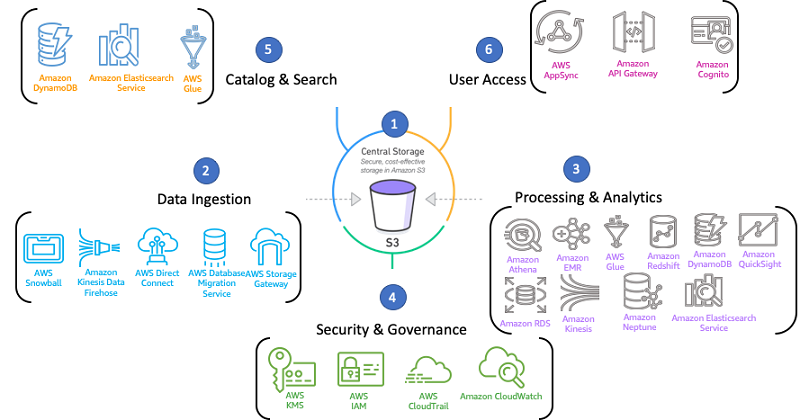
Build an AWS Well-Architected environment with the Analytics Lens
Building a modern data platform on AWS enables you to collect data of all types, store it in a central, secure repository, and analyze it with purpose-built tools. Yet you may be unsure of how to get started and the impact of certain design decisions. To address the need to provide advice tailored to specific technology and application domains, AWS added the concept of well-architected lenses 2017. AWS now is happy to announce the Analytics Lens for the AWS Well-Architected Framework. This post provides an introduction of its purpose, topics covered, common scenarios, and services included.
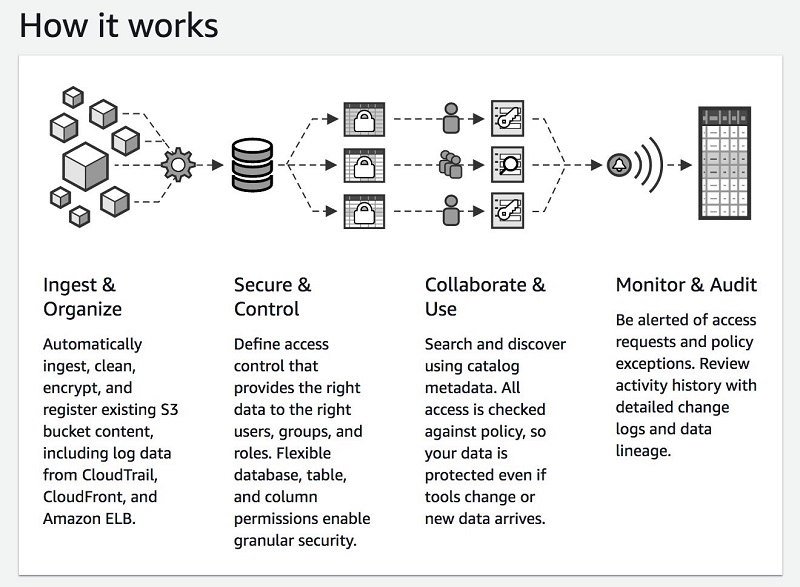
Build, secure, and manage data lakes with AWS Lake Formation
A data lake is a centralized store of a variety of data types for analysis by multiple analytics approaches and groups. Many organizations are moving their data into a data lake. In this post, we explore how you can use AWS Lake Formation to build, secure, and manage data lakes.
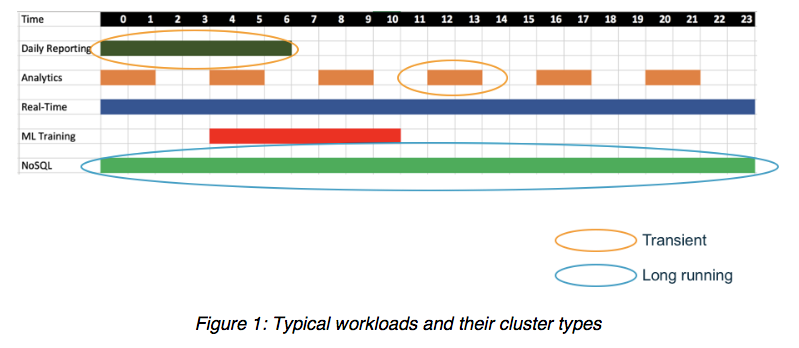
Amazon EMR Migration Guide
Today, we’re introducing the Amazon EMR Migrations Guide (first published June 2019.) This paper is a comprehensive guide to offer sound technical advice to help customers in planning how to move from on-premises big data deployments to EMR.
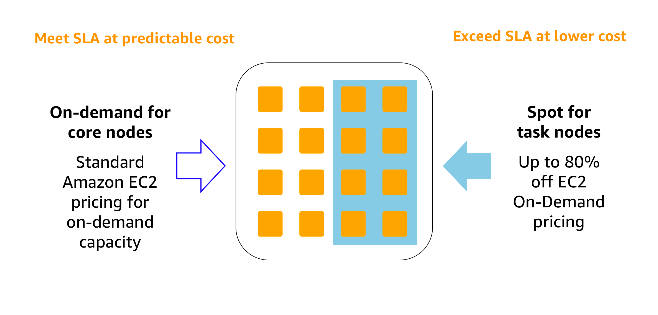
Reduce costs by migrating Apache Spark and Hadoop to Amazon EMR
Apache Spark and Hadoop are popular frameworks to process data for analytics, often at a fraction of the cost of legacy approaches, yet at scale they may still become expensive propositions. This blog post discusses ways to reduce your total costs of ownership, while also improving staff productivity at the same time. This can be […]