AWS Public Sector Blog
University-cloud collaboration in action: Columbia University students transform ideas into AWS powered startups
The Columbia X Amazon Bedrock Innovation Challenge brought together 173 students to develop innovative solutions using Amazon Bedrock generative AI and agentic capabilities. On November 7, 2025, 47 teams created prototype applications that used foundation models (FMs) to address real-world challenges across five critical industries: Financial Services, Technology & Software, Media & Entertainment, Healthcare & Life Sciences, and Retail & Consumer Goods. To help teams could build sophisticated solutions in this compressed timeframe, we structured the challenge around six strategic tracks: Intelligent Document Processing, Conversational AI Applications, AI-Powered Content Generation, Retrieval Augmented Generation (RAG), Agentic AI, and an Open Innovation Track for boundary-pushing ideas.
In this post, we share the winning projects, lessons learned, and how the experience continues to shape participants’ cloud careers.
The challenge: Empowering the next generation of AI builders
The hackathon was designed to provide hands-on experience with Amazon Bedrock, a fully managed service on Amazon Web Services (AWS) for building generative AI applications. Students learned to work with FMs, create AI agents using Amazon Bedrock AgentCore, and integrate various AWS services to build production-ready prototypes. The challenge emphasized not just technical implementation, but also practical business applications and user-centered design. Beyond the technical challenge, the event connected students with AWS professionals across a range of roles, from Solutions Architects to Customer Solutions Managers, giving them a window into diverse career paths in cloud technology. AWS awarded $5,000 in AWS credits to each of the three winning teams, supporting them in their journey to experiment with the AWS environment and kickstart their startup ideas.
AWS provided support throughout the event, including:
- Technical mentorship from AWS Solutions Architects, Customer Solutions Managers, and Software Development Engineers
- Hands-on workshops covering Amazon Bedrock capabilities and best practices
- Pre-hackathon office hours for troubleshooting and account setup
- Access to AWS services and resources for rapid prototyping
- Guidance on building secure, scalable, and efficient AI applications
Innovative solutions from student teams
Judges selected three winning projects based on effective use of Amazon Bedrock and its FMs, solution architecture quality and scalability, technical complexity and completeness of implementation, business impact and market viability, and user experience and deployment readiness.
MyCFO.ai
MyCFO.ai is an agentic AI orchestration system that acts like a CFO to analyze, optimize, and predict business finances in real time. It solves the problem of manual financial analysis by using a multi-agent system (supervisor and specialized collaborator agents) that processes raw financial data and compliance documents to automatically generate structured insights and real-time visualizations. Key technical features include Amazon Bedrock multi-agent orchestration, Amazon API Gateway for secure request routing, AWS Lambda for backend logic, and a knowledge base with Amazon Simple Storage Service (Amazon S3) for storing company documents and financial data.
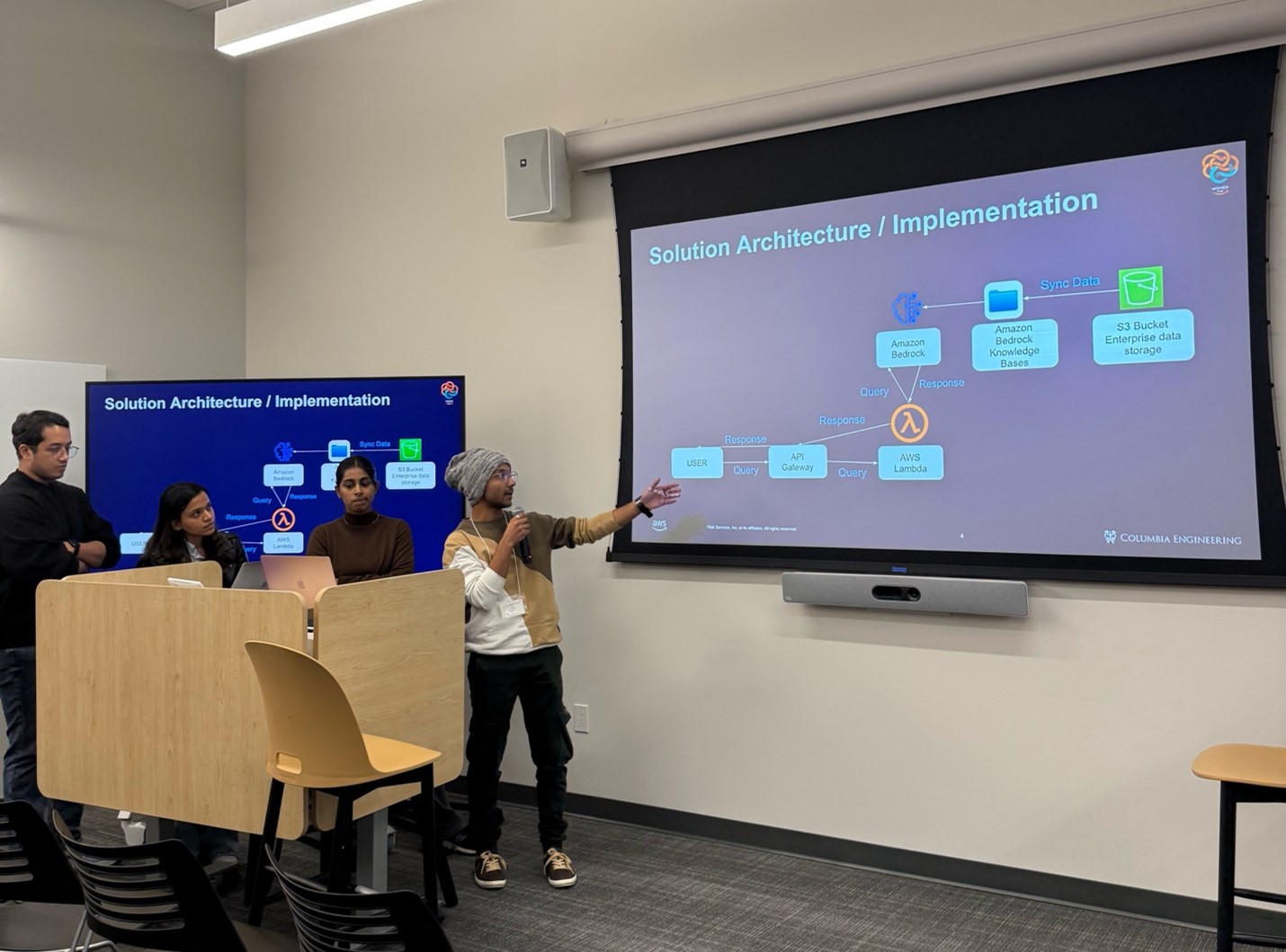
Figure 1: MyCFO.ai team: Ritvik Sharma, Aditya Unnikrishnan, Sahethi Depuru Guru, Tejal Bedmutha
ROBIN AI
Robin AI is an AI-powered platform developed by Columbia Engineering students that democratizes quantitative trading by automating the translation of financial research into executable trading strategies. Built on Amazon Bedrock with RAG technology (Amazon Titan and Anthropic’s Claude), it features a conversational interface requiring zero coding skills, modular architecture supporting multiple asset classes (equities, crypto, futures), and automated backtesting with verifiable citations. The platform addresses the $50 billion quant research market by reducing strategy development time from weeks to minutes, helping smaller hedge funds and retail investors compete with institutional players while maintaining cost-effectiveness through serverless, pay-as-you-go pricing.
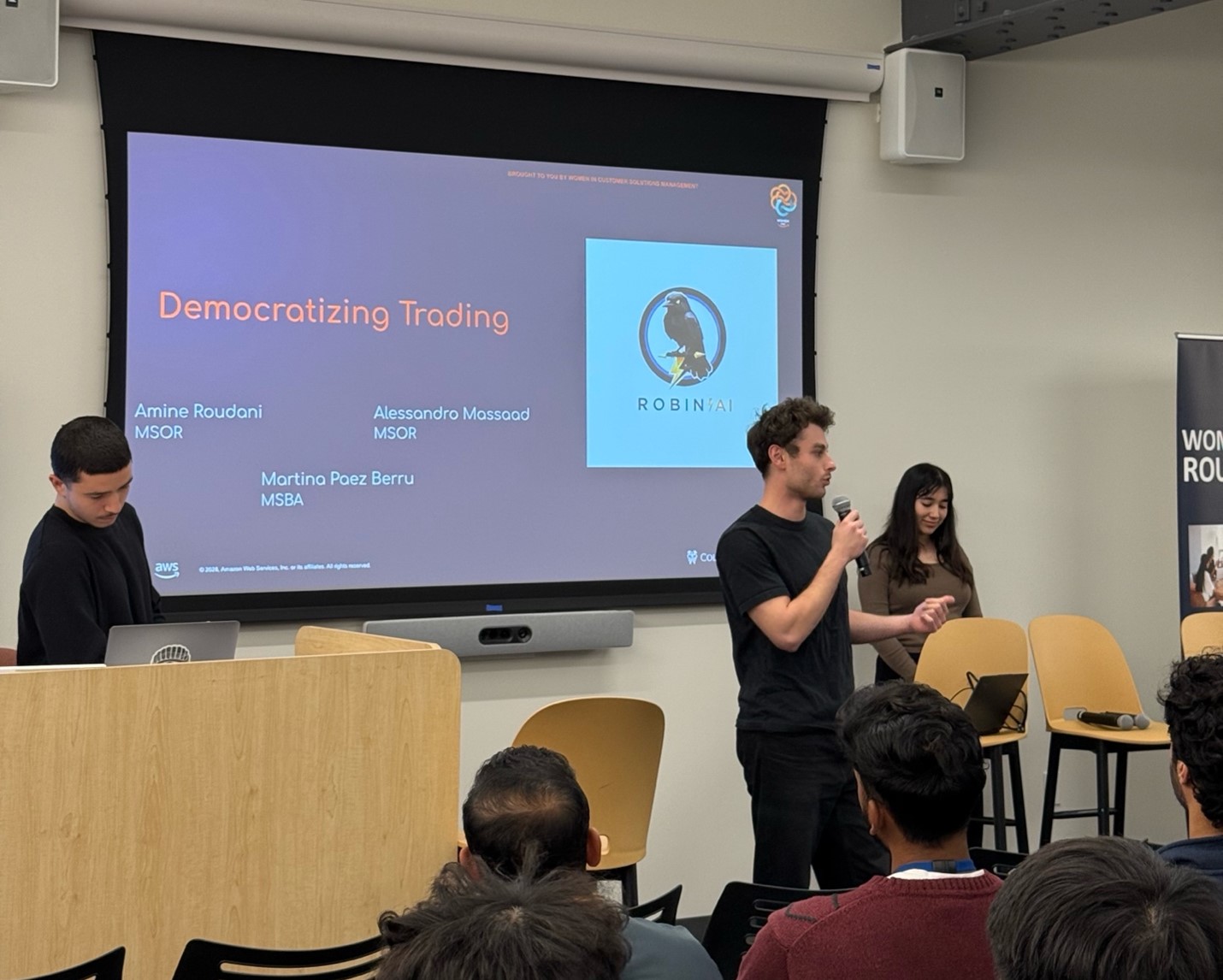
Figure 2: ROBIN AI team: Amine Roudani, Martina Paez Berru, Alessandro Massaad
PosturePal
PosturePal is an AI-powered posture monitoring system that combines hardware and software components. The solution features a smart chair equipped with four pressure sensors and an IMU sensor that detects user posture in real time. Raw sensor data is transmitted to API Gateway, processed through Lambda functions, and stored as events in Amazon DynamoDB. The system integrates with Amazon Bedrock to provide ergonomic feedback and enable conversational interactions about posture patterns throughout the day.
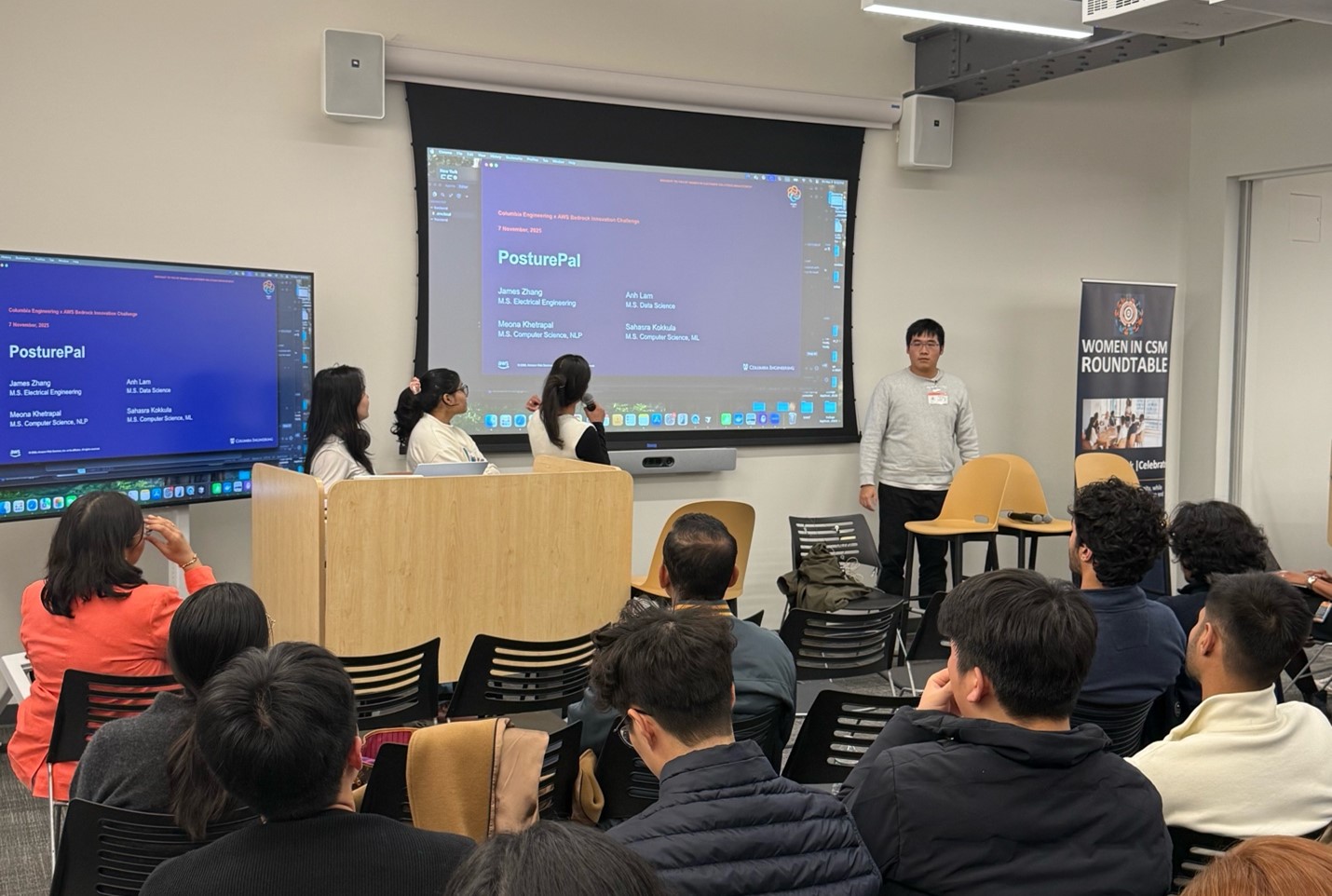
Figure 3: PosturePal team: Sahasra Kokkula, James Zhang, Meona Khetrapal, Anh Lam
More than just a hackathon
Although the hackathon competition was the centerpiece of the event, participants also benefited from a rich array of professional development opportunities:
- AWS Career Panel with Angela Helfrich (Principal Sales Executive), Freeda Johnson (Customer Solutions Manager), Gary Lu (Data Scientist), David Ding (Customer Solutions Manager), and Alexa Perlov (AI Engineer)
- Columbia Engineering Alumni Panel with Professor Hsing-Hsing Li
- Builder Studio Tours with Danny Mason, Chris Cassin, and Julia Defilipis
- Networking Happy Hour with Columbia Alumni
Impact and next steps
Three months after the Columbia X Amazon Bedrock Innovation Challenge, we reconnected with the winning teams to understand the lasting impact of the hackathon.
Q: How have you been using your $5,000 AWS credits since the hackathon?
“I plan to continue building the project and play around with the other services.”
“Utilized the credits for coursework and other projects … also was interested in potentially pursuing the project as a startup opportunity.”
Q: What did you appreciate most about the hackathon experience?
“Technical support. They were able to understand our requirements and what we might want. As participants, we are still in our learning phases, and we won’t be able to communicate issues as well, but the technical support was able to understand what we were saying.”
“The judgment panel was good … they asked decent follow-up questions. That is sometimes missing in hackathons. Sometimes judges just walk around and then choose the winner they feel like, but they were very involved and gave good feedback.”
“They gave us a lot of freedom to build anything. We were not given too many constraints.”
Looking ahead, AWS is committed to expanding relationships with Columbia University and other academic institutions across the country. As Professor Li from Columbia University noted, “The hackathon allowed students to collaborate in an interdisciplinary manner and it was exciting to see the ideas they came up with. The Engineering Alumni Panel gave students, alumni, and the AWS team an opportunity to interact, network, and discuss future collaborations.”
She also highlighted that “It was fantastic that AWS team members, who are also Columbia alumni, got so involved. It showcased how our communities come full circle to support each other.”
We plan to host additional innovation challenges that provide students with hands-on experience using cutting-edge AWS technologies while creating meaningful connections between academia and industry. For the winning teams, we’re excited to offer continued mentorship opportunities and technical guidance as they transform their prototypes into viable startups. These university collaborations represent a strategic investment in developing the next generation of cloud innovators who will shape the future of technology.
Conclusion
AWS is deeply invested in helping develop the next generation of cloud innovators through hands-on learning experiences with cutting-edge technologies. Are you interested in establishing similar collaborations with your university? For future hackathons with AWS, fill out our interest form to explore how we can work together to create innovative learning experiences for your students.