Artificial Intelligence
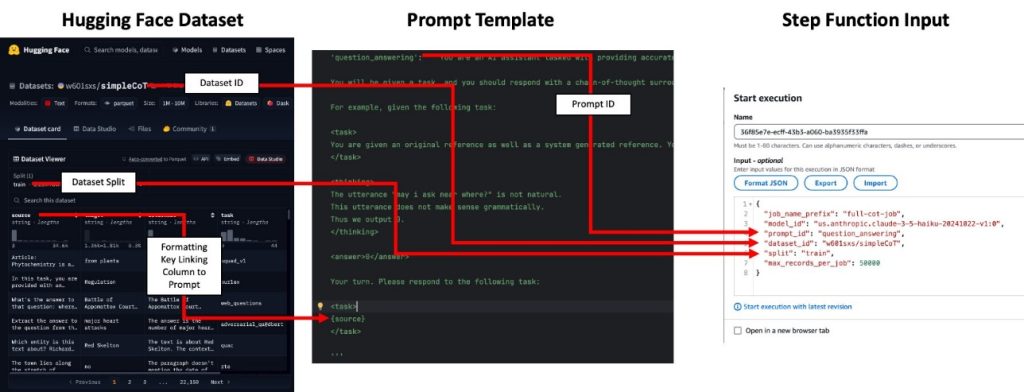
Build a serverless Amazon Bedrock batch job orchestration workflow using AWS Step Functions
In this post, we introduce a flexible and scalable solution that simplifies the batch inference workflow. This solution provides a highly scalable approach to managing your FM batch inference needs, such as generating embeddings for millions of documents or running custom evaluation or completion tasks with large datasets.
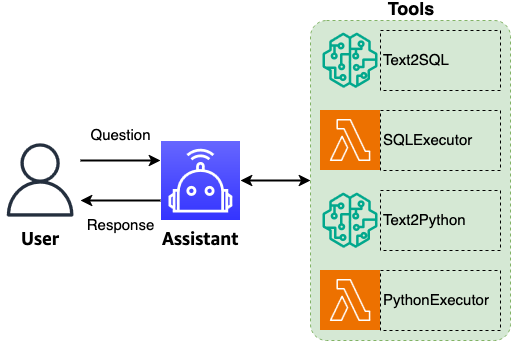
Natural language-based database analytics with Amazon Nova
In this post, we explore how natural language database analytics can revolutionize the way organizations interact with their structured data through the power of large language model (LLM) agents. Natural language interfaces to databases have long been a goal in data management. Agents enhance database analytics by breaking down complex queries into explicit, verifiable reasoning steps and enabling self-correction through validation loops that can catch errors, analyze failures, and refine queries until they accurately match user intent and schema requirements.
Deploy Amazon Bedrock Knowledge Bases using Terraform for RAG-based generative AI applications
In this post, we demonstrated how to automate the deployment of Amazon Knowledge Bases for RAG applications using Terraform.
Document intelligence evolved: Building and evaluating KIE solutions that scale
In this blog post, we demonstrate an end-to-end approach for building and evaluating a KIE solution using Amazon Nova models available through Amazon Bedrock. This end-to-end approach encompasses three critical phases: data readiness (understanding and preparing your documents), solution development (implementing extraction logic with appropriate models), and performance measurement (evaluating accuracy, efficiency, and cost-effectiveness). We illustrate this comprehensive approach using the FATURA dataset—a collection of diverse invoice documents that serves as a representative proxy for real-world enterprise data.
Announcing the new cluster creation experience for Amazon SageMaker HyperPod
With the new cluster creation experience, you can create your SageMaker HyperPod clusters, including the required prerequisite AWS resources, in one click, with prescriptive default values automatically applied. In this post, we explore the new cluster creation experience for Amazon SageMaker HyperPod.

Detect Amazon Bedrock misconfigurations with Datadog Cloud Security
We’re excited to announce new security capabilities in Datadog Cloud Security that can help you detect and remediate Amazon Bedrock misconfigurations before they become security incidents. This integration helps organizations embed robust security controls and secure their use of the powerful capabilities of Amazon Bedrock by offering three critical advantages: holistic AI security by integrating AI security into your broader cloud security strategy, real-time risk detection through identifying potential AI-related security issues as they emerge, and simplified compliance to help meet evolving AI regulations with pre-built detections.

Set up custom domain names for Amazon Bedrock AgentCore Runtime agents
In this post, we show you how to create custom domain names for your Amazon Bedrock AgentCore Runtime agent endpoints using CloudFront as a reverse proxy. This solution provides several key benefits: simplified integration for development teams, custom domains that align with your organization, cleaner infrastructure abstraction, and straightforward maintenance when endpoints need updates.
Introducing auto scaling on Amazon SageMaker HyperPod
In this post, we announce that Amazon SageMaker HyperPod now supports managed node automatic scaling with Karpenter, enabling efficient scaling of SageMaker HyperPod clusters to meet inference and training demands. We dive into the benefits of Karpenter and provide details on enabling and configuring Karpenter in SageMaker HyperPod EKS clusters.
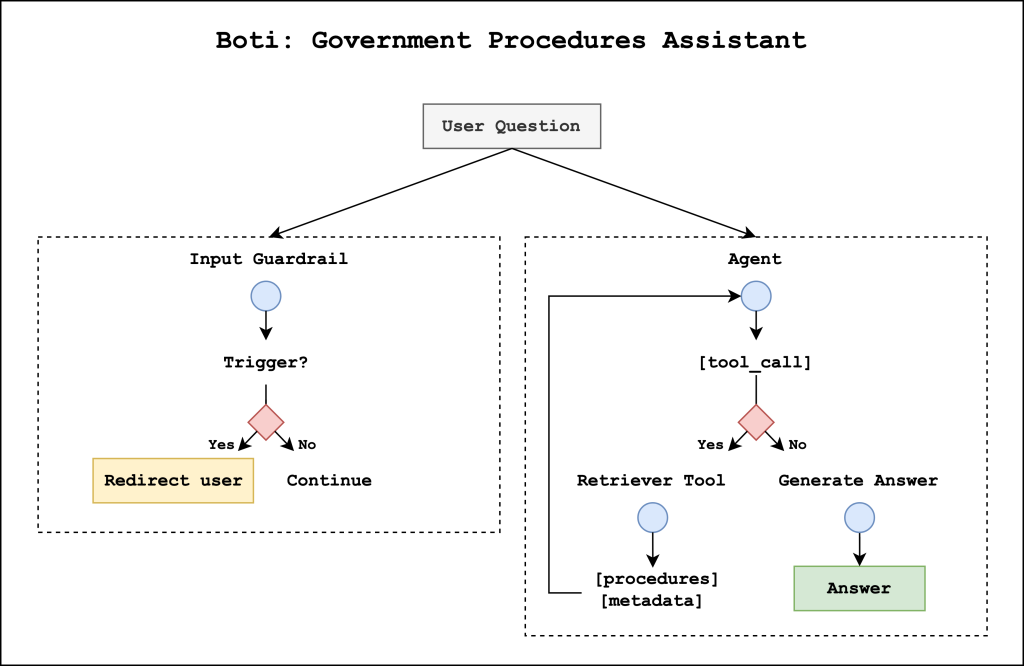
Meet Boti: The AI assistant transforming how the citizens of Buenos Aires access government information with Amazon Bedrock
This post describes the agentic AI assistant built by the Government of the City of Buenos Aires and the GenAIIC to respond to citizens’ questions about government procedures. The solution consists of two primary components: an input guardrail system that helps prevent the system from responding to harmful user queries and a government procedures agent that retrieves relevant information and generates responses.
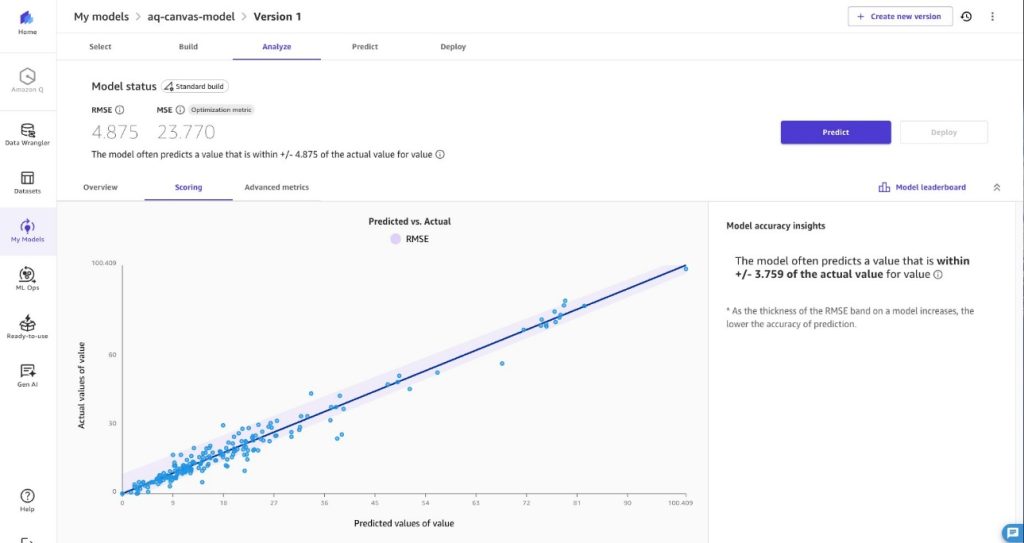
Empowering air quality research with secure, ML-driven predictive analytics
In this post, we provide a data imputation solution using Amazon SageMaker AI, AWS Lambda, and AWS Step Functions. This solution is designed for environmental analysts, public health officials, and business intelligence professionals who need reliable PM2.5 data for trend analysis, reporting, and decision-making. We sourced our sample training dataset from openAFRICA. Our solution predicts PM2.5 values using time-series forecasting.