AWS Big Data Blog
Network connectivity patterns for the next generation of Amazon OpenSearch Serverless
Network connectivity patterns for private access to Amazon OpenSearch Serverless used to require considerable setup. You had to create virtual private cloud (VPC) endpoints in every consumer VPC and configure Amazon Route 53 Profiles for cross-account DNS. You also had to maintain custom private hosted zones with CNAME records and deploy resolver inbound endpoints for on-premises connectivity. The next generation of OpenSearch Serverless changes this. It uses standard AWS PrivateLink interface endpoints with native private DNS support. Connectivity patterns that previously required multi-step DNS orchestration now work with the same endpoint mechanics you already use for other AWS services.
Collections use resource-based endpoints on the on.aws domain in two formats. The per-collection endpoint (<collectionId>.aoss.<region>.on.aws) reaches a single collection, and the hostname itself identifies which collection you want, so no additional routing information is needed. The per-account Regional endpoint (<accountId>.aoss.<region>.on.aws) reaches any collection in your account through one hostname. Because the hostname alone does not identify a specific collection, you add the x-amz-aoss-collection-name header (or x-amz-aoss-collection-id) to each request to name the target collection. The AWS SDKs include this header automatically when they sign the request with Signature Version 4 (SigV4).
Both formats use standard AWS PrivateLink. You create the VPC endpoint from the Amazon Virtual Private Cloud (Amazon VPC) console or the Amazon Elastic Compute Cloud (Amazon EC2) CreateVpcEndpoint API, using the service name com.amazonaws.<region>.aoss-data. It is the same interface endpoint you create for any other AWS service.
In this post, each pattern shows the architecture, the DNS resolution flow, and the data traffic path. Patterns 1 through 8 operate within a single Region across one or more accounts, labeled Region A in the diagrams, so the repeated Region A boxes in a cross-account pattern are the same Region. Only Pattern 9 spans Regions, shown as Region A and Region B.
These patterns apply to the collection (data) endpoint only. When you create a collection, you also receive an OpenSearch UI endpoint. That endpoint uses a separate PrivateLink mechanism today, with its own VPC endpoint and access policy, and is on a path to move to the standard PrivateLink model. OpenSearch UI connectivity is out of scope for this post.
Prerequisites
- A collection group and at least one collection. Create it on the console with Express Create, or with the AWS Command Line Interface (AWS CLI) using
--generation NEXTGEN. - A network access policy that lists the VPC endpoints allowed to reach the collection.
- A data access policy that grants AWS Identity and Access Management (IAM) principals permission to index and query.
DNS resolution
When you create a standard VPC endpoint for com.amazonaws.<region>.aoss-data with private DNS enabled, AWS creates a private hosted zone for *.aoss.<region>.on.aws and associates it with your VPC. This zone maps collection hostnames to the endpoint’s private elastic network interface (ENI) IP addresses. Your compute’s DNS query reaches the VPC’s Amazon Route 53 Resolver at VPC+2, which resolves the hostname to ENI IPs.
One endpoint serves every collection hostname in the Region. The following AWS CLI command creates that interface endpoint, and the --private-dns-enabled flag turns on the private DNS resolution described here.
In Regions that support Federal Information Processing Standards (FIPS), the same endpoint also resolves *.aoss-fips.<region>.on.aws for FIPS-compliant access.
OpenSearch Serverless has no per-collection Dashboards endpoint. Use OpenSearch UI applications to explore and visualize collection data.
The diagrams in the following patterns use an Amazon EC2 instance to represent the compute client. Any compute in the VPC reaches a collection the same way, including EC2 instances, AWS Lambda functions attached to the VPC, and containers on Amazon Elastic Container Service (Amazon ECS) or Amazon Elastic Kubernetes Service (Amazon EKS). The connectivity, DNS resolution, and access policies are the same regardless of the compute type.
Pattern 1: Private access from a single VPC
Compute in a VPC needs private access to collections in the same account. The following diagram shows the architecture for private access from a single VPC.
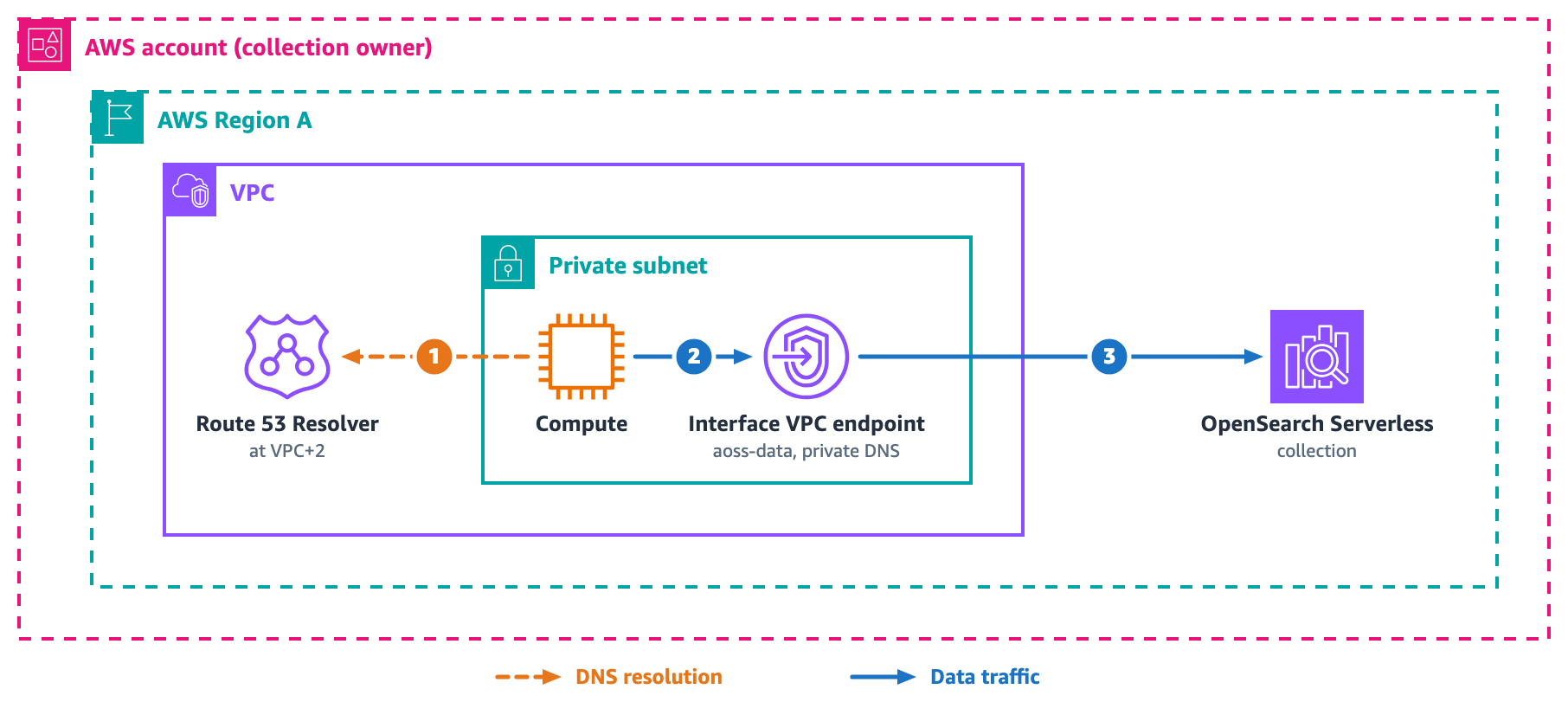
Figure 1: Private access from a single VPC
Create a standard VPC endpoint in the VPC where your compute runs, then reference its ID in the collection’s network policy.
For the DNS resolution flow, (1) compute queries <collectionId>.aoss.<region>.on.aws, and the VPC Route 53 Resolver at VPC+2 returns the endpoint ENI IP addresses because private DNS is enabled on the endpoint.
For the data traffic path, (2) compute connects to the ENI, and (3) PrivateLink forwards the request to the service, which routes to the collection by hostname.
Pattern 2: Multiple VPCs in the same account
Several VPCs, split by environment, tier, or team, need private access to the same collections. The following diagram shows how each VPC uses its own endpoint to reach the same collections.
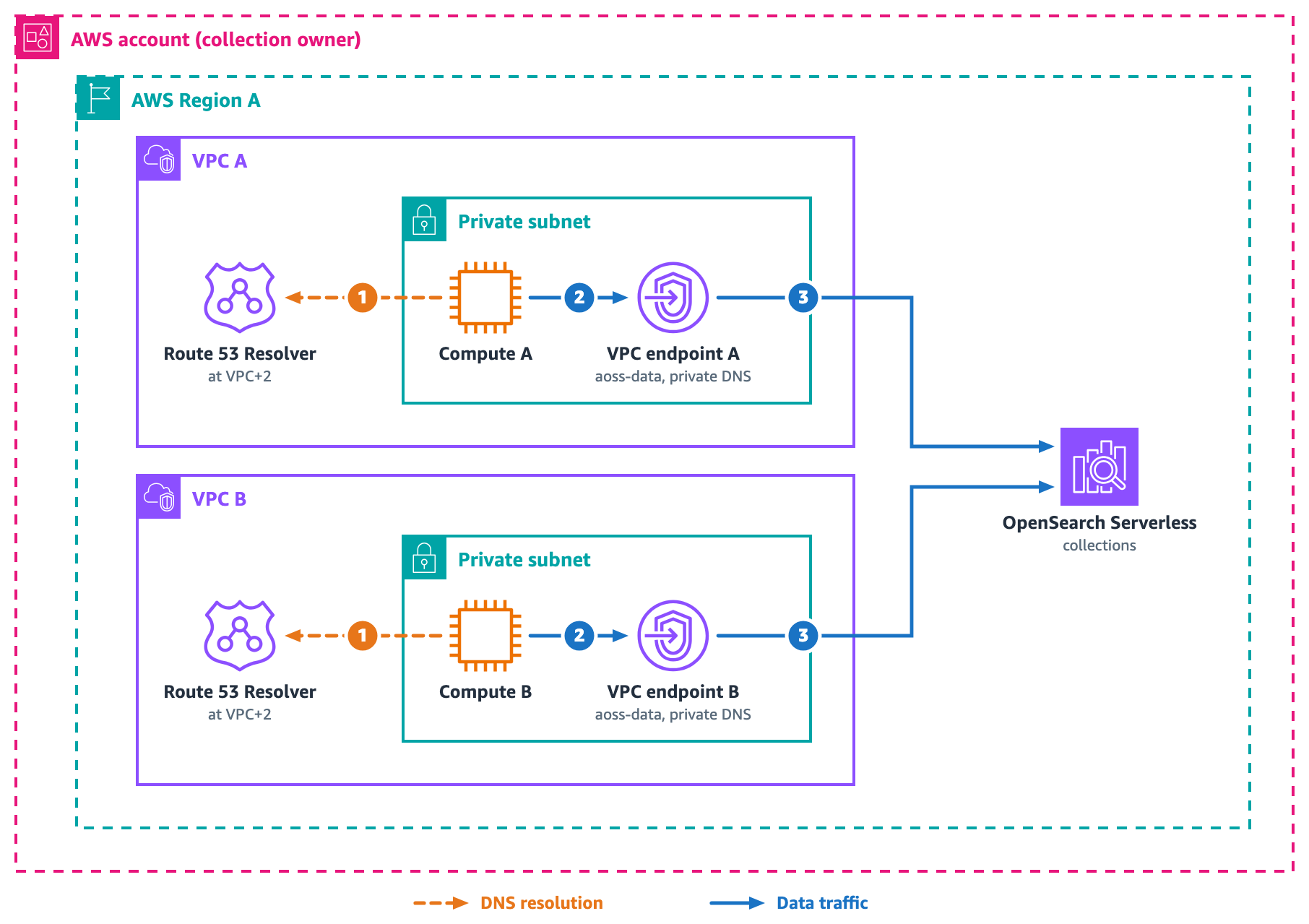
Figure 2: Multiple VPCs in the same account
Each VPC needs exactly one aoss-data endpoint with private DNS enabled, and that single endpoint already reaches every collection in the Region. DNS resolves independently within each VPC, so there is no cross-VPC DNS dependency. Adding a new VPC takes two steps. Create the endpoint, then add its endpoint ID to the collection’s network policy. Do not create a second aoss-data endpoint with private DNS enabled in the same VPC. Both endpoints share the same private hosted zone, which causes a conflict and the creation fails.
For the DNS resolution flow, (1) compute in each VPC queries the collection hostname, and that VPC’s Route 53 Resolver at VPC+2 returns the endpoint ENI IP addresses because private DNS is enabled on the endpoint.
For the data traffic path, (2) compute connects to its local ENI, and (3) PrivateLink forwards the request to the service, which routes to the collection by hostname.
Pattern 3: On-premises access from a single account
On-premises clients reach collections over AWS Direct Connect or AWS Site-to-Site VPN, which connect to the VPC through AWS Transit Gateway or AWS Cloud WAN. The following diagram shows the DNS and data path for on-premises access.
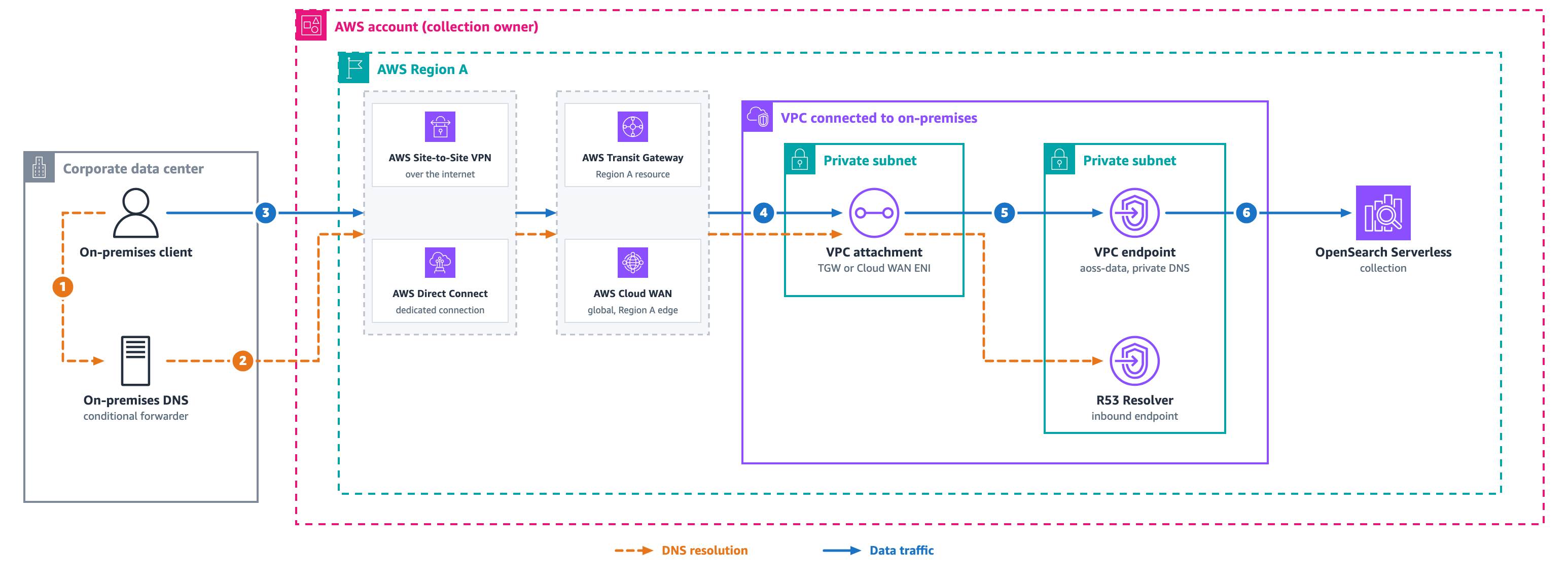
Figure 3: On-premises access from a single account
On-premises DNS servers sit outside the VPC and cannot resolve PrivateLink private DNS names directly. Place an Amazon Route 53 Resolver inbound endpoint in the VPC that holds the aoss-data VPC endpoint. On-premises DNS forwards queries for aoss.<region>.on.aws to that inbound endpoint. The inbound endpoint resolves them against the private hosted zone. The inbound endpoint’s security group must allow TCP/UDP port 53 from your on-premises resolver ranges.
For the DNS resolution flow, (1) the client queries the on-premises resolver. (2) The on-premises conditional forwarder for *.aoss.<region>.on.aws sends the query over Direct Connect or VPN, through Transit Gateway or Cloud WAN, to the inbound endpoint. The inbound endpoint uses the VPC Route 53 Resolver to return the endpoint’s private ENI IPs.
For the data traffic path, (3) the client sends an HTTPS request with the Transport Layer Security (TLS) Server Name Indication (SNI) header set to the collection hostname, over Direct Connect or VPN through Transit Gateway or Cloud WAN. (4) Traffic crosses the VPC’s attachment ENI, (5) reaches the VPC endpoint ENIs, and (6) PrivateLink forwards the request to the service.
Pattern 4: Cross-account access with an endpoint in each consumer VPC
A central account hosts collections, and compute in spoke accounts needs private access. Many enterprises start here. The following diagram shows the cross-account endpoint architecture.
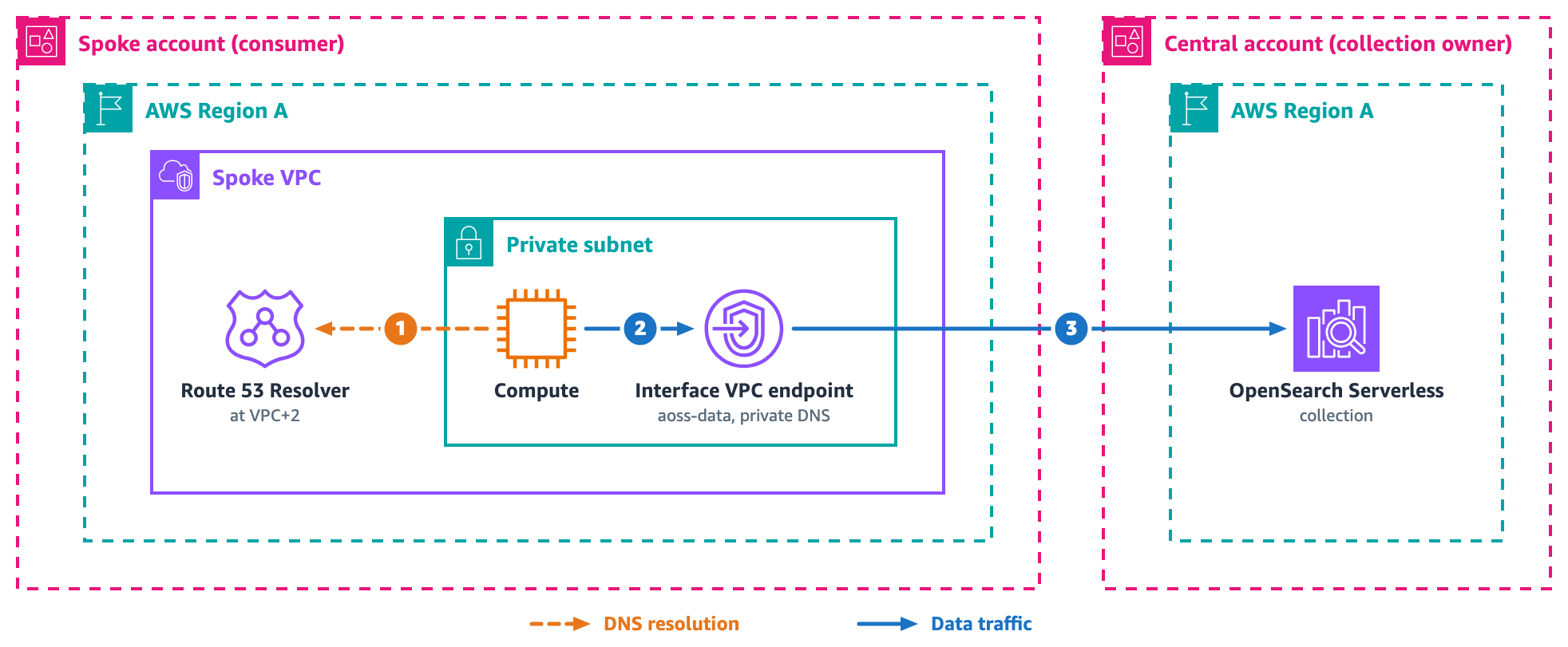
Figure 4: Cross-account access with an endpoint in each consumer VPC
Each spoke creates its own endpoint. The collection owner’s network policy references the spoke’s endpoint ID. The data access policy grants the spoke’s IAM role. PrivateLink carries the traffic end to end, with no Transit Gateway and no peering.
The endpoint lives in the spoke account, not the collection account. The spoke team creates a standard interface VPC endpoint in the spoke VPC for the service name com.amazonaws.<region>.aoss-data with private DNS enabled. The collection owner does not create this endpoint. After the endpoint is ready the spoke shares its endpoint ID with the collection owner, who adds that ID to the collection network policy under SourceVPCEs. A network policy accepts endpoint IDs from accounts across your organization. Each spoke creates its own endpoint and shares the ID rather than peering VPCs or routing through another account’s endpoint.
Network access and data access stay separate. The network policy authorizes the endpoint, and the data access policy authorizes the identity. A serverless data access policy grants principals from the collection’s own account. For a spoke in another account, you create an IAM role in the collection account and grant that role in the data access policy. The spoke role then assumes it to sign requests.
The following network access policy lists the two spoke endpoint IDs under SourceVPCEs and sets AllowFromPublic to false, so only those endpoints reach the collection and the policy denies public access.
For the DNS resolution flow, (1) spoke compute queries the VPC Route 53 Resolver at VPC+2, which returns the local endpoint ENI IPs because private DNS is enabled on the endpoint.
For the data traffic path, (2) compute connects to the local ENI. (3) PrivateLink forwards the request to the service, which checks the network policy for the endpoint ID and the data access policy for the IAM role before routing. Adding a spoke takes one API call and two policy edits.
Pattern 5: Centralized shared endpoint with Amazon Route 53 Profiles over Transit Gateway
You want fewer PrivateLink endpoints, so you run one shared endpoint in a networking VPC and reach it from spoke accounts over Transit Gateway or AWS Cloud WAN, with no endpoint in each spoke. The following diagram shows this centralized architecture.
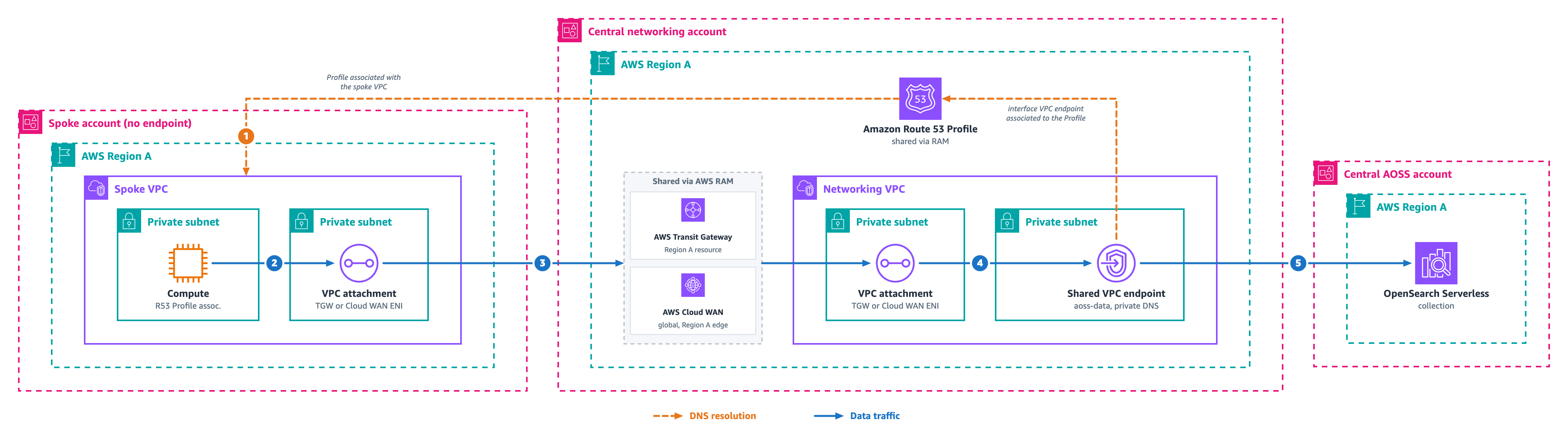
Figure 5: Centralized shared endpoint with Amazon Route 53 Profiles over Transit Gateway
Pattern 5 consolidates access through a single shared endpoint in a central networking VPC rather than creating one per spoke. Because spoke VPCs have no local endpoint, they cannot resolve *.aoss.<region>.on.aws on their own. You share the endpoint’s private DNS with spoke VPCs using Amazon Route 53 Profiles, shared through AWS Resource Access Manager (AWS RAM). This is the one pattern where you still manage DNS propagation.
For the DNS resolution flow, (1) the spoke resolves the hostname through the shared Route 53 Profile, which returns the networking-VPC endpoint ENI IPs.
For the data traffic path, (2) traffic leaves the compute through the spoke VPC’s attachment ENI, (3) crosses Transit Gateway or Cloud WAN into the networking VPC’s attachment ENI, (4) reaches the shared endpoint ENIs, and (5) PrivateLink forwards the request to the service.
Pattern 6: Cross-account centralized networking with on-premises
A central account hosts collections. A separate networking account owns Direct Connect or VPN and Route 53. On-premises clients reach the collections through the networking account. The following diagram shows this architecture.
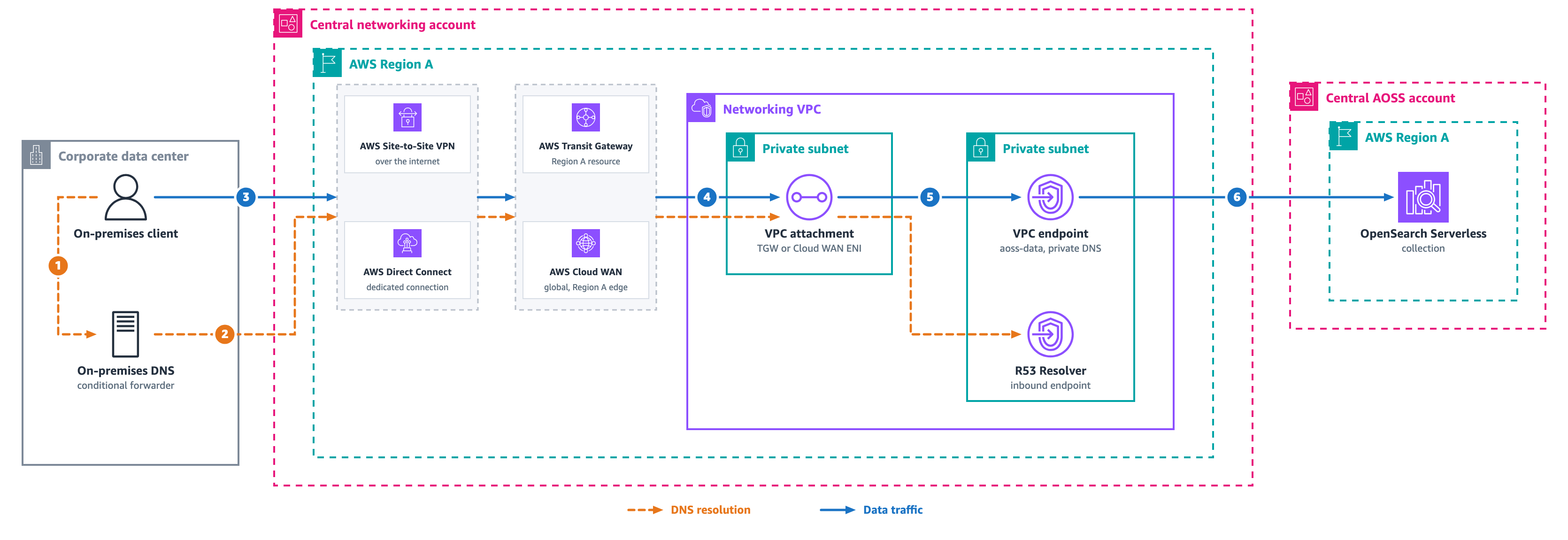
Figure 6: Cross-account centralized networking with on-premises
The networking account runs the standard VPC endpoint and a Route 53 Resolver inbound endpoint. The collection owner’s network policy references the networking account’s endpoint ID.
For the DNS resolution flow, (1) the on-premises client queries its resolver. (2) The on-premises conditional forwarder sends the query over Direct Connect or VPN, through Transit Gateway or Cloud WAN, to the inbound endpoint. The inbound endpoint uses the VPC Route 53 Resolver to return the endpoint’s private ENI IPs.
For the data traffic path, (3) the client sends HTTPS over Direct Connect or VPN, through Transit Gateway or Cloud WAN. (4) Traffic crosses the networking VPC’s attachment ENI, (5) reaches the networking-VPC endpoint ENIs, and (6) PrivateLink forwards the request to the service in the central account. The two teams coordinate through one artifact, the endpoint ID.
Pattern 7: Distributed multi-business-unit with spoke-account access
Spoke accounts such as analytics or application teams need collections spread across several business unit accounts, and each unit manages its own collections. The following diagram shows the distributed multi-business-unit architecture.
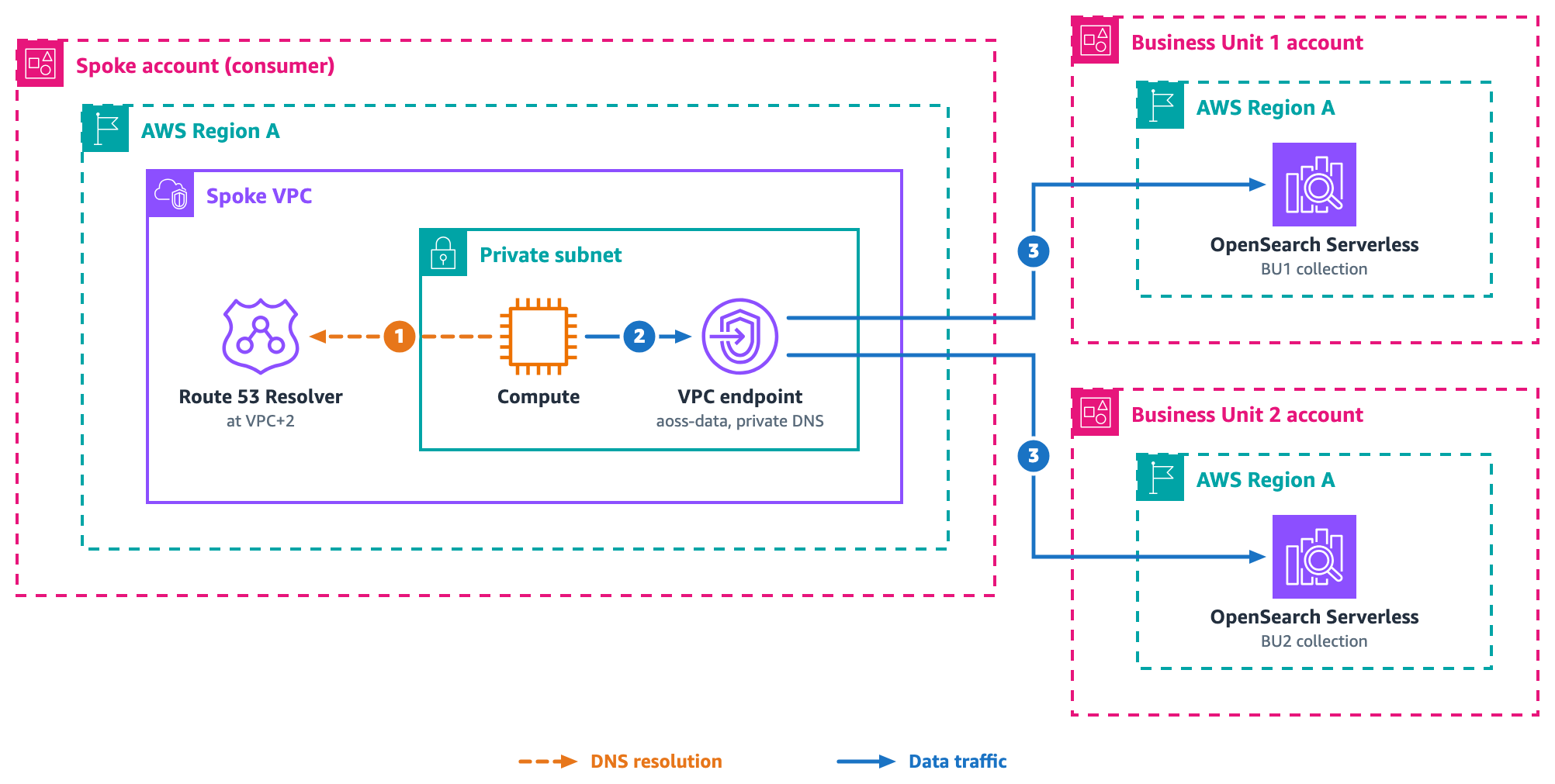
Figure 7: Distributed multi-business-unit with spoke-account access
Each spoke creates one standard endpoint, which resolves every collection hostname in the Region. Each business unit’s network policy lists the spoke endpoint IDs. Access control decides which collections a spoke reaches. DNS does not.
For the DNS resolution flow, (1) spoke compute queries the VPC Route 53 Resolver at VPC+2, which returns the endpoint ENI IPs because private DNS is enabled on the endpoint.
For the data traffic path, (2) compute connects to the local ENI, and (3) PrivateLink forwards the request to the service, which routes to the correct business unit collection by hostname.
| Action | Required change |
| New collection in any BU | No networking change is needed because in the network policy collection/* wildcard, already covers any new collection |
| New spoke account | Spoke creates an endpoint, and BUs add its ID to their policies |
| Remove spoke access | BUs remove the endpoint ID and the IAM principal |
Pattern 8: Distributed multi-business-unit with on-premises access
Several business units own collections in separate accounts. On-premises clients reach collections across all of those accounts through a central networking account. The following diagram shows this architecture.
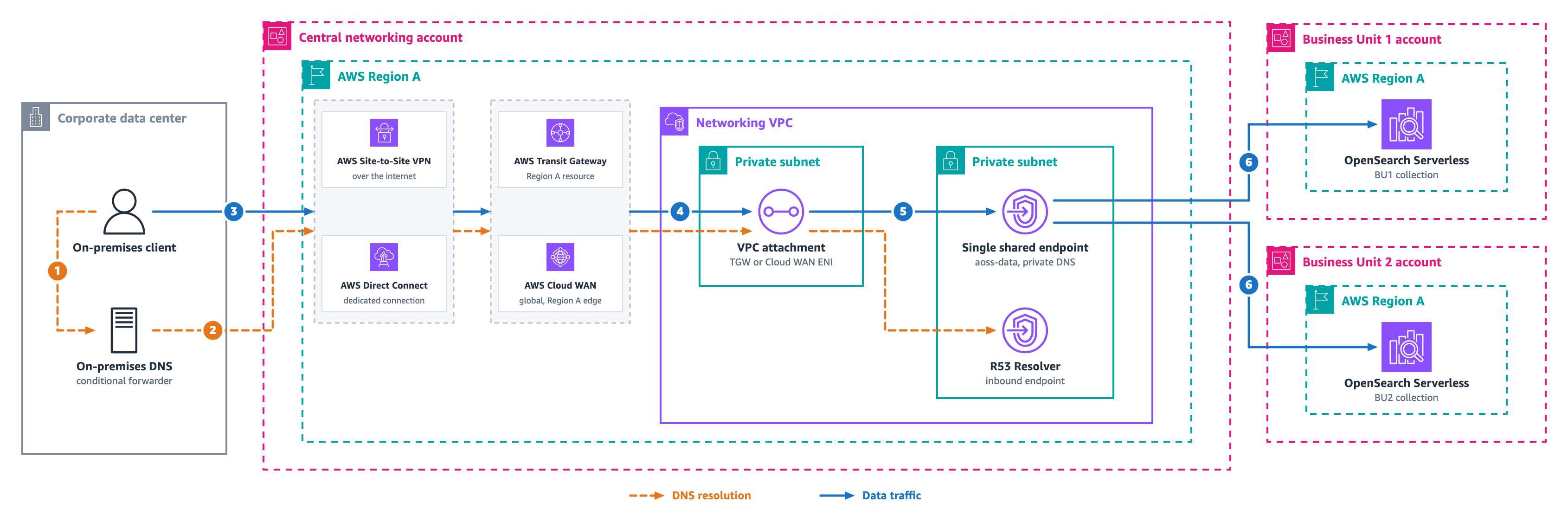
Figure 8: Distributed multi-business-unit with on-premises access
The networking account runs one standard endpoint that resolves *.aoss.<region>.on.aws hostnames, regardless of which account owns the collection. Each business unit’s network policy includes the networking endpoint ID.
For the DNS resolution flow, (1) the on-premises client queries its resolver. (2) The on-premises conditional forwarder for *.aoss.<region>.on.aws sends the query over Direct Connect or VPN, through Transit Gateway or Cloud WAN, to the networking VPC’s inbound endpoint. The inbound endpoint uses the VPC Route 53 Resolver to return the shared endpoint’s private ENI IPs.
For the data traffic path, (3) the client sends HTTPS over Direct Connect or VPN, through Transit Gateway or Cloud WAN. (4) Traffic crosses the networking VPC’s attachment ENI, (5) the request arrives at the shared endpoint ENIs, and (6) the service routes to business unit 1 or business unit 2 by hostname, as long as that business unit’s policy lists the networking endpoint ID. Adding a collection in any business unit needs no networking change if the network policy uses a collection/* wildcard, since the wildcard already covers it.
Pattern 9: Cross-Region access strategies
Consumers in Region B need data that lives in collections in Region A. The following diagram shows cross-Region access strategies.
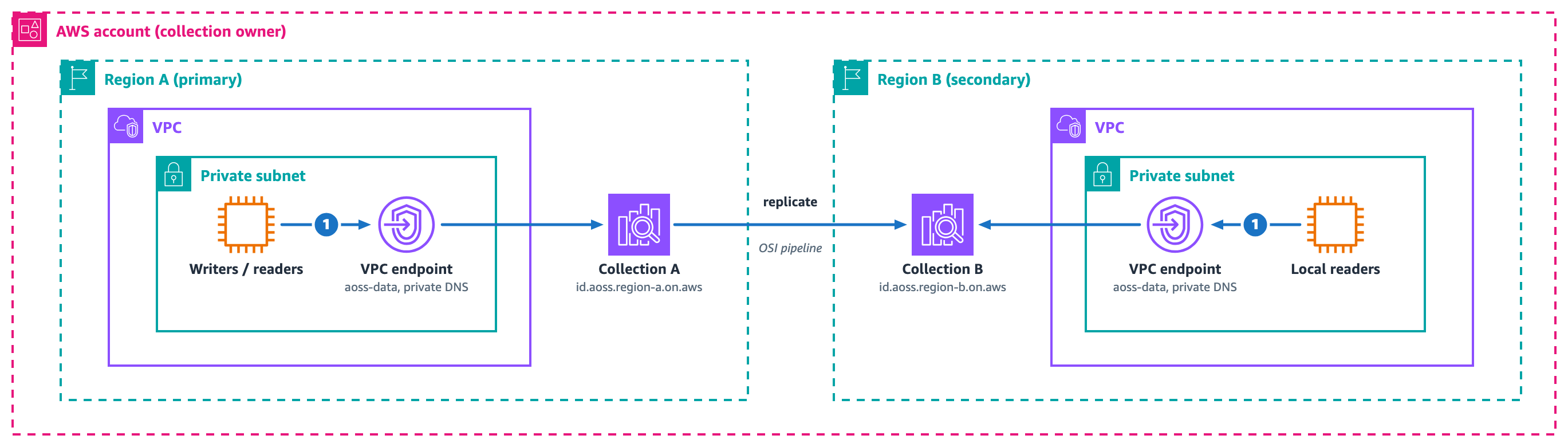
Figure 9: Cross-Region access strategies
Collections are Regional. No built-in cross-Region endpoint or replication exists. Deploy independent collections in each Region, each with its own endpoint and policies, then synchronize data with one of these approaches.
- Dual-write. The application writes to both Regions at ingestion time.
- Amazon OpenSearch Ingestion pipeline. A pipeline replicates index operations to the secondary Region with near real-time lag. The pipeline creates its own PrivateLink endpoint to the destination collection. It adds the endpoint to that collection’s network policy automatically. You only need to name the network policy and grant the pipeline role.
- Amazon Simple Storage Service (Amazon S3) Cross-Region Replication with re-ingestion. Cross-Region Replication copies objects, and an OpenSearch Ingestion pipeline loads them into the local collection. Lag runs in minutes, at the lowest cost of these approaches.
For the DNS resolution flow, DNS resolves locally in each Region, the same as Pattern 1. Each collection hostname carries its Region, so a hostname in Region A resolves through Region A’s own endpoint and a hostname in Region B resolves through Region B’s own endpoint, with no cross-Region DNS.
For the data traffic path, (1) compute in each Region uses that Region’s own endpoint to reach its local collection. Writes land in the primary Region and the sync approach you choose replicates them to the secondary Region, where local readers query the replica. The replicate arrow shows that cross-Region movement, such as an OpenSearch Ingestion pipeline that writes into the secondary-Region collection.
Scale-to-zero changes the economics. An idle secondary-Region collection costs only storage until requests arrive.
Summary
| Pattern | Components |
| 1. Same VPC | Standard endpoint and network policy |
| 2. Multiple VPCs | Endpoint per VPC and a policy listing all IDs |
| 3. On-premises | Endpoint, Route 53 inbound endpoint, on-premises forwarder, and Transit Gateway or Cloud WAN |
| 4. Cross-account | Endpoint per consumer, network policy, and data policy |
| 5. Centralized shared endpoint | Shared endpoint, Route 53 Profiles through RAM, and Transit Gateway or Cloud WAN |
| 6. Central networking with on-premises | Networking endpoint, Route 53 inbound, forwarder, Transit Gateway or Cloud WAN, and policies |
| 7. Multi-BU with spoke access | Endpoint per spoke, and each BU policy lists spoke IDs |
| 8. Multi-BU with on-premises | One networking endpoint reached through Transit Gateway or Cloud WAN, and each BU policy lists its ID |
| 9. Cross-Region | Independent collections per Region and a data-sync approach |
Across each private pattern, the VPC endpoint resolves all *.aoss.<region>.on.aws hostnames through standard PrivateLink private DNS. Network policies control which endpoints reach a collection, and data access policies control which principals operate on the data. Only Pattern 5 asks you to manage DNS.
Cost considerations
The connectivity pattern you choose drives recurring cost, so match it to your scale instead of adding infrastructure you do not need. The two charges that come up most often, a Route 53 Resolver inbound endpoint and Route 53 Profiles, are both optional for access that stays inside AWS.
A Route 53 Resolver inbound endpoint is needed only for the on-premises patterns (3, 6, and 8), where an on-premises resolver forwards queries into the VPC. Traffic that stays inside AWS never uses it. Route 53 Profiles apply only when a VPC has no endpoint of its own, as in Pattern 5, where the profile carries the shared endpoint’s private DNS to the spoke. When each VPC runs its own interface endpoint, DNS resolves locally through the VPC Route 53 Resolver at no extra charge, so neither the inbound endpoint nor a profile is required.
For most multi-account and multi-Region deployments, an interface endpoint in each consumer VPC (Pattern 4) is the least complex and often the least expensive option. You pay for the interface endpoints you already need for private access, and local DNS resolution adds nothing. Because collections are Regional and each Region resolves on its own, this scales across Regions with no cross-Region DNS.
Centralizing on one shared endpoint (Pattern 5) lowers the number of interface endpoints. However, it adds Transit Gateway or Cloud WAN data processing charges and the cost of sharing DNS. You share that DNS either through Route 53 Profiles or through a private hosted zone that you associate across accounts and maintain yourself. A smaller endpoint count is not automatically cheaper because transit data processing can exceed the savings. Compare both designs against your own traffic before you decide.
Scale to zero also shapes cost. An idle collection, such as a secondary-Region replica in Pattern 9, releases its compute and bills only for storage until requests arrive. For current rates, see AWS PrivateLink pricing, Amazon Route 53 pricing, and Amazon OpenSearch Service pricing.
Conclusion
OpenSearch Serverless uses standard AWS PrivateLink for private connectivity. You create a VPC endpoint, enable private DNS, and reference the endpoint ID in your network policy. The model scales from single-VPC access to multi-account and multi-business-unit designs, and only Pattern 5 adds DNS infrastructure, where you share the endpoint’s private DNS with Route 53 Profiles. The per-account regional endpoint goes further and serves any collection in an account through one hostname and connection pool. To get started, create your first collection in the OpenSearch Serverless console, or explore the OpenSearch Serverless documentation for detailed API references and tutorials.