
Sold by: Inflectra Corporation
Multi-product
Inflectra brings requirements, testing, validation, traceability, and documentation together in one platform
aligned to GxP and 21 CFR Part 11 expectations. Teams can plan, execute, and document validation
activities in a controlled, audit-ready system.
Overview
Image
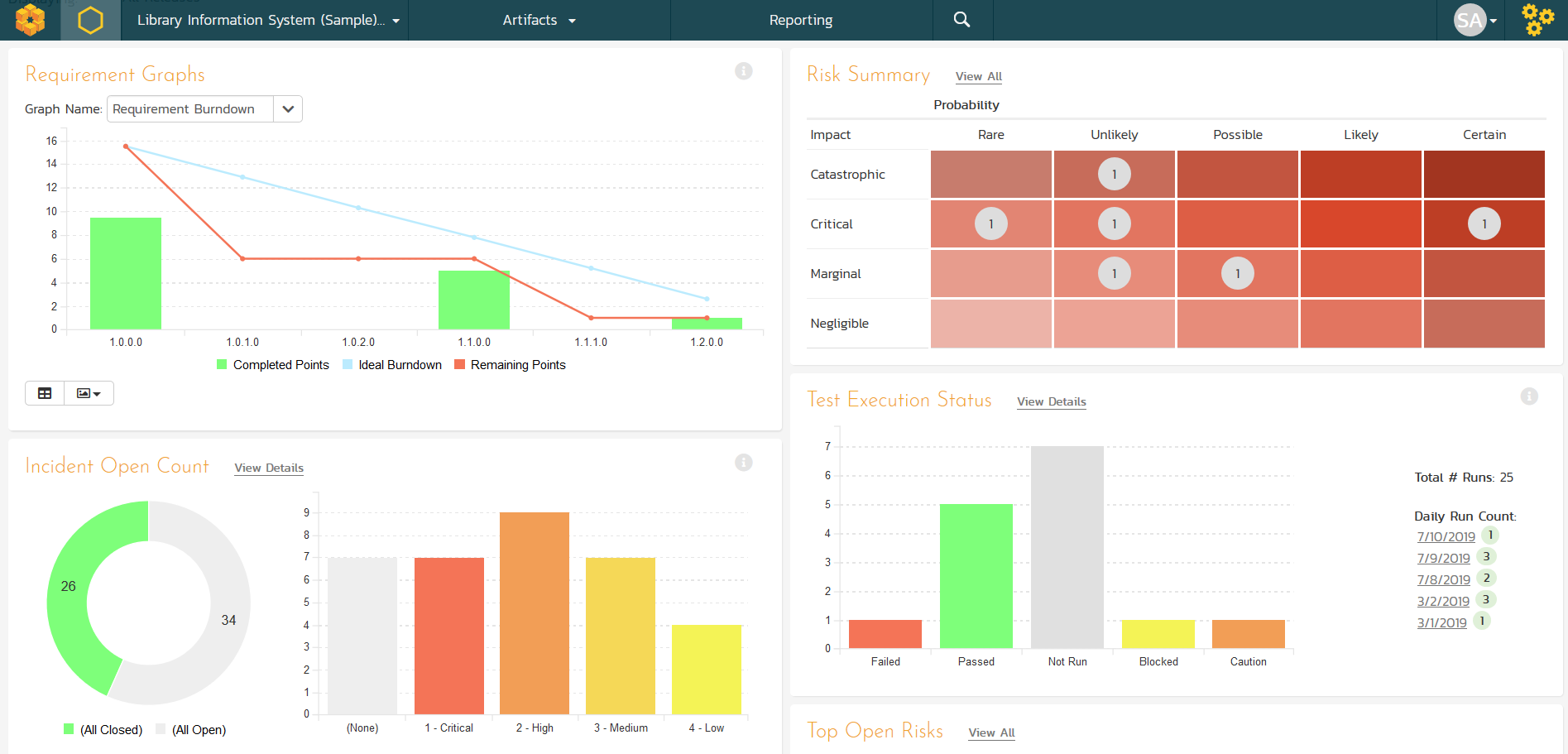
SpiraPlan Centralized Quality Dashboards
Image
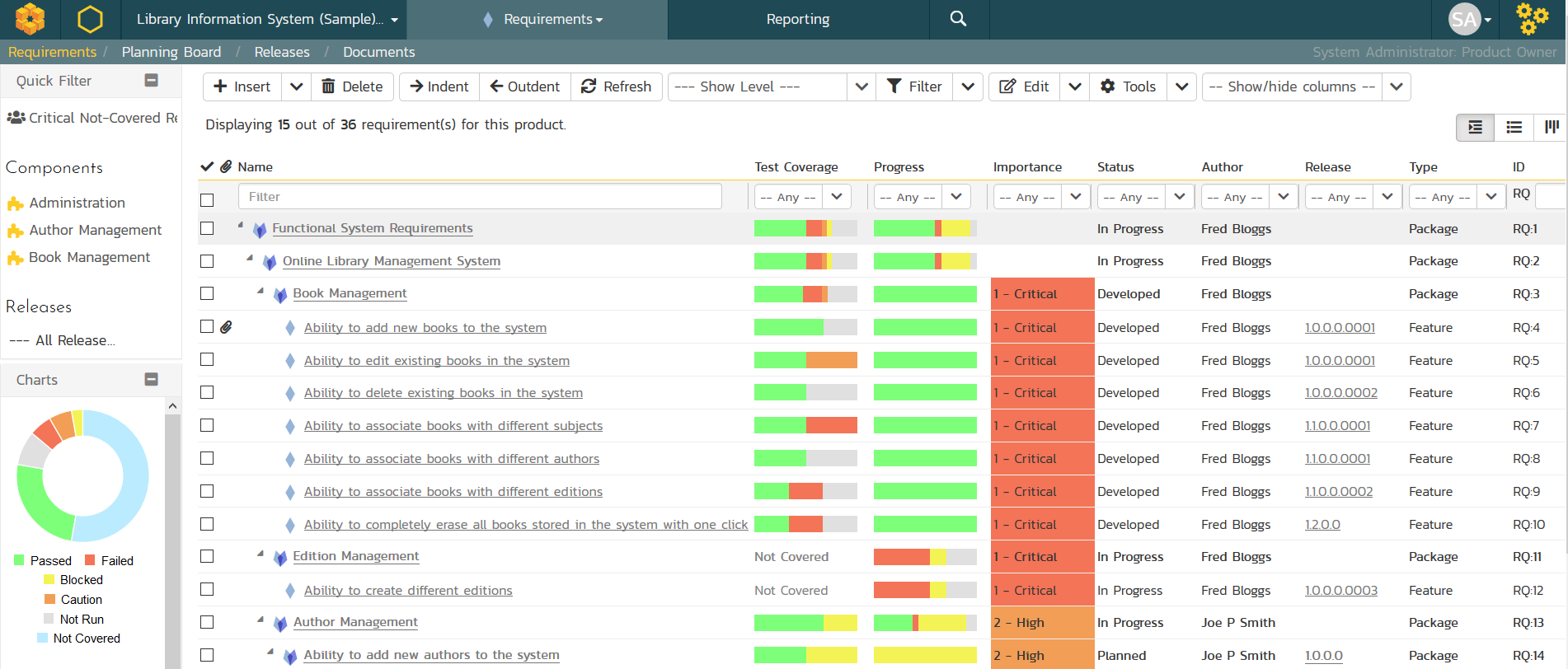
SpiraPlan Requirements Traceability
Image
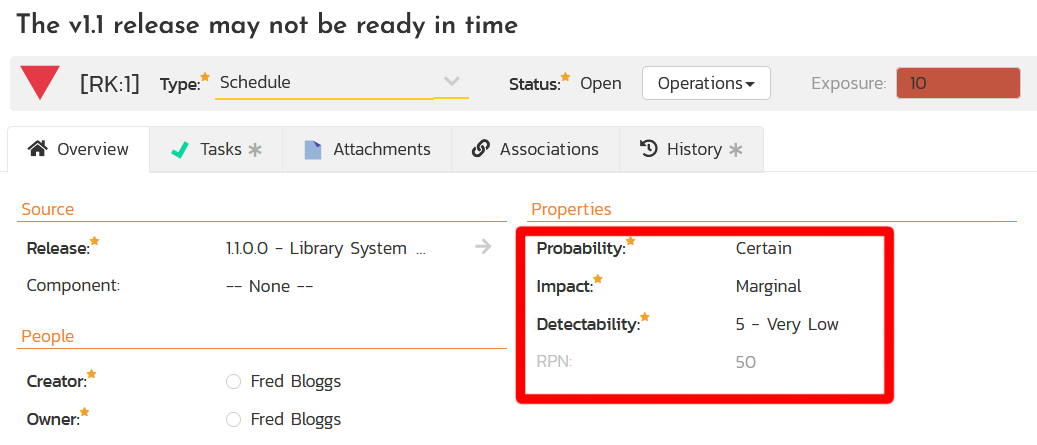
SpiraPlan Risk Management with FMEA Support
Image
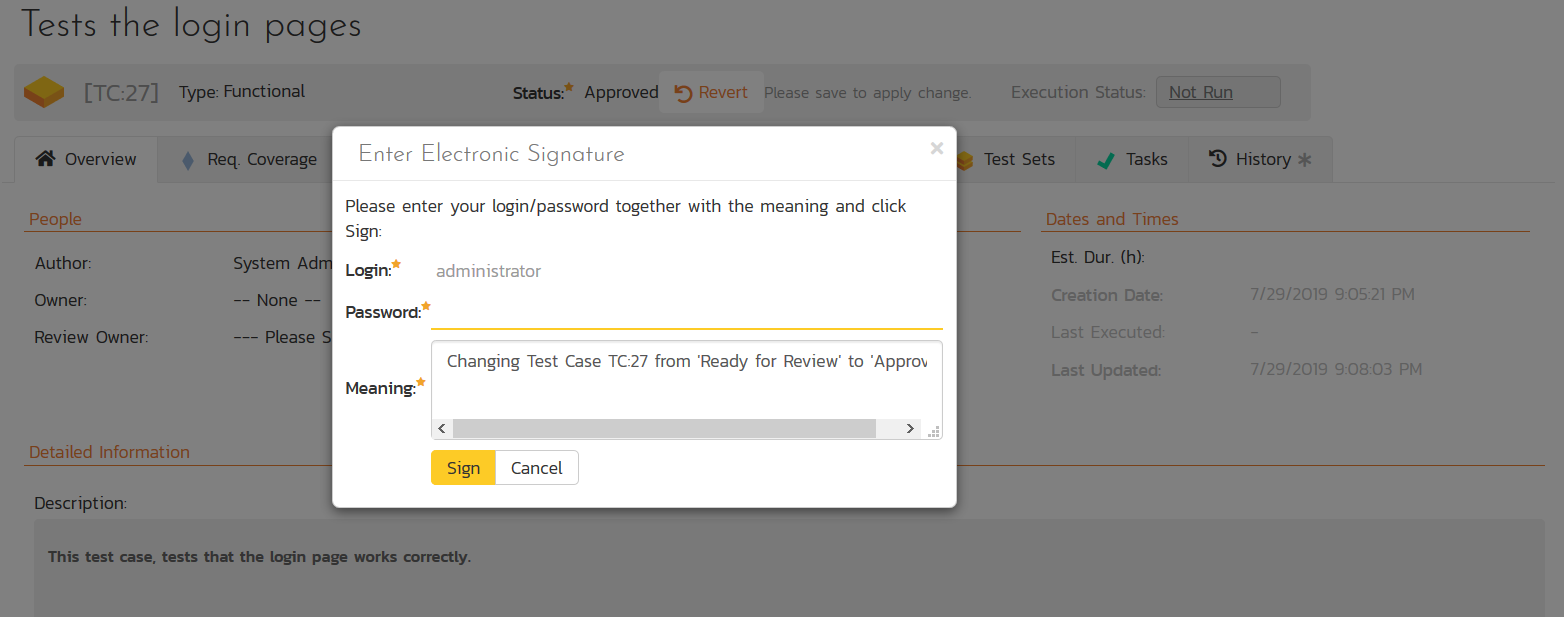
SpiraPlan Quality Management with E-Signatures
Image
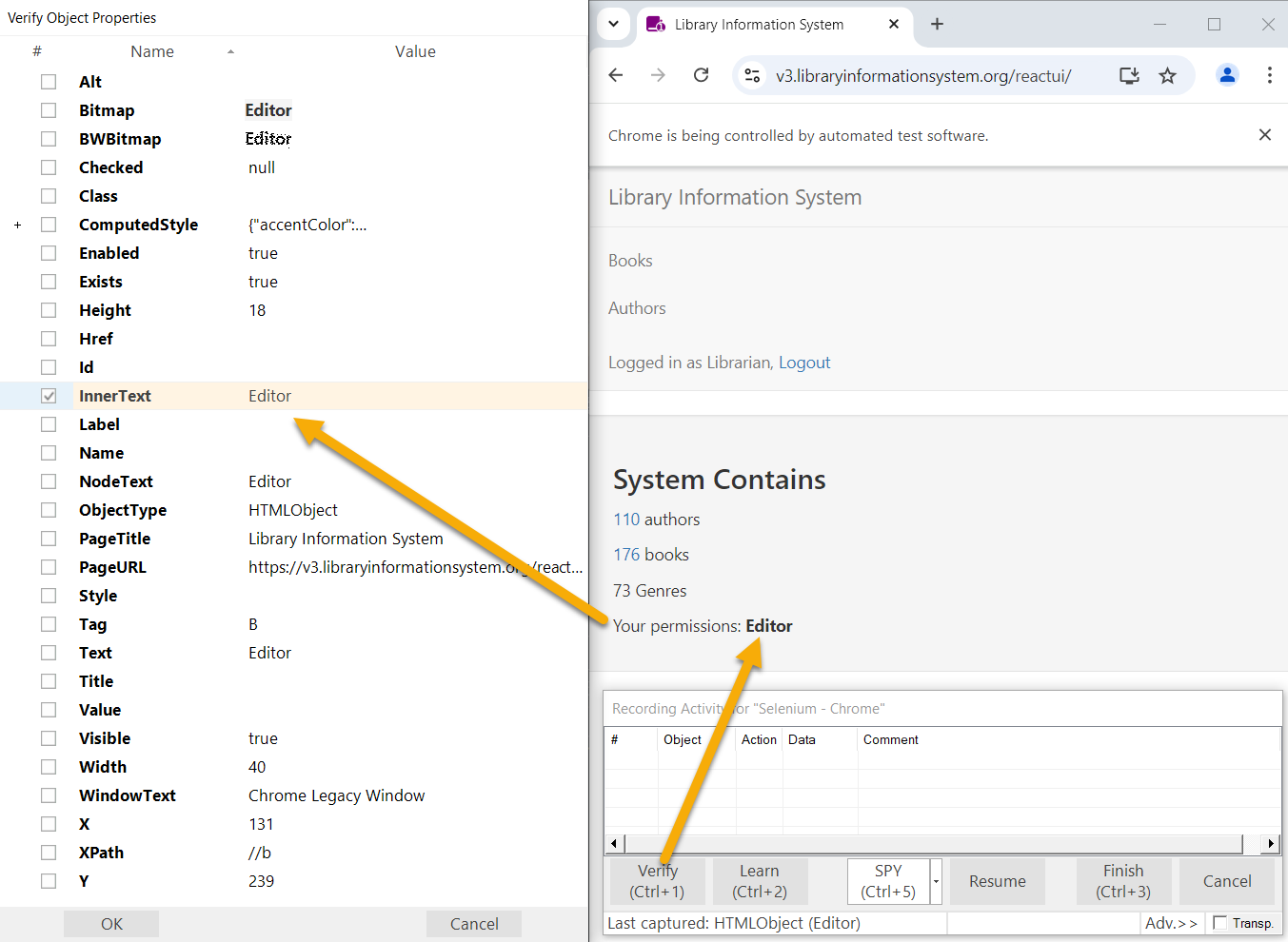
Rapise Automated Testing & Validation of Systems
The Future of Regulated Software Is Connected.
Healthcare and life sciences teams are building more digital systems than ever from medical device software and patient applications to lab systems and cloud-based platforms. As delivery accelerates, expectations for FDA, GxP, 21 CFR Part 11, HITRUST, and HIPAA compliance continue to grow.
Traditional validation workflows rely on manual steps and disconnected tools, creating gaps that slow releases and increase audit risk. To keep pace, organizations need connected lifecycle systems that provide visibility across development, testing, and validation.
Connected software lifecycle management integrates requirements, testing, validation, risks, and documentation into a single workflow. It makes compliance part of everyday work, supports continuous release cycles, and ensures teams always know the state of validation.
Key Capabilities Built for Healthcare and Life Sciences • Streamlined validation workflows with integrated testing. • Built-in 21 CFR Part 11–compliant signatures for regulated approvals. • Secure, HIPAA-compliant cloud or on-premise storage for all validation artifacts. • Unified visibility from requirements through test scenarios, execution, and results. • Automatic, secure logs capturing all user actions, changes, and timestamps. • AI Tools that generate test scenarios and scripts to reduce manual effort.
This connected approach gives teams full lifecycle visibility while reducing manual documentation and audit preparation.
Use cases
Clinical Information Systems
The Inflectra suite helps Clinical Information Systems teams deliver and maintain compliant, reliable software by managing requirements, risks, test cases, defects, and release readiness in one governed lifecycle with full traceability and audit trails. With Rapise-driven automation and integrated reporting, teams can validate changes faster, produce defensible test evidence, and reduce downtime and patient-safety risk by catching regressions early and prioritizing the highest-impact fixes.
Regulatory Submission
The Inflectra suite helps life sciences teams support clinical trial submissions by maintaining end-to-end traceability and controlled change management across trial-system requirements, validation tests, defects, and approvals—creating a defensible audit trail for submission readiness. By automating validation with Rapise and consolidating evidence and reporting in Spira, teams reduce documentation overhead, improve data integrity and consistency, and accelerate readiness for regulatory review.
Security and Regulatory
The Inflectra suite helps healthcare organizations meet security and regulatory obligations by enforcing governed SDLC/ALM processes—role-based access, approvals, traceability, and audit trails—across requirements, risks, tests, defects, and releases. By centralizing evidence and automating validation where appropriate (e.g., with Rapise), teams can demonstrate control effectiveness faster, reduce compliance effort, and improve the security posture of systems that handle sensitive patient data.
Details
Sold by
Deployed on AWS
2 of 3 products deployed on AWS
New
Introducing multi-product solutions
You can now purchase comprehensive solutions tailored to use cases and industries.

Products included

4.5
(64)
Deployed on AWS
SpiraPlan is Inflectra's enterprise-level platform for managing programs, portfolios, and complex projects with precision and accountability. It unifies strategic planning, execution, and oversight across multiple teams and initiatives, offering real-time visibility into progress, resource allocation, and risk. With robust support for requirements, tasks, milestones, and dependencies, SpiraPlan ensures that every objective is clearly defined and traceable. Built-in compliance features like electronic signatures, audit trails, and approval workflows support rigorous governance across regulated industries. Its deep traceability links requirements, tests, tasks, and issues to provide a single source of truth. Powered by Inflectra.ai, SpiraPlan delivers AI-driven insights that help teams generate user stories, assess risk, and predict delivery outcomes-turning data into smarter decisions across the enterprise.

3.7
(5)
Deployed on AWS
Rapise is a codeless test automation platform that simplifies the testing of web, mobile, and desktop applications. It brings together teams with varied technical skills to create robust, easily maintainable test scripts for sophisticated enterprise software. Engineered with cutting-edge self-healing locators and intuitive recording capabilities, Rapise promotes a testing process that is both seamless and resilient. Its unparalleled compatibility with leading platforms, including Salesforce, Microsoft Dynamics, and SAP UI5, amplifies its utility, making it essential for excellence in software quality assurance.

Inflectra Accelerators are a set of predefined professional service packages that help you speed up your deployment and adoption of our SpiraTest, SpiraTeam, SpiraPlan, Rapise, and KronoDesk products (also available on the AWS marketplace as SaaS and Server products).
Features and programs
Financing for AWS Marketplace purchases
AWS Marketplace now accepts line of credit payments through the PNC Vendor Finance program. This program is available to select AWS customers in the US, excluding NV, NC, ND, TN, & VT.

Pricing
Custom pricing options
Pricing is based on your specific requirements and eligibility. Request a private offer to receive a custom quote.
Integration guide
SpiraPlan helps life sciences teams manage regulated product delivery by enforcing requirements traceability, risk-based planning, controlled change management, and complete audit trails across the full lifecycle. Rapise supports validation by automating functional and regression testing with repeatable evidence (test scripts, execution logs, and results) that can be tied directly back to requirements and defects for end-to-end compliance reporting. Together, they reduce validation effort and documentation overhead while improving release quality and inspection readiness through centralized visibility and controlled, defensible test evidence.

Legal
Content disclaimer
Vendors are responsible for their product descriptions and other product content. AWS does not warrant that vendors' product descriptions or other product content are accurate, complete, reliable, current, or error-free.