Containers
Category: Compute

Setting up a Bottlerocket managed node group on Amazon EKS with Terraform
Introduction Kubernetes, an open-source container management system, has surged in popularity and adoption in the past several years. From startups to large established enterprises across industry verticals are rapidly adopting it for their mission critical tasks and workloads. It is declarative, open source, and highly pluggable. In this blog, we will discuss what is, along […]
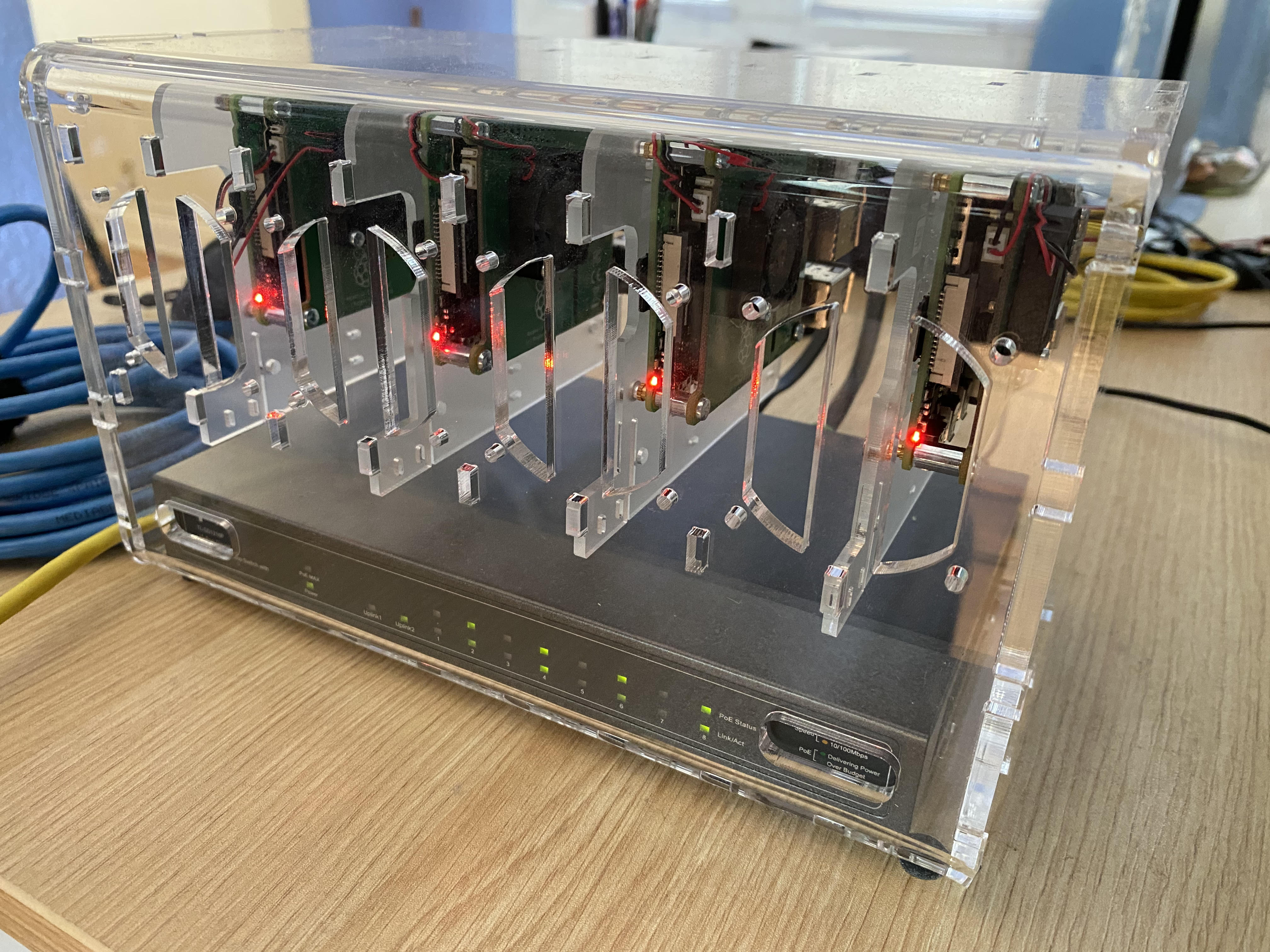
Building an Amazon ECS Anywhere home lab with Amazon VPC network connectivity
Since 2014, Amazon Elastic Container Service (Amazon ECS) has helped AWS customers orchestrate containerized application deployments across a wide range of different compute environments. Initially, Amazon ECS could only be used with AWS managed compute hardware, such as Amazon Elastic Compute Cloud (Amazon EC2) instances, AWS Fargate, AWS Wavelength, and AWS Outposts. With the general […]

Running WordPress on Amazon ECS on AWS Fargate with Amazon EFS
I built my first website back in 1997. It was a fan site for my then favorite musician. I didn’t know much about creating websites, but I had a burning desire to tell the World Wide Web (as if anyone was listening) about my musical preferences. The floppy-disk-booted-PCs in my school’s computer lab ran MS-DOS, […]

Amazon EKS 1.20 Released
The Amazon Elastic Kubernetes Service (Amazon EKS) team is pleased to announce support for Kubernetes 1.20. I had the privilege of serving on the upstream release team for this release from September to December of 2020 and am excited for Amazon EKS customers to experience “The Raddest Release” in all its glory. Kubernetes 1.20 Official […]

Migrating from self-managed Kubernetes to Amazon EKS? Here are some key considerations
Overview We talk to customers every day who are either planning a migration to Amazon Elastic Kubernetes Service (Amazon EKS) or who are in the middle of a migration to Amazon EKS. These customers may start with a self-managed Kubernetes deployment but as Kubernetes footprints scale up, it becomes quite cumbersome to manage a Kubernetes […]
Modernize Java and .NET applications remotely using AWS App2Container
Since the launch of AWS App2Container, customers have been asking for the ability to remotely manage the migrations of Java and .NET applications running on Windows or Linux hosts. Beginning with the version 1.2 of App2Container, users can accomplish containerization of their workloads without installing A2C software on the application servers. The remote execution feature […]
Improving daemon services in Amazon ECS
When using Amazon EC2 for compute capacity in Amazon Elastic Container Service (Amazon ECS) clusters, a common pattern customers follow is to schedule a single instance of a task across all or select nodes in the cluster. This includes running tasks that handle log and/or metrics collection such as Fluentd or the DataDog agent, node […]
Planning Kubernetes Upgrades with Amazon EKS
In February, Amazon Elastic Kubernetes Service (Amazon EKS) released support for Kubernetes version 1.19. We announced this through the usual mechanisms with our What’s New post and updates in Amazon EKS documentation. After some conversations both internally and with our customers, we have decided to start regular AWS Containers blog posts on Amazon EKS Kubernetes […]
Amazon ECS on AWS Fargate now enables customers to configure ephemeral storage up to 200GiB
Today, we are announcing support in AWS Fargate to configure ephemeral storage up to 200 GiB in size. Tens of thousands of customers use Amazon Elastic Container Service (Amazon ECS) with AWS Fargate to benefit from the serverless compute model for a wide variety of container-based applications at scale. As container adoption has grown, […]
Developing Twelve-Factor Apps using Amazon ECS and AWS Fargate
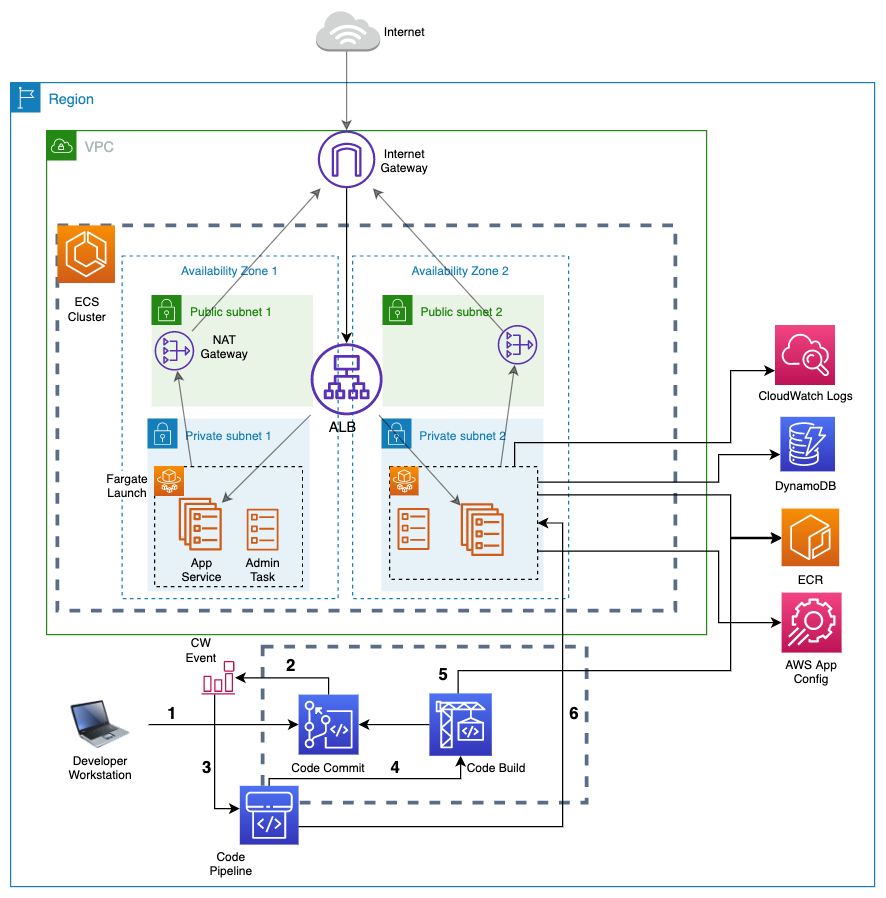
Sushanth Mangalore and Chance Lee, AWS Solutions Architects, SMB Introduction The twelve-factor methodology helps you build modern, scalable, and maintainable software-as-a-service apps. The methodology is technology agnostic and has become a widely-adopted approach to developing cloud-native applications. There are a few different ways to develop twelve-factor applications on AWS. Solutions based on containers technology are a […]