AWS Database Blog
Category: Learning Levels

Deploy AWS DMS in a multi-tiered secure network using an Nginx proxy server
This is a guest post by Hemalatha Katari, Solution Architect at Accenture, in partnership with AWS Partner Solutions Architect Rohit Satyanarayana. In this post, we discuss how to use AWS Data Migration Service (AWS DMS) to migrate your database while maintaining strict network segregation and network security requirements. We recently used this solution with a […]

Physical migration of Oracle databases to Amazon RDS Custom using RMAN duplication
This blog post was reviewed and updated May 2022. Organizations are moving their self-managed Oracle databases to AWS managed database services to modernize their applications and gain access to cloud services. With Amazon RDS Custom, you now have the privileges needed to perform a physical migration of your Oracle database into Amazon Relational Database Service […]

Archive data from Amazon DynamoDB to Amazon S3 using TTL and Amazon Kinesis integration
August 30, 2023: Amazon Kinesis Data Analytics has been renamed to Amazon Managed Service for Apache Flink. Read the announcement in the AWS News Blog and learn more. In this post, we share how you can use Amazon Kinesis integration and the Amazon DynamoDB Time to Live (TTL) feature to design data archiving. Archiving old […]

Model-driven graphs using OWL in Amazon Neptune
Amazon Neptune is a graph database service provided by AWS that you can use to build a knowledge graph of relationships among business objects. When building a knowledge graph, what is a suitable model to govern the representation of those relationships? We would prefer not to build our graph on the fly, but rather have […]

Create an Amazon CloudWatch dashboard to monitor Amazon RDS for PostgreSQL and Amazon Aurora PostgreSQL
Database performance monitoring is critical for application availability and productivity. A good monitoring practice can ensure a small issue is identified in time before it develops into a big problem and causes service disruption. In the AWS Cloud, you can use analytical and monitoring tools like Amazon RDS Performance Insights and Amazon CloudWatch metrics and […]

PostgreSQL bi-directional replication using pglogical
July 2023: This post was reviewed for accuracy. PostgreSQL supports block-based (physical) replication as well as the row-based (logical) replication. Physical replication is traditionally used to create read-only replicas of a primary instance, and utilized in both self-managed and managed deployments of PostgreSQL. Uses for physical read replicas can include high availability, disaster recovery, and […]

Use Amazon RDS Proxy with read-only endpoints
Amazon RDS Proxy is a fully managed, highly available database proxy that can front your Amazon RDS for MySQL or Amazon RDS for PostgreSQL databases and Amazon Aurora MySQL-Compatible Edition or Amazon Aurora PostgreSQL-Compatible Edition databases. It allows you to manage an application’s access to the database and provides multiplexing, connection pooling, and graceful failover. […]
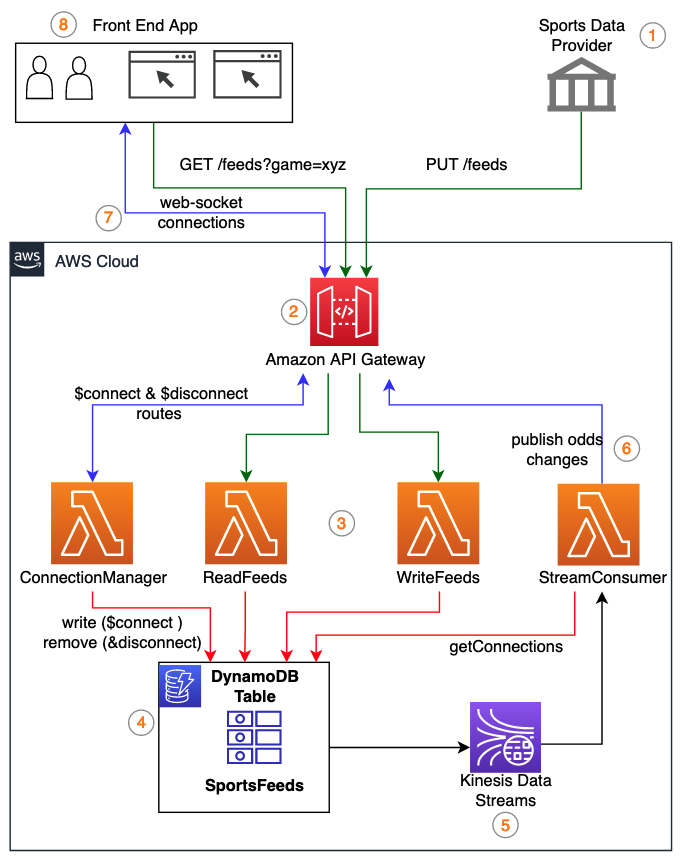
Store and stream sports data feeds using Amazon DynamoDB and Amazon Kinesis Data Streams
August 30, 2023: Amazon Kinesis Data Analytics has been renamed to Amazon Managed Service for Apache Flink. Read the announcement in the AWS News Blog and learn more. Online bookmakers are innovating to offer their clients continuously updated sports data feeds that allow betting throughout the duration of matches. In this post, we walk through […]
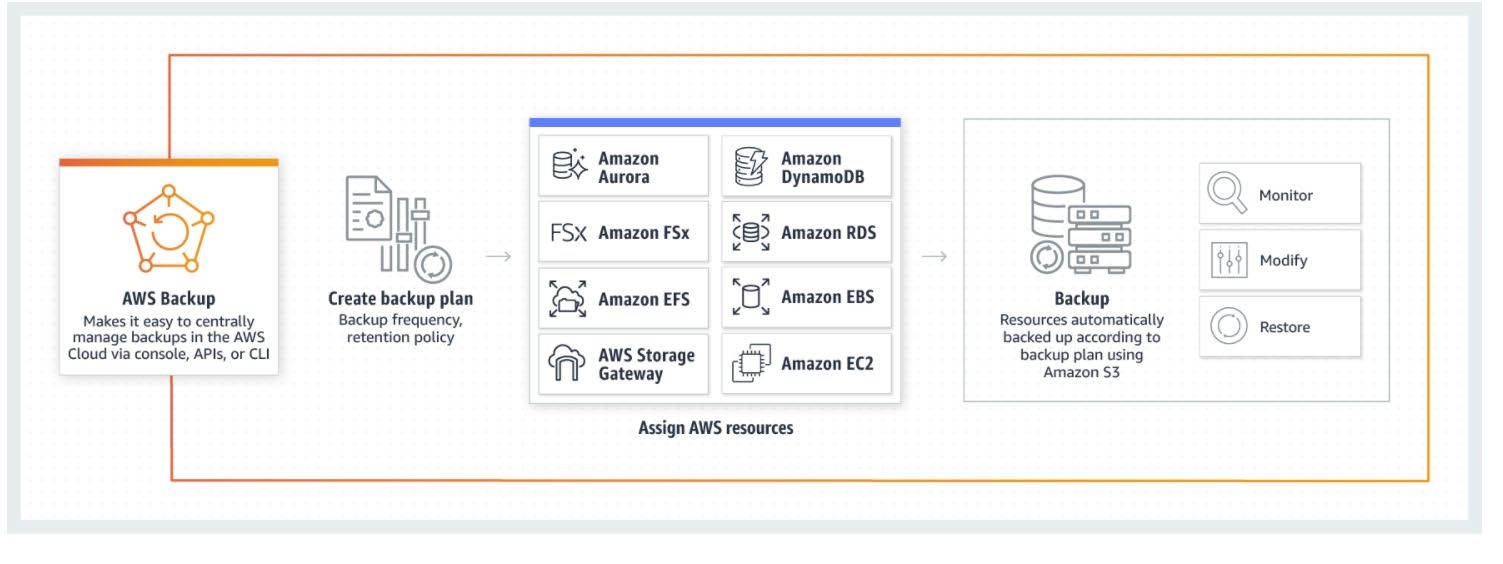
Backup and Restore Strategies for Amazon RDS for SQL Server
Customers have asked for the right solution to safeguard their data on Amazon Relational Database Service (Amazon RDS) for SQL Server and meet their current Recovery Point Objective (RPO), the maximum acceptable amount of time since the last backup and Recovery Time Objective (RTO), the maximum acceptable delay between the interruption of service and restoration […]

Build faster with Amazon DynamoDB and PartiQL: SQL-compatible operations
In November 2020, we launched DynamoDB support for PartiQL. With PartiQL, you can codify your DynamoDB data operations using familiar SQL syntax and get the fast, consistent performance that DynamoDB customers have long depended on. In this post, we explain how DynamoDB’s PartiQL support helps new DynamoDB developers learn faster and provides existing DynamoDB developers […]