AWS Security Blog
Category: Intermediate (200)

Authenticate legitimate AI agent traffic with AWS WAF Bot Control
As AI agents and automated tools increasingly access web applications, distinguishing legitimate bot traffic from malicious attempts has become a critical security challenge. Traditional approaches such as IP-based filtering and reverse DNS lookups fail in multi-tenant systems (such as Amazon Bedrock AgentCore) where thousands of distinct workloads share the same IP space. Attackers can easily […]
New compliance guidance available: HITRUST i1 on AWS
We are pleased to announce the publication of a new AWS compliance implementation guidance: HITRUST i1 Compliance on AWS: Customer Implementation Guidance with an Illustrative Healthcare Platform. Healthcare organizations seeking HITRUST i1 certification increasingly rely on Amazon Web Services (AWS) as their cloud foundation. The HITRUST i1 assessment covers 182 curated controls at the Implemented […]
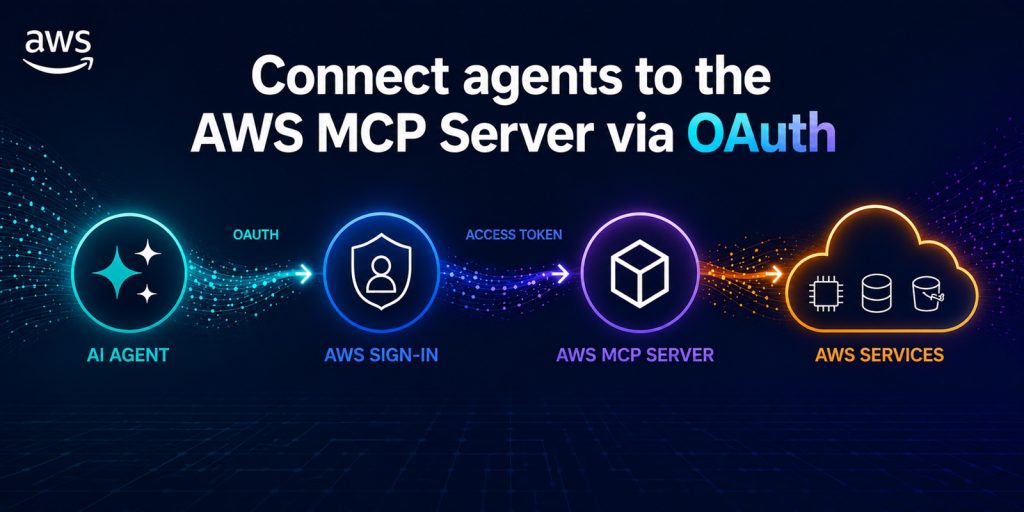
Introducing OAuth Support for AWS MCP Server
You can now connect your agents to the AWS MCP Server using the same credentials and sign-in methods that you already use for connecting to the AWS Management Console or AWS Command Line Interface (AWS CLI) through a familiar browser-based experience powered by industry-standard OAuth. This new sign-in path supports AWS Identity and Access Management […]
The CISO’s guide to post-quantum mandates and migrations
Over a dozen major economies have now published post-quantum cryptography (PQC) adoption guidance. As a CISO, you’re probably well into your migration plan and know the most difficult part has little to do with changing algorithms. The real leadership challenge is driving coordinated change across a large, complex organization where asymmetric cryptography is embedded in […]
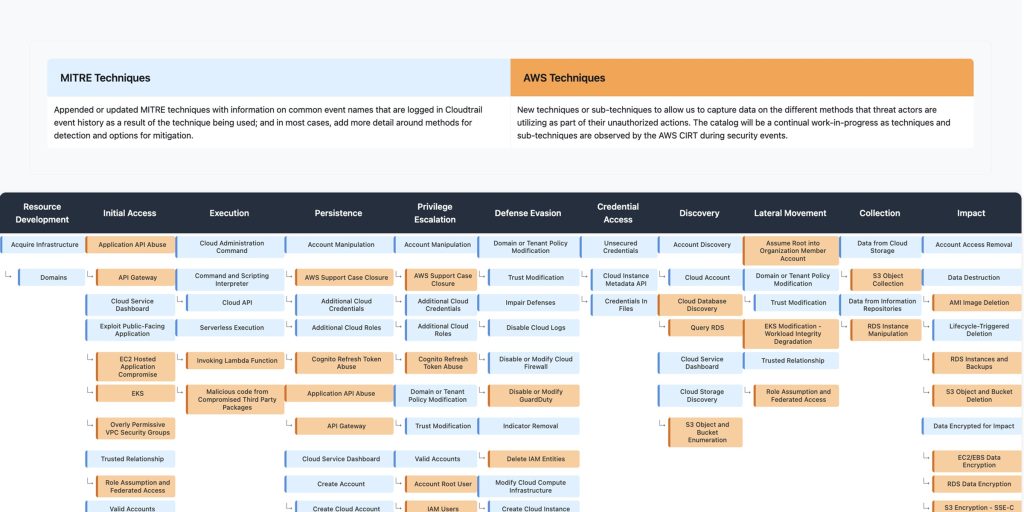
What the June 2026 Threat Technique Catalog update means for your AWS environment
The AWS Customer Incident Response Team (AWS CIRT) encounters patterns that repeat across engagements when helping customers respond to security incidents. We’re passionate about making sure that information is accessible so that everyone can improve their security posture and their organization’s resilience to disruption. The primary method we use to share this information is the […]
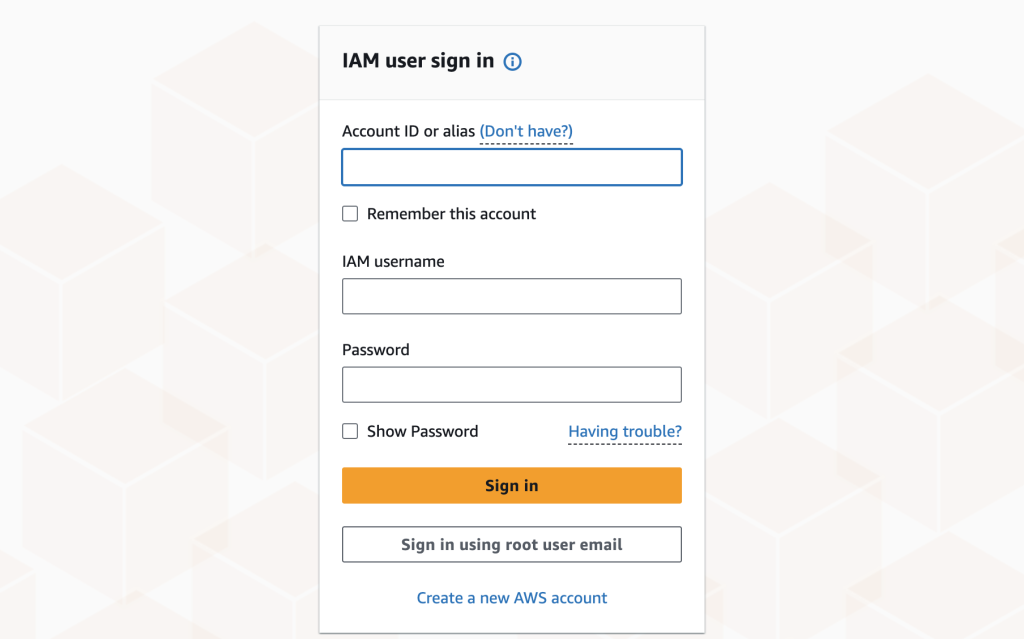
Restrict AWS Management Console access to expected networks with sign-in resource-based policies and RCPs
Amazon Web Services (AWS) recently announced support for resource-based policies and resource control policies (RCPs) for AWS Sign-In. By using resource-based policies and RCPs, you can restrict access to the AWS Management Console sign-in and aws login CLI sessions to requests from your expected networks, your on-premises data center networks, and your Amazon Virtual Private […]
Accelerate security investigations with Kiro CLI
When a security event occurs in your Amazon Web Services (AWS) environment, rapid response is critical. However security teams often struggle with time-consuming, manual processes that slow down investigations. Analysts must recall complex AWS Command Line Interface (AWS CLI) syntax for multiple services, manually correlate findings across Amazon GuardDuty, AWS CloudTrail, and other security tools, […]

Threat tactic spotlight: Subdomain takeover
In this blog post you’ll learn how to detect and prevent subdomain takeover – a tactic where threat actors exploit dangling DNS records to redirect traffic to attacker-controlled resources. We’ll explain the issue, how the situation arises, and how you can use various AWS features and services to help mitigate the impact of this tactic. […]
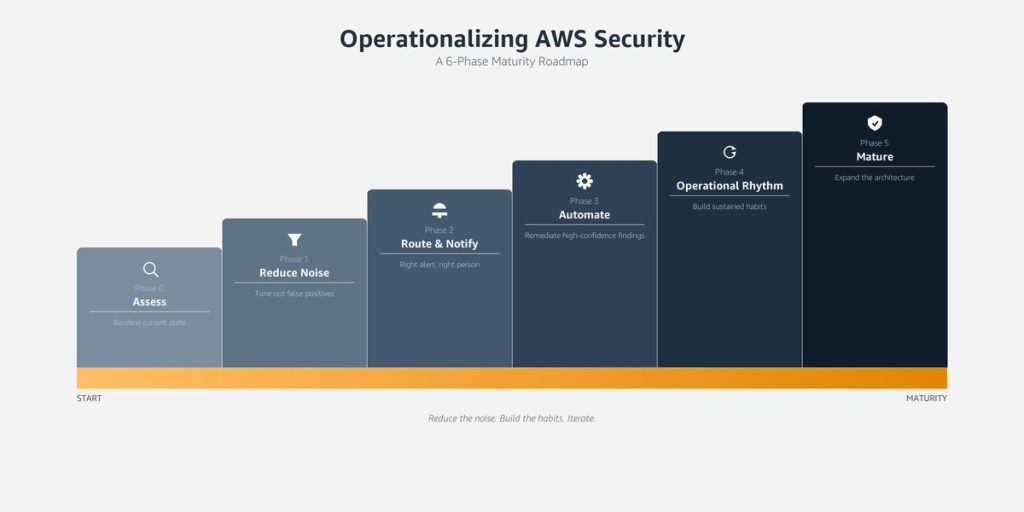
Operationalizing AWS security: A maturity roadmap
Enabling security tooling is the starting point. Making it operational—where findings drive decisions, response times are measurable, and your security posture improves week over week—is where most organizations struggle. This blog post provides a phased maturity roadmap for organizations that have already enabled AWS Security Hub and Amazon GuardDuty. These two services form the foundation […]

Building secure B2C applications with fine-grained access control using Amazon Cognito and Amazon Verified Permissions
Modern web applications require robust security controls to protect user data and application resources. Authentication and authorization are two fundamental pillars of application security that answer critical questions: Who are you? and What are you allowed to do? Implementing these controls correctly can be challenging for developers, especially when building data-intensive applications with frameworks like […]