AWS Architecture Blog
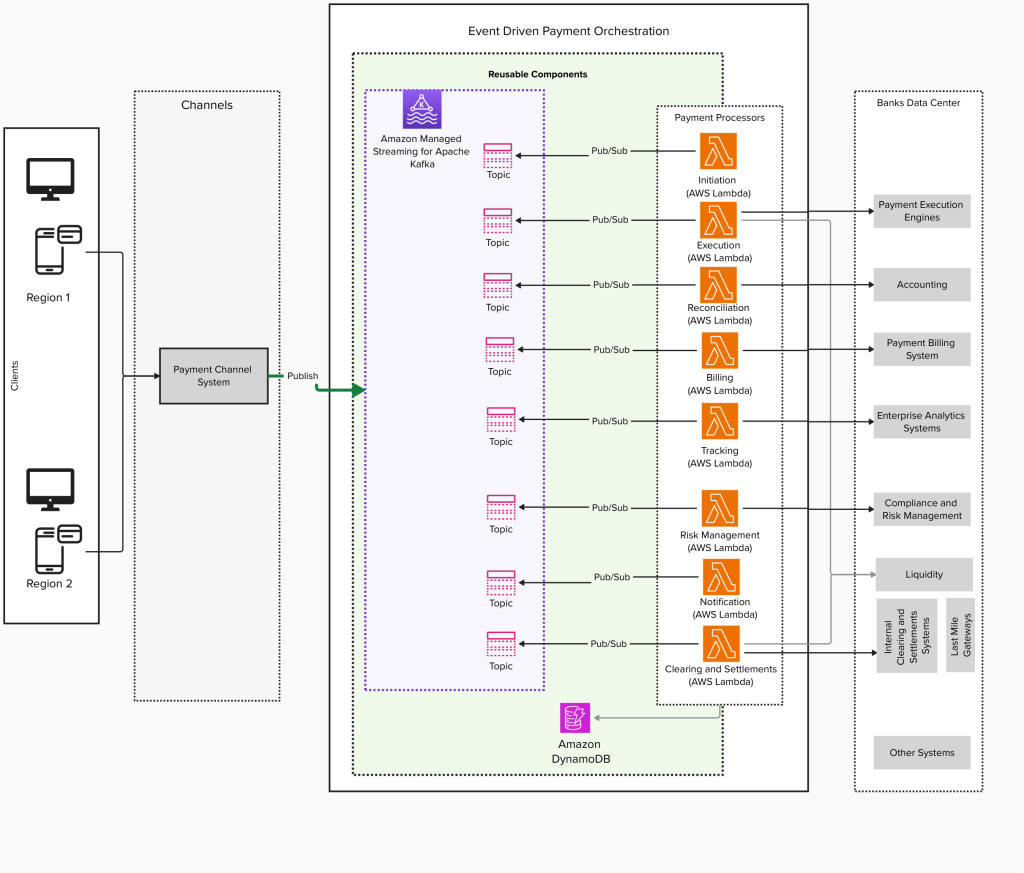
Modernization of real-time payment orchestration on AWS
The global real-time payments market is experiencing significant growth. According to Fortune Business Insights, the market was valued at USD 24.91 billion in 2024 and is projected to grow to USD 284.49 billion by 2032, with a CAGR of 35.4%. Similarly, Grand View Research reports that the global mobile payment market, valued at USD 88.50 […]
Build resilient generative AI agents
Generative AI agents in production environments demand resilience strategies that go beyond traditional software patterns. AI agents make autonomous decisions, consume substantial computational resources, and interact with external systems in unpredictable ways. These characteristics create failure modes that conventional resilience approaches might not address. This post presents a framework for AI agent resilience risk analysis […]
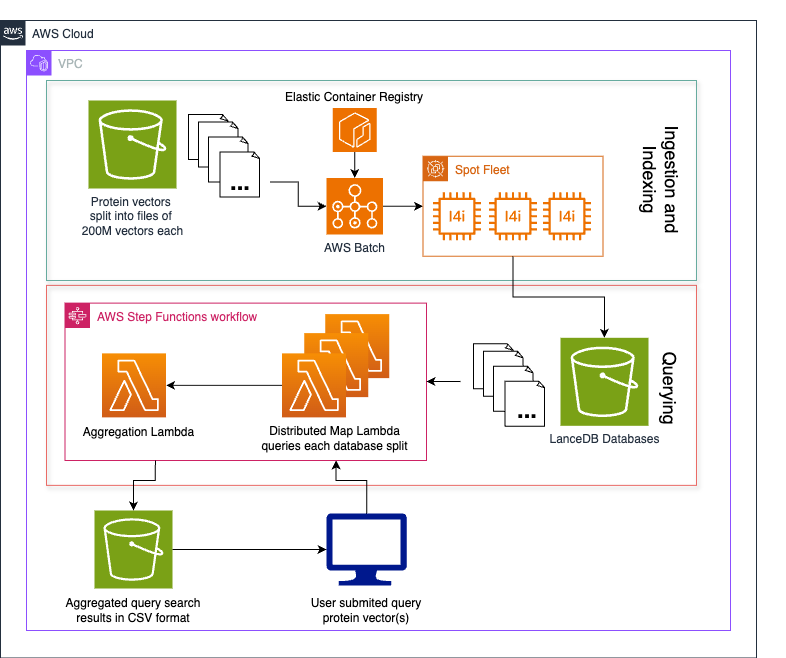
A scalable, elastic database and search solution for 1B+ vectors built on LanceDB and Amazon S3
In this post, we explore how Metagenomi built a scalable database and search solution for over 1 billion protein vectors using LanceDB and Amazon S3. The solution enables rapid enzyme discovery by transforming proteins into vector embeddings and implementing a serverless architecture that combines AWS Lambda, AWS Step Functions, and Amazon S3 for efficient nearest neighbor searches.
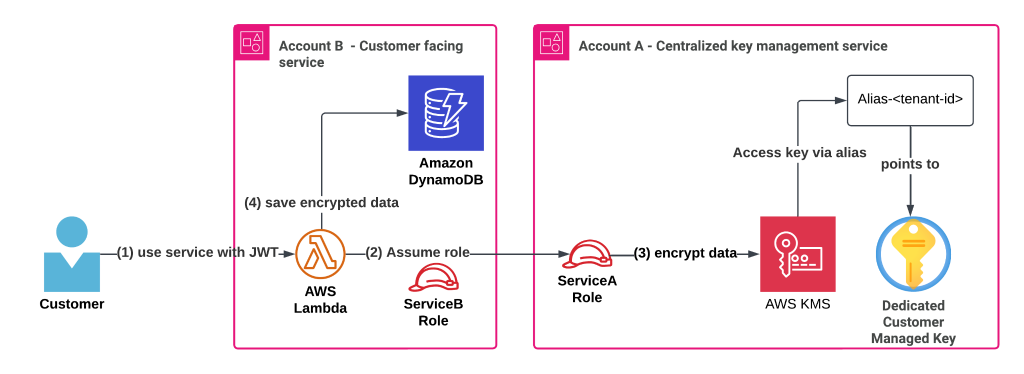
Simplify multi-tenant encryption with a cost-conscious AWS KMS key strategy
In this post, we explore an efficient approach to managing encryption keys in a multi-tenant SaaS environment through centralization, addressing challenges like key proliferation, rising costs, and operational complexity across multiple AWS accounts and services. We demonstrate how implementing a centralized key management strategy using a single AWS KMS key per tenant can maintain security and compliance while reducing operational overhead as organizations scale.
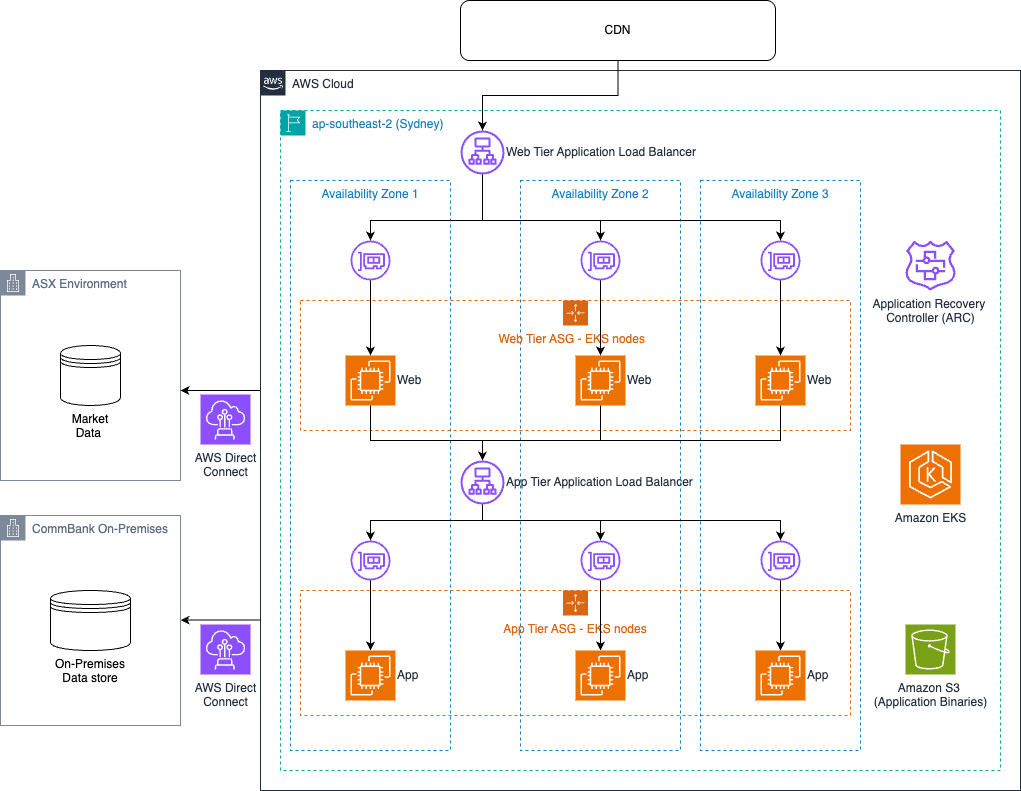
How CommBank made their CommSec trading platform highly available and operationally resilient
In this post, we explore how CommSec, Australia’s leading online broker, transitioned from a multicloud environment to AWS as their sole cloud provider while implementing Amazon Application Recovery Controller (ARC) zonal shift to maintain high availability and operational resilience. The consolidation resulted in significant benefits including 25% base capacity reduction, two times faster deployments, and improved failover capabilities through ARC zonal shift, enabling CommSec to continue serving millions of customers while meeting strict regulatory requirements.
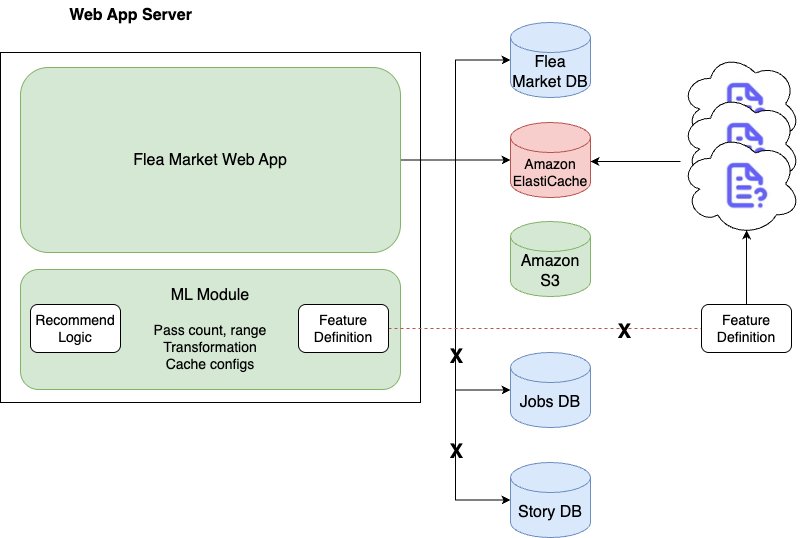
How Karrot built a feature platform on AWS, Part 1: Motivation and feature serving
This two-part series shows how Karrot developed a new feature platform, which consists of three main components: feature serving, a stream ingestion pipeline, and a batch ingestion pipeline. This post starts by presenting our motivation, our requirements, and the solution architecture, focusing on feature serving.
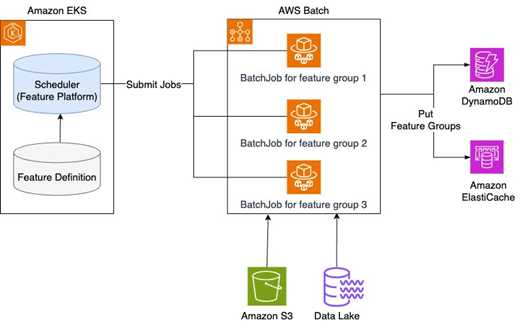
How Karrot built a feature platform on AWS, Part 2: Feature ingestion
This two-part series shows how Karrot developed a new feature platform, which consists of three main components: feature serving, a stream ingestion pipeline, and a batch ingestion pipeline. This post covers the process of collecting features in real-time and batch ingestion into an online store, and the technical approaches for stable operation.
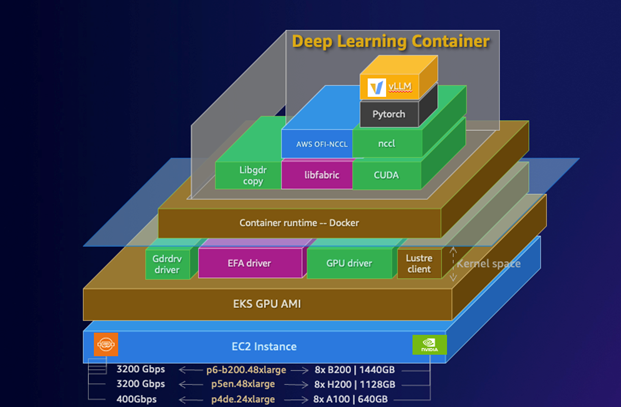
Deploy LLMs on Amazon EKS using vLLM Deep Learning Containers
In this post, we demonstrate how to deploy the DeepSeek-R1-Distill-Qwen-32B model using AWS DLCs for vLLMs on Amazon EKS, showcasing how these purpose-built containers simplify deployment of this powerful open source inference engine. This solution can help you solve the complex infrastructure challenges of deploying LLMs while maintaining performance and cost-efficiency.
Maximizing Business Value Through Strategic Cloud Optimization
As cloud spending continues to surge, organizations must focus on strategic cloud optimization to maximize business value. This blog post explores key insights from MIT Technology Review’s publication on cloud optimization, highlighting the importance of viewing optimization as a continuous process that encompasses all six AWS Well-Architected pillars.
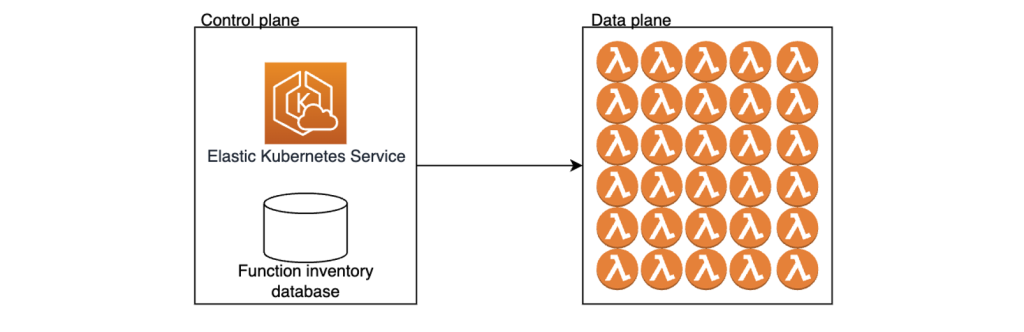
How Zapier runs isolated tasks on AWS Lambda and upgrades functions at scale
In this post, you’ll learn how Zapier has built their serverless architecture focusing on three key aspects: using Lambda functions to build isolated Zaps, operating over a hundred thousand Lambda functions through Zapier’s control plane infrastructure, and enhancing security posture while reducing maintenance efforts by introducing automated function upgrades and cleanup workflows into their platform architecture.