AWS Compute Blog

Offset lag metric for Amazon MSK as an event source for Lambda
This post written by Adam Wagner, Principal Serverless Solutions Architect. Last year, AWS announced support for Amazon Managed Streaming for Apache Kafka (MSK) and self-managed Apache Kafka clusters as event sources for AWS Lambda. Today, AWS adds a new OffsetLag metric to Lambda functions with MSK or self-managed Apache Kafka event sources. Offset in Apache […]

Expanding cross-Region event routing with Amazon EventBridge
With cross-Region event routing in EventBridge, you can now route events to and from any AWS Region. This post explains how to manage and configure cross-Region event routing using CloudFormation and EventBridge resource policies to simplify rule propagation across your global event bus infrastructure. Finally, I walk through an example you can deploy to your AWS account.

Introducing mutual TLS authentication for Amazon MSK as an event source
This post is written by Uma Ramadoss, Senior Specialist Solutions Architect, Integration. Today, AWS Lambda is introducing mutual TLS (mTLS) authentication for Amazon Managed Streaming for Apache Kafka (Amazon MSK) and self-managed Kafka as an event source. Many customers use Amazon MSK for streaming data from multiple producers. Multiple subscribers can then consume the streaming […]

Insulating AWS Outposts Workloads from Amazon EC2 Instance Size, Family, and Generation Dependencies
This post is written by Garry Galinsky, Senior Solutions Architect. AWS Outposts is a fully managed service that offers the same AWS infrastructure, AWS services, APIs, and tools to virtually any datacenter, co-location space, or on-premises facility for a truly consistent hybrid experience. AWS Outposts is ideal for workloads that require low-latency access to on-premises […]
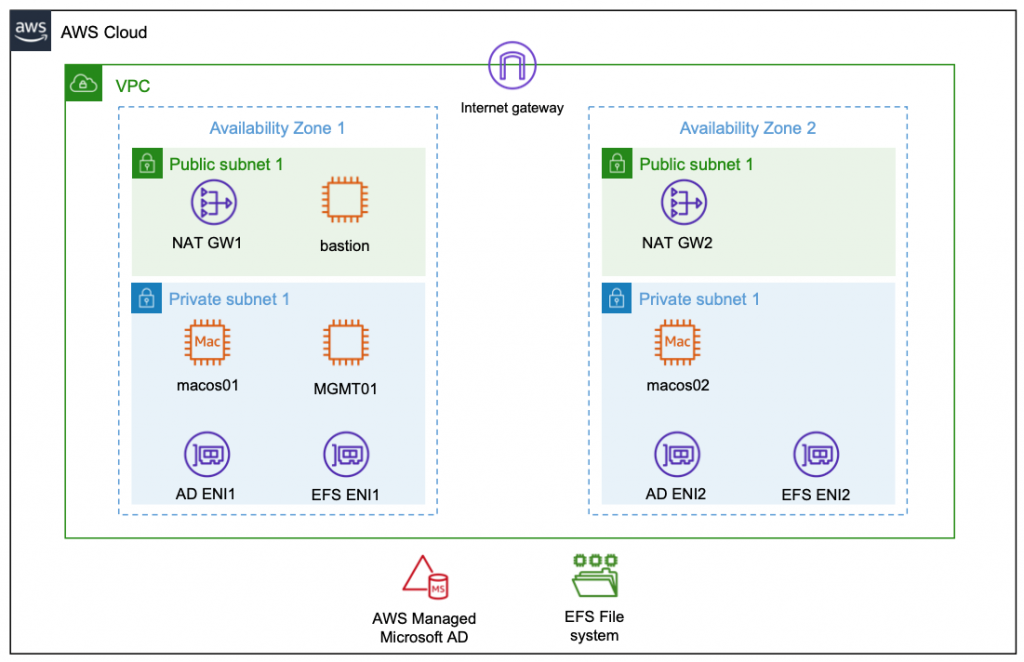
Setting up EC2 Mac instances as shared remote development environments
This post is written by: Michael Meidlinger, Solutions Architect In December 2020, we announced a macOS-based Amazon Elastic Compute Cloud (Amazon EC2) instance. Amazon EC2 Mac instances let developers build, test, and package their applications for every Apple platform, including macOS, iOS, iPadOS, tvOS, and watchOS. Customers have been utilizing these instances in order to […]

Publishing messages in batch to Amazon SNS topics
This post is written by Heeki Park (Principal Solutions Architect, Serverless Specialist), Marc Pinaud (Senior Product Manager, Amazon SNS), Amir Eldesoky (Software Development Engineer, Amazon SNS), Jack Li (Software Development Engineer, Amazon SNS), and William Nguyen (Software Development Engineer, Amazon SNS). Today, we are announcing the ability for AWS customers to publish messages in batch […]
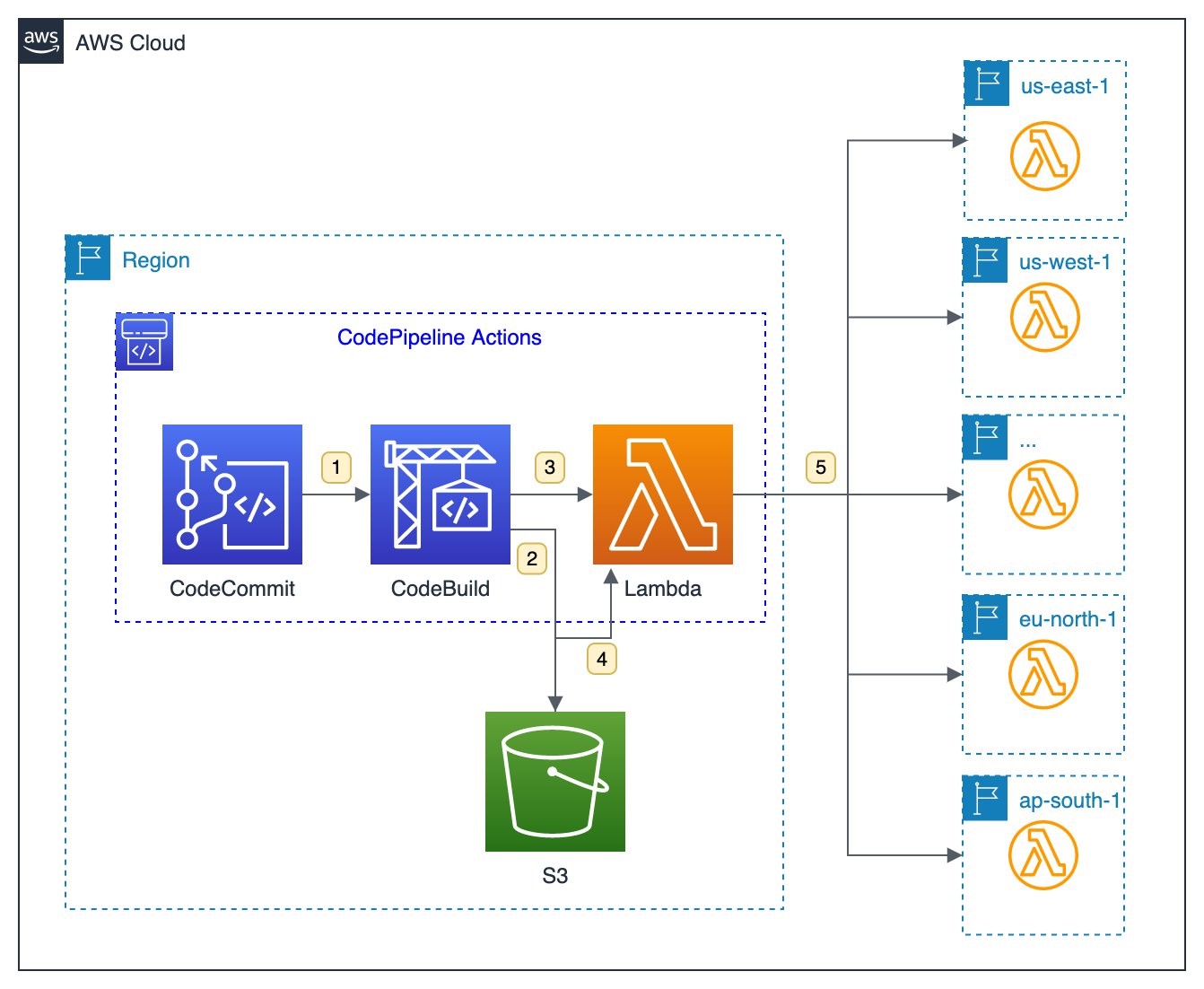
Deploying AWS Lambda layers automatically across multiple Regions
This blog post shows how to create a centralized pipeline to build and distribute Lambda layers consistently across multiple Regions. The pipeline is configurable and allows you to adapt the Regions and permissions according to your use-case.

Modernizing deployments with container images in AWS Lambda
This post is written by Joseph Keating, AWS Modernization Architect, and Virginia Chu, Sr. DevSecOps Architect. Container image support for AWS Lambda enables developers to package function code and dependencies using familiar patterns and tools. With this pattern, developers use standard tools like Docker to package their functions as container images and deploy them to […]

Monitoring delay of AWS Batch jobs in transit before execution
This post is written by Nikhil Anand, Solutions Architect AWS Batch enables developers, scientists, and engineers to easily and efficiently run hundreds of thousands of batch processing jobs on AWS. With AWS Batch you no longer have to install and manage batch computing software or server clusters used to run your jobs. This lets you […]

Optimizing Apache Flink on Amazon EKS using Amazon EC2 Spot Instances
This post is written by Kinnar Sen, Senior EC2 Spot Specialist Solutions Architect Apache Flink is a distributed data processing engine for stateful computations for both batch and stream data sources. Flink supports event time semantics for out-of-order events, exactly-once semantics, backpressure control, and optimized APIs. Flink has connectors for third-party data sources and AWS […]