AWS for M&E Blog
Category: Technical How-to

AWS Artist Series: Animating Noa
This is the 3rd post in our AWS Artist series, find the other two below: AWS Artist Series: Compositing Spanner AWS Artist Series: Creating characters with dynamic wrinkles Noa and Ulysse under the bridge in Spanner. Spanner is the story of two bridge builders, Noa and Ulysse. Noa is an expert in her field; she trained hard […]

Amplify Video now supports MPEG-DASH for on-demand video
Introduction Amplify Video now supports generating MPEG-DASH manifests in addition to HLS manifests for on-demand video delivery, making it easier to leverage the two dominant HTTP streaming protocols for delivering video over the internet. In this post we highlight how users can use the AWS Amplify framework with the Amplify Video plugin to create and […]
Getting started with AWS Elemental Live and Dolby Vision
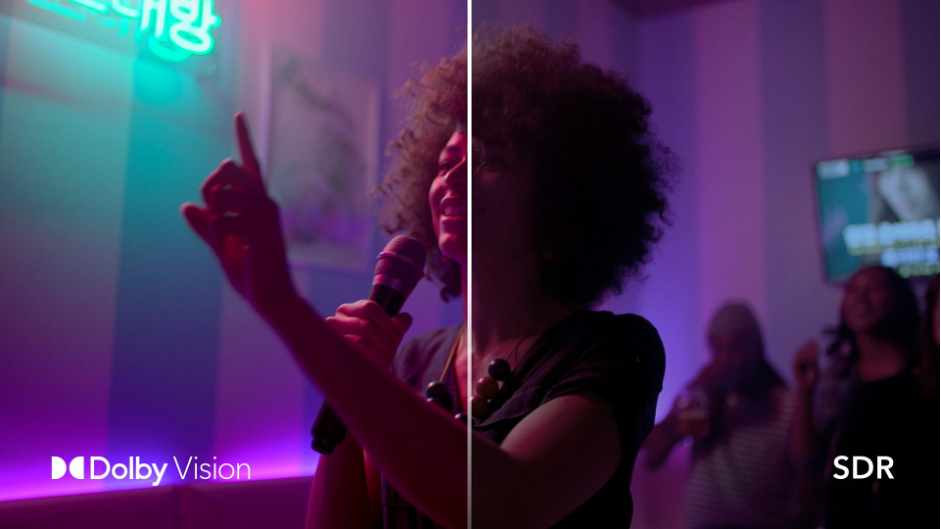
In the relatively new, ever-changing arena of High Dynamic Range (HDR) technologies, there are quite a few options to consider when it comes to creating video content with rich, beautiful, pronounced pictures with both brighter and darker colors. These include HDR10, HDR10+, HLG, and Dolby Vision. This post focuses on the key benefits of Dolby […]

Managing content delivery across multiple AWS Elemental MediaPackage origins
Traditional video on demand (VOD) workflows are often complex, with requirements to manage multiple content versions, packaging configurations and digital rights management (DRM) needs. These requirements often lead to complex transcoding pipelines, duplication of assets, and inflexible distribution configurations. Companies are starting to look to modernize their VOD workflows to increase agility, cost savings, and flexibility. […]
Stream tennis matches through AWS Elemental MediaLive and generate real-time replays with Amazon Rekognition
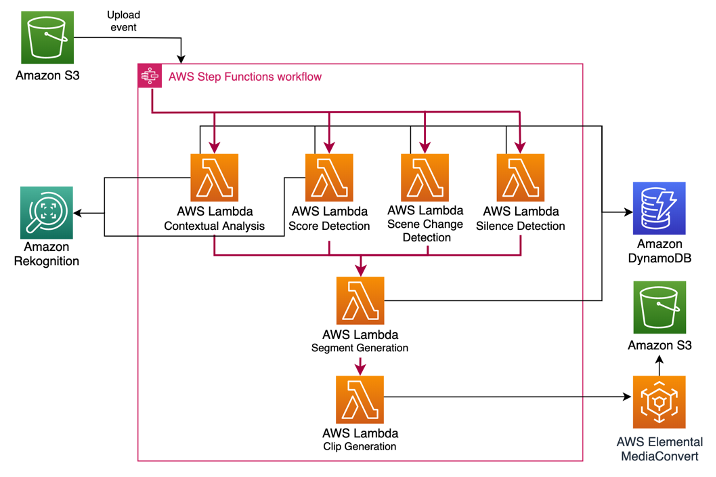
UPDATE: A new open source solution called Media Replay Engine (MRE) was released to the public that provides a scalable plugin-based framework designed to process live video sources and generate clips and highlights that support several linear and digital channel use cases. You can find it here: https://github.com/awslabs/aws-media-replay-engine. Broadcasters are increasingly looking to the cloud […]

Streamline content preparation and quality control for VOD platforms using Amazon Rekognition Video
Last year, we launched Amazon Rekognition video segment detection, an API that makes it easy for media customers to automatically detect frame accurate end credits, black frame segments, shot changes, and color bars in video files using machine learning (ML). Today, we are announcing support for four new types of segments (opening credits, content segments, […]

Getting started with the AWS Media Asset Preparation System (MAPS)
Introduction In the introductory blog post for the AWS Media Asset Preparation System (AWS MAPS), we provided an overview of how MAPS addresses pain points involving uploading media to AWS, organizing files/folders, file movement across AWS storage volumes, media preparation, permission assignment, search, filtering, and delivery of content. In this post, we provide an overview […]
AWS Artist Series: Creating characters with dynamic wrinkles
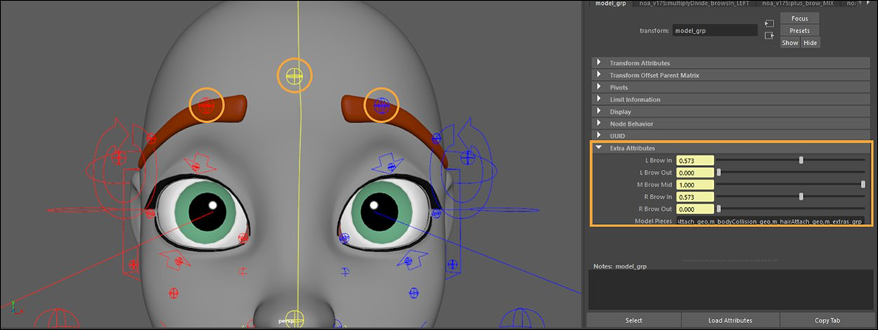
Spanner is the story of two bridge builders, Noa and Ulysse. Ulysse is trying to learn from Noa, but he’s too proud and foolish to ask her directly. This leads to him inadvertently being tossed off of the bridge. Later, Noa saves Ulysse and then wraps him up and sticks him under the bridge as […]
How to live stream pre-recorded video using AWS Elemental MediaLive
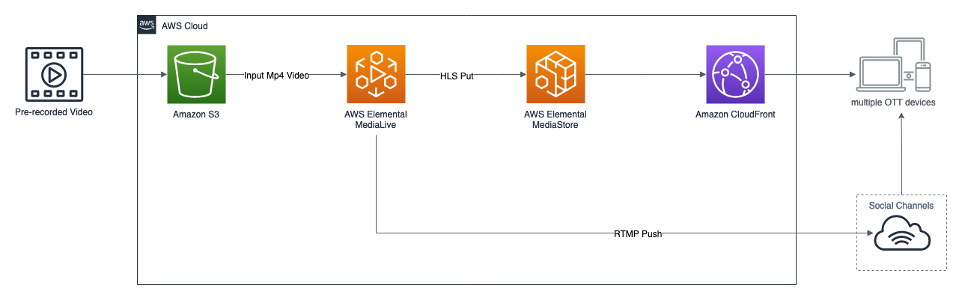
In this blog post I walk you through how to live stream pre-recorded videos using AWS Elemental MediaLive. This use case is ideal for customers who want to retain control of their messaging by pre-recording their videos and reach a larger audience using multiple social channels like Twitch, YouTube, and Facebook. In 2020, due to […]
Automatically compare two videos to find common content
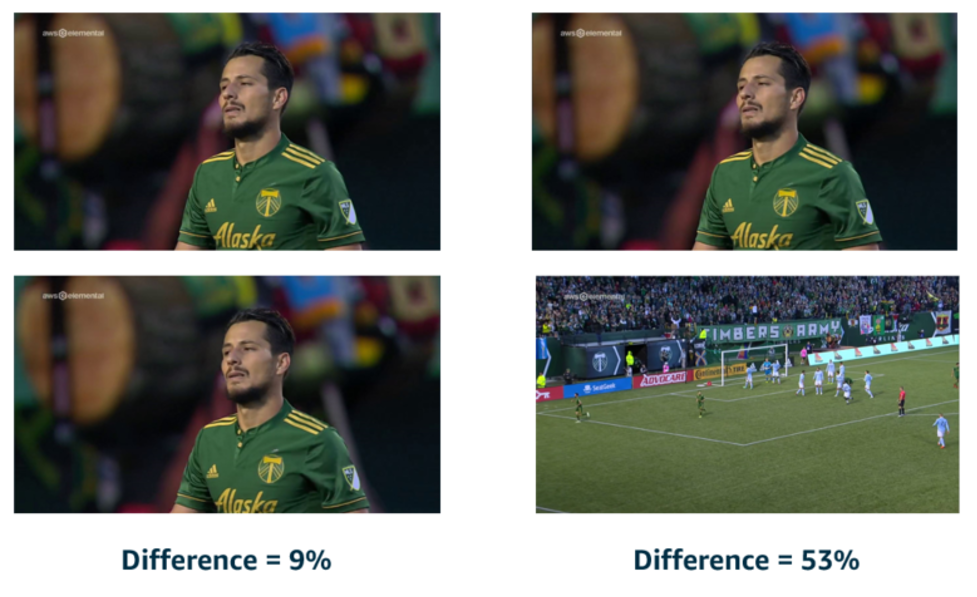
Comparing two videos to determine what is common and what is different between them is useful in many ways. The ability to find common content across two video sources opens up a number of interesting possible applications, including: Searching third-party videos for unauthorized use of your content Monitoring a pair of video streams to ensure […]